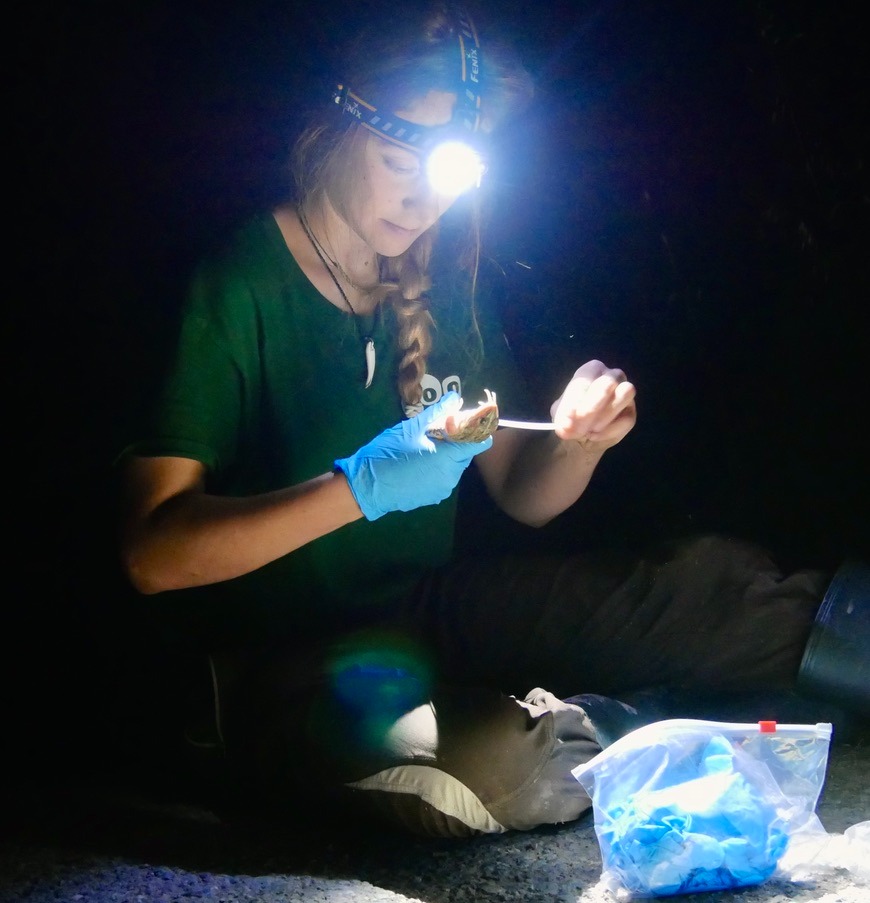
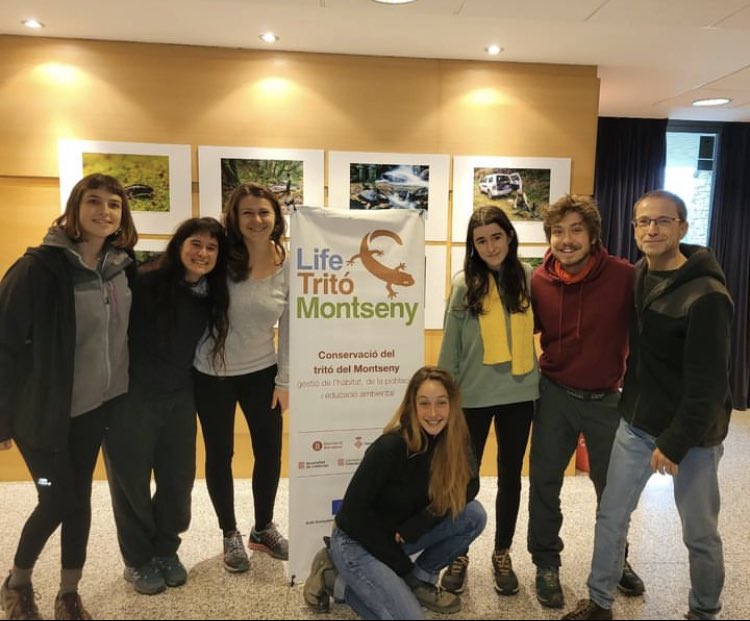
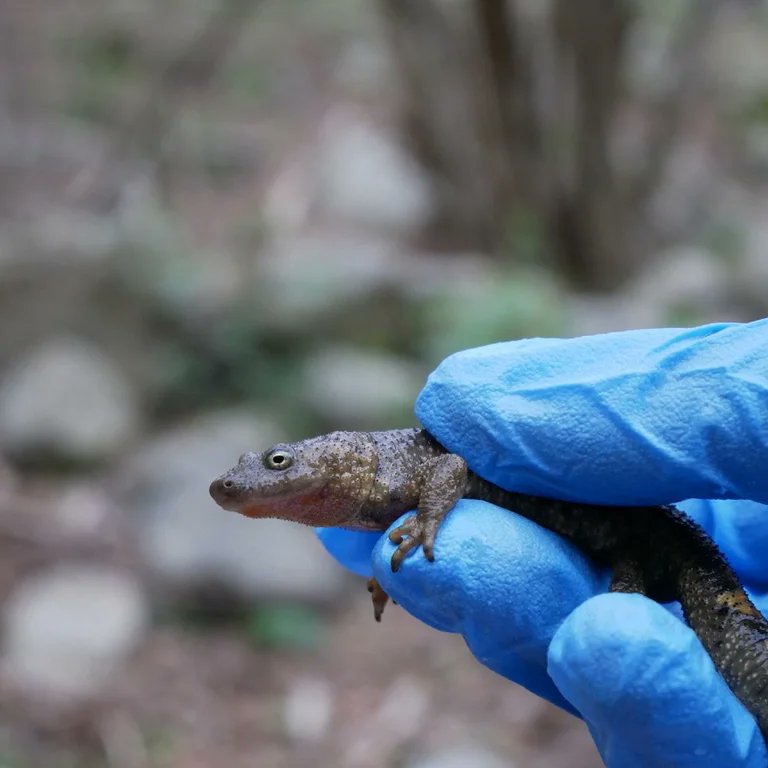
Amphibians are the most threatened animals, primarily due to chytridiomycosis. Our group is studying the diseases affecting the Pyrenean brook newt in order to protect this unique species.
You can now help us through our new crowdfundong campaign!
https://t.co/PwNWhONSQi
Bats play essential roles in terrestrial ecosystems acting as pest control, pollinating plants and dispersing seeds.
🦇
Learn about the work of the Bat Specialist Group (BSG) within the Species Survival Commission @IUCNssc here 👇
https://t.co/x4BLidZ33U
#BatAppreciationDay
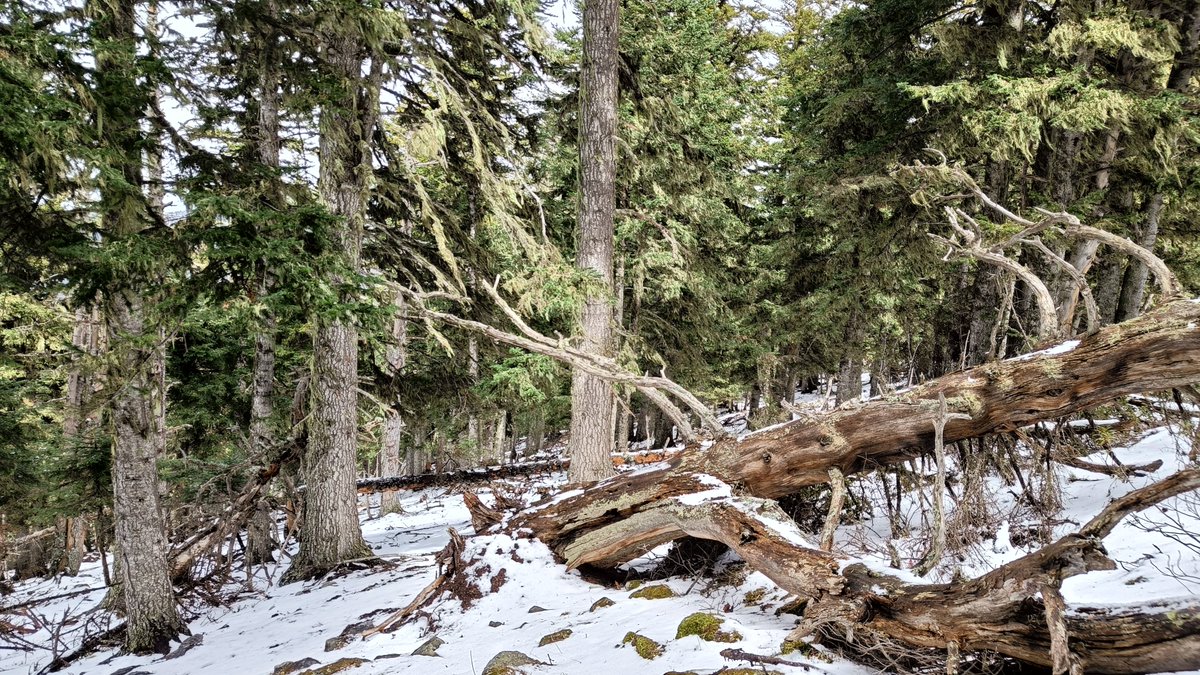
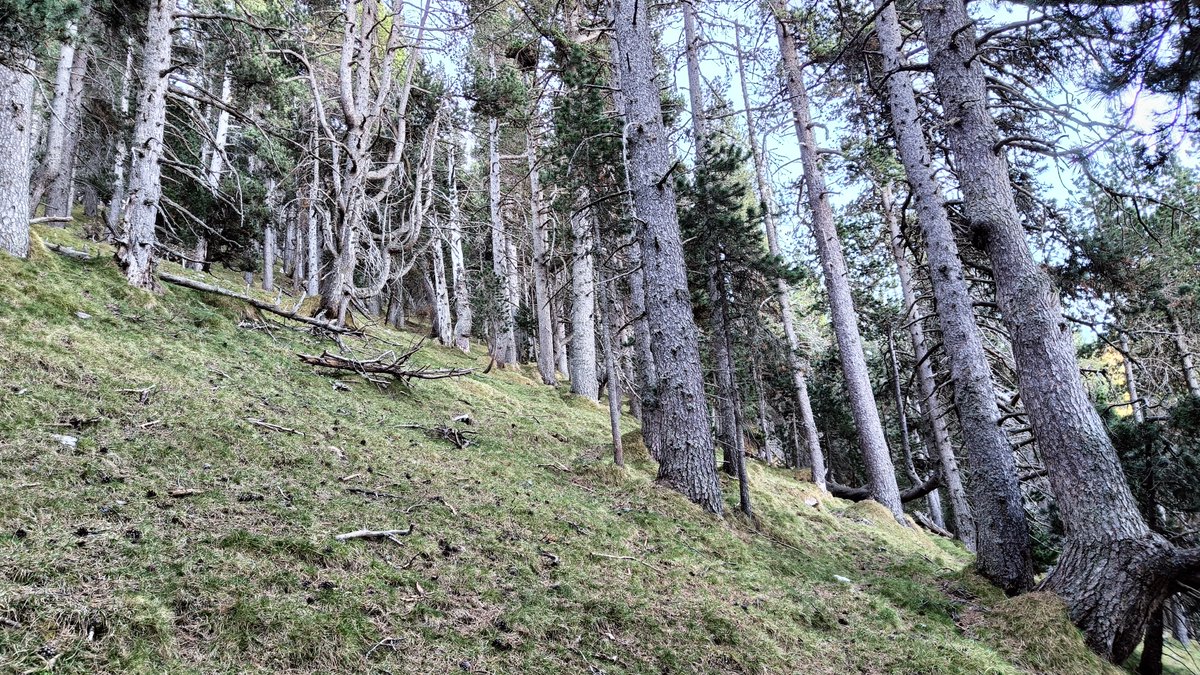
Estructures forestals de la Catalunya nord on encara dansen els galls fers i udolen els mussols pirinencs. Són fruits d'una gestió forestal eficient, consistent en no fer cap gestió durant dècades. Heterogeneïtat vertical i horitzontal, arbres decrèpits, clarianes, fusta morta,..
🦇 El cambio climático y la globalización han hecho más probable que nunca la transmisión de patógenos entre animales y humanos.
Dos #becariasFundlaCaixa nos explican cómo el enfoque 'One Health' puede ayudarnos a prevenir futuras pandemias. 👇
https://t.co/AJ3HNivHxx
Today we are discussing the results of the Life Tritó Montseny, a critically endangered amphibian endemic to Montseny Natural Park and Biosphere Reserve
@montseny@LifeTrito
🤝Hi participen @accioclimatica@territoricat, el @ZooBarcelona, @trenca_org, el Centre de Recuperació de Fauna dels Aiguamolls de l'Empordà, el nucli zoològic del Pont de Suert, el Centre de Fauna de Vallcalent, @WildCoM_bcn, entre moltes altres institucions i voluntaris.
New paper📣
The second paper of my PhD has been published in Ecological Indicators.
Our work helps improving field monitoring and welfare standards when PIT tagging urodeles🦎
@Wild_Cabezon@JEspunyes@AlmoroxPau@WildCoM_bcn
https://t.co/RfFzS4et81
Very happy to finally share our work on Amphibian Conservation and welfare in on-field practices in Ecological Indicators! @mp_ribas@WildCoM_bcn 🦎
https://t.co/E8Ke4629wv
Els amfibis 🐸🦎 són el grup d’animals més amenaçats del món per la quitridiomicosi, una malaltia causada per fongs. Aquesta ha estat directament relacionada amb el declivi de 501 espècies i l’extinció de 90, representant la pèrdua de biodiversitat més gran de la història.
Fil👇🏼
Ciència aquí (4/5) 🦎Anem a la UAB i al Parc Natural del Cadí-Moixeró perquè la Maria ens expliqui com estudien l’impacte del fong quitridi sobre el tritó del Pirineu (Calotriton asper). Amb el suport de la @fundaciorecerca.
https://t.co/phr3My7YVY