Assistant Professor of Economic Inequality and Societies @University of Toronto’s Munk School of Global Affairs and Public Policy. African citizen of 🇹🇬.
🧵1/ Our first meta-science paper (with 350+ coauthors) is published today in Nature. It presents one of the largest-ever reproducibility projects in economics & political science.
Here’s what we found 👇
🔴@mpblimpo, Assistant Professor at the @UofT, notes that electricity is a key enabler of productivity and growth, stressing the need to prioritize investments that support broad and sustainable use.
May want to account for the differences in GDP rebasing too - I observed the same gaps in West Africa a couple of years back but it turned out it was largely driven by rebasing and the timing of rebasing. I am sure the gaps will remain but likely not that big.
(GDP ratios in last graph are fairly constant. So while the gaps between these countries are real, and big, divergence looks like mostly an exchange rate phenomenon.)
Irrespective of the circumstances, nothing can stop the one who is determined to rise.
Listen to Prof. @lwantchekon’s speech after receiving the Global Economy Prize 2023.
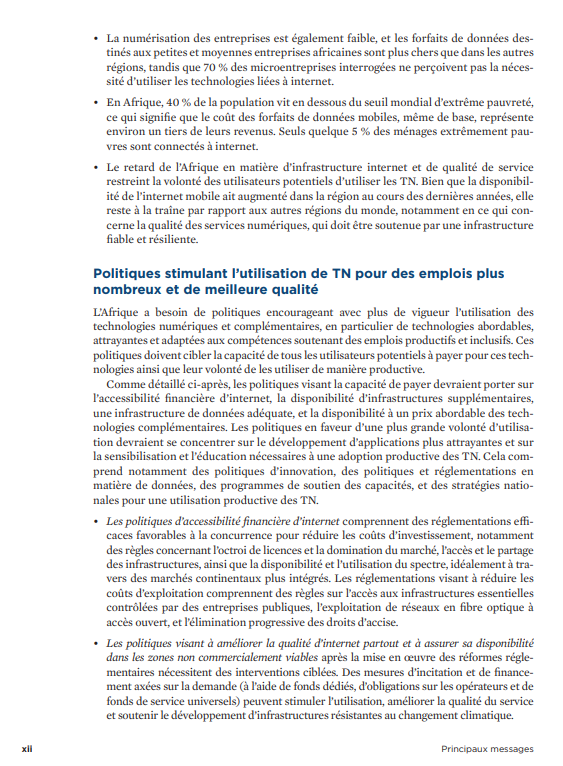
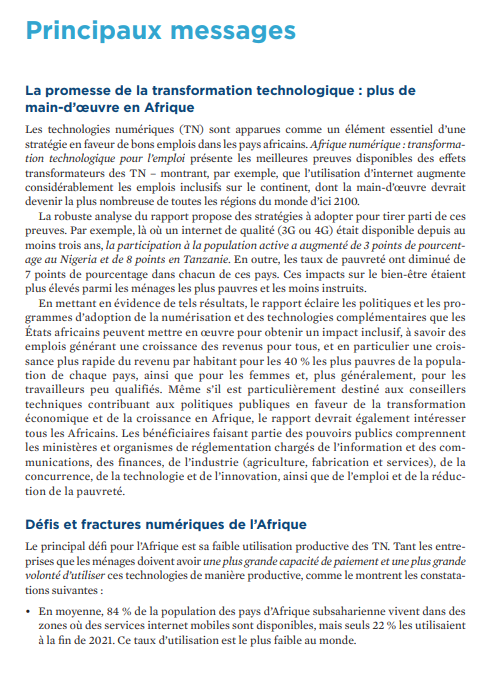
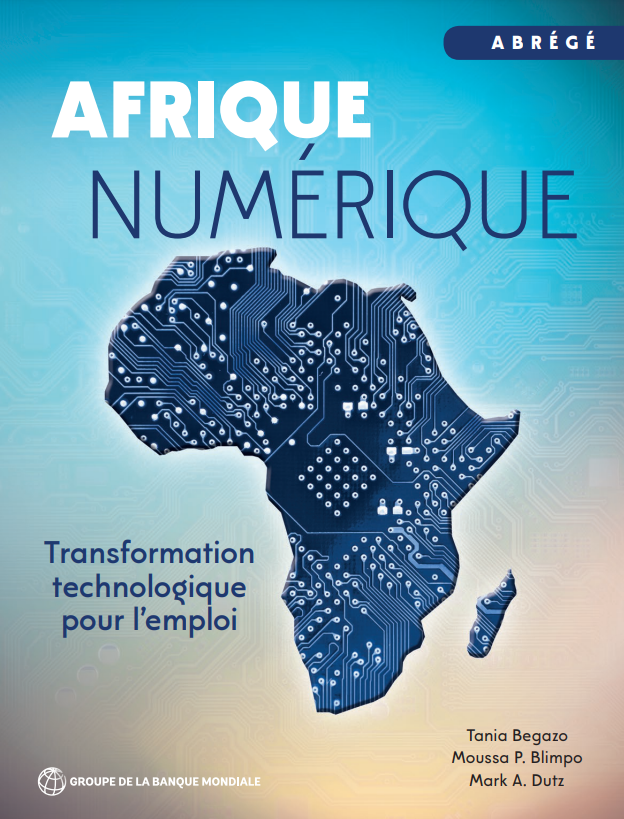
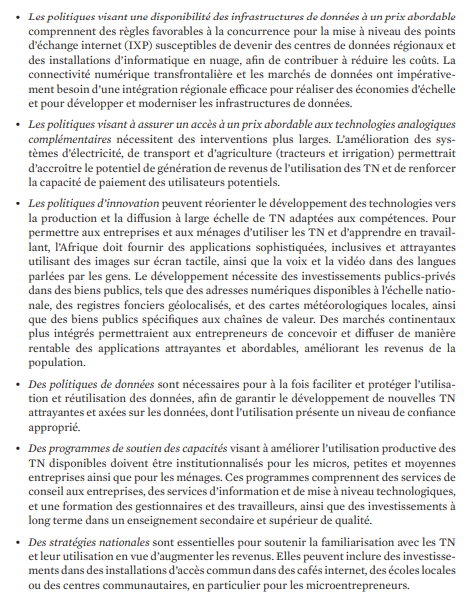
NOUVEAU RAPPORT! Découvrez comment les entreprises africaines pourraient augmenter leur productivité 📈 grâce à l’usage des technologies numériques: https://t.co/3PPFFMCAyt
#Digital4All 📲
#FrenchLanguageDay
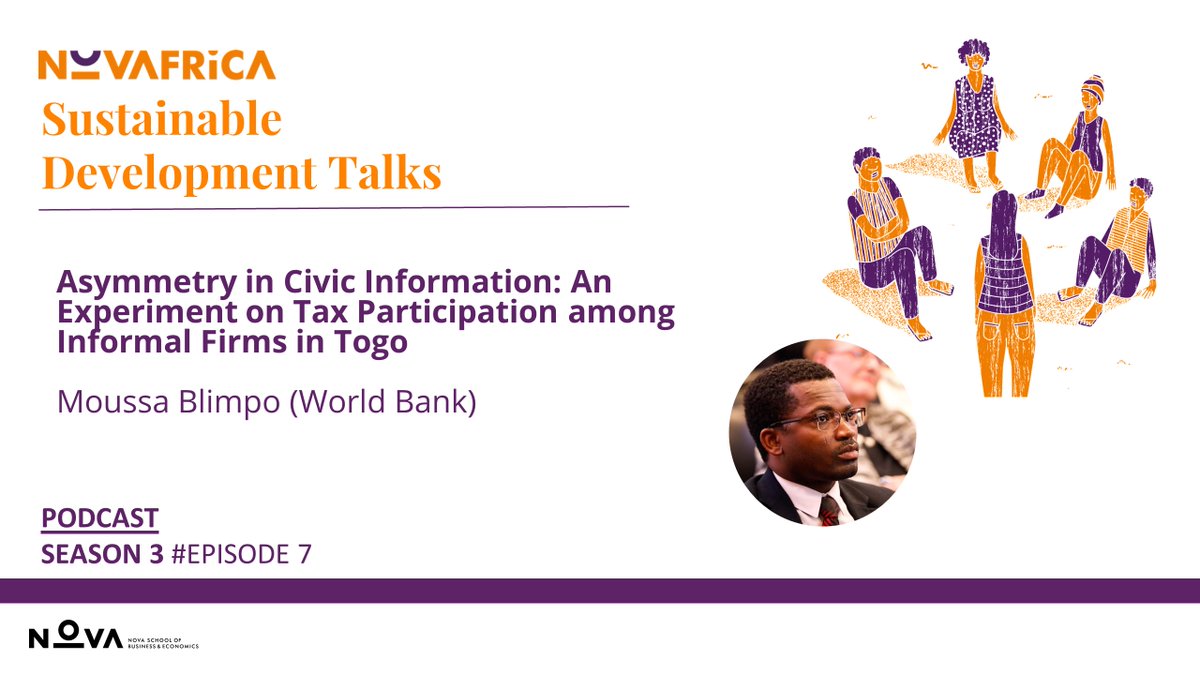
Aujourd’hui nous avons été ravi d’avoir accueilli @mpblimpo de la @munkschool qui nous a présenté son papier «Asymmetry in Civic Information: An Experiment on Tax Participation among Small and Informal Firms in Togo» https://t.co/z6xy24QPu3
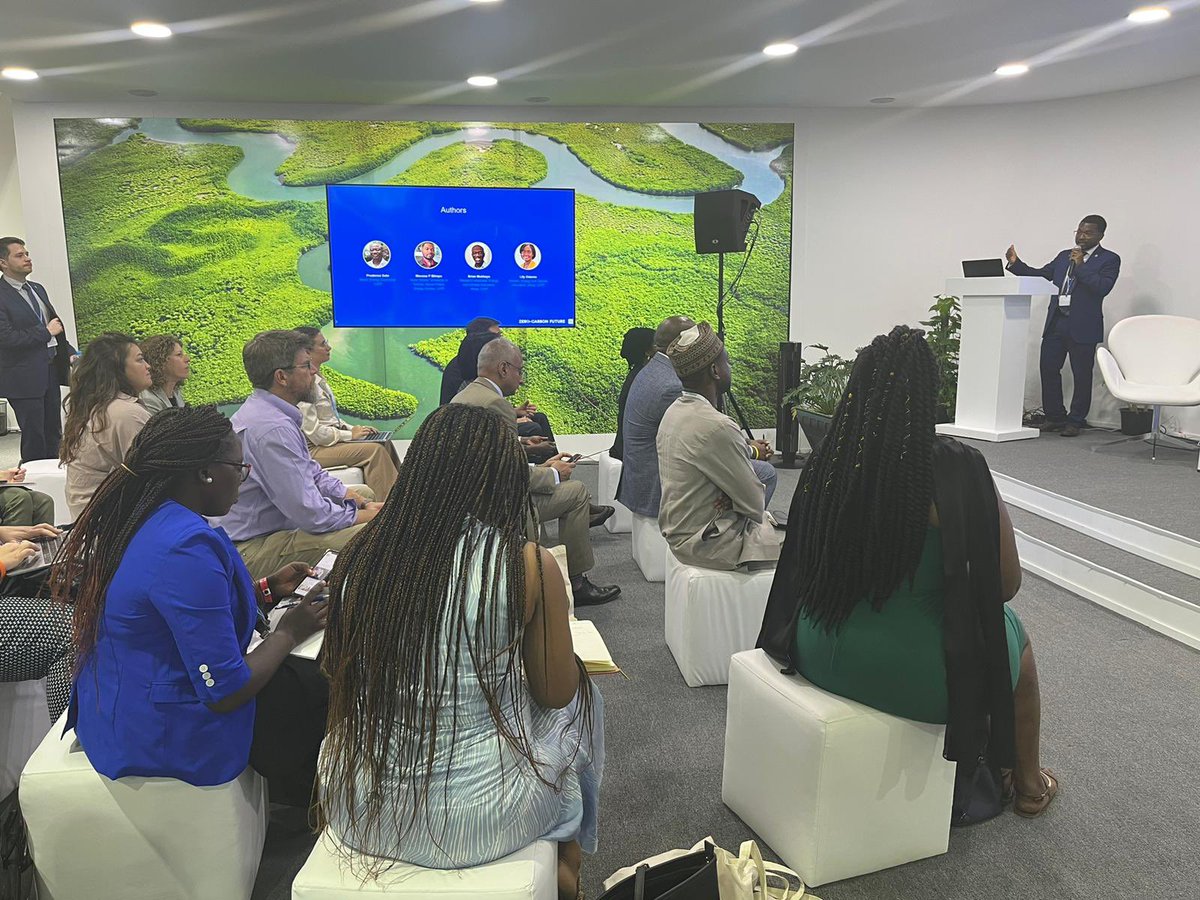
CATF Senior Fellow and Assistant Professor at @munkschool, @mpblimpo: “The issue is we have two urgencies that are often analyzed separately: Development and Climate Change. Unless you bring them under the same roof there will be inherent contradictions.” #ZeroCarbonFuture#COP27
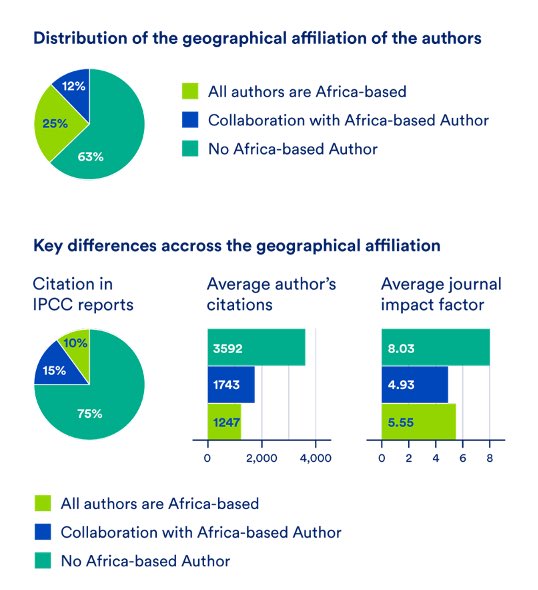
“Nearly two thirds of the intellectual scholarship on Africa’s energy future is produced by academics outside Africa.” — @mpblimpo#ZeroCarbonFuture#COP27
“The issue is we have two urgencies that are often analyzed separately: Development and Climate Change. Unless you bring them under the same roof, there will be inherent contradictions,” @mpblimpo said.
Watch the full video here: https://t.co/3bZAkfsTv7
“Counting the number of households that gained some form of access to modern energy from one year to the next has become an end in itself,” writes @mpblimpo. It’s time to reimagine energy access as a means to economic growth and development. https://t.co/TaHZAtyovV
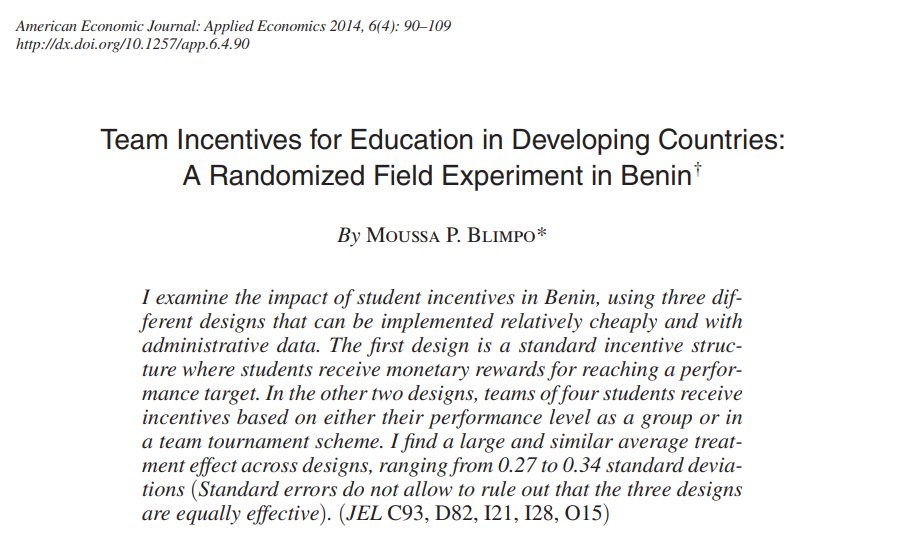
"Team Incentives for Education in Developing Countries: A Randomized Field Experiment in Benin" https://t.co/XYtKSAbmSF @MpBlimpo on student incentives for test performance #ThrowbackThursday
How does energy fit in the broader development agenda?
@mpblimpo outlines what a collaborative pragmatic approach to solving energy problems can look like from his experiences at @WorldBankAfrica.
Listen to his #HighEnergyPlanet episode out now:
https://t.co/P5EJ3PZe4U
I'm very pleased to announce that we will welcome two new colleagues next year at @munkschool after our search in economic inequality and society. @LauraGarciaMo (PhD @NorthwesternU) and Moussa Blimpo (PhD @nyuniversity) will join is in July 2022. We can’t wait for their arrival.
My article just published -- Adam Smith's foundational theory of economic development led him to be a fierce critic of European conquest, slavery, and colonialism
https://t.co/NplTBntbsW
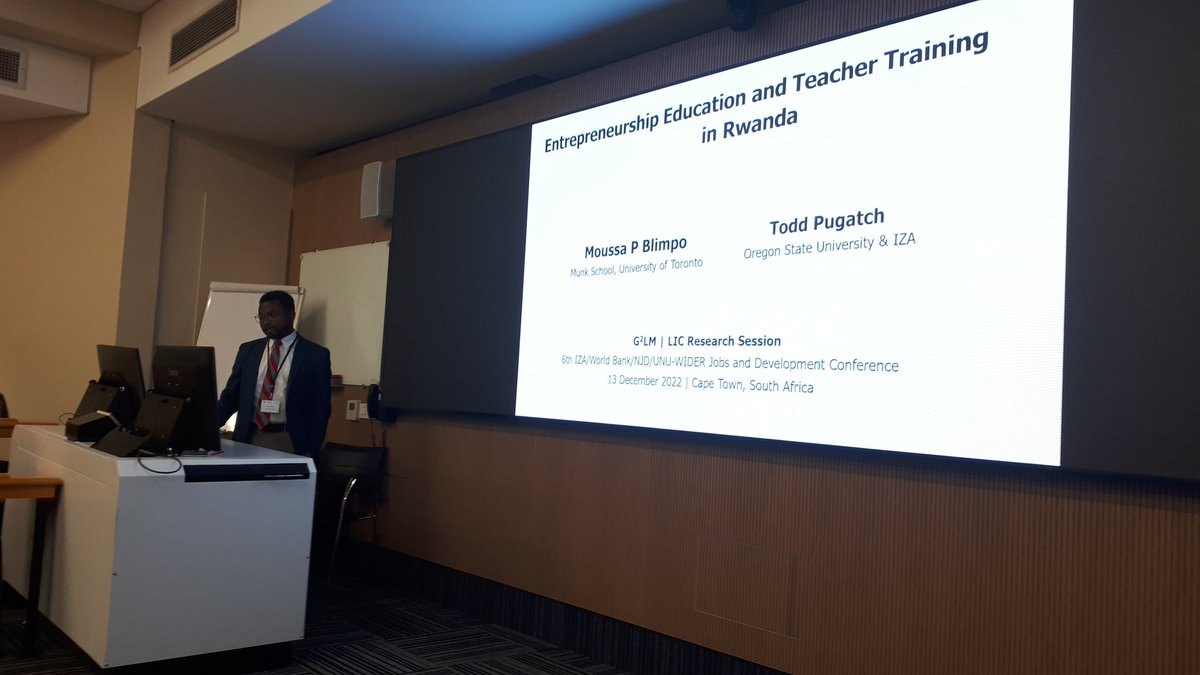
A teacher training program in Rwanda designed to complement a new entrepreneurship curriculum in secondary schools did not improve student test scores, although it did boost student participation in school business clubs. Published: https://t.co/hhzXVb2fcT
by @mpblimpo & Pugatch
*NEW WP* Entrepreneurship Education and Teacher Training in Rwanda
✍️ Moussa P. Blimpo & Todd Pugatch
@WorldBank@OSU_SPP
https://t.co/T3K3CCkA3j
Watch a presentation of the paper here: https://t.co/mbIfJOBKux