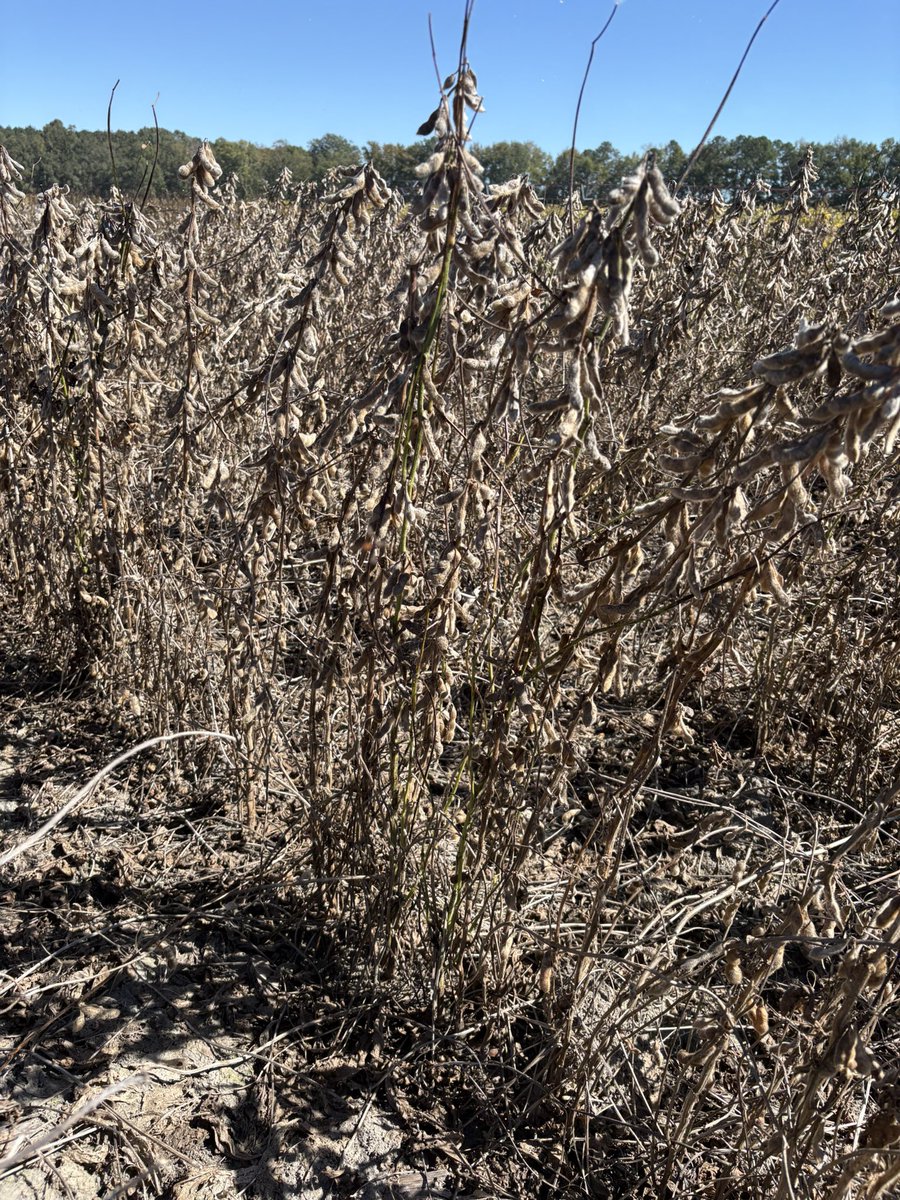
Weather this year has been all over the place. Drought early then a late-May flood and back to dry conditions again. Planting date had a significant impact on crop conditions in both corn and soybean in SC. Seeing lots of green stem depending on variety in irrigated MG 4 beans.
We’ve received many questions regarding soybean quality as harvest progresses. Check out our latest blog to see what we’re hearing and what it might mean for you at the elevator: https://t.co/rnLQDycJE6 #SoyCheckoff#Harvest26
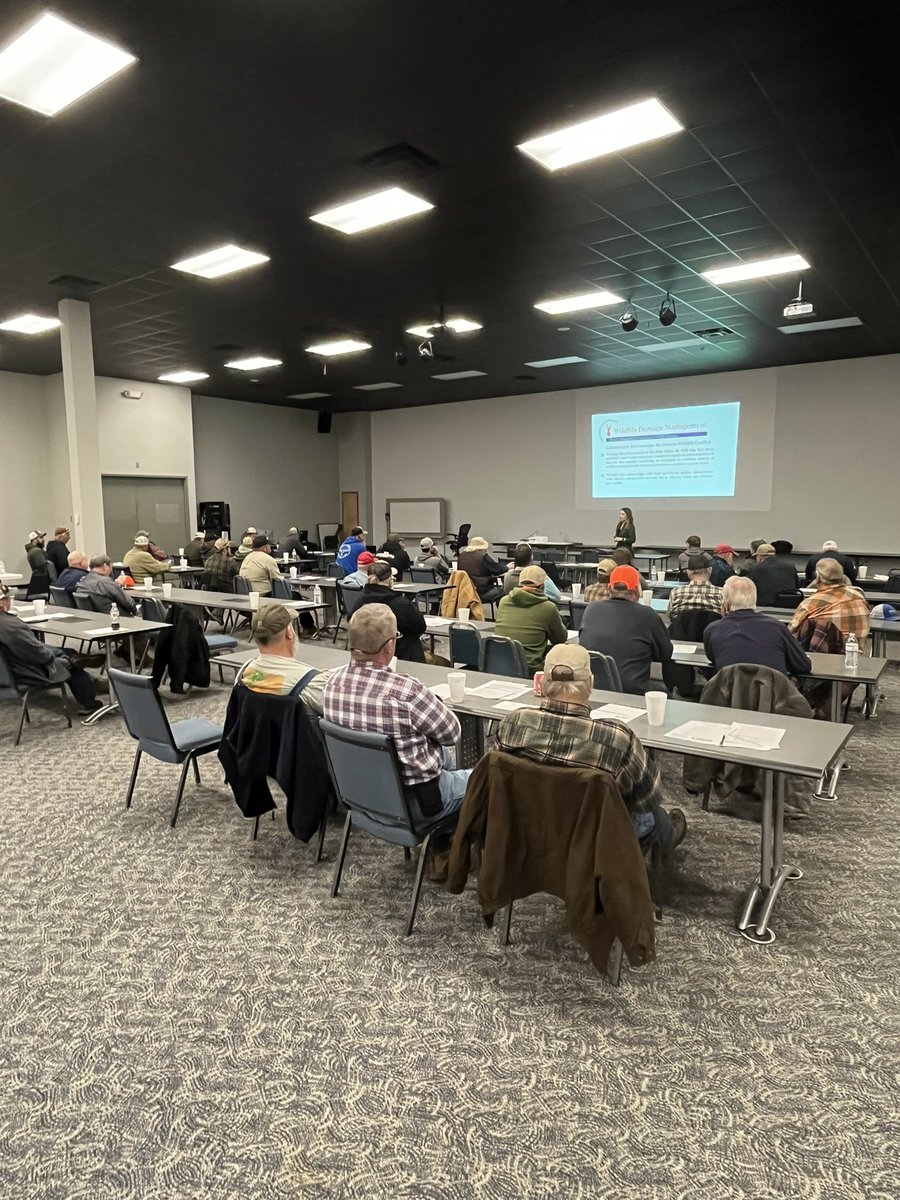
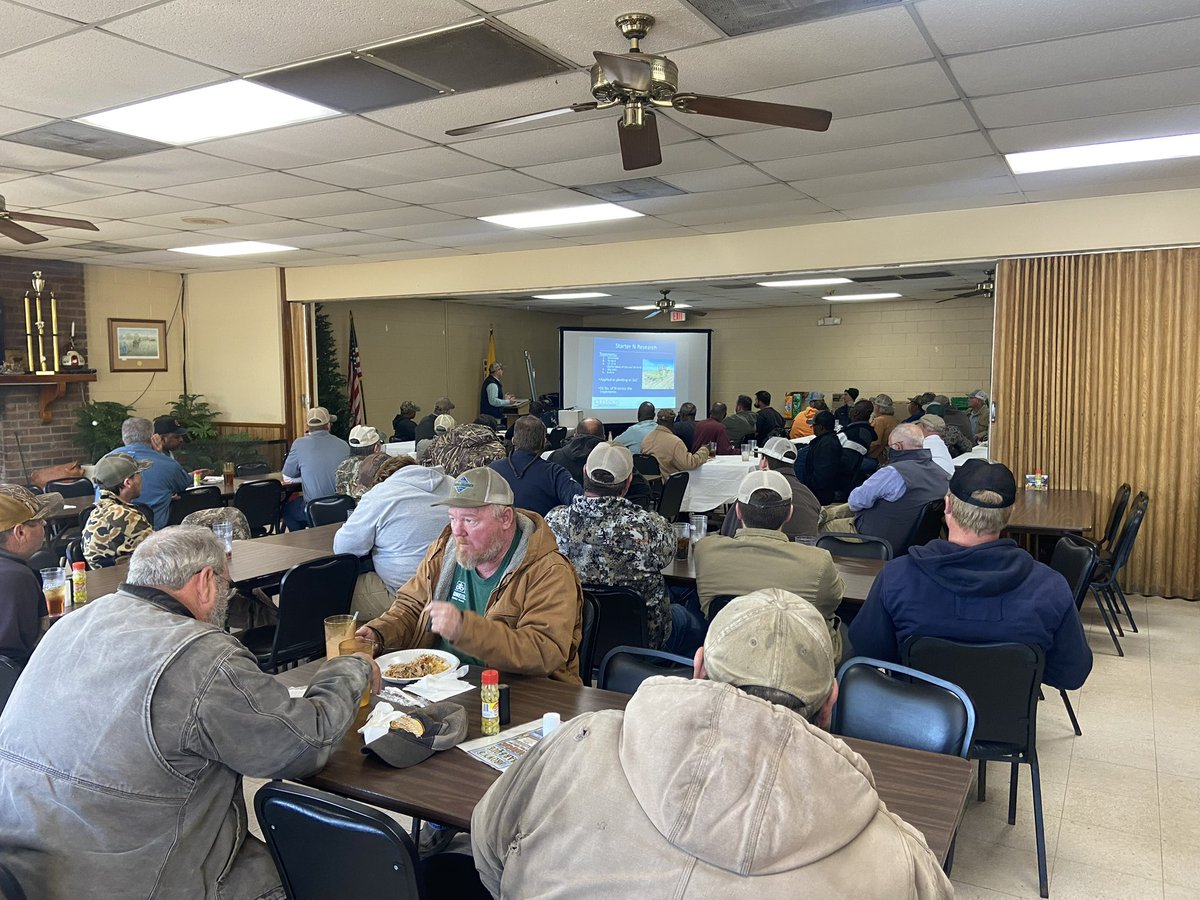
Starting county meeting season off this week! Excellent meetings in Anderson and Kingstree, SC. Next week Lydia and Allendale. Find a meeting near you! https://t.co/1kTNmvyj1G. #corn#soybean#plant26
⚠️New management guide alert ⚠️
This new CFTM guide walks through each soybean stage—from emergence to maturity—highlighting major risks and offering research-based, stage-specific management strategies.
🔗 https://t.co/tLtb0N2ts3
The @cropforageturf journal has released a new special collection of papers on strategic planting decisions for #soybean success! You can find #ScienceForSuccess authors on almost every paper included! Learn more at: https://t.co/HgyMIqQS4K
@MPlumblee led @ClemsonCAFLS#SoyResearch to develop best practices for ultra-late soybean production following corn, with South Carolina Soybean Board support. Variety selection, logistics and nematode management contribute to system success. #USSoy https://t.co/MAtRyKENig
🌪️ Hurricane Helene’s winds & rain (Sept 26, 2024) caused widespread soybean damage across the eastern U.S.
Lodging, green stem, pod shatter, sprouting & seed damage were reported.
Learn more about its effects in this newly published brief report🔗 https://t.co/dDnkxeV9mQ
Corn agronomists from across the United States gathered for a summer meeting and planning workshop for the newly established Corn Outreach & Research Network. CORN is a collaborative, multi-state partnership of university Extension specialists, agronomists and researchers.
We are so excited to kick off our 2025 #ScienceForSuccess Graduate Student Tour in the Research Triangle! Over the next few days these students will interact with #AgTech companies, explore #soybean production in NC, and connect with farmers leveraging new tech on their farms!
#Corn kernels near the tip often fail. Ears prioritize their lower portion and set kernels by 20 days after tassel.
Thus, kernels often abort when energy is limiting. Reasons may include:
🌽Saturated soil
✔️Cloudy days
🌽Nutrient deficiencies
✔️Genetics
🌽Variable growth
We kicked off the final day of the 2025 #BetterTogetherInitiative meeting with a workshop on improving our scientific writing! Representatives from the #SoybeanCheckoff and collaborative outreach groups gathered this week to enhance how we deliver information to stakeholders.
@markawellons @NCStatesoybeans Finding a cheaper source of product, reducing rate, or only spreading field edges/turn rows would help make a more economical option.
@markawellons @NCStatesoybeans It will not be economical buying in small bags, a bulk source of a composted waste product similar to this would be needed. Some growers in SC have had success with this treatment in the past with rates ranging 200-1000lbs per acre. A ballpark cost at high rate could be $75/ac.
Harvest aid applied at soybean growth stage R7 rarely impacted seed, protein, or oil yield @SoybeanScience1 collaborative research funded by @UnitedSoy @WISoyCheckoff and other state QSSB's | Agronomy Journal https://t.co/tOOpWjIS1C
A large portion of our corn crop is at tassel or quickly approaching. Time well spent walking fields to look for foliar disease especially fields with corn following corn when considering fungicide app and timing. We saw a lot of grey leaf spot in 2024 in irrigated corn.
“Understanding soybean water use is essential for effective irrigation management,” says @MPlumblee. Learn more in this factsheet on soybean water usage: https://t.co/xS0AkOiHW3