Extension/Research Professor and Plant Pathologist with Mississippi State University at the DREC - corn, cotton, grain sorghum, rice, soybean, and wheat
Great morning at Stoneville with the Delta Region ANR agents. MSU Extension row crop specialists provided an in-season update on current crop conditions, production challenges, and management recommendations across Mississippi’s row crops.
Why is our corn short? A common cultural factor affecting height is planting date.
Early-plantings develop when days are cooler and shorter, reducing height. Freeze damage also contributed.
If your leaf canopy intercepts 90% of light, yield should not be not be reduced. 🌽
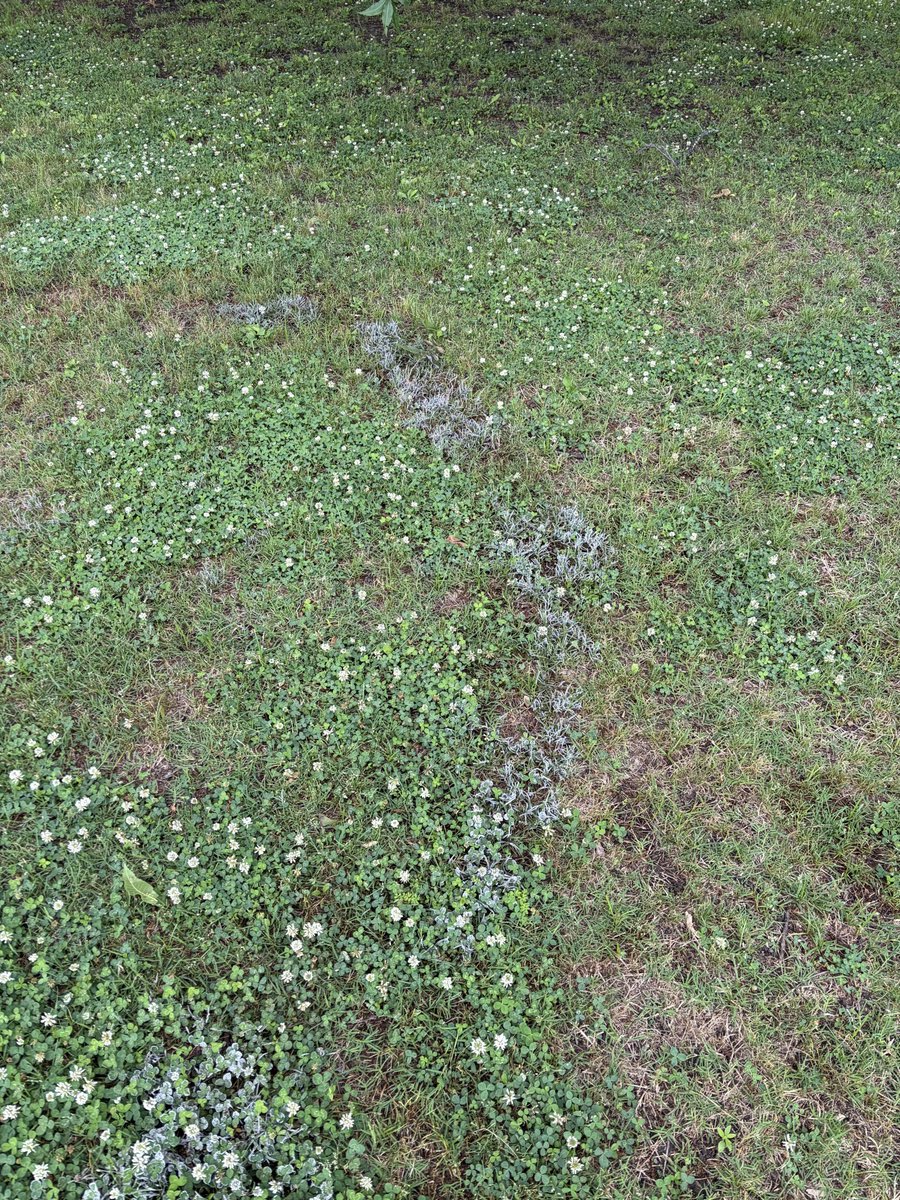
We’ve been getting some calls lately about this gray, granular fungal growth on peanuts and even some young cotton. This is a “slime” mold, though it isn’t slimy. It is here now because of weather, and it is harmless. UGA Extension
We’ve been getting some calls lately about this gray, granular fungal growth on peanuts and even some young cotton. This is a “slime” mold, though it isn’t slimy. It is here now because of weather, and it is harmless. UGA Extension
Y-dropping is a great alternative method to apply liquid N fertilizer. You can apply until nearly tassel, cover acreage fast and reduce tire footprint compared to side-dressing.
You can also apply more N compared to top-dressing granular fert, since there is no leaf burn.🌽
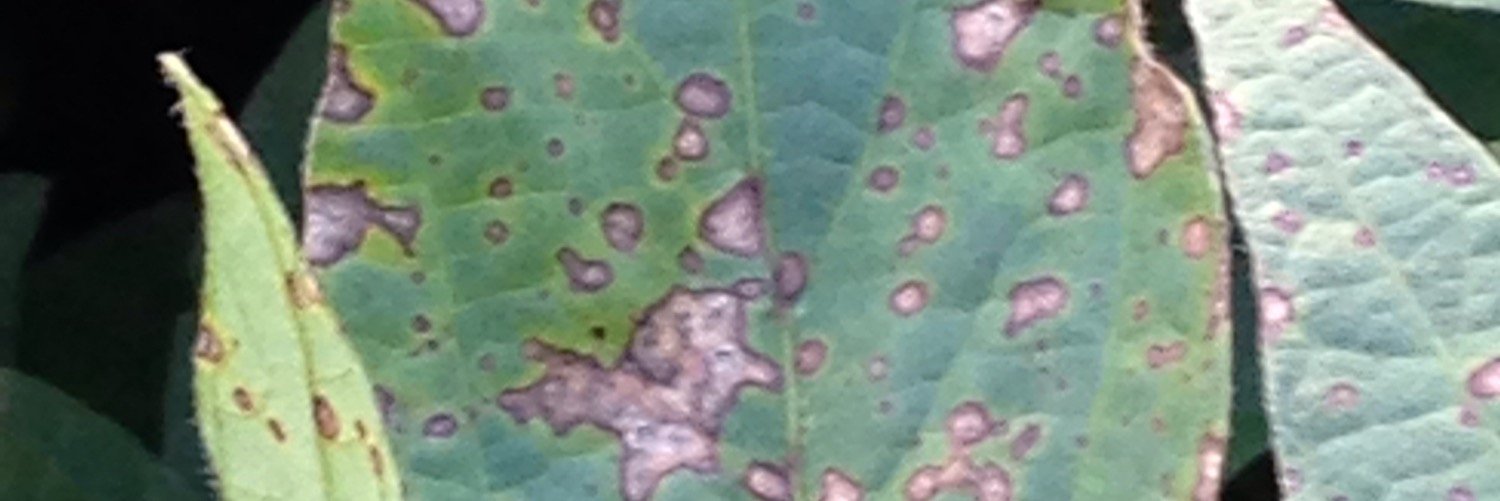
One of the things we don’t talk about enough…..Xylaria necrophora, the causal organism of taproot decline, can also be a seedling disease-causing organism @MSSOY#mscrops
In general, chemical nematicides move more readily in coarse-textured soils than fine-textured soils, assuming adequate water infiltration.
As a result, chemical nematicides often have a larger zone of root protection in coarse-textured soils than in fine-textured soils such as silts and clays.
Moreover, the zone of protection is more vertical like a “chimney” to protect the developing taproot rather than horizontal to protect lateral roots.
Therefore, seed-applied nematicides typically work better in strongly tap-rooted crops such as cotton and soybean compared to fibrous root systems like corn.
Read more in "How Seed-Applied Nematicides Work" at https://t.co/Wix4v46A5E.
From @travisfaske@MartinChilvers1@badgercropdoc@CFAES_OSU & @CUESNews. Funded by @CottonInc.
@UFcropnematodes@UFEntNem@UCDavisEntomolo@NematodeGuy #cotton #soybean #nematodes
Rhizoctonia infection in cotton can cause seed rot and damping-off with sunken lesions on the hypocotyl (often referred to as sore shin).
Rhizoctonia is commonly found in cotton soils and can occur with other seedling pathogens, forming the “cotton seedling disease complex.”
Management for Rhizoctonia include planting high-quality seed in well-drained soils and using seed treatment fungicides. Certain fungicide products applied in the seed furrow at planting can reduce disease caused by Rhizoctonia.
@travisfaske@ppp_trey@baldpathologist@SpurlockLab #cotton #grow26
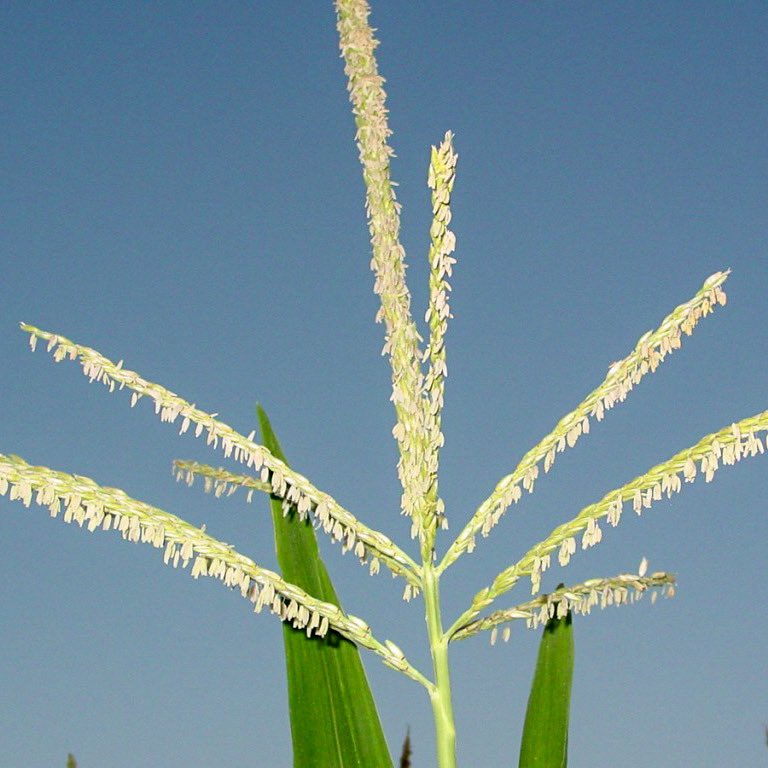
Despite rain coinciding with tasseling, you can still fully benefit from urea applied later. Sustaining N through grain fill is not reliant on pre-tassel timing.
Soil does need to be dry to allow incorporation.
Also, fertilizer will not hamper pollination.
🌽#mscorn#MSUext
@Agronomy_Guy@MississippiCorn Nope. No temp reductions, no stalk strength, no “plant health”, those things are not responses from fungicides in unbiased data sets…..but that’s the key word, “unbiased”
Once again, and for the second time this week, fungicides should be used to prevent losses from disease. All the other “talk” about fungicides is just static @MississippiCorn#mscrops
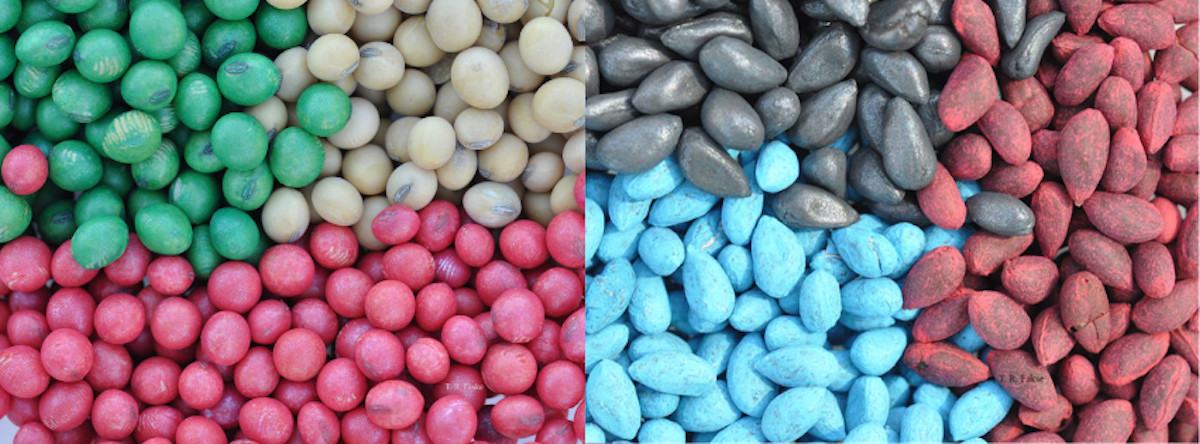
“These results demonstrate that seed-applied nematicides provide minimal yield protection under high [root-knot nematode] population densities, whereas host plant resistance remains the most effective and reliable management strategy in soybean production.”
From @PlantDiseaseJ article https://t.co/WxmpcLfhiC by @BigBaker63@travisfaske +more
@AR_Extension@ArkAgResearch@arkansassoybean@TheSCNCoalition #soybean #USSoy










![CropNetwork's tweet photo. “These results demonstrate that seed-applied nematicides provide minimal yield protection under high [root-knot nematode] population densities, whereas host plant resistance remains the most effective and reliable management strategy in soybean production.”
From @PlantDiseaseJ article https://t.co/WxmpcLfhiC by @BigBaker63 @travisfaske +more
@AR_Extension @ArkAgResearch @arkansassoybean @TheSCNCoalition #soybean #USSoy](https://pbs.twimg.com/media/HI8HqskW4AECBwI.jpg)


