Environmental conditions, especially during planting and right after, strongly influence seedling disease and root rot prevalence.
- Cool soils (like we've had)
- Excess moisture
- Temperature swings (check, check)
- Compaction
What management options should you consider to keep these diseases in check? 👇
Read more in issue 06 of the Crop and Pest Report https://t.co/z4kYTsx44G
Who will win? It's a battle for the ages root rots vs. #wheat and #barley. What can farmers look for when scouting fields early in the season? Read more about this matchup in depth in Crop and Pest Report #6 https://t.co/z4kYTswwf8 #agriculture#plantdiseases#CropProtection@NDSUcerealpath
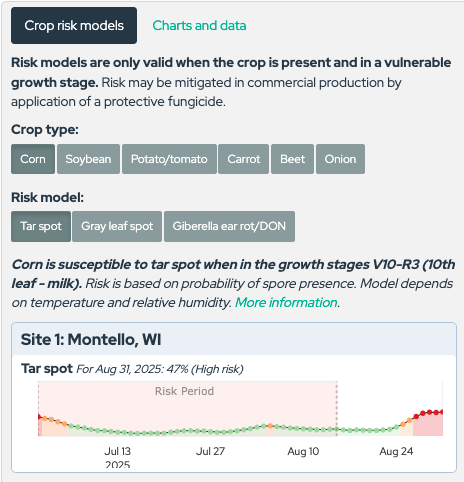
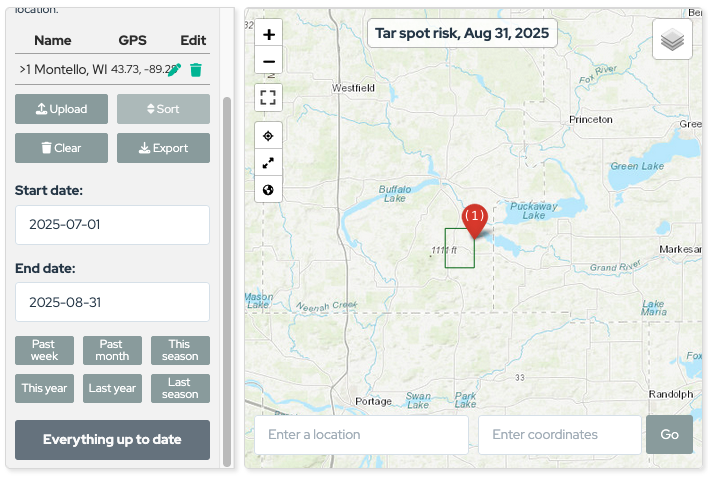
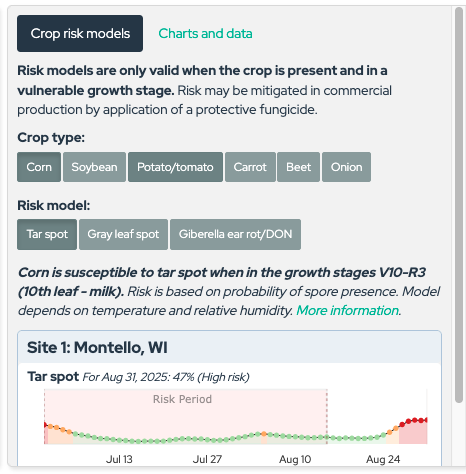
Hot off the press‼️New predictive models for Frogeye Leaf Spot of soybeans developed by @Jgonzacu and lots of great collaborators. These models have also been integrated on the Crop Protection Networks Crop Risk Tool. Check them out before this season!
https://t.co/9LhjYTq4xJ
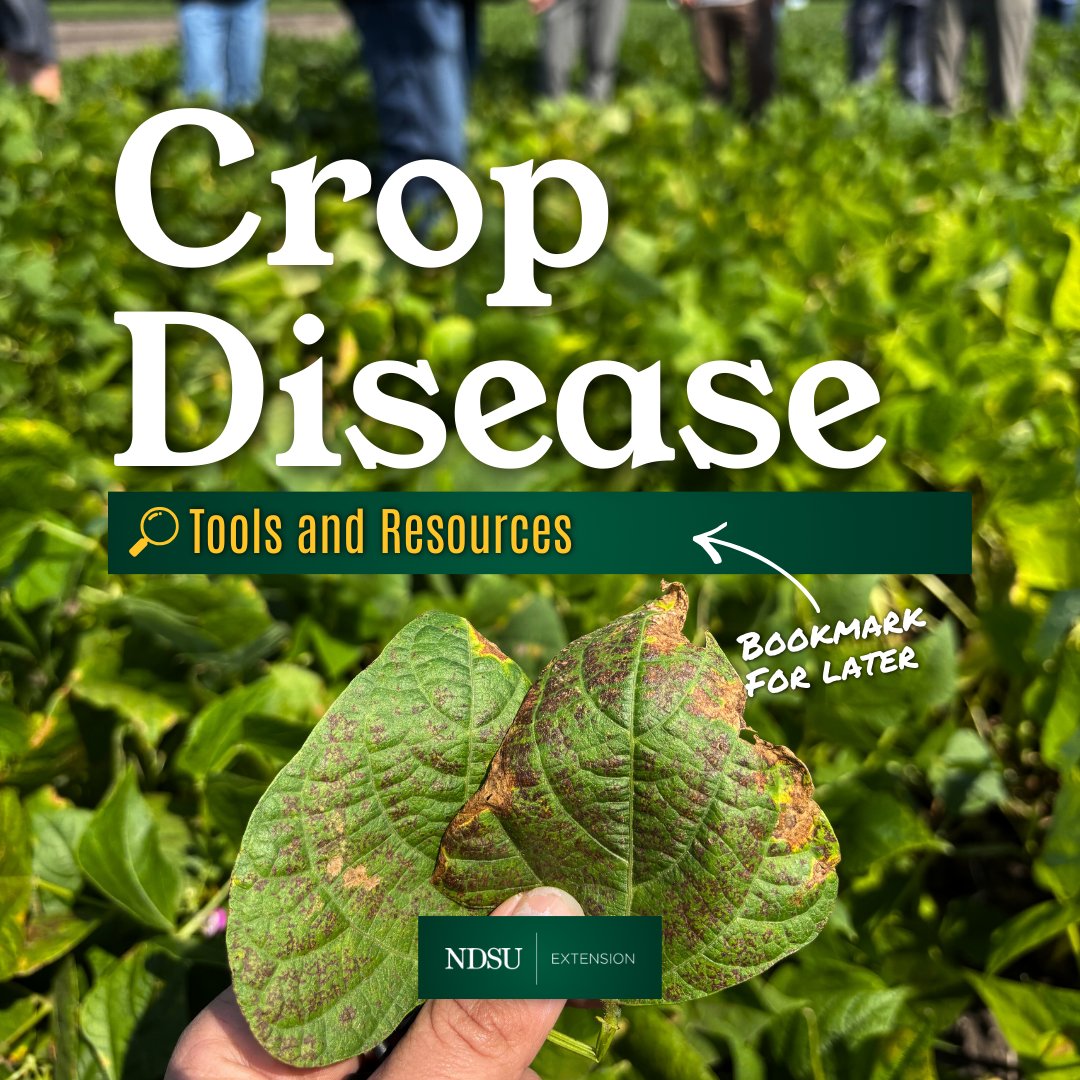
Some of the best tools and resources our NDSU Extension Plant Pathology team thinks you should know about 👇
⚙️Tools
Yield Loss Calculators https://t.co/M03yOeHg7o
Fungicide Efficacy Tool https://t.co/4GWQtKoTER
ROI Calculators https://t.co/DxqsWyhQOP
Crop Disease Forecasting https://t.co/LfSIWQSiV0
SCN Profit Checker https://t.co/C0gQPRwhIg
Cercospora Leaf Spot Infection Risk https://t.co/meBvrcCGzT
📽️360-video to Explore
Common Bean Rust of Dry Beans https://t.co/HFoMA8yYaJ
Common Bacterial Blight of Dry Beans https://t.co/1vUzJBK3d3
Sunflower Rust https://t.co/CqZhR7IrCN
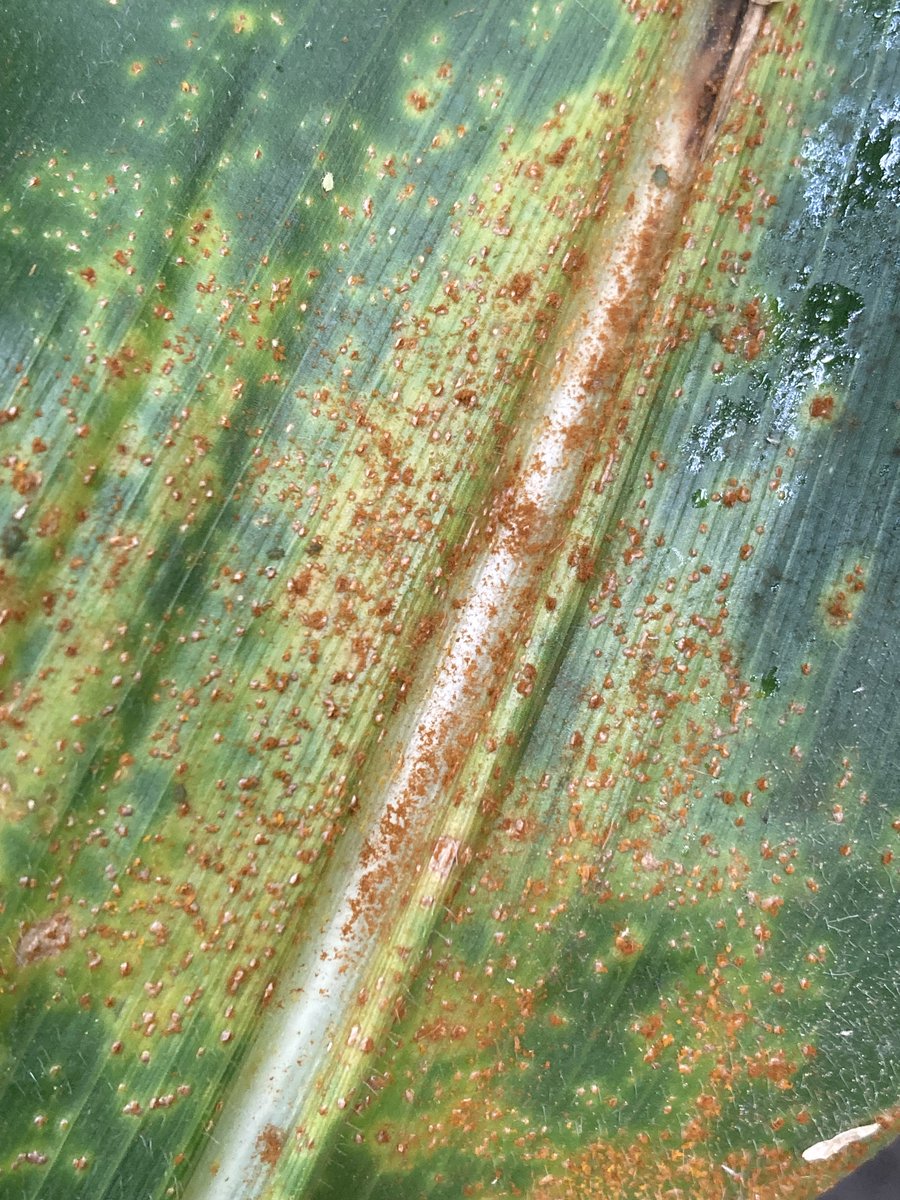
Small Grains and Corn Diseases https://t.co/syyYzxcyiK
📰Reports and Guides
Soybean Pathology Field Research Reports https://t.co/UTn75YzhuK
Sugarbeet Production Guide https://t.co/nvBMcOxw8q
@BisonBeanDoc@NDSUcerealpath
“Accurate identification of crop disorders and pests is one of the most important skills for making crop management decisions. This program provides hands-on experience that will help crop scouts and other agricultural professionals confidently diagnose crop issues.”
Register https://t.co/ZEpMevzpT1
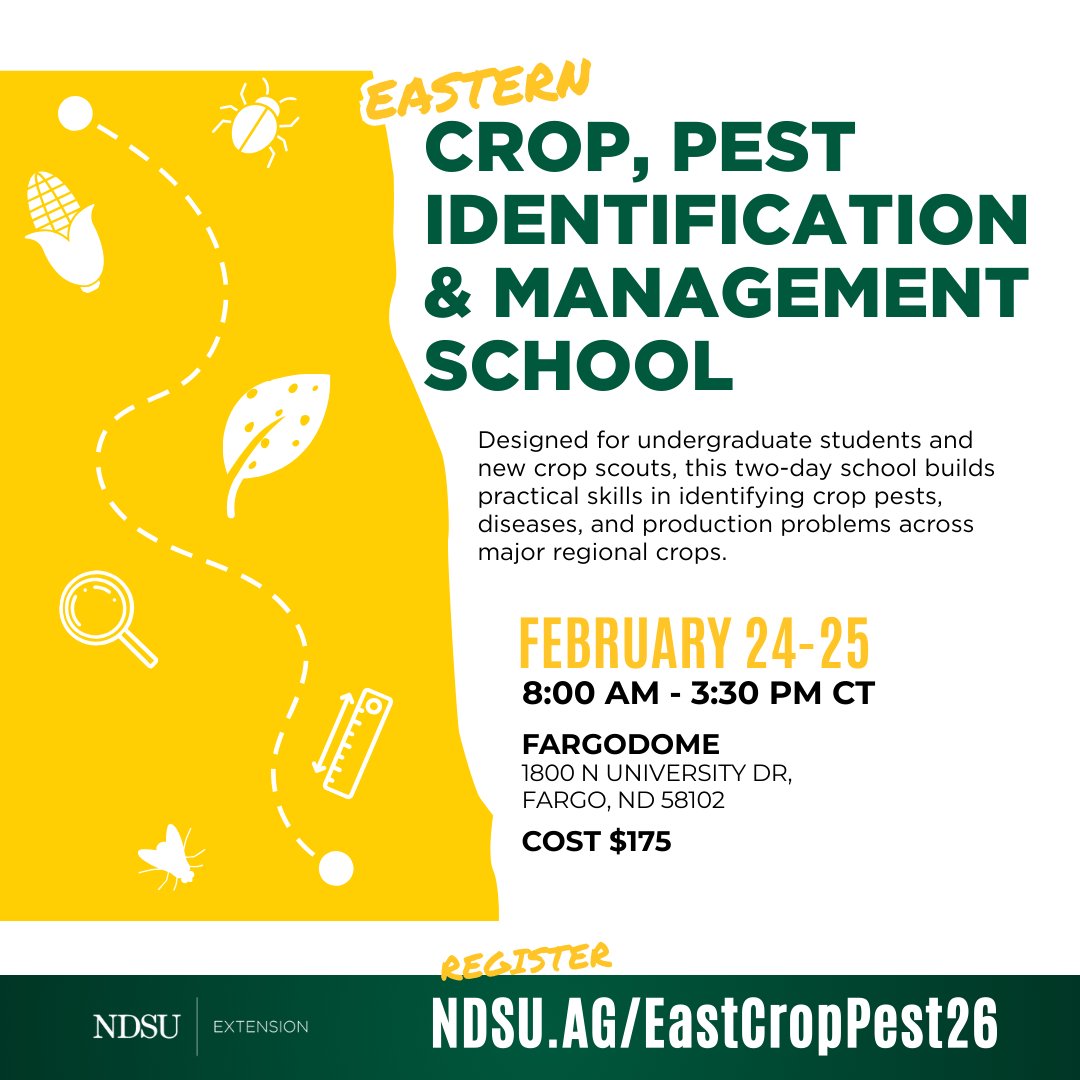
Build your field-scouting skills at the 2026 Eastern Crop, Pest Identification, and Management School 🌱
Hands-on training in pest, disease & herbicide injury ID for students and early-career crop scouts.
Register >>> https://t.co/dTbgDOIin5
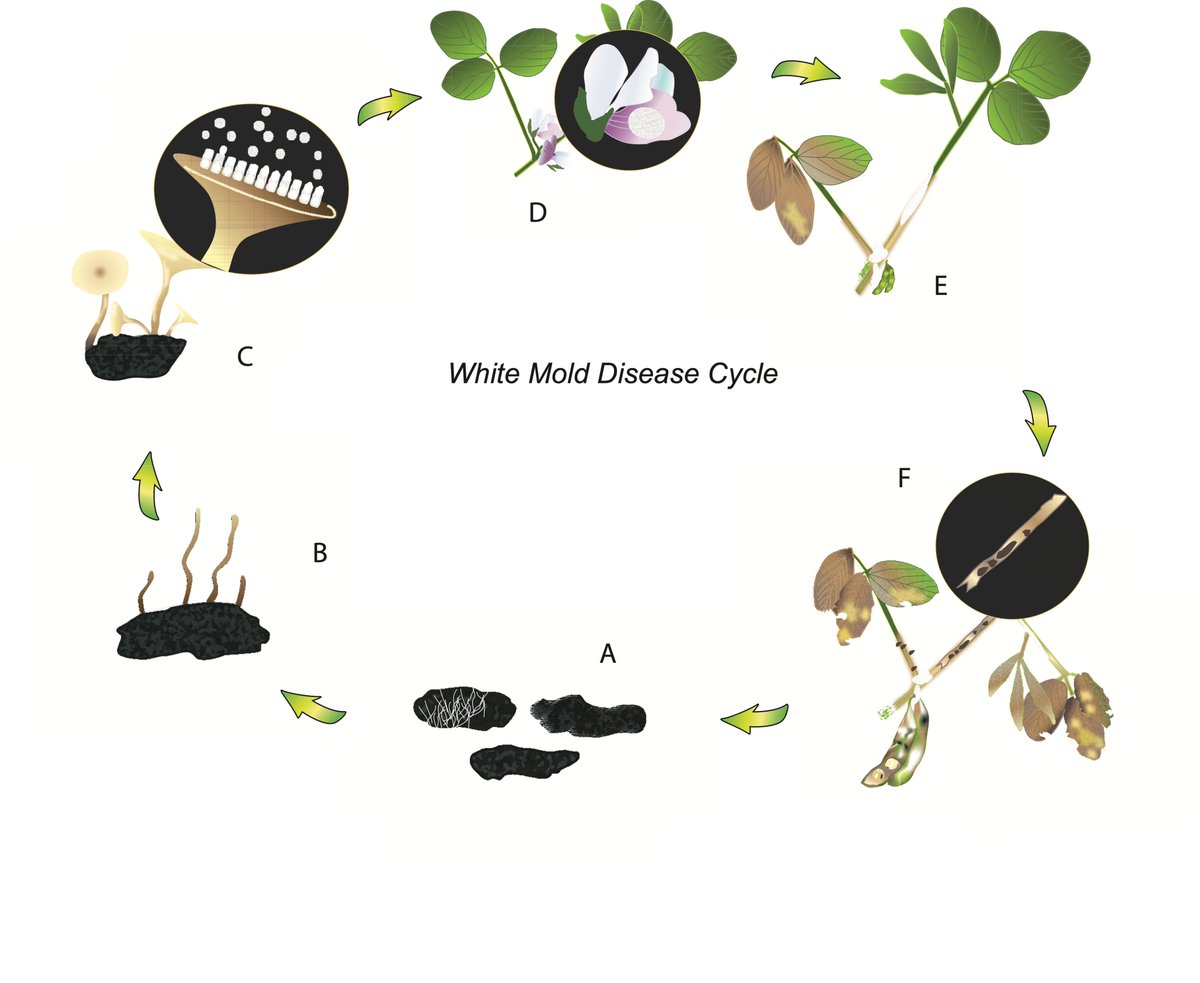
“The pesticide programs with the highest probability of being profitable for white mold management were Cobra at R1, Cobra at V4/V5, Endura at R3, and Delaro Complete at R3 across varying levels of [disease].... Although the average yield increase associated with Cobra in the meta-analysis was relatively modest, its lower cost and moderate white mold control resulted in a high likelihood of positive net return.”
From the updated publication "Pesticide Impact on White Mold and Soybean Yield" at https://t.co/S5EEb3hF3a by @hoperbecton@MartinChilvers1@dsmuelle@badgercropdoc@DTelenko@BisonBeanDoc +more
@SoyResearchInfo@WISoyCheckoff@MichiganSoybean@IowaSoybeans@INSoybean@NDSUExtension@NDAgExpStation@ILSoybean #soybeans #USSoy
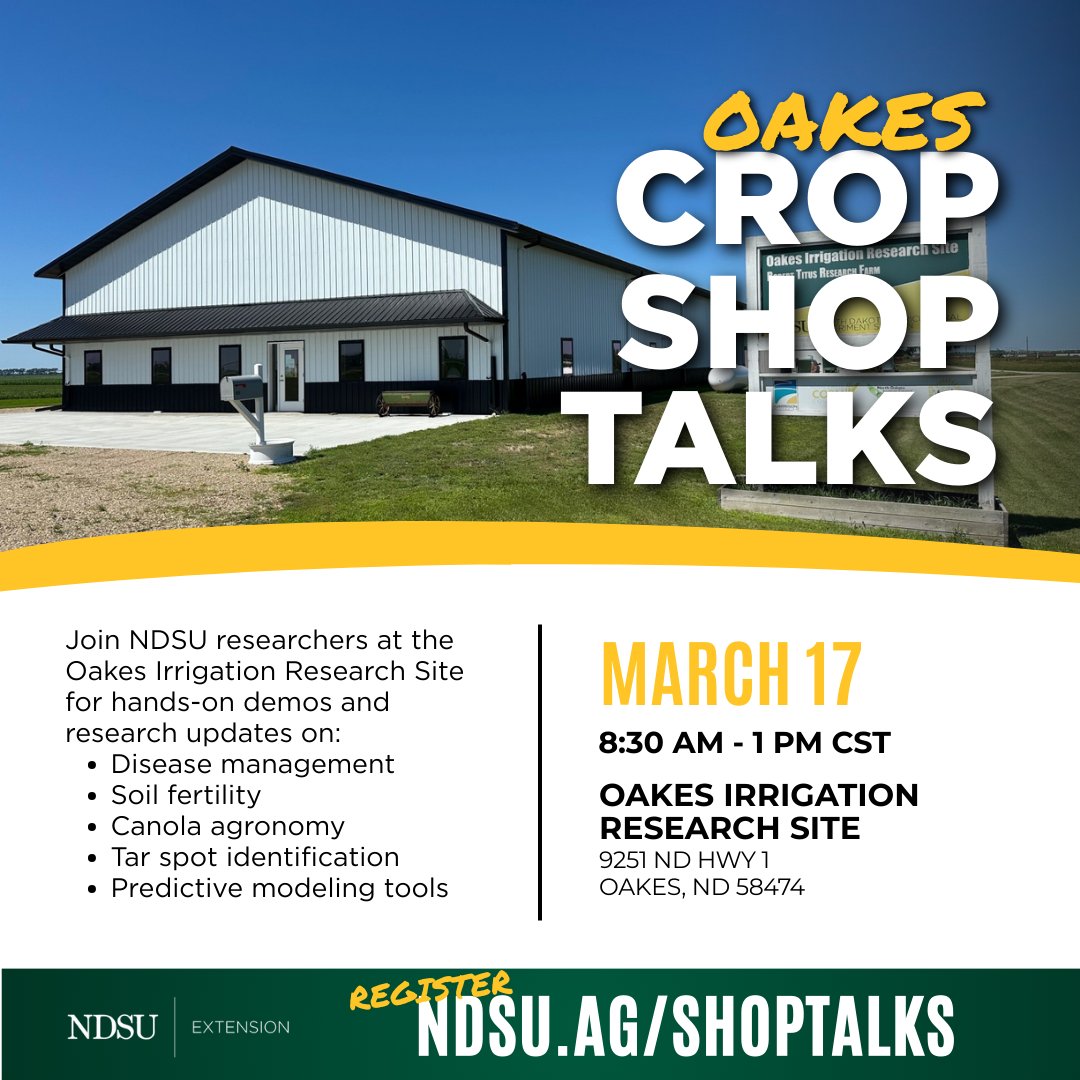
Oakes Crop Shop Talks will highlight NDSU research and Extension work at the Oakes Irrigation Research Site, featuring demonstrations on disease management, soil fertility, canola agronomy, and decision support tools for white mold and tar spot of corn.
Detailed agenda and registration >>>https://t.co/pEKgmzNAkX
#Plant26 is approaching soon 🌱, so it’s more important than ever to #KnowYourNumber before heading into the field.
Input your soil test results into the SCN Profit Checker to know the impact SCN is having on your crop: https://t.co/0CGZMBbxB9
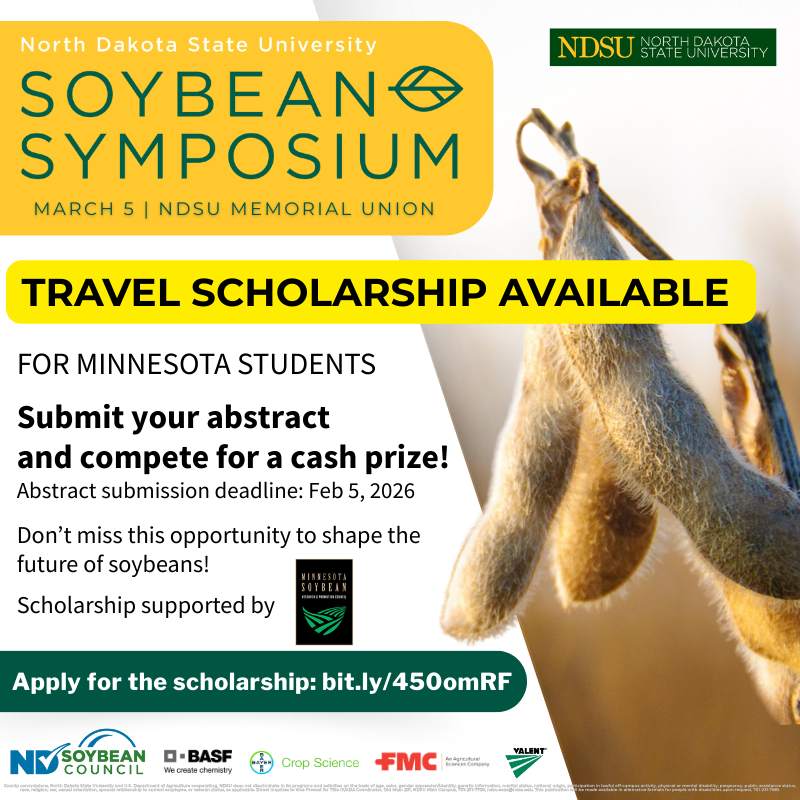
MN Students: Apply now to attend NDSU's Soybean Symposium!
Submit your research abstract for a chance to receive a scholarship to attend, sponsored by MSR&PC. Apply here: https://t.co/1vg5uD65dK
New position! USDA NIFA funded 2-year postdoc position in fungal biology and plant pathology. Do you think RNAi is the future of disease management or wildly overrated? Either way this project has something for you!
https://t.co/zQkk7FwPEH
Future crop scouts......this one’s for you. 🌱
The 2026 Eastern Crop, Pest Identification, and Management School is a hands-on, two-day training designed for undergraduate students and first- to second-year crop scouts looking to build real-world field skills.
Participants will learn to identify crop diseases, insects, herbicide injury, and other production problems in wheat, barley, corn, soybeans, dry beans, canola, and sunflowers.
📅 February 24 and 25
📌 FargoDome | Fargo, ND
✅ Register https://t.co/ZEpMevzpT1
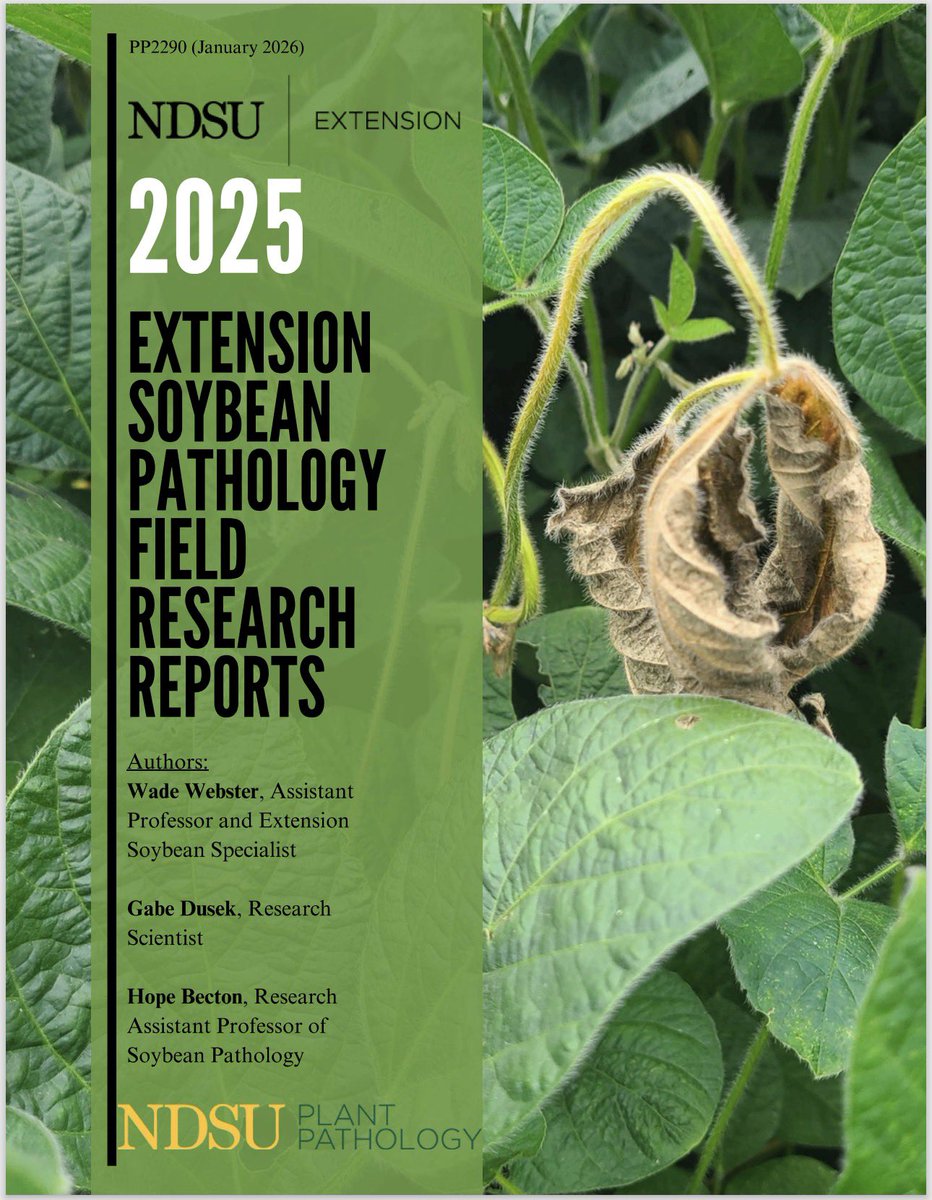
Before you plan your 2026 soybean management decisions, take a few minutes to explore the 2025 Soybean Pathology Field Research Report and see what our researchers are finding in North Dakota fields.
Read the report >>> https://t.co/m5CnzBBcz2
"SDS management strategies include planting soybean varieties with resistance to SDS, managing SCN, using effective fungicide seed treatments, improving soil drainage in fields with recurring SDS, rotating crops, avoiding or reducing soil compaction, and maintaining proper pH and fertility levels. An integrated SDS management strategy is essential, as no single tactic is likely to provide complete control when conditions are favorable for SDS development."
From "An Overview of Sudden Death Syndrome" at https://t.co/Ax6PB9NsT9 by @dsmuelle@cropdisease@MartinChilvers1@DylanMangel@maddishires@badgercropdoc@AlbertTenuta@cropdoc08@baldpathologist@MandyBish1@travisfaske@ppp_trey@alabamaED@SpurlockLab@DTelenko@BisonBeanDoc +more
#soybean #suddendeath #SDS #USSoy









![CropNetwork's tweet photo. “The pesticide programs with the highest probability of being profitable for white mold management were Cobra at R1, Cobra at V4/V5, Endura at R3, and Delaro Complete at R3 across varying levels of [disease].... Although the average yield increase associated with Cobra in the meta-analysis was relatively modest, its lower cost and moderate white mold control resulted in a high likelihood of positive net return.”
From the updated publication "Pesticide Impact on White Mold and Soybean Yield" at https://t.co/S5EEb3hF3a by @hoperbecton @MartinChilvers1 @dsmuelle @badgercropdoc @DTelenko @BisonBeanDoc +more
@SoyResearchInfo @WISoyCheckoff @MichiganSoybean @IowaSoybeans @INSoybean @NDSUExtension @NDAgExpStation @ILSoybean #soybeans #USSoy](https://pbs.twimg.com/media/HAtxF8Sa4AA6i2Q.jpg)