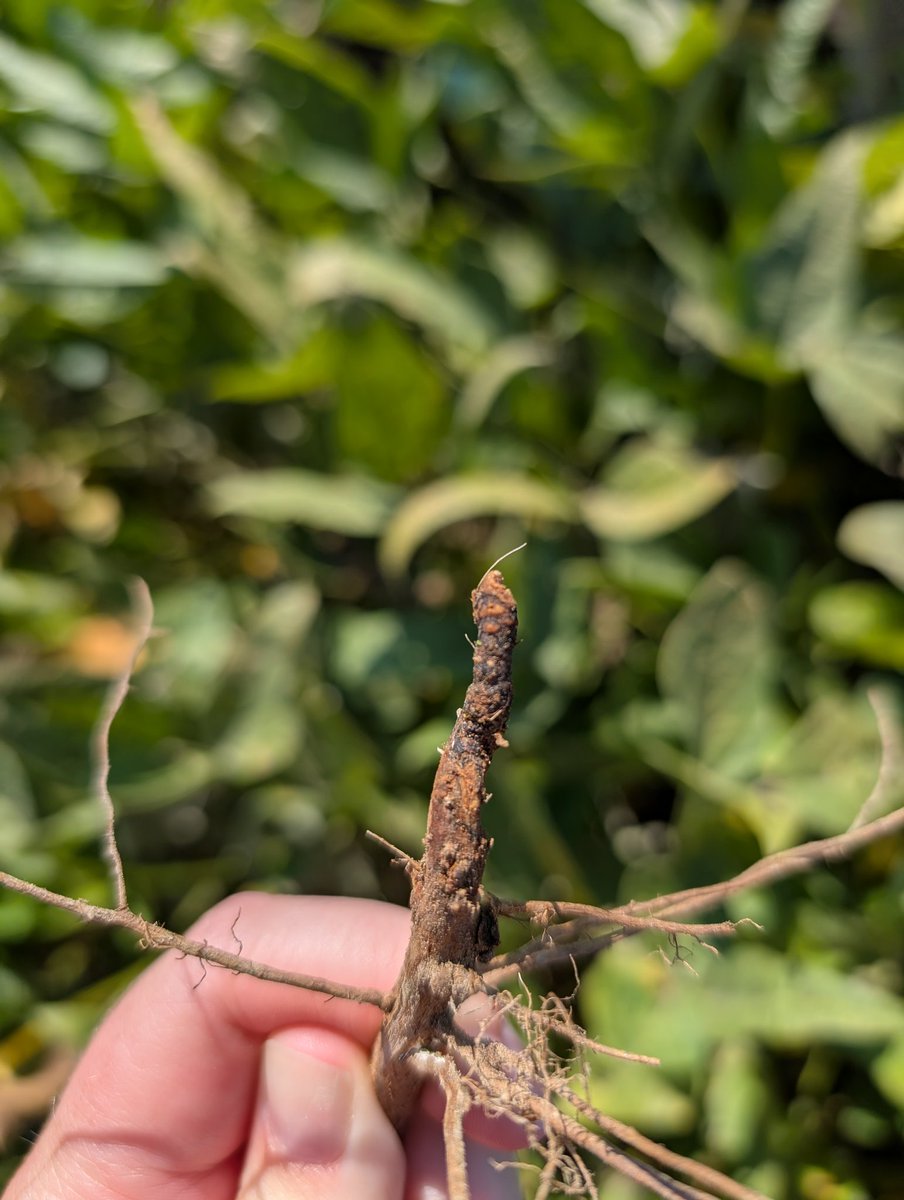
🌱 Early-season soybean diseases can impact stand and yield before symptoms are obvious.
Fusarium, Rhizoctonia, and water molds like Pythium and Phytophthora thrive in wet conditions and can cause poor emergence and stunting. Scout early, manage water, use effective seed treatments, and confirm issues through testing when needed.
Learn more: https://t.co/HunNREZ3hD
The first week April brought about a foot of snow so we were just now able to collect our last set of sclerotia of the Sclerotinia sclerotia degradation trial. The field was only a little muddy! @BisonBeanDoc
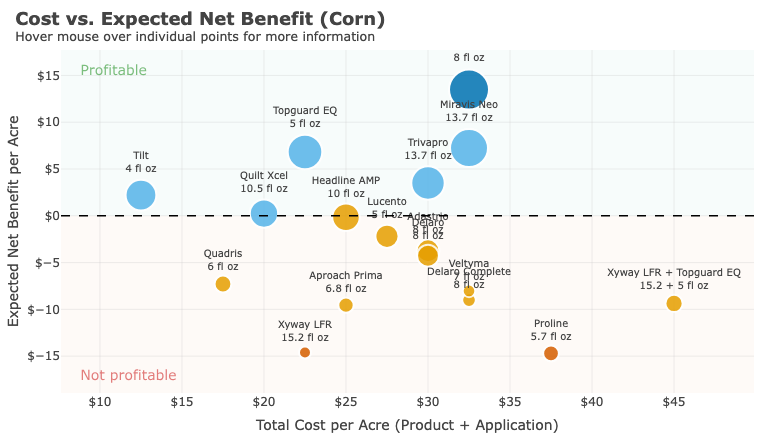
Farmers in the north central U.S. face soybean yield loss from #Sclerotinia sclerotiorum. Models from a meta-analysis by @hoperbecton et al. power an interactive online app to compare fungicide program probabilities for net returns and profitability: https://t.co/MiLU1u5nUt
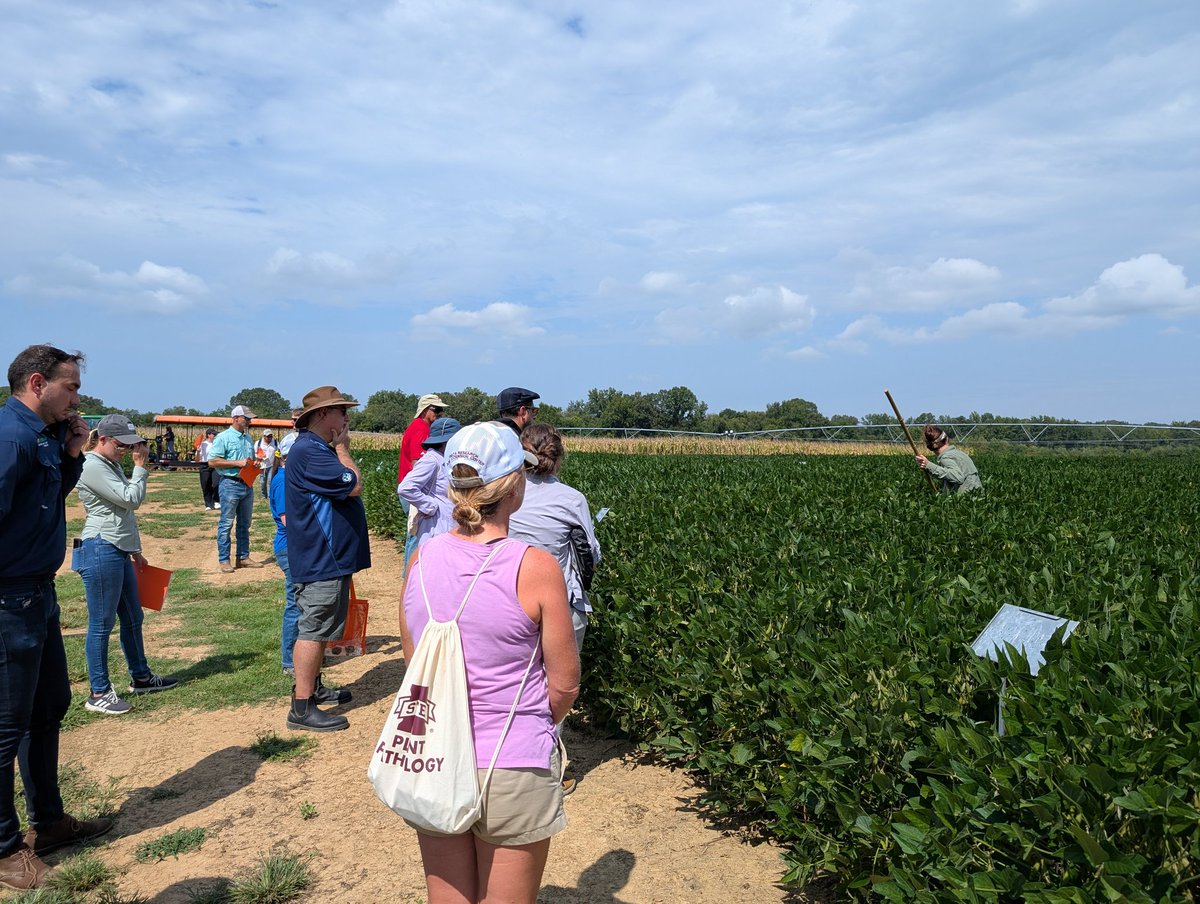
Join NDSU researchers at Oakes Crop Shop Talks for research-based demonstrations and updates from the Oakes Irrigation Research Site, including disease management, soil fertility, canola agronomy, and tools for managing white mold and tar spot of corn.
Register >>> https://t.co/nFARdWx4db
Oakes Crop Shop Talks will highlight NDSU research and Extension work at the Oakes Irrigation Research Site, featuring demonstrations on disease management, soil fertility, canola agronomy, and decision support tools for white mold and tar spot of corn.
Detailed agenda and registration >>>https://t.co/pEKgmzNAkX
“The pesticide programs with the highest probability of being profitable for white mold management were Cobra at R1, Cobra at V4/V5, Endura at R3, and Delaro Complete at R3 across varying levels of [disease].... Although the average yield increase associated with Cobra in the meta-analysis was relatively modest, its lower cost and moderate white mold control resulted in a high likelihood of positive net return.”
From the updated publication "Pesticide Impact on White Mold and Soybean Yield" at https://t.co/S5EEb3hF3a by @hoperbecton@MartinChilvers1@dsmuelle@badgercropdoc@DTelenko@BisonBeanDoc +more
@SoyResearchInfo@WISoyCheckoff@MichiganSoybean@IowaSoybeans@INSoybean@NDSUExtension@NDAgExpStation@ILSoybean #soybeans #USSoy
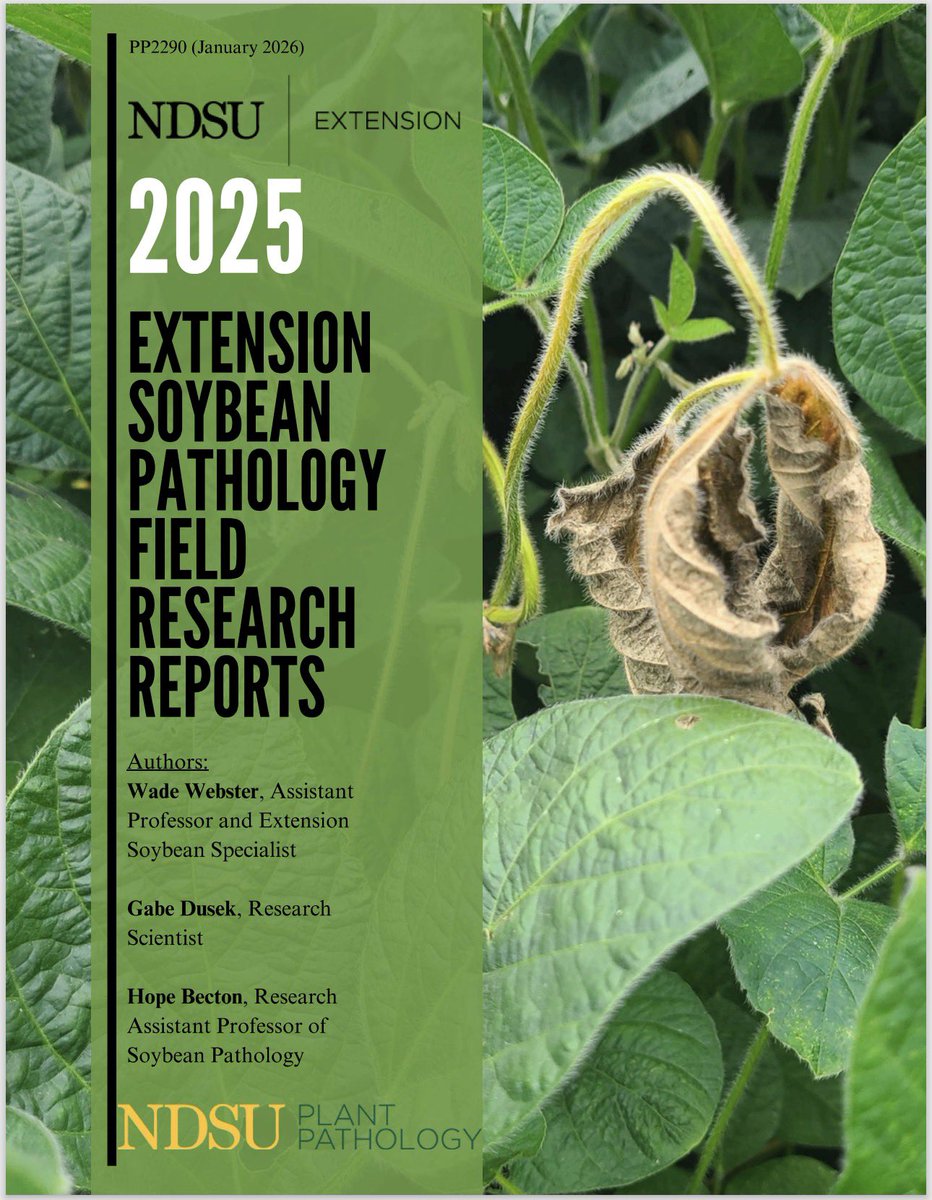
Before you plan your 2026 soybean management decisions, take a few minutes to explore the 2025 Soybean Pathology Field Research Report and see what our researchers are finding in North Dakota fields.
Read the report >>> https://t.co/m5CnzBBcz2
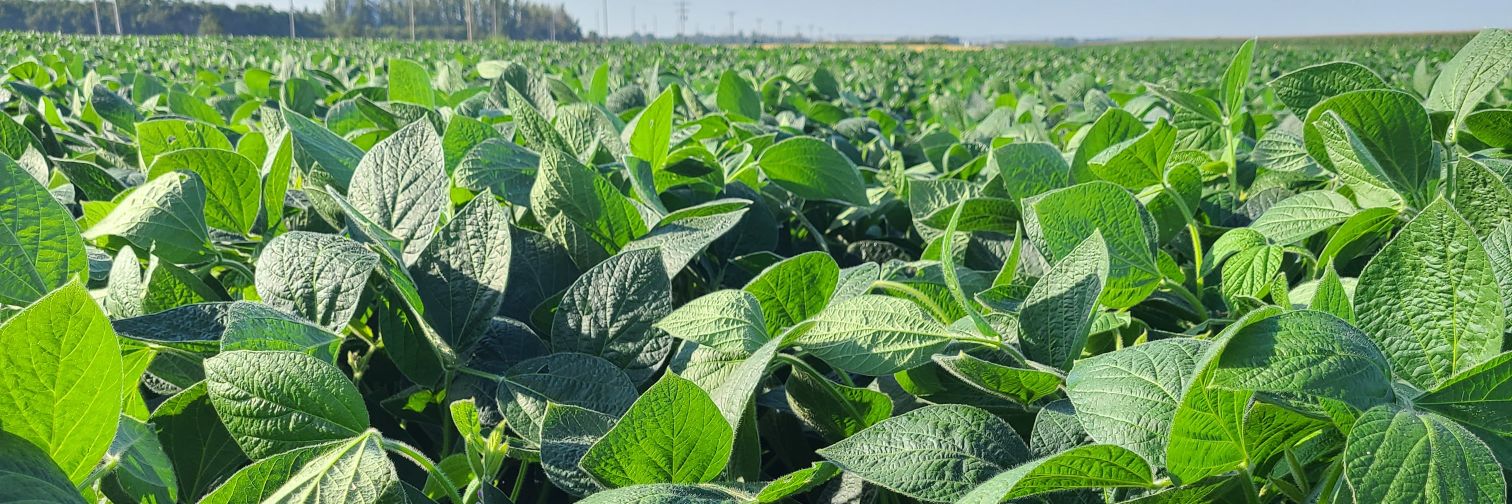
Webster Lab crew has been out scouting North Dakota the past few weeks. Incredible amount of fields with white mold present this year. Not surprising with the moisture we saw this summer during most of flowering periods. But this will lead to lots of new inoculum for the future
Soybean Cyst Nematode (SCN) continues to be one of the biggest threats to soybean yields, and it’s showing up more often across ND. The only way to know if it’s in your fields is to test.
The ND Soybean Council and @NDSUExtension are providing free SCN soil sampling bags to help farmers take that step.
Learn more about the SCN sampling program at https://t.co/ofVE9ihKuj
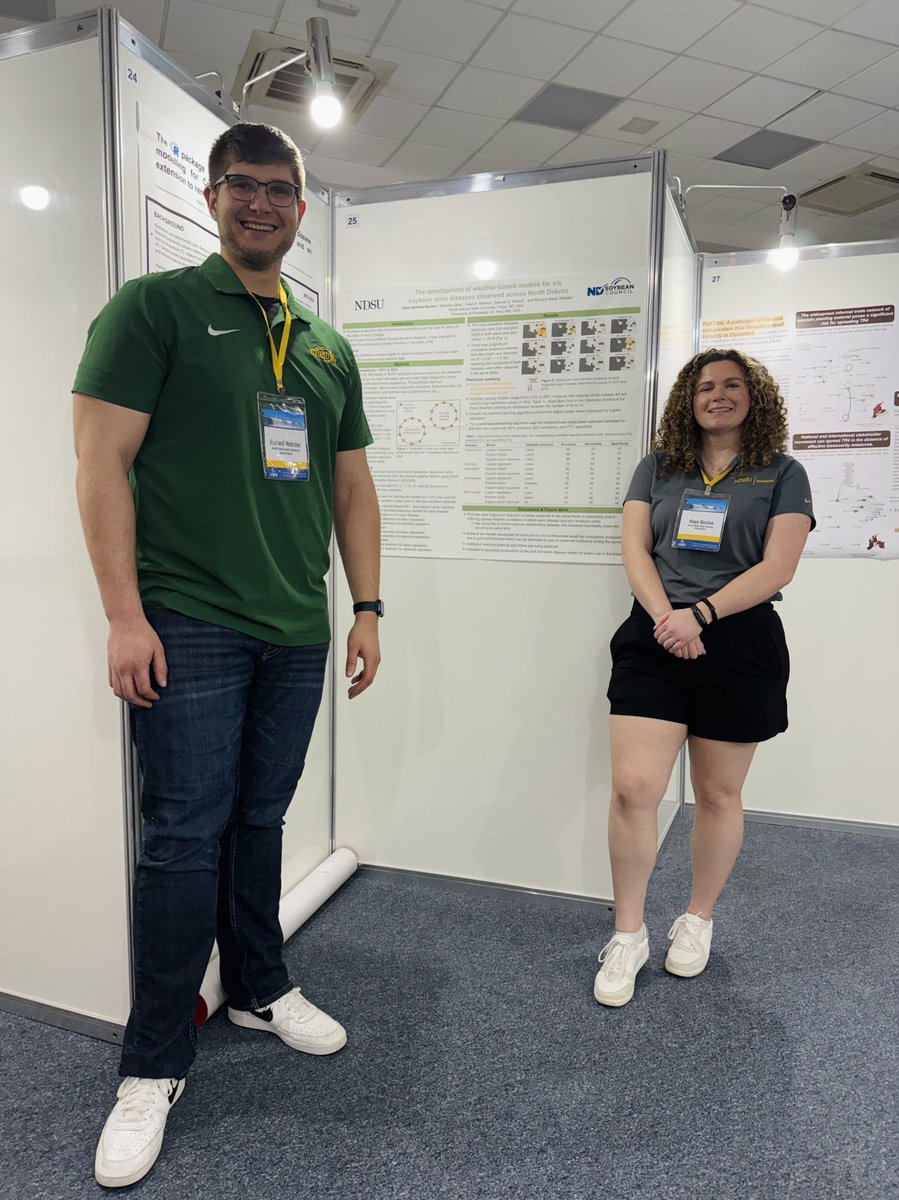
Great Collaboration with @BisonBeanDoc, @datascience_uw, and @CropNetwork to analyze large data to generate a new soybean white Mold ROI tool. It is a tight margin year, this could be handy! Learn more here: https://t.co/JN2olEFXol
What are they doing with their UT Martin degree? 2016 Plant & Soil Science graduate, Dr. Hope Renfoe Becton, is a Plant Pathologist at North Dakota State University. Soaring! #beUTMproud




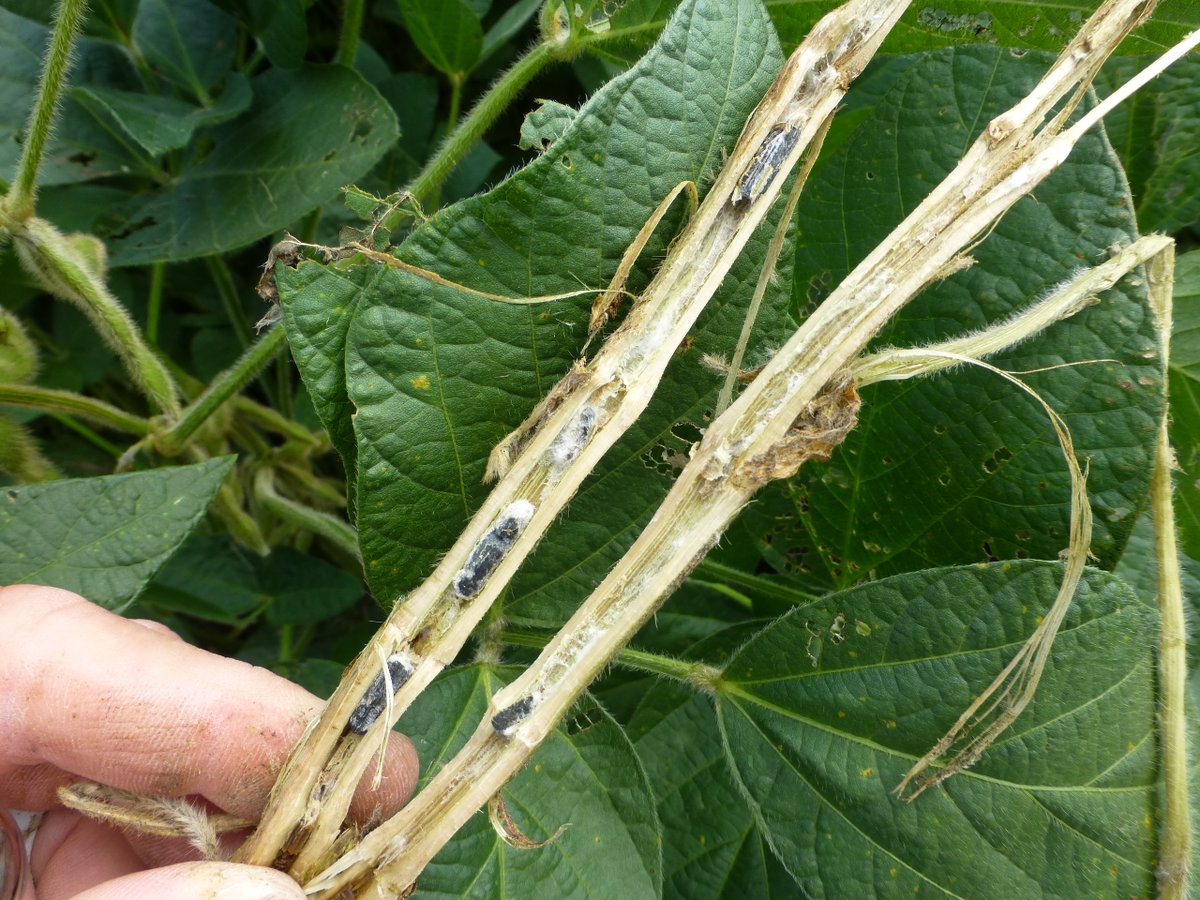
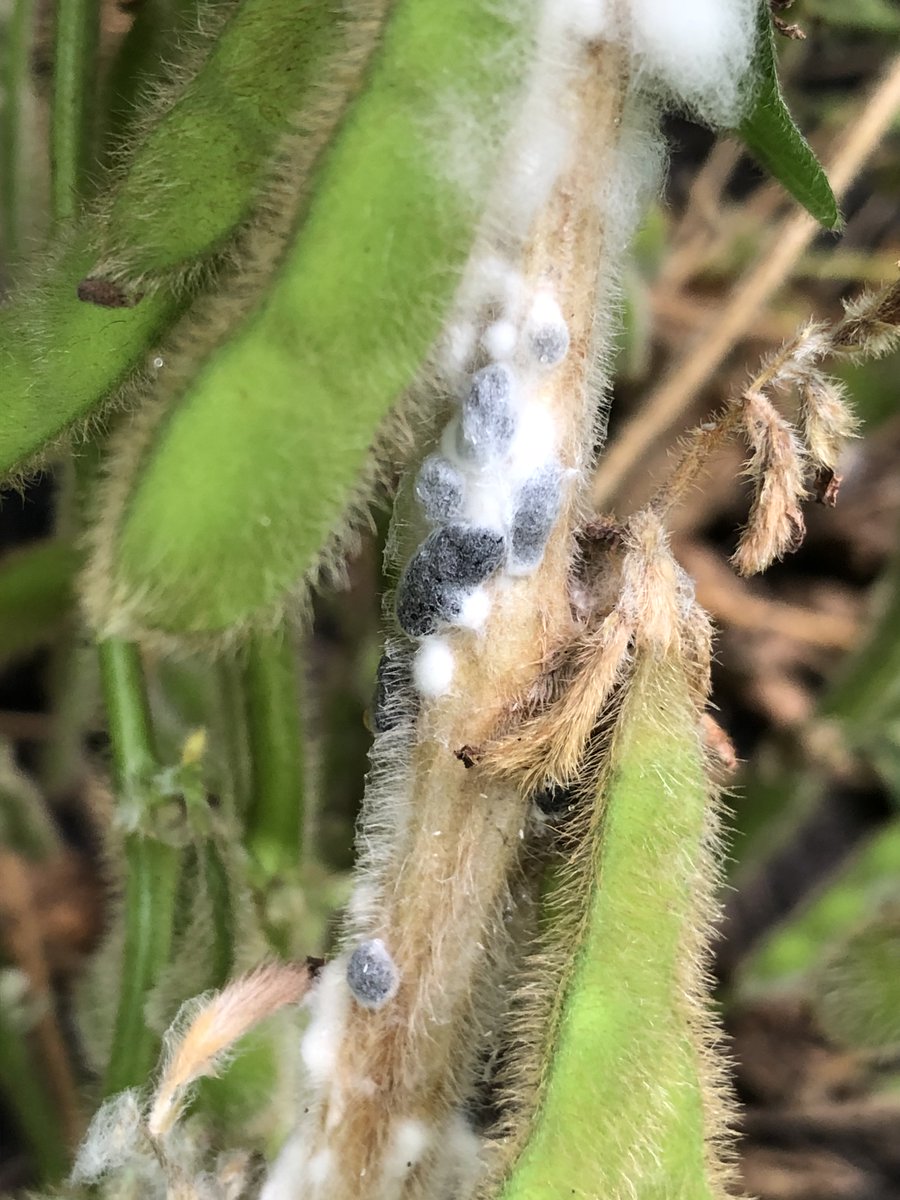
![CropNetwork's tweet photo. “Our findings demonstrate [white mold] resistant soybean varieties produce substantially fewer and smaller sclerotia compared to susceptible varieties, which can play a crucial role in long-term disease management by limiting the inoculum load in fields.”
From the @PlantDiseaseJ article https://t.co/WNfy2muQ3h by @W_Webster74 @hoperbecton @badgercropdoc +more
@NDSoybean @NDSoyGrowers @NDSUExtension @NDAgExpStation @WISoyAssoc @WISoyCheckoff @UWMadisonExt @UWMadScience @WIAgContent @SoybeanScience1 @SoyResearchInfo @soydisease #soybean #agtwitter #agx](https://pbs.twimg.com/media/GerbMWdWEAA4esI.jpg)
![CropNetwork's tweet photo. “Our findings demonstrate [white mold] resistant soybean varieties produce substantially fewer and smaller sclerotia compared to susceptible varieties, which can play a crucial role in long-term disease management by limiting the inoculum load in fields.”
From the @PlantDiseaseJ article https://t.co/WNfy2muQ3h by @W_Webster74 @hoperbecton @badgercropdoc +more
@NDSoybean @NDSoyGrowers @NDSUExtension @NDAgExpStation @WISoyAssoc @WISoyCheckoff @UWMadisonExt @UWMadScience @WIAgContent @SoybeanScience1 @SoyResearchInfo @soydisease #soybean #agtwitter #agx](https://pbs.twimg.com/media/GeraLFlXAAAEtO6.jpg)
![CropNetwork's tweet photo. “Our findings demonstrate [white mold] resistant soybean varieties produce substantially fewer and smaller sclerotia compared to susceptible varieties, which can play a crucial role in long-term disease management by limiting the inoculum load in fields.”
From the @PlantDiseaseJ article https://t.co/WNfy2muQ3h by @W_Webster74 @hoperbecton @badgercropdoc +more
@NDSoybean @NDSoyGrowers @NDSUExtension @NDAgExpStation @WISoyAssoc @WISoyCheckoff @UWMadisonExt @UWMadScience @WIAgContent @SoybeanScience1 @SoyResearchInfo @soydisease #soybean #agtwitter #agx](https://pbs.twimg.com/media/GeraKrOXgAAA1Z5.jpg)









![CropNetwork's tweet photo. “The pesticide programs with the highest probability of being profitable for white mold management were Cobra at R1, Cobra at V4/V5, Endura at R3, and Delaro Complete at R3 across varying levels of [disease].... Although the average yield increase associated with Cobra in the meta-analysis was relatively modest, its lower cost and moderate white mold control resulted in a high likelihood of positive net return.”
From the updated publication "Pesticide Impact on White Mold and Soybean Yield" at https://t.co/S5EEb3hF3a by @hoperbecton @MartinChilvers1 @dsmuelle @badgercropdoc @DTelenko @BisonBeanDoc +more
@SoyResearchInfo @WISoyCheckoff @MichiganSoybean @IowaSoybeans @INSoybean @NDSUExtension @NDAgExpStation @ILSoybean #soybeans #USSoy](https://pbs.twimg.com/media/HAtxF8Sa4AA6i2Q.jpg)


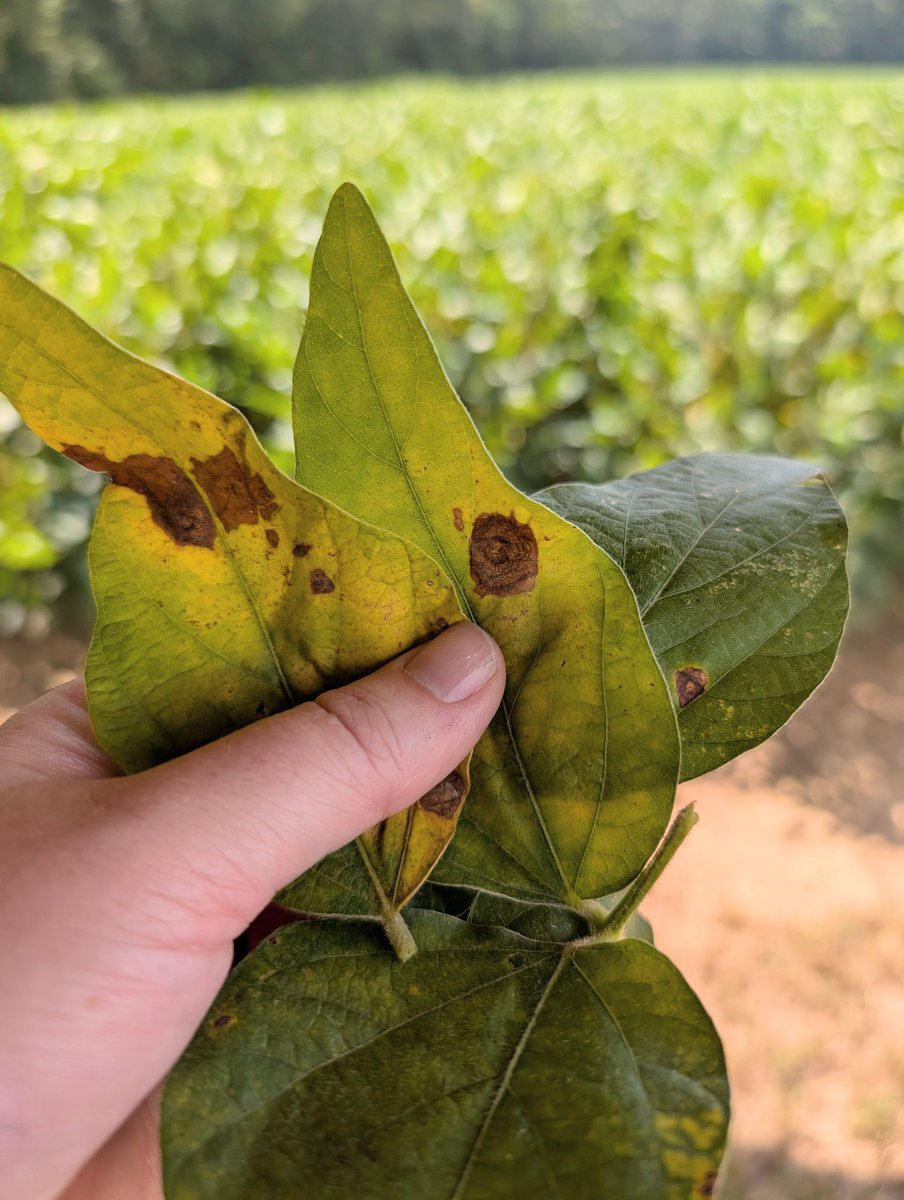


![CropNetwork's tweet photo. “Our findings demonstrate [white mold] resistant soybean varieties produce substantially fewer and smaller sclerotia compared to susceptible varieties, which can play a crucial role in long-term disease management by limiting the inoculum load in fields.”
From the @PlantDiseaseJ article https://t.co/WNfy2muQ3h by @W_Webster74 @hoperbecton @badgercropdoc +more
@NDSoybean @NDSoyGrowers @NDSUExtension @NDAgExpStation @WISoyAssoc @WISoyCheckoff @UWMadisonExt @UWMadScience @WIAgContent @SoybeanScience1 @SoyResearchInfo @soydisease #soybean #agtwitter #agx](https://pbs.twimg.com/media/GerbzM0XYAACBzQ.jpg)