"Overall, results showed that broadcast incorporation can be used to achieve faster planting without sacrificing yields compared to grain drills or air seeders, while transition to precision planting in narrow rows can help long-term improvement in wheat yields."
From the @ASA_CSSA_SSSA article "Field-scale comparison of precision planting, drill seeding, and broadcast incorporation in winter wheat: Effects on seed placement, yield, and grain quality."
By @SpartanAgronomy + others. @MSUEFieldCrops@MSUExtension@wheatgrowers #wheat @WheatInnovation
Our recent WISH-TV interview with Dr. Dan Quinn is now available! 🎥
He discussed corn research at Purdue University and how it helps address crop management questions for Indiana farmers. 🌽
Watch the story: https://t.co/lOrlUPsV9L
Spy on each weed escape in your fields by using drones to scout the plants plaguing your cash crops! Learn more about drone scouting in this HERMON video from Purdue’s Dr. Tommy Butts.
This video will answer the following question:
- What advantages do drones offer compared to traditional scouting methods?
@SoyCheckoff@PUweeds@PurdueAg #UnitedSoybeanBoard #Soybean #SoybeanFarm #Agriculture #Farming #PurdueUniversity #HerbicideResistance #WeedControl #Drones #AgDrones
Wet weather can put soybean seed quality at risk. Learn what to look for when scouting for seed deterioration, sprouting, and pod shattering, and how to prioritize fields when harvest conditions improve. Read more: https://t.co/E1GlDnsd2j #kstateagronomy#soybean
“Seeding rates above the [agronomic optimum seeding rate] resulted in no benefit under favorable conditions, since higher plant populations mostly benefit from environments exposed to weather events that reduce population (e.g., hail).”
From the @ASA_CSSA_SSSA article "Seeding rate effects on soybean seed yield components and economic return" https://t.co/0toyeAcX5e by Fernando M. Marcos, Caio L. dos Santos, Natan A. Seraglio, and Mark A. Licht
@badgerbean@PurdueSoybean@SoybeanScience1@ISUExtension #soybean #USSoy
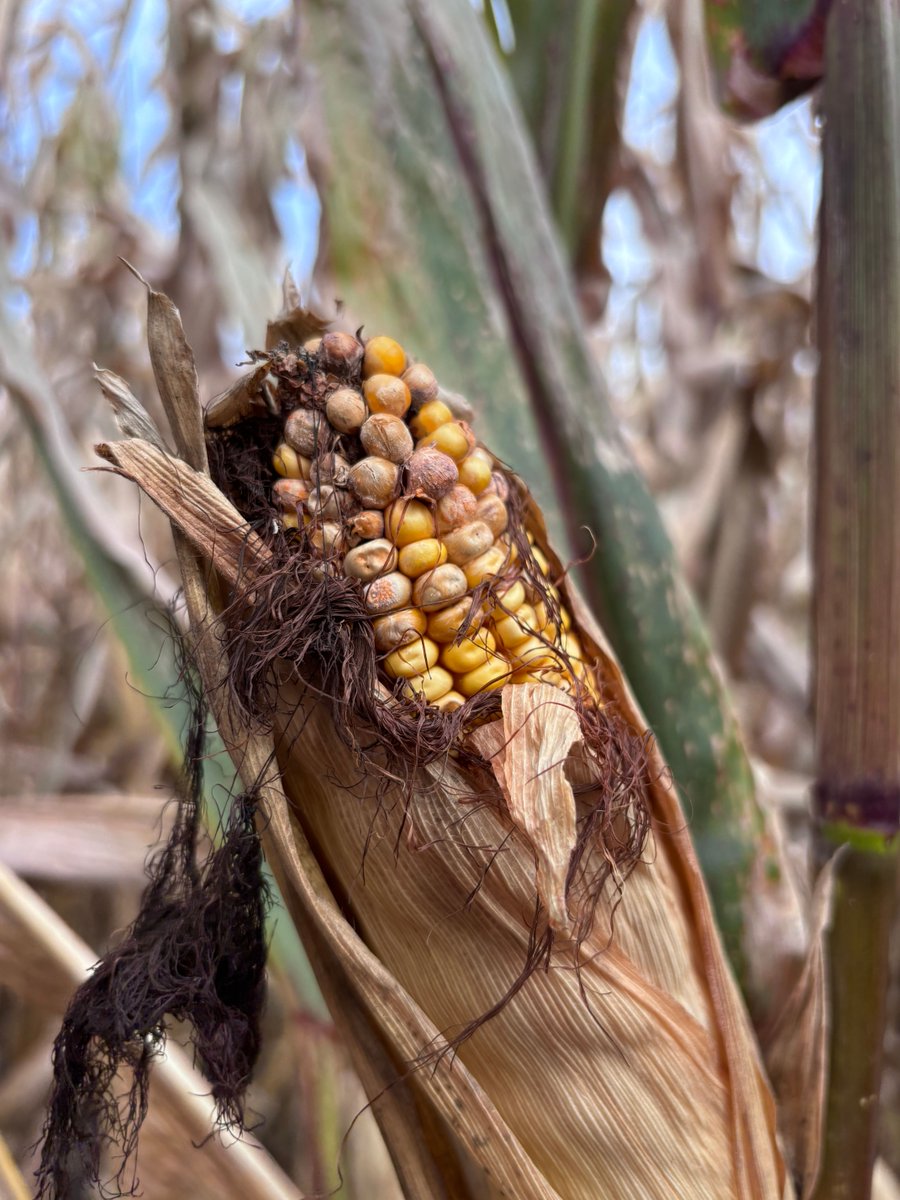
Sprouted corn, ear molds, and grain quality concerns are showing up in some fields this harvest. What does that mean for livestock feed? Shelby Gruss, extension forage specialist, shares key considerations: https://t.co/PRT5vQwGud
“Seeding rates above the [agronomic optimum seeding rate] resulted in no benefit under favorable conditions, since higher plant populations mostly benefit from environments exposed to weather events that reduce population (e.g., hail).”
From the @ASA_CSSA_SSSA article "Seeding rate effects on soybean seed yield components and economic return" https://t.co/0toyeAcX5e by Fernando M. Marcos, Caio L. dos Santos, Natan A. Seraglio, and Mark A. Licht
@badgerbean@PurdueSoybean@SoybeanScience1@ISUExtension #soybean #USSoy
37,000+ forecasts, 4,800 new users, one growing season. NPMTI's Crop Risk Tool packs tar spot, gray leaf spot, and Gibberella ear rot models into a single check before you spray. #NPMTI#AgriculturalTools#CropForecasting#CornDisease
https://t.co/Vp1x0Ge29G
Mississippi soybean growers still have an opportunity to get free nematode testing. See our lab webpage for requirements to qualify https://t.co/FJsAP7XIij
#MSUext
Collecting fall soil samples? @GregTylkaISU reminds us fall is a great time to sample for soybean cyst nematode (SCN). SCN can reduce yields without obvious symptoms. Knowing your SCN levels can help guide future variety and management decisions.
🔗 https://t.co/FtDEGupr3N
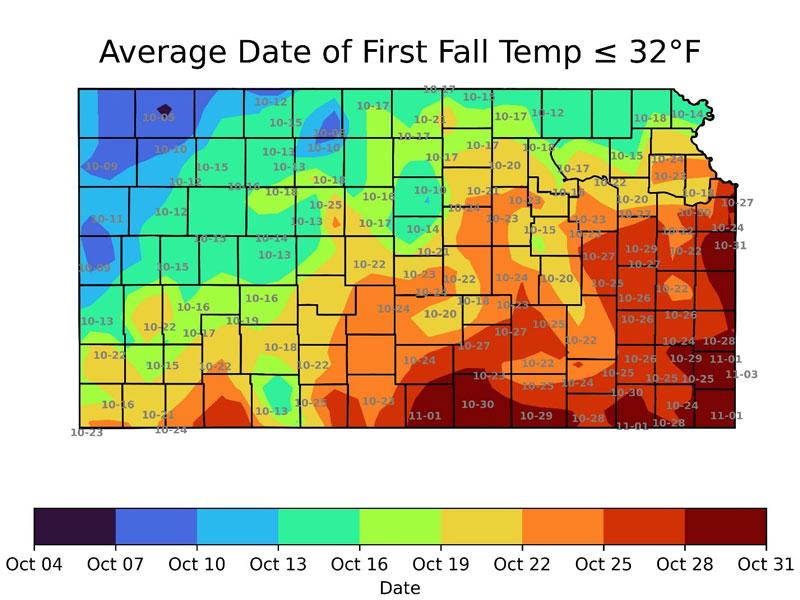
Learn how this year’s unusually warm temperatures compare with historical records and what the forecast could mean for freeze timing. Get the latest: https://t.co/CZAOiDL5LR #kstateagronomy#weather
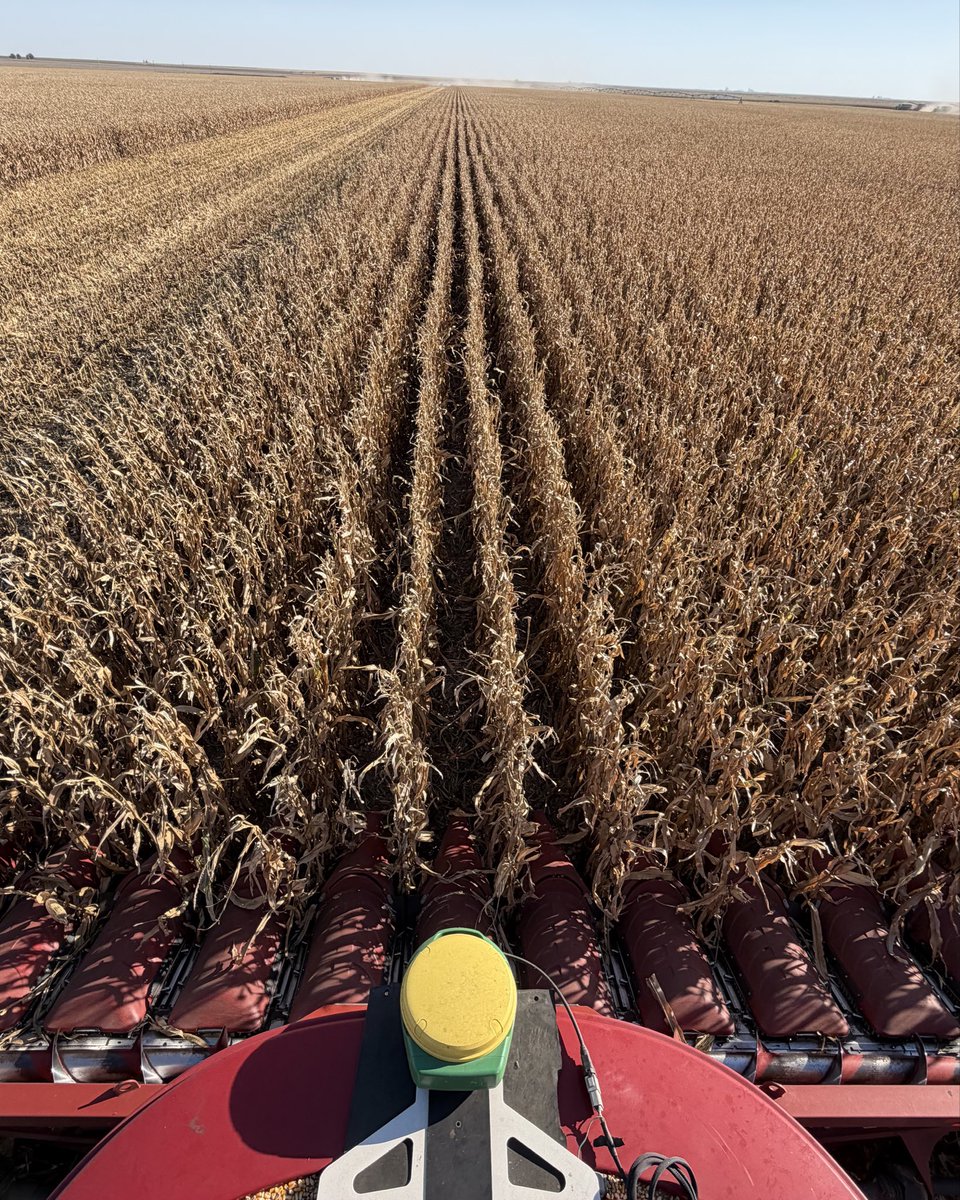
Today’s #Harvest26 update comes from Paige Clawson, Southwest Kansas Corn Commissioner, who harvested their fungicide efficacy and timing plot last week. The Kansas Corn Commission collaborated with Dr. Rodrigo Onofre, KSU Plant Pathologist, on five large scale, 40-60 acre plots replicated throughout the state. This applied research investigates the impact of different fungicide applications on yield.
Results of the trials will be made public soon and can be found at https://t.co/pXZIeoMp6t.
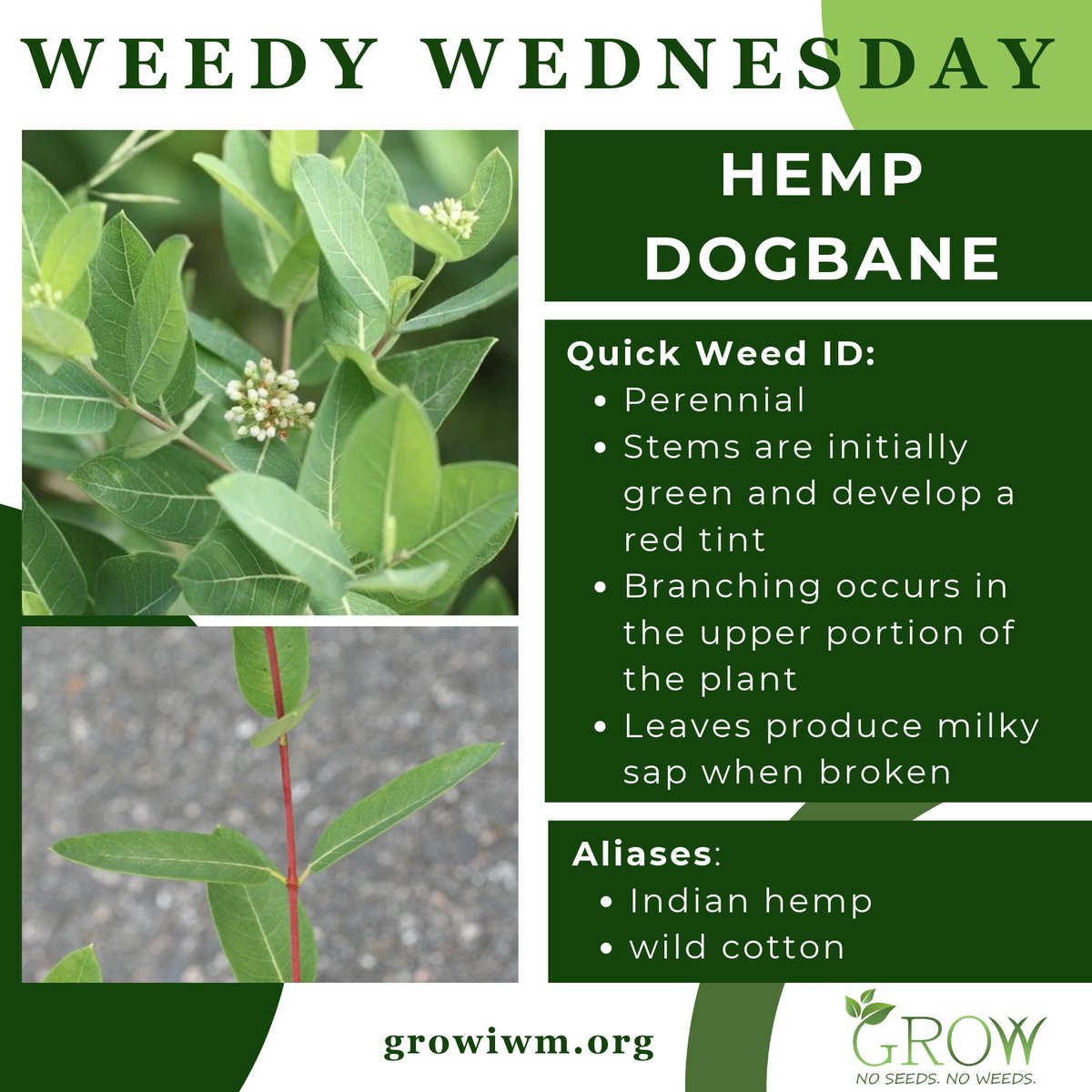
Today is another Weedy Wednesday, a monthly spotlight on weed identification tips from GROW!
Suzannah Hale, a then-Virginia Tech graduate student with Dr. Shawn Askew (and now a University of Florida Ph.D. student with Dr. Eli Russell), has some quick tips on how to identify hemp dogbane!
Learn more about hemp dogbane here: https://t.co/4vJupq0imG
#growiwm #integratedweedmanagement #hempdogbane #weedcontrol #farming #agriculture #rowcrops
When it comes to soybean desiccation, a small difference in timing can have a big impact! Dr. Mike Mulvaney shares what researchers at Mississippi State University are seeing when they compare applications at R6.5 and R7, including differences in yield and grain quality. Learn more about their research here: https://t.co/R49gBJkuaO #SoyCheckoff #ScienceForSuccess