Exciting things are on the horizon for Max Planck Neuroscience, and we look forward to sharing new discoveries and updates with you. You can find our latest news on the platforms shown below. Thank you for staying connected!
Can the brain "speed up" the formation of long-term memory?
Research from @mpicybernetics shows the cerebral cortex can store new memories quickly, bypassing the hippocampus's long encoding process.
This discovery offers hope for Alzheimer's patients. https://t.co/0Da2Z7tuq7
@mpicybernetics postdoc Denis Chaimow was recognized by @OHBM for the 1st pre-registered replication study in laminar fMRI, setting a new research standard: https://t.co/uBJxvoQYyz
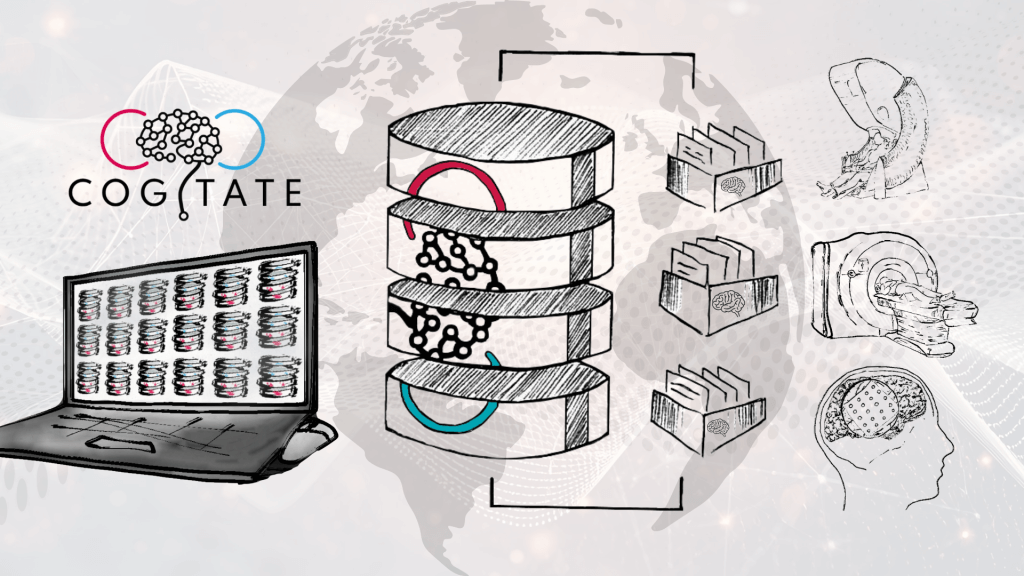
A breakthrough for open science: @ArcCogitate has released one of the largest public iEEG datasets.
Explore this global resource, which includes work from @mpi_ae: https://t.co/JKhJ7IskJd
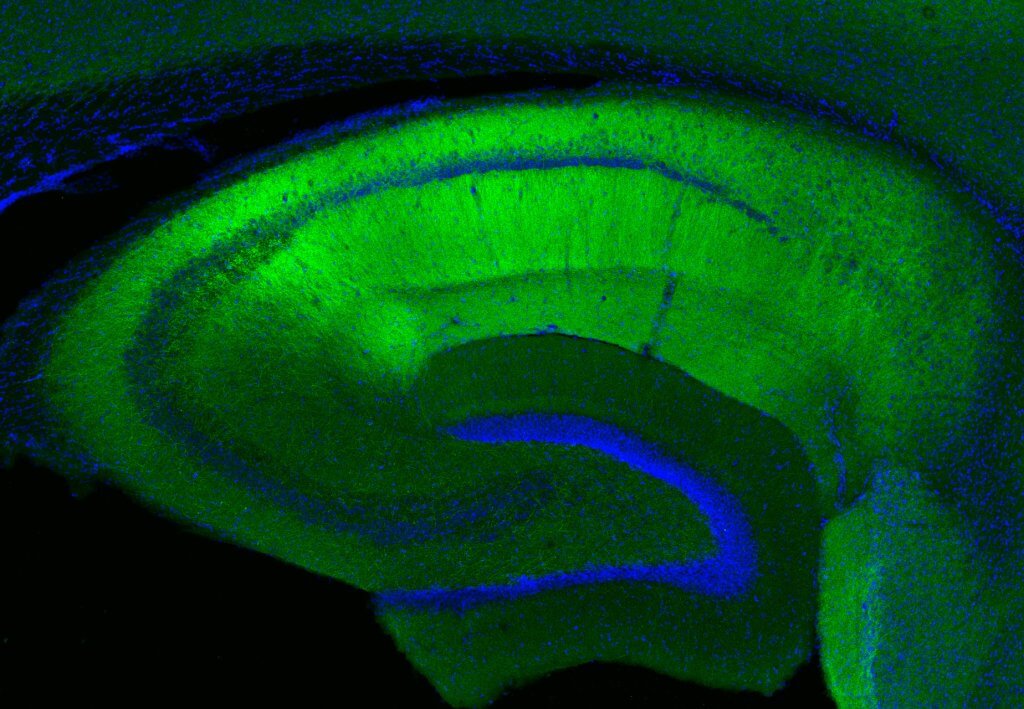
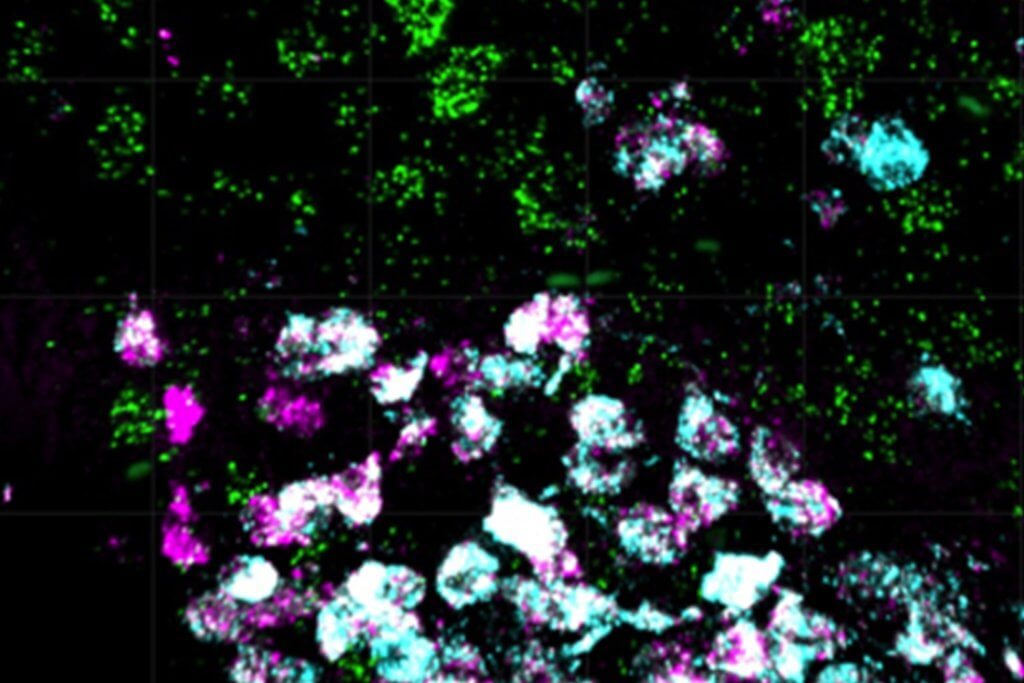
The most detailed molecular map of the hippocampus has arrived! @MPIbrain researchers combined RNA & protein data to map 27,000+ molecules at super-high resolution, revealing new learning & memory findings in mice: https://t.co/QgczVJwcgi
What drives hasty decision-making in schizophrenia vs. delayed in OCD? @mpicybernetics is analyzing differences in dopamine.
This research could inform future mental health therapies: https://t.co/85tr1CK8PZ
For the first time, @LMU_Muenchen, Max Planck Institute of Psychiatry & IMPRS-TP have identified a mechanism behind cognitive symptoms in schizophrenia. Read the study of early maturation in oligodendrocytes, which may become a future treatment target: https://t.co/HeEcF2ATMS
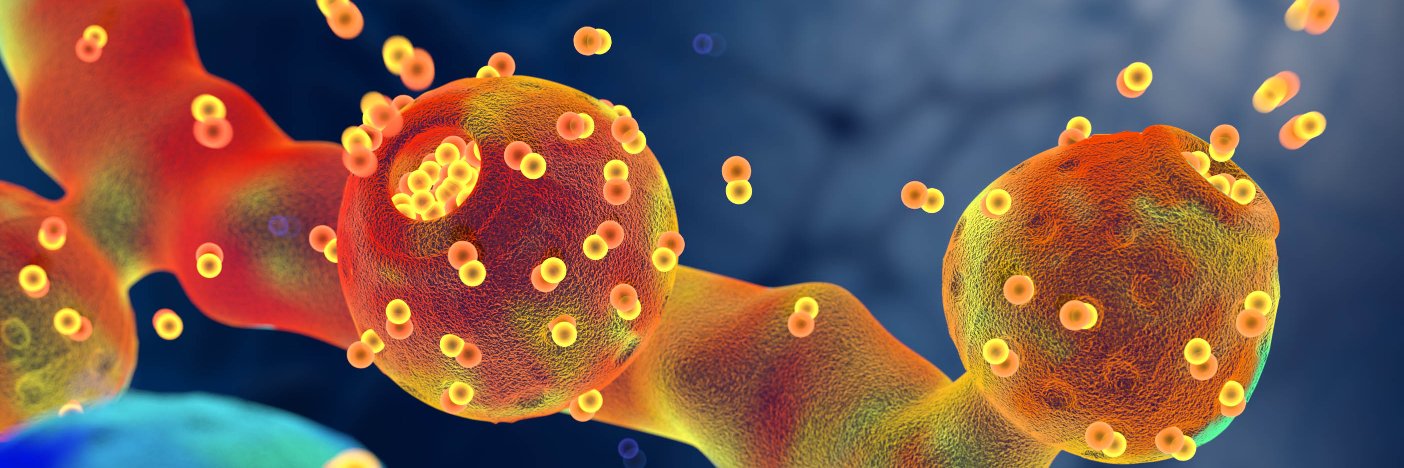
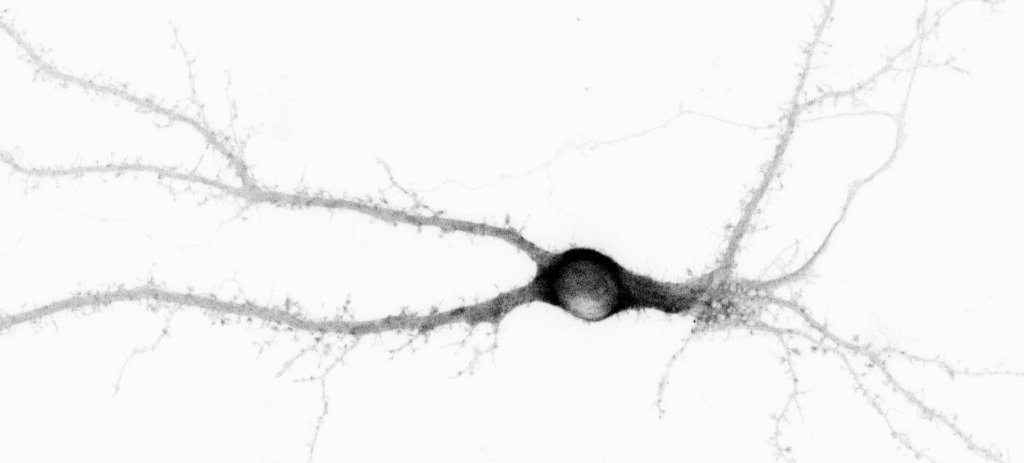
New research from @mpibrain suggests that ribosomes may be assembled near the synapses of neurons—not close to the nucleus. Advanced imaging techniques reveal that neuronal processes may enable on-demand production of functional ribosomes. Learn more: https://t.co/kFYO8GVtHA
Today is a special day for us—it's #InternationalMusicDay! We investigate why and how people create art and how they perform, experience, and evaluate it, with a particular focus on #music. Learn more about our diverse #research 👉 https://t.co/6sMAfpuL2O
New! Max Planck Institute of Psychiatry, @HelmholtzMunich & the University of Sydney found shared biological mechanisms across 3 psychiatric disorders, with noted exon level differences & disruptions in circadian rhythm, cortisol release & dopamine levels: https://t.co/pJTXtULlHc
Thinking about attending Sunposium 2026? Now is the time to act! The early bird registration deadline is September 19th.
Curious what makes this conference so special? Our video will give you a glimpse: https://t.co/1ANjQSuOxS
Join us March 9–11, 2026, in sunny South Florida. We are also accepting abstracts—the deadline to submit is December 19th.
Register and submit your abstract at: https://t.co/05MJDjlYZB
#Sunposium2026 #Neuroscience #Conference
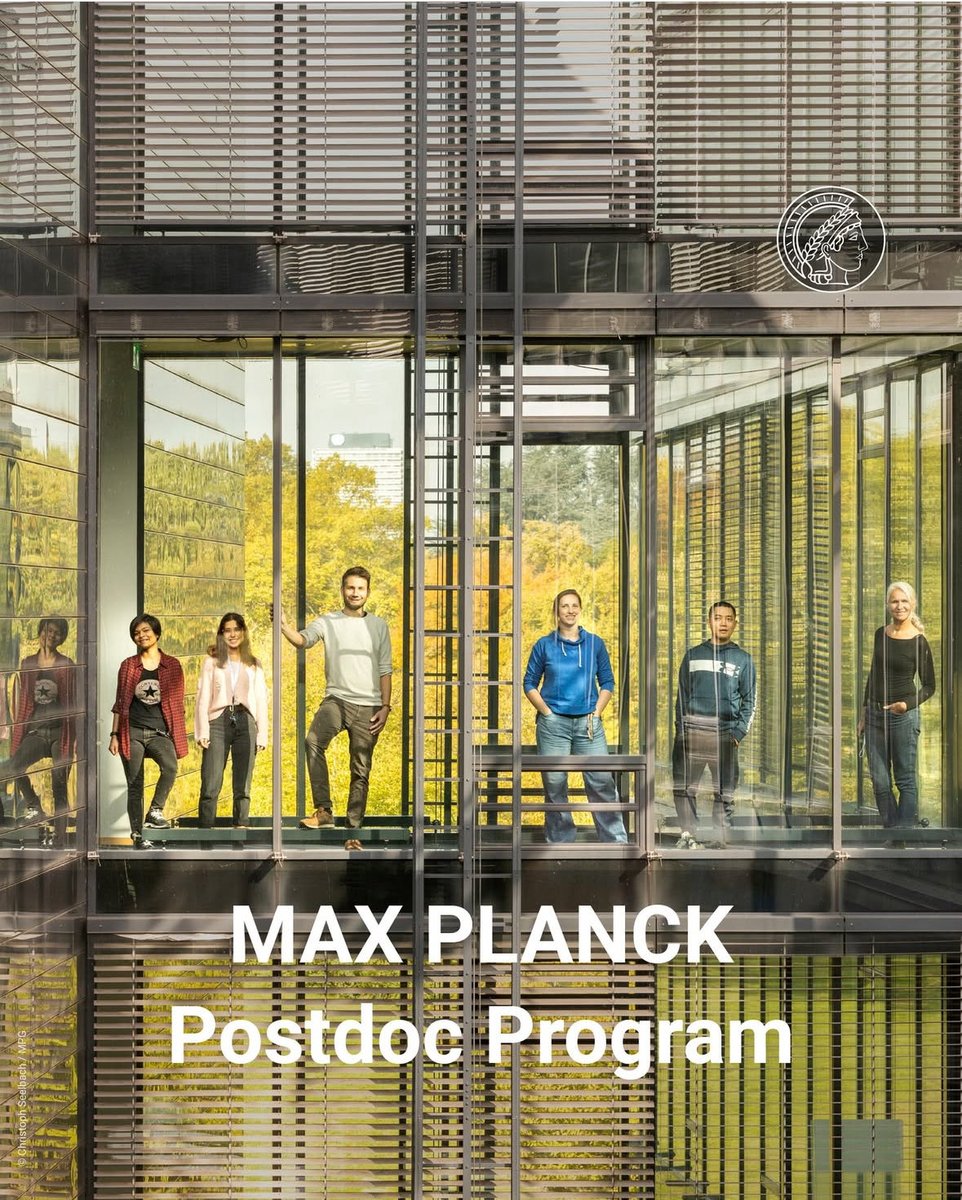
The #MaxPlanckPostdocProgram offers a guaranteed contract of at least 3 years, targeted mentoring, and career workshops. The call for applications is open now! 🚀 Take advantage of this opportunity and browse the job vacancies. https://t.co/yWjsq8ld8A
When lean mice smell food before eating, they feel full. But this doesn’t happen in obese mice. Why? A team at the Max Planck Institute for Metabolism Research looks to a newly found network of nerve cells for answers: https://t.co/NyeGK2Q5qO
How do rats sense their world? Through their whiskers! Researchers at @MPINB_outreach found that whisker movement is controlled by surprisingly diverse brain areas, including sensory and motor regions working together. Explore the research: https://t.co/sudRdw8aIW
Research from the Max Planck Institute for Biological Intelligence in @natureneuro found a mechanism that helps maintain balance in developing brains: neurons created later in development mature faster. More at https://t.co/15Vo9nuLOb
Researchers at @MPFNeuro have discovered how loss of ASD-associated PTEN gene in a specific population of neurons rewires circuits in the amygdala that lead to increased fear and anxiety: https://t.co/2bgWwQXU0d
Newly discovered nerve cells in the brains of mice, controlled by leptin, could lead to novel obesity treatments in humans. Explore the research from @MPI_Metabolism: https://t.co/v5gE3uQ3Np
The creative process of AI large language models is similar to that of humans. Researchers at @MPICybernetics suggest pairing users and LLMs with similar creative processes to enhance creative collaboration: https://t.co/udrmXmQrG5
Environmental stressors before birth are shown to influence the risk of developing psychiatric or neurological disorders. Explore newresearch from @mpi_psychiatry on how stress alters neuronal balance in the developing brain. https://t.co/tJlFt1fIpi
Does having more neural connections lead to better learning? Not according to researchers at @MPINB_outreach. Discover why sparse brain connectivity may be a feature, not a flaw: https://t.co/uTSKfbPVwm