For the first time, I am with President Suluhu on this. Why should she be forced to speak their language? Russia uses its own language, so she would need a translator anyway. Shouldn't she speak Swahili instead, forcing them to need a translator too?
Why do immigrant Somali entrepreneurs thrive in South Africa while local SMMEs struggle? I saw a study that found the secret. It’s a great study, but then it suffers a major academic malfunction.
The 2023 research paper titled “An Exploration of the Traits Responsible for the Success of Somali Small-Scale Entrepreneurs in South Africa” set out to solve a persistent puzzle: why do local South African Small and Medium Enterprises struggle to stay afloat while immigrant Somali entrepreneurs consistently thrive in the very same socio-economic environments?
The empirical findings of the study are compelling and grounded in the lived experiences of two dozen entrepreneurs in Pretoria West. The authors brilliantly document an ecosystem powered by deep social capital.
According to the authors’ data, the primary drivers of Somali business success are rooted in an Afrocentric, collectivist worldview of “collaborative ventures”, including pooling resources for bulk purchases, “informal networks” like sharing pricing information and trends, and a profound “sense of community”.
Crucially, the authors observe that this Somali strategy “promotes partnership as opposed to competition”. So, when a new Somali entrepreneur arrives, the community does not view them as a rival to be defeated; instead, they actively raise startup capital or gift assets to ensure the newcomer succeeds. The economic engine here is fundamentally ANTI-COMPETITIVE in spirit. It relies on shared risk, pooled resources, mutual aid, and collective survival.
Yet, and this is the major flaw of the paper, when it‘s time to provide solutions, a very fascinating academic glitch occurs. In the recommendations section, the empirical research findings collide head-on with standard individualist market ideology. The authors write:
“Based on the findings, it is recommended that there is a need to enhance the competitiveness of South African SMEs.” They go on to suggest that adopting these cooperative traits will make local businesses “more adept at navigating global competition”.
Hopefully, you can see the problem here. The paper explicitly suggests that South African businesses should adopt a philosophy of non-competition or collaboration for the ultimate purpose of becoming better competitors.
Here’s the thing, language matters, and I don’t believe this is a minor semantic slip. To me, it reveals how deeply academic training and policy paradigms are trapped within a dictionary that equates economic success solely with competitive advantage.
So, even when the evidence staring the researchers in the face proves that cooperation is what keeps people alive, they lack the vocabulary, or perhaps the institutional permission, to recommend anything other than “enhanced competitiveness”.
To achieve this competition-centric objective, the paper’s authors are forced to contort themselves to and recommend that South Africans need to weaponise collective solidarity to win in individualistic market competition.
This is simply incoherent. True cooperation requires trust, shared identity, and mutual vulnerability, and these are elements that are fundamentally flattened when translated into metrics like market share and profit margins.
If we are to take the findings of this research seriously, the policy implication cannot be to force South African SMMEs into the same hyper-competitive meat-grinder and then pretend to call it “collaboration”. Instead, we must change the objective function of economic policy itself.
So, rather than aiming for “competitiveness”, policy frameworks should focus on first creating support structures like cooperative buying syndicates, shared logistics, and community-based retail trusts.
Second, South African needs to move away from individualistic “entrepreneurship training” and instead support organic, localised business networks and collective mentorship models.
Lastly, the viability of local SMMEs cannot continue to be measured only by individual profit or aggressive market scaling (that whole idea that one should thrive to open several more shops or progress towards opening a large supermarket), but by community resilience, long-term survival rates, and the capacity for mutual aid. This is, after all, what the researchers found made Somali entrepreneurs more successful.
In the end, the problem with mainstream economic thinking is that it looks at a highly successful, collectivist survival strategy and can only see it as a tool to sharpen the knives of competition. Until the economic language catches up with the cooperative realities of grassroots survival, the recommendations will continue to undermine the very solutions the intellectuals claim to seek.
Anyway, if you liked this read, I would greatly appreciate if you subscribed to my Patreon blog, link in bio.
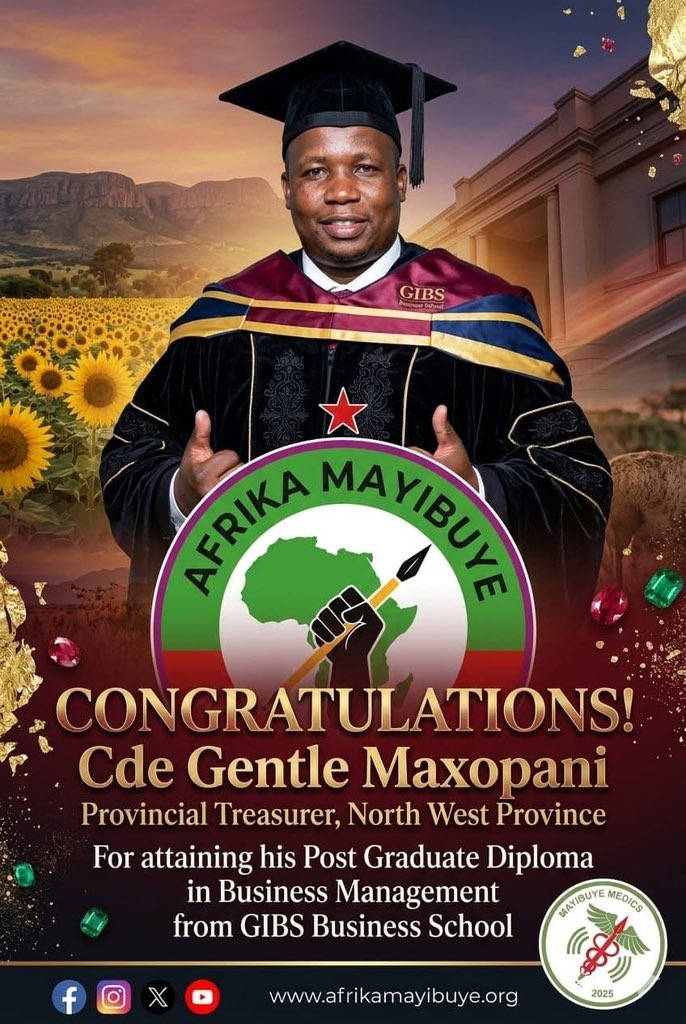
Afrika Mayibuye Movement believes in finding solutions NOW, We are happy that today she can smile and start her life afresh, she has been declared dead for over 7 years.
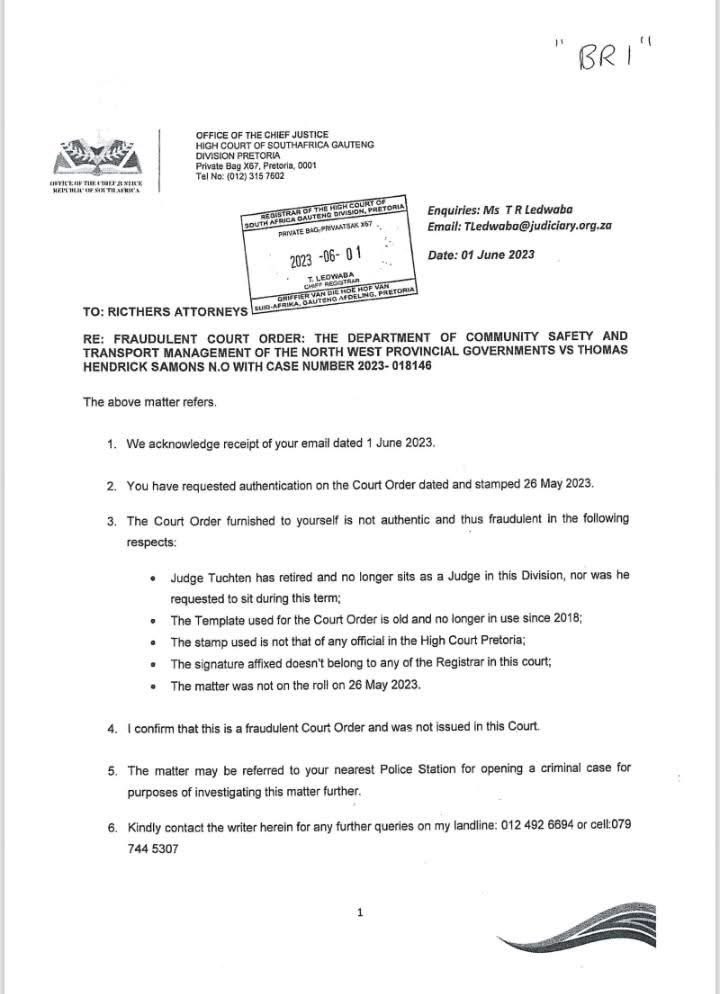
[READ] Excerpts from the supporting affidavit of #MadlangaCommission investigator Tshepo Nyatlo about chats regarding the relationship of Gen Feroz Khan, Mr Mo Sayed and EFF leader Julius Malema.
🚨 ANC MUST BE UNSEATED IN PARLIAMENT- NQAKULA‼️‼️
Ramaphosa must be forced to resign.
There is another big crime he has committed, on a matter of similar nature, besides Phala Phala.
I dont want to say it here.
Ramaphosa is also the reason why the ANC is still having power. These opposition parties who have kept the ANC do so because of Ramaphosa.
I dont understand why opposition leaders in Parliament are not ganging up to remove the ANC in Parliament
They have 60%. ANC only has 40%.
I've been asking these opposition parties: What is holding them up from unseating the ANC!? They say, eish! it looks like some of us have been promised things.
My problem is that even if Cyril goes, another ANC person, the Deputy President, will take over.
The ANC will want him to take over from Ramaphosa
I am not gonna vote for the ANC in November 04. Never!
In 1982, the South African government spent an average of R1211 on education for each White child and only R146 for each Black child.
Over 30% of all White teachers had a university degree, with the rest having matriculated. Only 2.3% of Black teachers had a university degree, and 82% had not even finished high school. More than half had not reached Standard 8 (Grade 10).
Basically, Black learners were taught by teachers who had not completed high school themselves.
For decades, only a few White children failed end-of-year exams and needed to re-sit school grades, since the quality of their education was significantly better. Meanwhile, the fact that Black children were taught in their second or third language meant they were much more likely to fail the end-of-year assessments and re-do a particular grade several times.
There were also limited opportunities for Black students to continue their education, which meant they had less motivation to remain in school, and job reservation policies ensured that white-collar positions were predominantly held by White people, with job options for Black people being mostly limited to manual labour.
This meant that even when Black students succeeded academically, Apartheid laws restricted access to universities and professional occupations. Many White-collar jobs were reserved for White South Africans, reducing the perceived reward for remaining in school.
Today, South Africa suffers from the highest youth unemployment rate among major economies, with millions of young Black South Africans holding matric certificates and university degrees, the very things denied to their parents, but still unable to find work.
The tragedy is that the very problems driving desperation today are the direct results of Apartheid, with the current generational poverty being the compound interest of a century of deliberate economic sabotage.
And when a system denies quality education to 80% of its population for generations, the inequality doesn’t vanish just because the laws changed in 1994.
According to the affidavit submitted by the Whistleblower to the Madlanga Commission, Carim Suleiman owns 800 buses, that he bought from the state owned company, Northwest Transport Investment....
The MEC of the Department was Sello Lehari.
They sold North West Transport Investment busses to a company owned by Suliman Carrim.
They made him the highest creditor, so that they can sell him the fleet for R 25 000.00 per bus, regardless of the condition of the bus.
The same MEC is involved in a 1 billion Rand caterting tender that Suleiman paid Brown Mokgotsi to fight it so that Maumela should get it. Brown lied to Madlanga Commission regarding R 3 million that was send to him to fight this case and they lost it. Mr Mmoloki Cwaile helped Brown to construct letters.
No wonder he booked himself into hospital, before his second return to Madlanga 🤔🤔🤔
By:#PatriciaMashele
Today we held a community meeting in Florah Park and Peter’s Place in Ekurhuleni’s Ward 102. These are areas neglected by the Municipality with no roads, no water, inadequate and deplorable satiation, no electricity. Mayibuye’s mandate is to liberate people from areas like Peter’s Place and Florah Park and we will do so.
Just below our noses, this is what is happening.
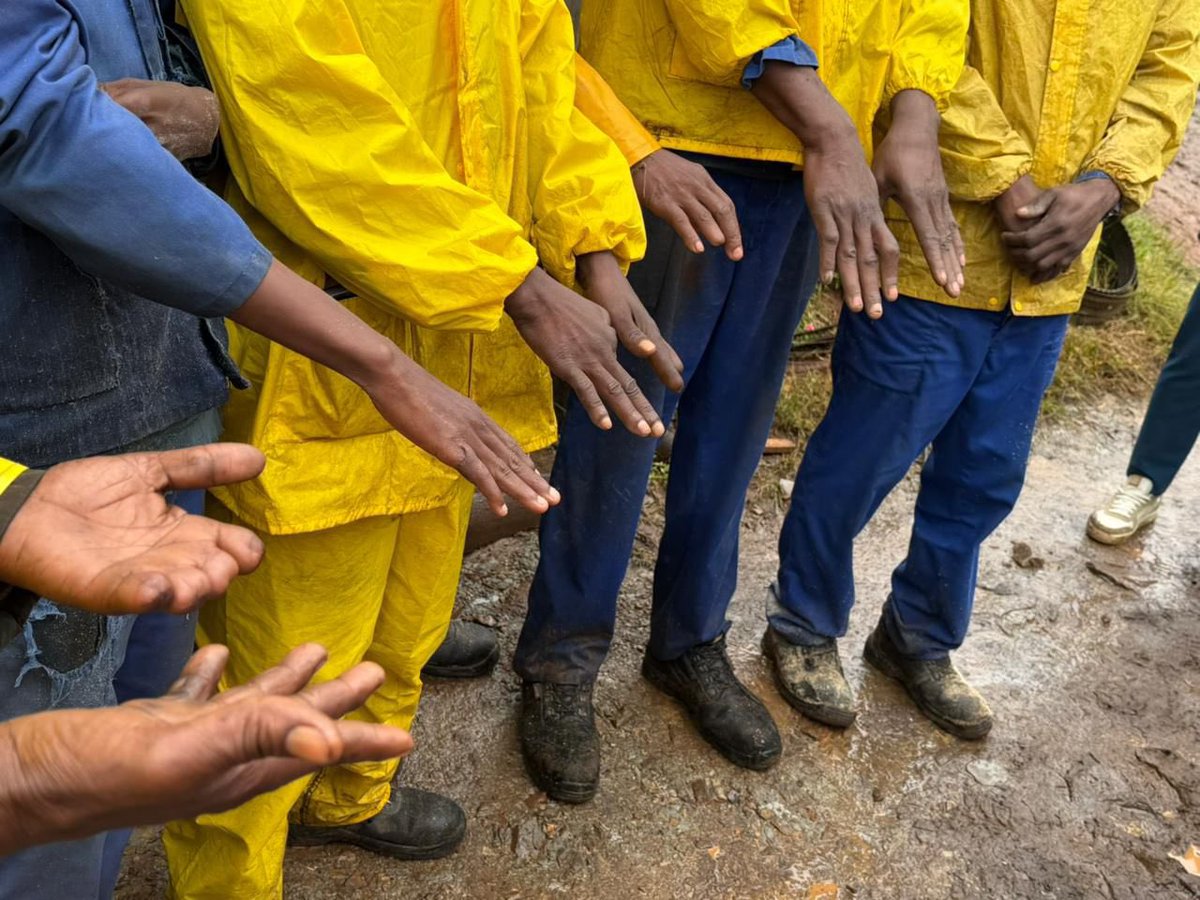
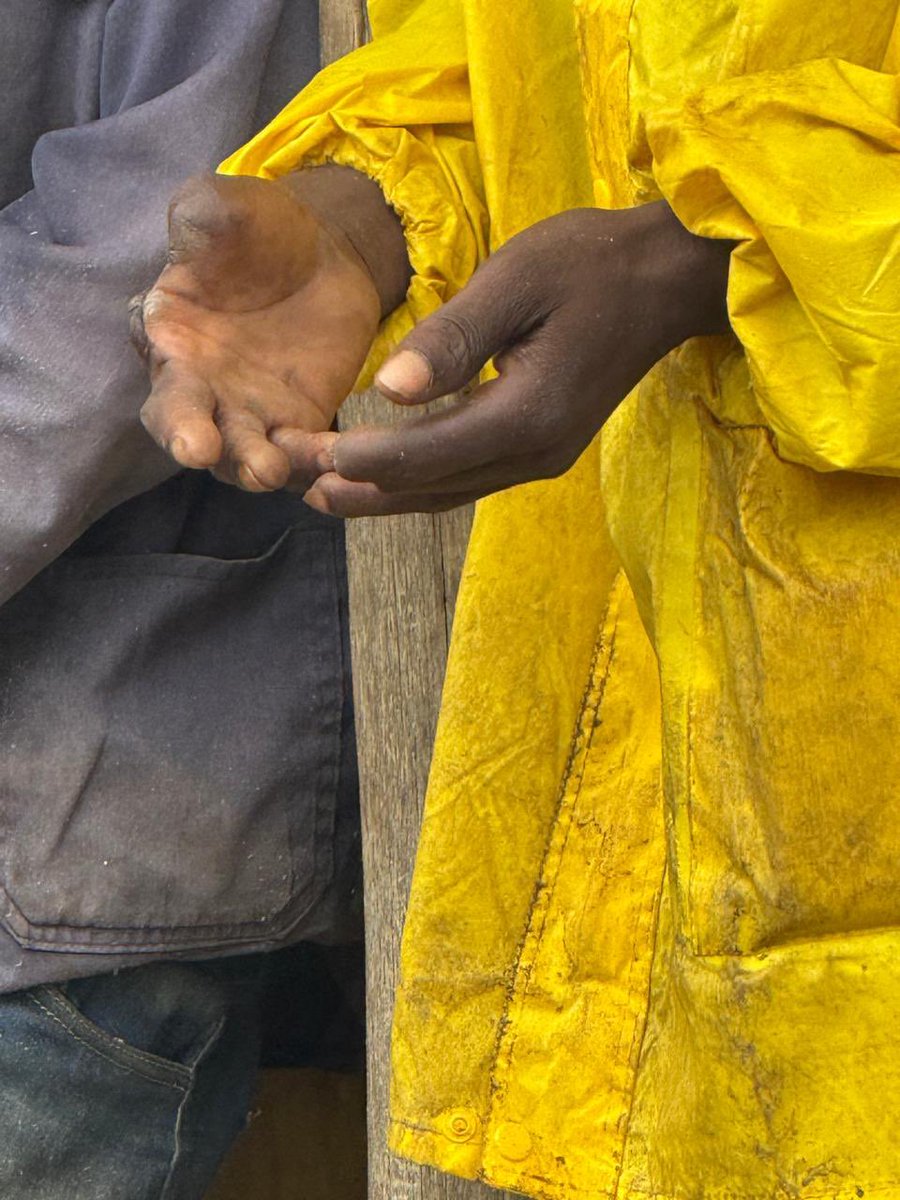
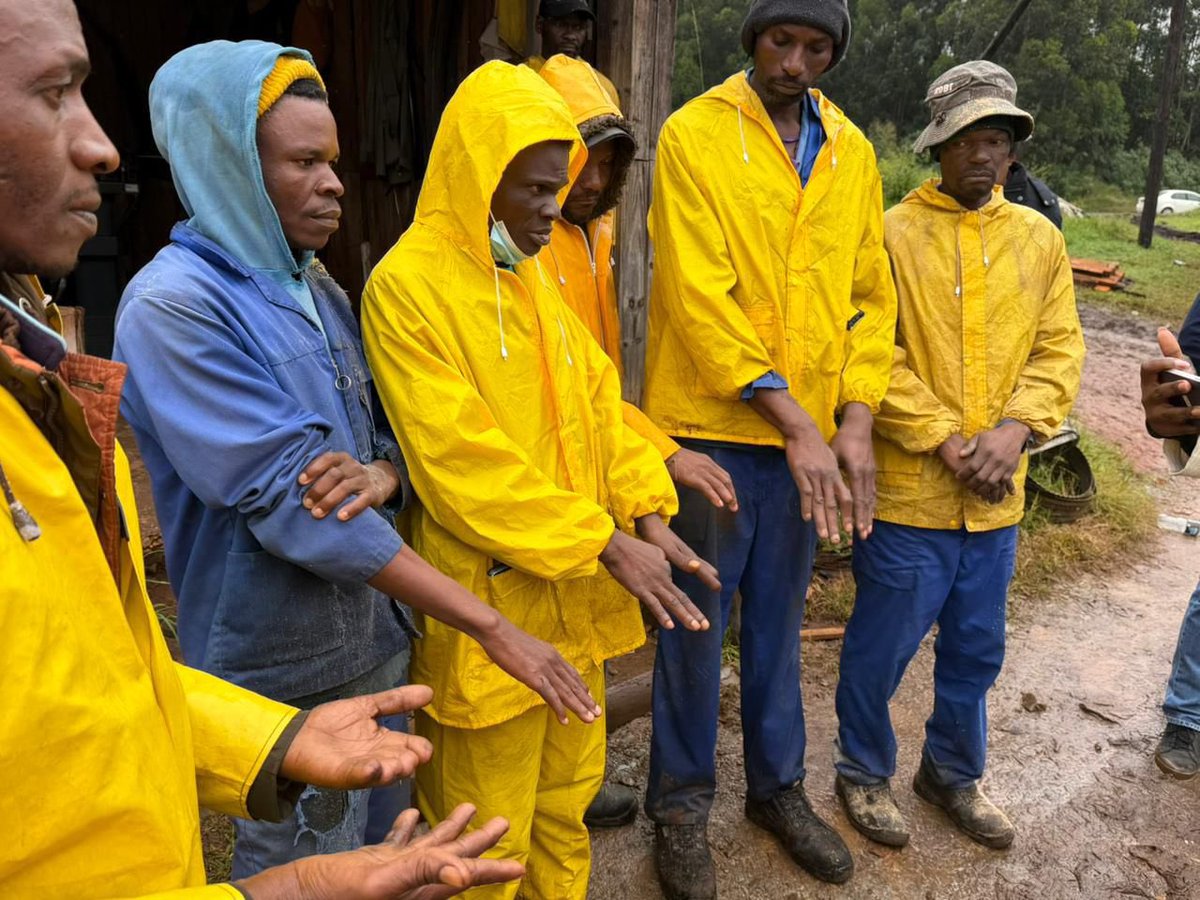
Deputy Minister Jomo Sibiya led a joint inspection team involving labour inspectors, immigration officials, and the police visiting a sawmilling company called Lowpal Timbers in Thaba Chwewu Municipality (Mbombela) What they uncovered is nothing short of a scandal and indictment to unions, government, political parties, including local government:
1. Out of 66 workers, only 12 were South African, despite the law being clear that foreign recruitment should be limited to genuinely scarce skills.
2. Workers have suffered severe injuries, including the loss of fingers and limbs.
3. Not a single injured worker was compensated. The employer registered them and deducted for compensation, but never paid those funds into the Compensation Fund. One worker was injured way back in 2013 - 13 years ago!!! He is still there - not compensated, not counselled - nothing!
4. All of the injured workers are undocumented. As SAFTU has consistently warned, some employers do not hire undocumented workers out of goodwill; they do so because they are easier to exploit and silence.
5. GIWUSA, a SAFTU-affiliated union, has attempted to organise this workplace, but fear is widespread. Workers are too afraid of losing their jobs to stand up.
6. The employer has now been arrested, and the company shut down without workers losing their wages. Compensation will need to be paid to those injured.
This is exploitation in its rawest form, unfolding openly.
We need to return to the drawing board. Unions only organise a quarter of workers today. Something has gone very wrong. But we can still turn it around.


![ZiyandaNgcobo's tweet photo. [READ] Excerpts from the supporting affidavit of #MadlangaCommission investigator Tshepo Nyatlo about chats regarding the relationship of Gen Feroz Khan, Mr Mo Sayed and EFF leader Julius Malema. https://t.co/QegZTKYbbG](https://pbs.twimg.com/media/HKUqkuCWUAArWMT.jpg)
![ZiyandaNgcobo's tweet photo. [READ] Excerpts from the supporting affidavit of #MadlangaCommission investigator Tshepo Nyatlo about chats regarding the relationship of Gen Feroz Khan, Mr Mo Sayed and EFF leader Julius Malema. https://t.co/QegZTKYbbG](https://pbs.twimg.com/media/HKUqkuBXsAACDAy.jpg)
![ZiyandaNgcobo's tweet photo. [READ] Excerpts from the supporting affidavit of #MadlangaCommission investigator Tshepo Nyatlo about chats regarding the relationship of Gen Feroz Khan, Mr Mo Sayed and EFF leader Julius Malema. https://t.co/QegZTKYbbG](https://pbs.twimg.com/media/HKUqkuAWkAAds7G.jpg)









![ZiyandaNgcobo's tweet photo. [READ] Excerpts from the supporting affidavit of #MadlangaCommission investigator Tshepo Nyatlo about chats regarding the relationship of Gen Feroz Khan, Mr Mo Sayed and EFF leader Julius Malema. https://t.co/QegZTKYbbG](https://pbs.twimg.com/media/HKUqkuIXAAEuuHa.jpg)