On the morning of September 11, 2001, Howard Lutnick was supposed to be at his desk on the 105th floor of One World Trade Center, running Cantor Fitzgerald.
Instead, he was taking his five-year-old son, Kyle, to his very first day of kindergarten.
That tender fatherly milestone saved his life, but it came at a staggering cost. At 8:46 AM, American Airlines Flight 11 struck the North Tower right beneath Cantor Fitzgerald’s headquarters. In an instant, 658 of his employees, 67% of the company's workforce, including his brother Gary, were trapped above the impact zone. Every single one of them died.
Lutnick rushed to the scene just as the towers collapsed. Surrounded by dust and devastation, he found himself facing a horrific double reality: he had survived, but he was now CEO of a ghost company. His friends, colleagues, and entire executive team were gone.
In the emotional days that followed, the media aggressively questioned whether Cantor Fitzgerald would simply file for bankruptcy. To make matters worse, Lutnick faced intense backlash when he froze payroll days after the attack. However, he quickly clarified the brutal reality: the firm was bleeding cash, and if it went under, there would be no money left to help the families of the fallen.
Driven by a profound sense of duty, Lutnick made a quiet promise: Cantor Fitzgerald would survive, and its success would belong to the families left behind.
Over the next five years, the surviving staff worked around the clock under extreme emotional pressure. Lutnick pledged 25% of the firm's profits directly to the families of the victims and guaranteed their healthcare for a decade. Through this initiative, Cantor Fitzgerald distributed $180 million to those affected.
But he didn't stop at financial restitution. Lutnick made a legendary promise to every single child who lost a parent in the attacks: when you grow up, you have a job waiting for you at Cantor Fitzgerald.
Years turned into decades. True to his word, as those children reached adulthood, the doors of the firm opened for them. To date, 57 children of the victims have walked through those doors, joining the very company where their parents once worked.
Every year on September 11, Cantor Fitzgerald holds its annual Charity Day, donating 100% of its global revenues to various charities worldwide, turning one of the darkest days in human history into an enduring beacon of hope, resilience, and loyalty.
Before rebuilding Cantor Fitzgerald, Howard Lutnick experienced profound personal tragedy early in life: his mother died of lymphoma while he was in high school, and his father passed away during his freshman year at Haverford College. Facing sudden hardship, the college president and dean granted Lutnick a full scholarship to complete his degree, a act of institutional generosity that Lutnick credits as the foundation for his later philanthropic pledge to support the families of his fallen 9/11 team.
#archaeohistories
I think if I were Caitlin Clark I would consider playing overseas. Peace out to the WBNA who can seem to find their way. Close to being unwatchable basketball.
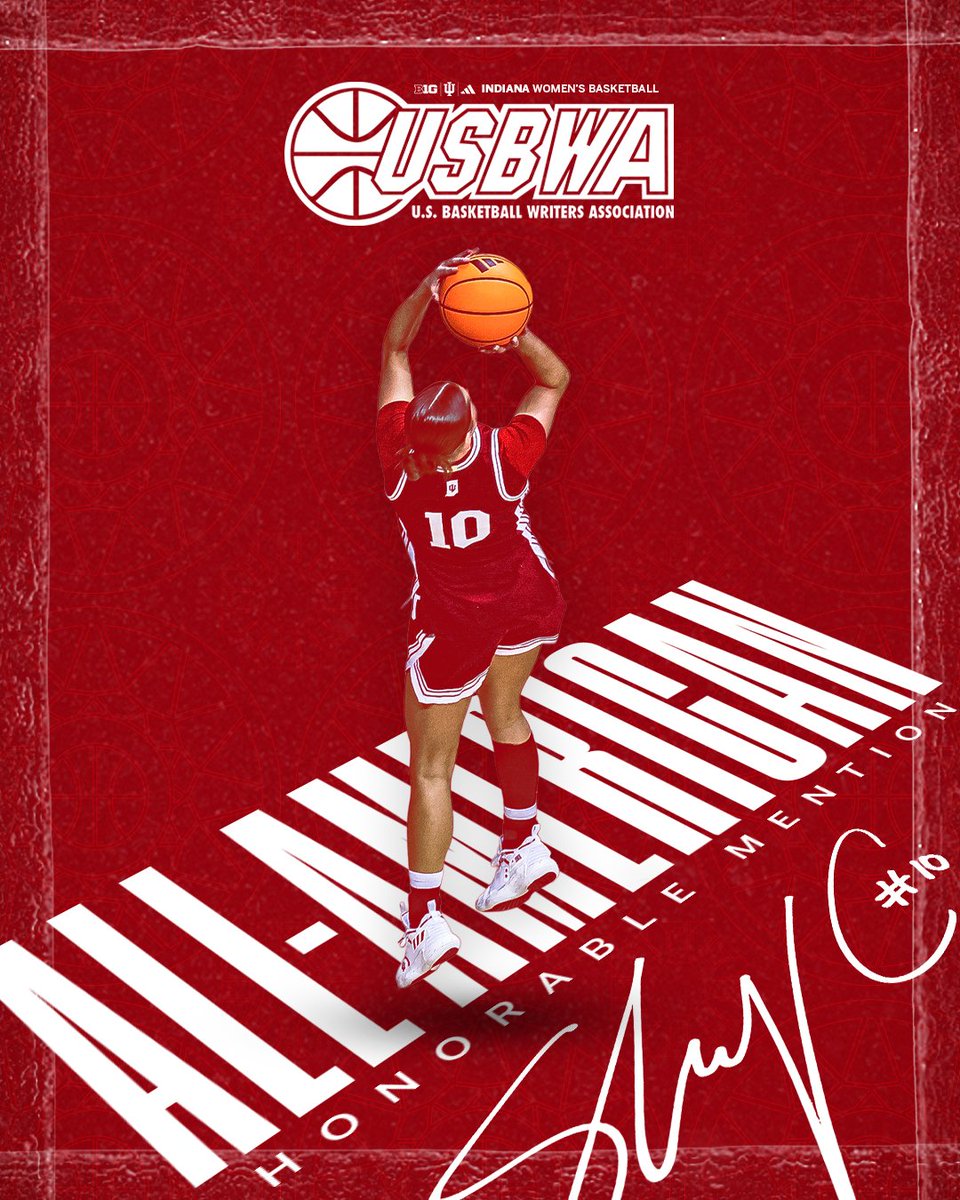
"My first reaction, I definitely had some tears... I'm full of gratitude."
Shay Ciezki, on the big-time opportunity she earned that went official moments before we spoke with her.
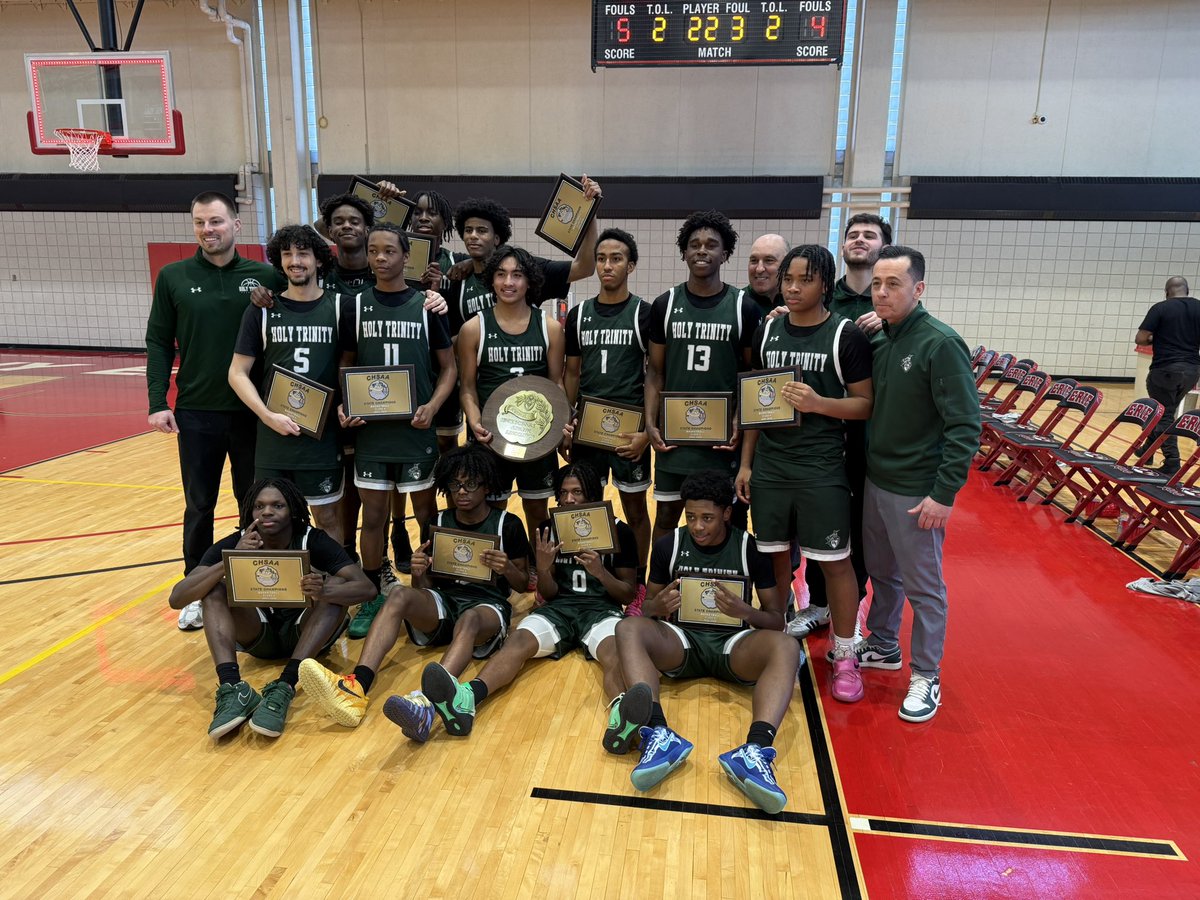
So happy for my high school teammate and lifelong friend Coach Steve Gnus. Patiently waited for his chance to be the head coach and in year one he gets it done! Way to go G-Man!
One of the biggest snubs I’ve ever seen. 50/40/90 club, averaged over 23ppg and the B1G Coaches voted her 2nd team?! Please tell me how that makes sense!🙃
Can’t wait for her to go off in the B1G Tourney! Go Hoosiers!!!!💪🏼⚪️🔴 #iuwbb