It’s not so much about how long you move; it’s how often.
A growing body of research shows that you don’t need long gym sessions to improve health. The 2025 expert consensus statement (citation below) highlights how brief, frequent bursts of movement throughout the day, called short bouts of accumulated exercise (SBAE), can deliver many of the same benefits as structured workouts.
1️⃣ What Is SBAE?
Short bouts of accumulated exercise are small sessions of movement, often 2–10 minutes, performed several times per day.
They “add up” to meaningful totals of physical activity over time.
🟢 Example: Walking up the stairs, doing air squats after a meeting, or brisk walking after meals.
2️⃣ Why It Works
Each short bout boosts blood flow, glucose control, and mitochondrial activity, while breaking up long periods of sitting — a key driver of metabolic and cardiovascular risk.
🟢 Example: Even a 2–5 minute walk every 30 minutes can help regulate blood sugar and reduce insulin spikes.
3️⃣ How to Apply It (Prescription Recommendations)
The consensus provides a practical “exercise prescription” for SBAE:
Frequency: Move every 30–60 minutes, several times daily.
Intensity: Start light to moderate; progress to brief vigorous bouts if tolerated.
Duration: Aim for ≥150 minutes per week of total activity, accumulated in short bouts.
Timing: Post-meal movement is especially beneficial for glucose control.
Type: Prioritize bodyweight or resistance-based movements that activate large muscle groups.
🟢 Example: Three 10-minute brisk walks daily = similar cardiovascular benefit as a single 30-minute session.
4️⃣ Key Benefits of SBAE
Improves insulin sensitivity and glycemic control
Enhances vascular function and blood flow
Reduces inflammation and oxidative stress
Supports cardiometabolic health and mental well-being
🟢 Example: Studies show SBAE improves blood pressure and mood, even in people who don’t meet standard exercise guidelines.
5️⃣ Who It’s For
SBAE is feasible for nearly everyone, including older adults, people with limited mobility, and those managing chronic conditions like type 2 diabetes or cardiovascular disease.
🟢 Example: Breaking up sitting with 2–5 minutes of movement is a practical, accessible strategy for desk workers and older adults alike.
6️⃣ Future Directions
The consensus calls for research into:
Optimizing intensity and timing for different populations.
Using wearable tech and AI to track and personalize SBAE.
Integrating SBAE into clinical guidelines for chronic disease prevention.
You don’t need a gym or an hour - just consistency.
Short bouts of accumulated exercise break the “sit–disease” cycle, enhance metabolic health, and make movement accessible for all.
Yin M, Chen P, Mao L. Expert Author Group. Short bouts of accumulated exercise: Review and consensus statement on definition, efficacy, feasibility, practical applications, and future directions. J Sport Health Sci. 2025 Sep 18:101088.
This paper outlines a stepwise progression of exercises and activities that can be used in rehab for Achilles tendon-related issues to gradually build tolerance and function over time.
Check out our full YouTube video about Achilles Tendinopathy to learn more!
https://t.co/BKztKtjdGT
No drugs, more sex? And Rock'n Roll: effective non-operative treatments and practical management strategies for older adults with lumbar spinal stenosis
https://t.co/xijJxJFbRB
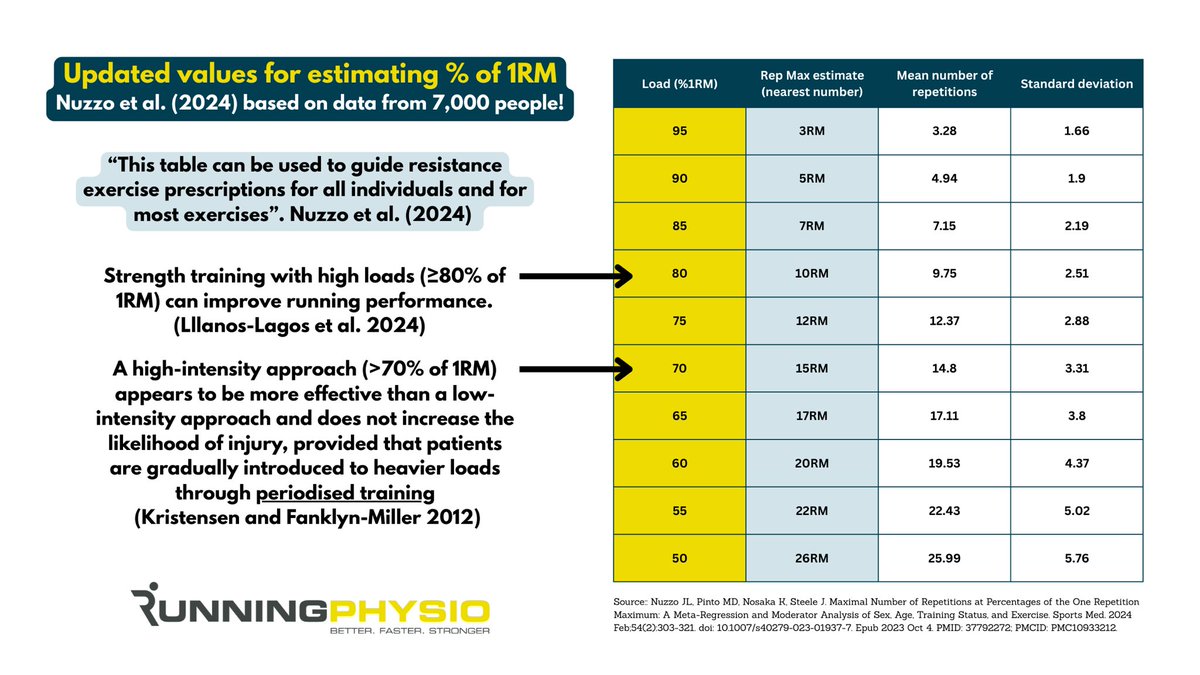
It's recommended that we load at ≥70% of 1 Rep Max during rehab but what does this translate to in terms of reps to fatigue? Nuzzo et al. (2024) suggests 70% of 1RM is ~15RM which is a good place to start with loading & can be progressed towards 6RM (& heavier) as symptoms allow
¿Evalúas a tus jugadores con FMS? ¡Esta herramienta te facilita todo!
Hemos creado una hoja de Excel especializada para aplicar el Functional Movement Screen (FMS) de forma individual con jugadores de fútbol ⚽️
¿Quieres la herramienta?
✉️Deja tu correo en los comentarios
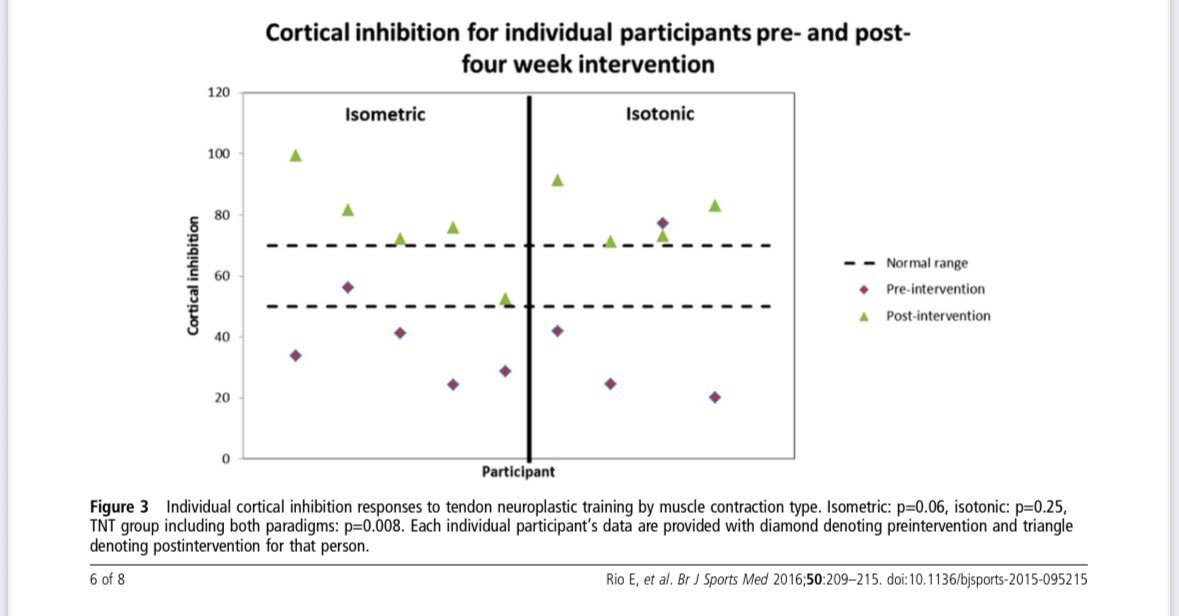
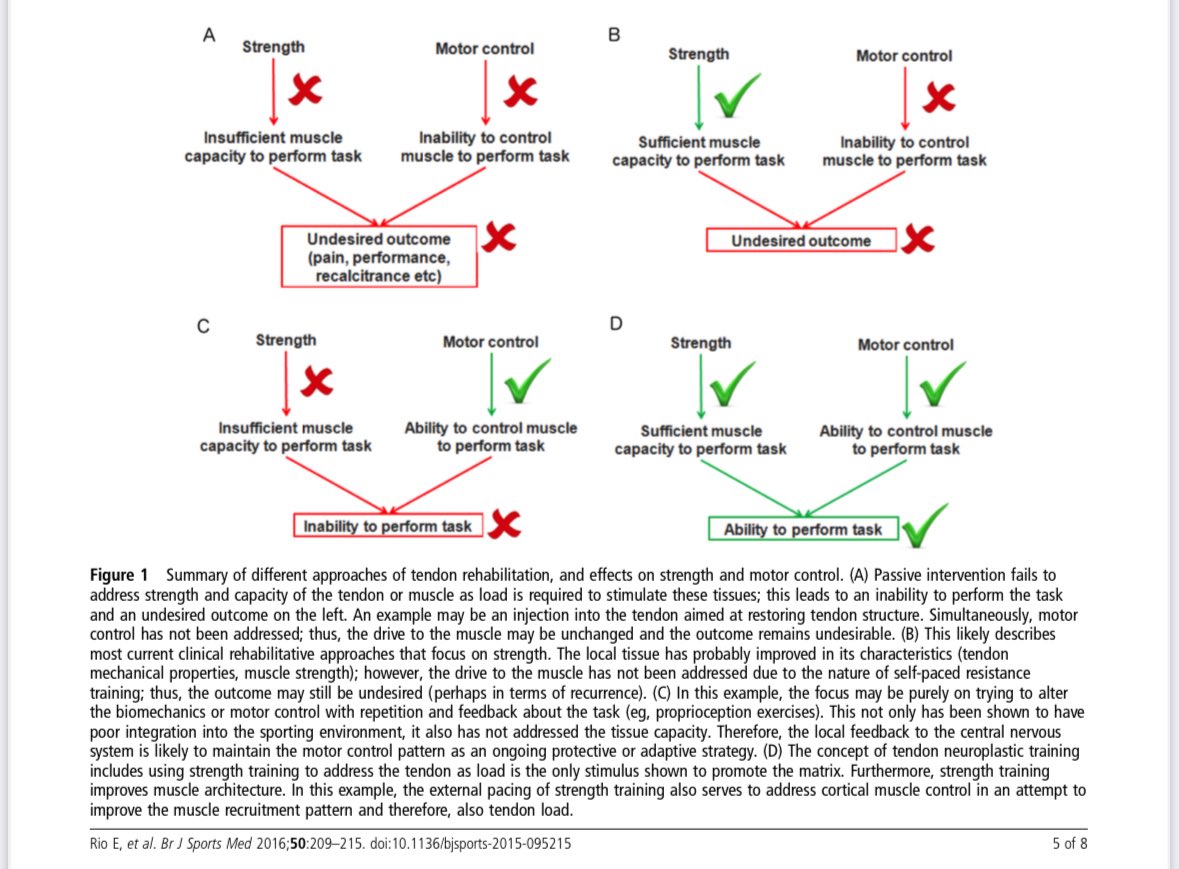
🧵 El entrenamiento neuroplástico del tendón no es ciencia ficción. Es el futuro (y presente) en la rehabilitación de tendinopatías.
¿Qué es, por qué importa y cómo se aplica? 👇
https://t.co/xAuiQSWFEw
#AndresEsteban 🇪🇸
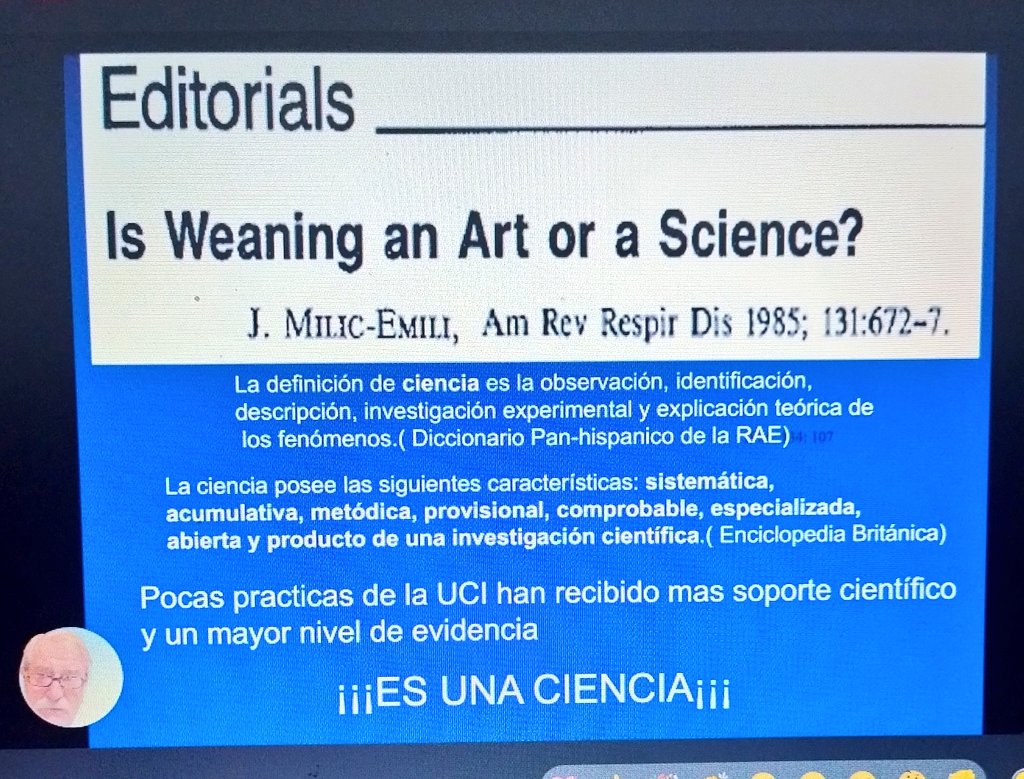
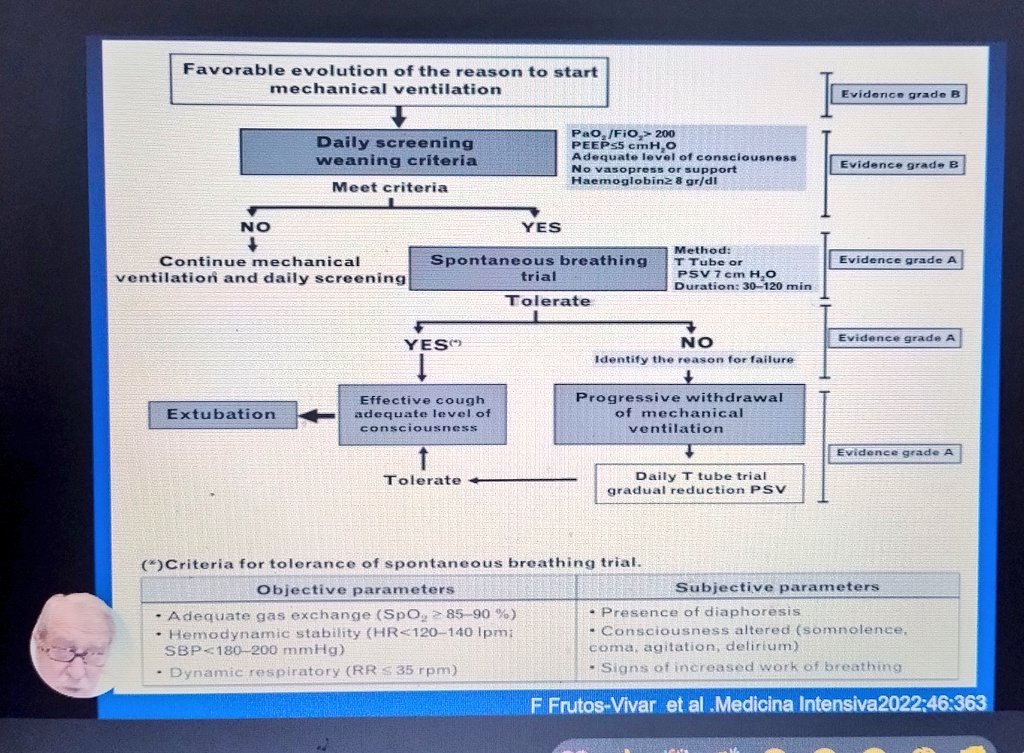
Desvinculacion de la ventilación mecánica #Weaning
La historia contada por quien la escribió, un lujo que nos dimos un jueves cualquiera en Argentina 🇦🇷
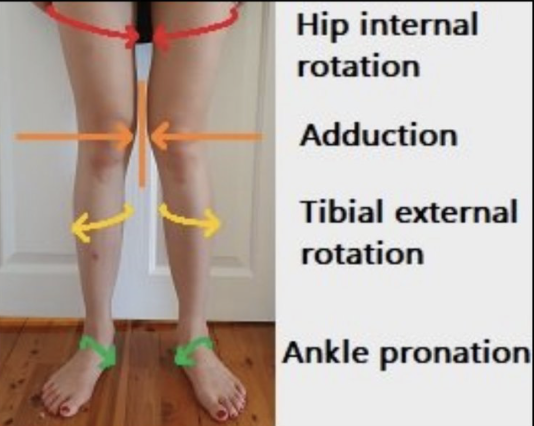
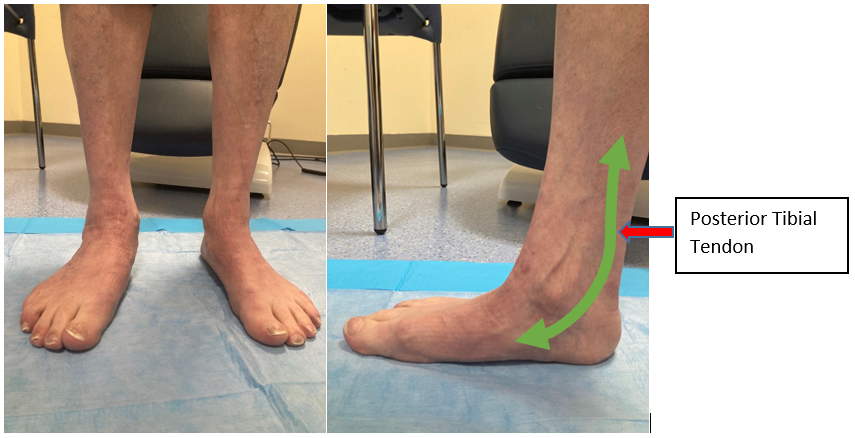
Over-pronators are prone to suffering from PTTD
(Posterior Tibial Tendon Dysfunction)
1. Ankle Pronation
2. Collapse of the Arch
3. Lack of Big Toe Control
4. Excessive Tibial External Rotation
5. Uncontrolled Hip Internal Rotation
All common biomechanical deficiencies I see within people who tend to over-pronate
A main contributor to these patterns is due to a weakness within the Posterior Tibialis
The Posterior Tibialis is one of the primary 'supporting' muscles of the arch of the foot
Strengthening the Posterior Tib is a critical for recovery from PTTD (example exercise in post below)
But like I said, PTTD isn't just a Posterior Tibialis issue..
Over-Pronation creates a kinetic chain disaster & it's vitally important to the address the issue through a collective "From the Ground Up" approach
🧵 ¿Cómo progresar la carga en pacientes con dolor patelofemoral sin pasarnos… ni quedarnos cortos?
Este estudio analiza 35 ejercicios y propone una forma de clasificarlos por carga real.
Lo explicamos paso a paso. 👇
�� https://t.co/0qEmF2KL4d
Our last study published in @JPhysiol!
We discuss the potential relevance of the muscle memory theory in different fields, from health to athletic performance or sports integrity.
https://t.co/mHxC3K53SC
W/ @SitkoSebastian & @adrian_science
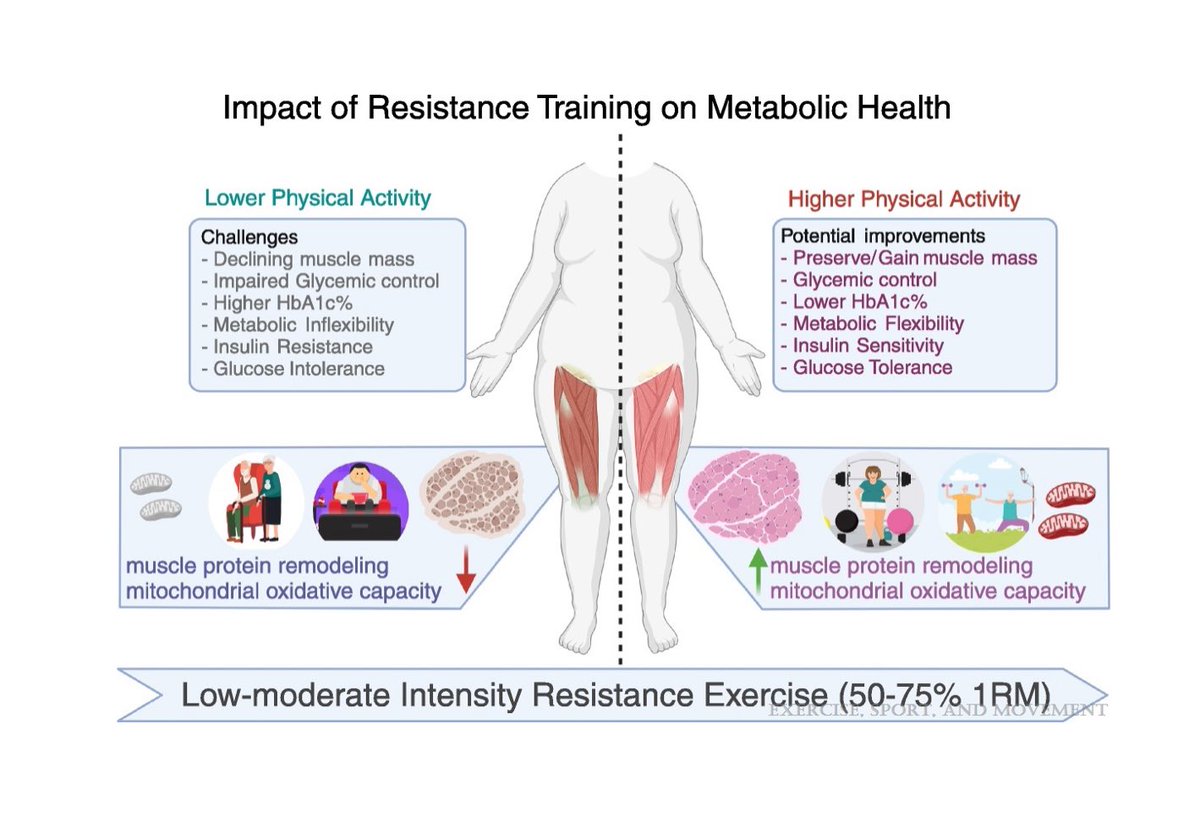
The Health Benefits of Resistance Exercise: Beyond Hypertrophy and Big Weights
https://t.co/kMj1lG6AgJ
Participation in RT can increase physical and cognitive function, improve cancer survival, and manage metabolic health.