It's so important for teachers to understand the implications of Cognitive Load Theory & the limitations of working memory for their students. But it's just as important for them to understand the importance of those things for themselves... A🧵
@tombennett71@MePeterNicholls There’s an easy solution. Stop comparing children against each other and test to a set standard. Allow children multiple attempts until standard is met (online units), like a driving test! If the aim is to better educate then the current system is not fit for purpose.
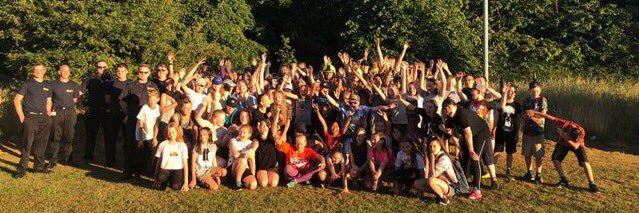
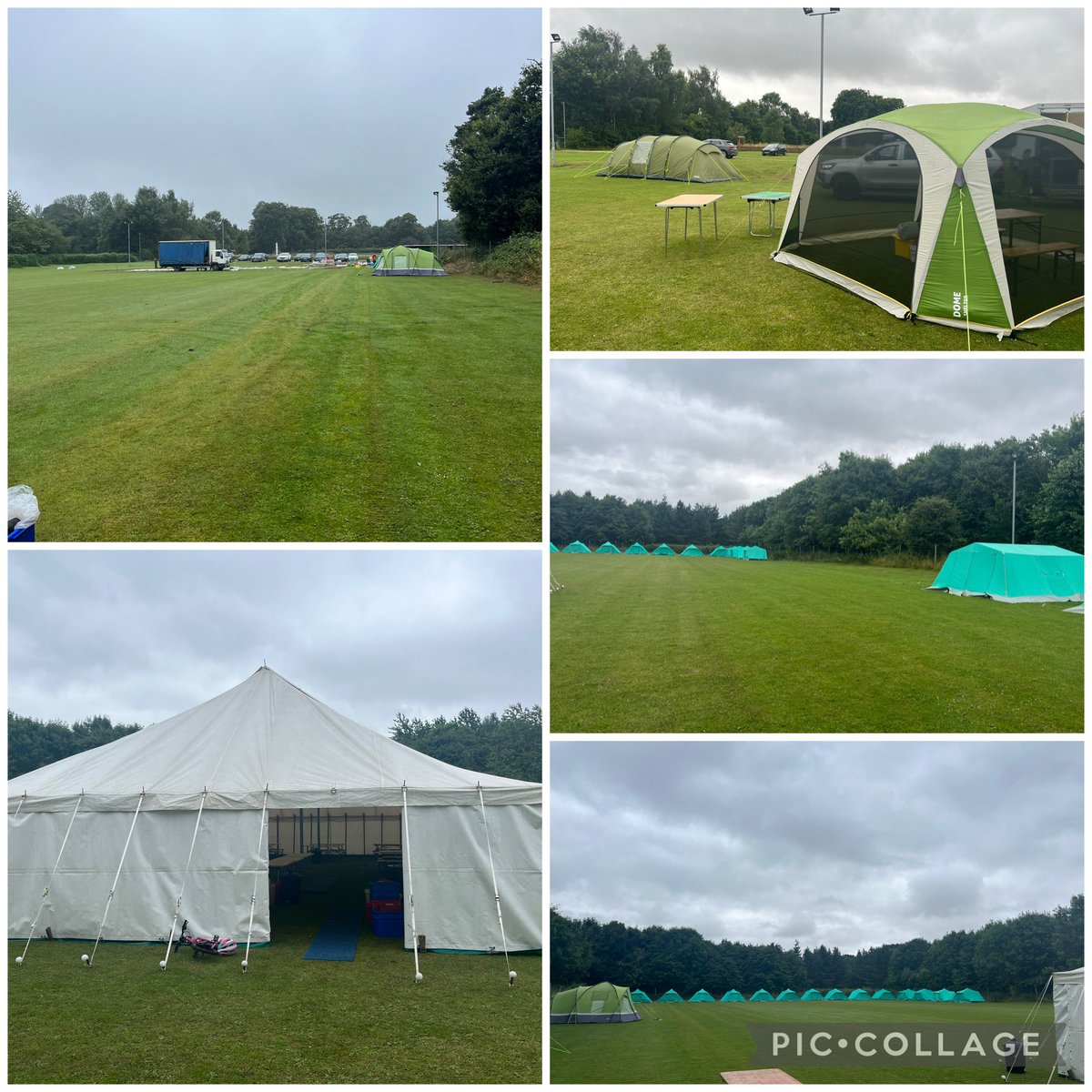
It’s that time of year again, our camp site is set up and ready to welcome our Year 7 students tomorrow morning.
Thank you to the parents and staff who helped with camp set up!
Please remember student drop off is 9am tomorrow morning.
#normanbycamp@WintertonWCA
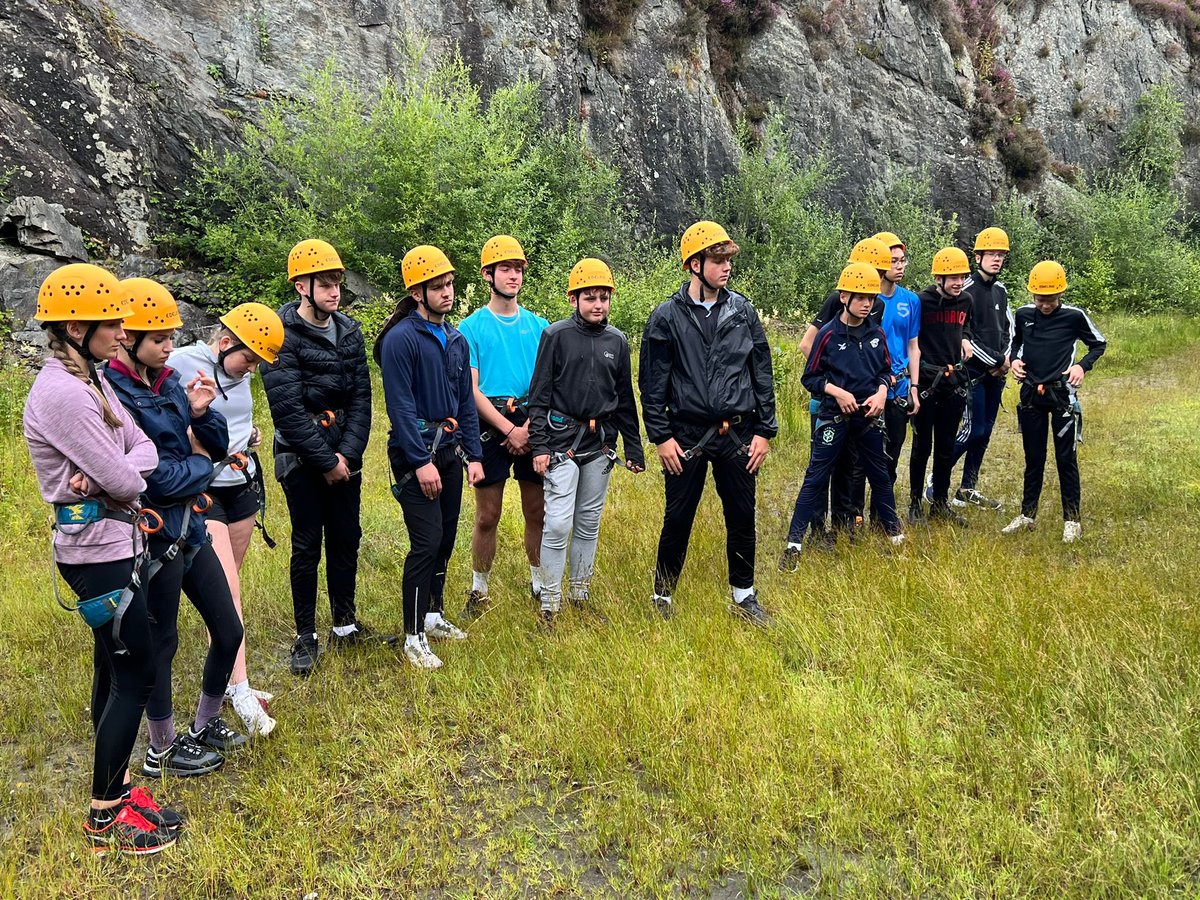
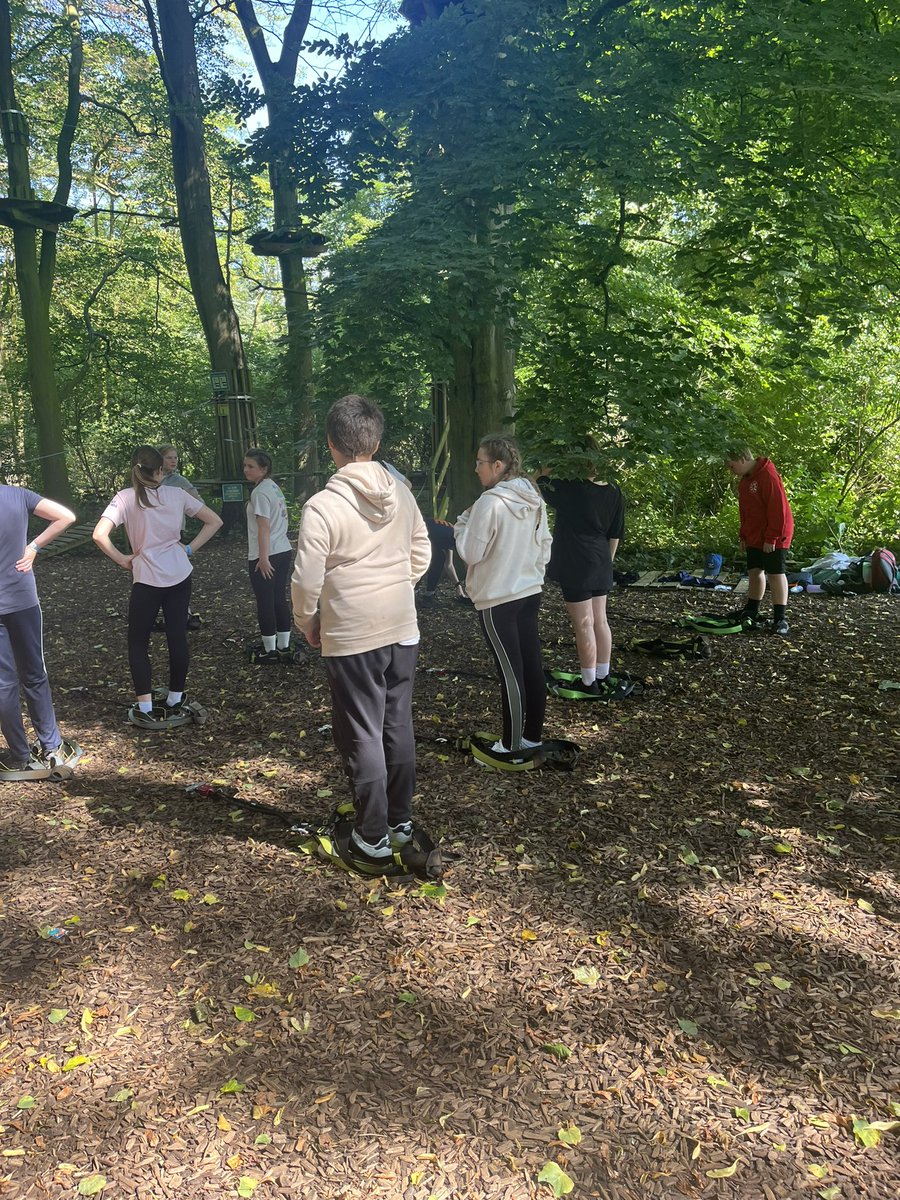
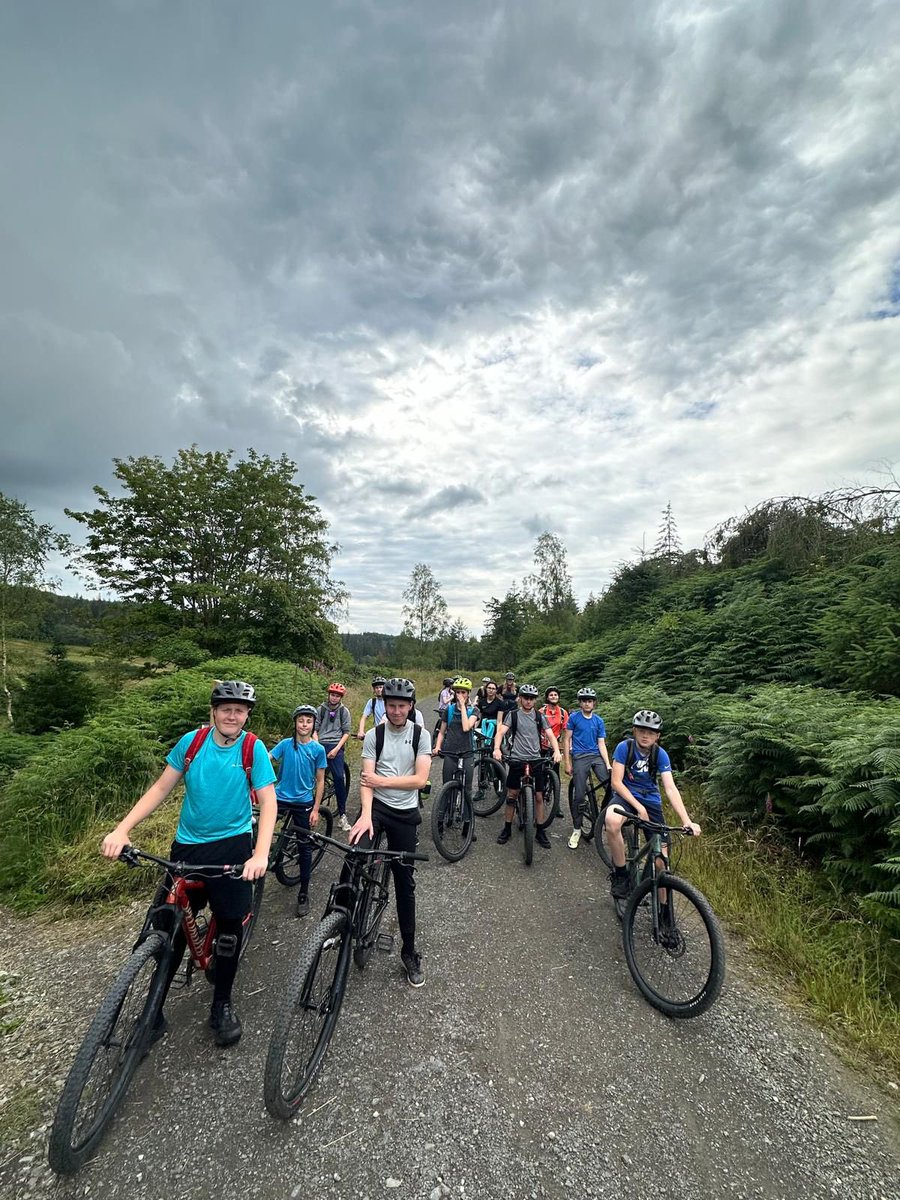
First full day of activities for the year 9’s in the Lakes.
Group 1 mountain biking and kayaking.
Group 2 Rick climbing and ghyll scrambling!
#year9residential@WintertonWCA
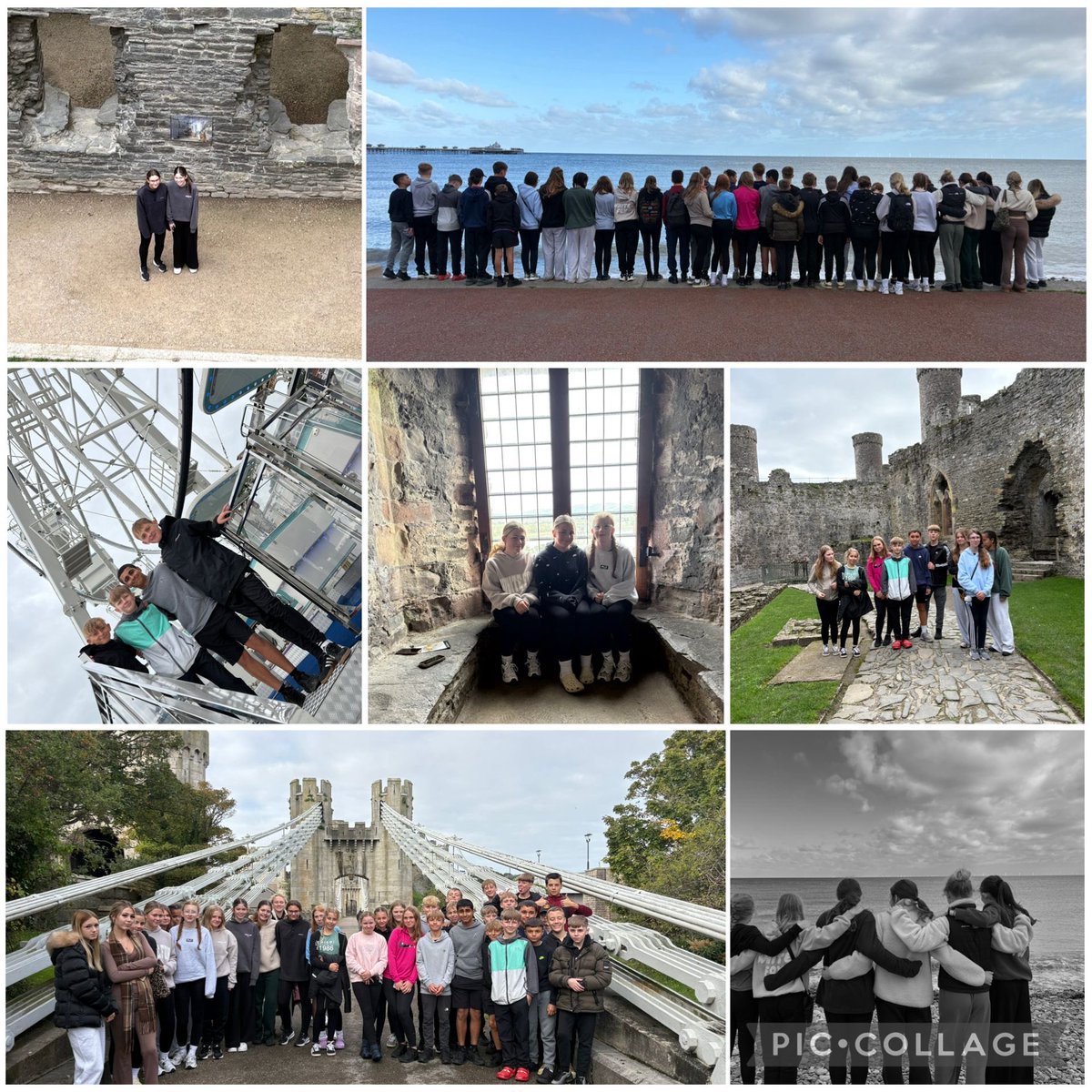
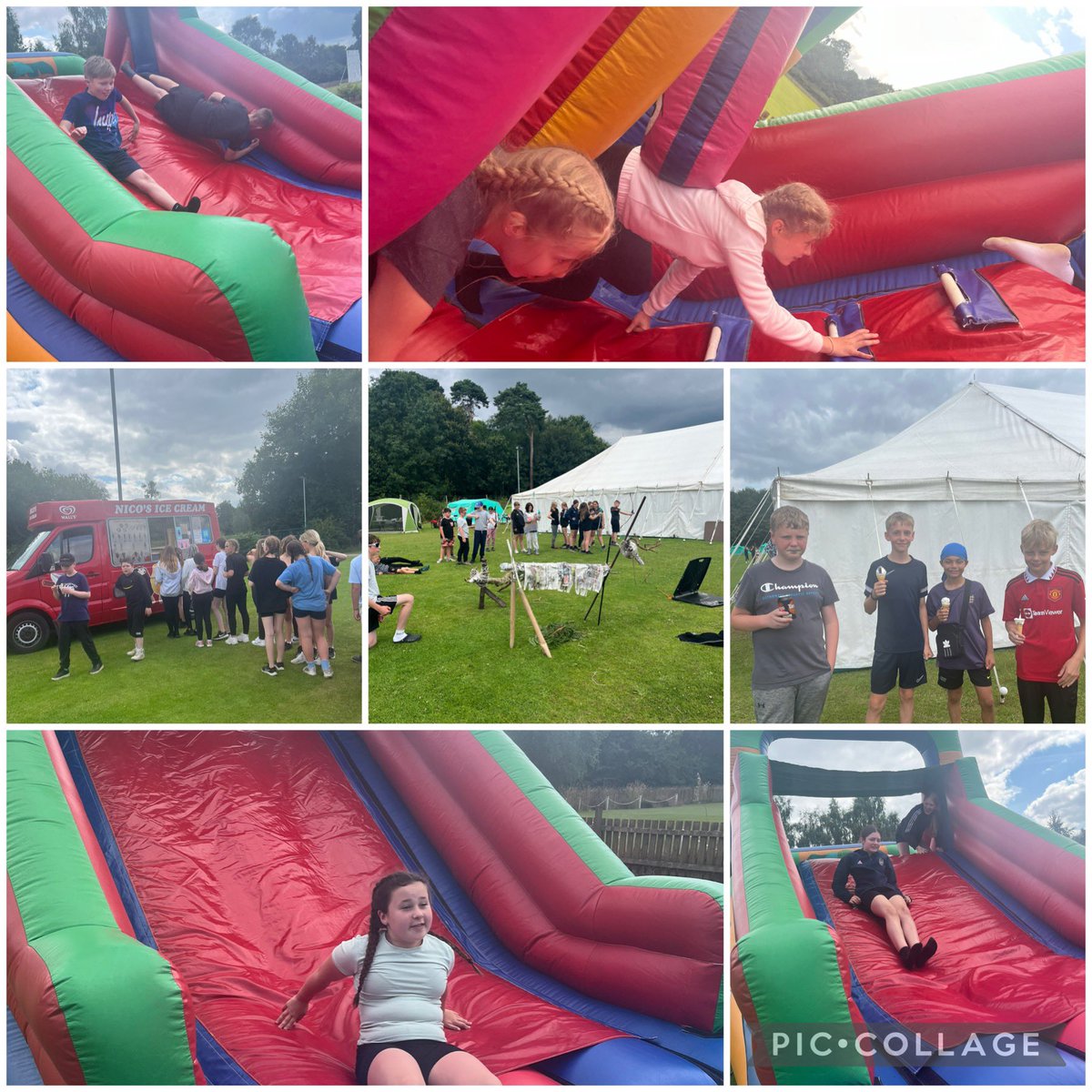
Day 2 of Camp
Following a very wet night, all the students enjoyed a day full of activities
Day walk, Judo and Archery
#busyday#year7residential@WintertonWCA
"Norms are the unwritten rules that govern the behaviour and attitudes of a group(such as a society or school). They are so powerful that they tend to override more formal rules or policies." @PepsMccrea
A short post about "Cold Call"
Cold Calling is a questioning strategy that I first read about in Teach Like a Champion 2.0. I used to use the term a lot when delivering training/INSET, but I tend to avoid it now for three reasons:
1. Some people are irrationally triggered by it as a term for political and ideological reasons
2. Lots of people think they understand it, but don't
3. TLAC includes a number of different variations, which makes it difficult to discuss and debate with people who haven't read it
For me, the key takeaways from reading and learning about Cold Call are
A. That the teacher is in complete control of who is being asked questions, and has a justification for why particular students are asked particular questions. I think there are simple rules of thumb that can help teachers make these decisions in the classroom. I wrote more about that, including the rules of thumb in these two blogs:
https://t.co/hiSOXKHPy9
https://t.co/QbD3S7W25M
B. That the teacher puts the name of the student at the end of the question, every time. This is to ensure all students are constantly paying attention, and know that they could be asked a question at any point. I wrote more about that here:
https://t.co/FKsAyoYLPQ
I'd encourage people to read TLAC and the blogs above if they have a problem with Cold Calling. It's a strategy designed to help teachers get the most out of their students in a range of lesson phases, and isn't particularly difficult to implement sensibly and sensitively. It's not rocket science, it isn't evil, and it's a guaranteed way to improve your questioning.
My youngest loves her new Spanish teacher. “We got started learning right away. Like the first day we were in it. Made me realize how much i was going to learn & that she valued our time.”
Good reminder. Start fast.