Evolutionary biologist|botanist|bioinformatician. Associate Professor @UofAlabama Biology. Curator @UofAlabama #Herbarium @CONSERVE_group Tweets are my own.
Interested in target capture sequencing?
@madiraibullock and I are happy to announce a new service at TTU. Send us DNA, get reads enriched for your probes. Angiosperms353, GoFLAG, Compositae1061 & more!
Funds go to grad student stipends and tuition!
https://t.co/N6h13IbLFw
⚠️Here’s yet another option other than BioRender! ⚠️
📢 SciDraw is a free repository of high quality drawings of animals, scientific setups, and anything that might be useful for scientific presentations and posters.
🔁❤️Free Science! RIP BioRender!!
ChatGPT generates fake references to papers that don't exist.
So, researchers at Stanford built Storm.
It's an AI-powered app that generates well-researched articles with references to published sources.
Here's how to use it:
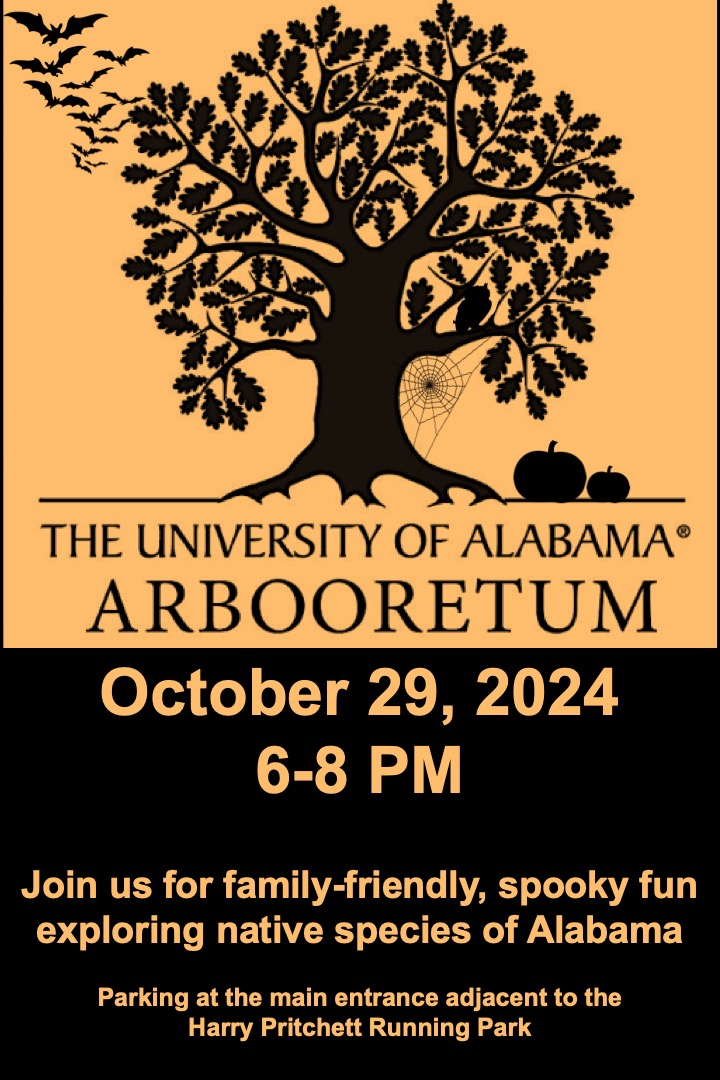
Come explore the spooky side of biology at the UA ArBOOretum on Tuesday, October 29 from 6-8PM! New activities for 2024! Return of the Trick-or-Treat Trail! @UaDeptBSC@UA_AS@uamuseums@UofAlabama@tuscaloosacity
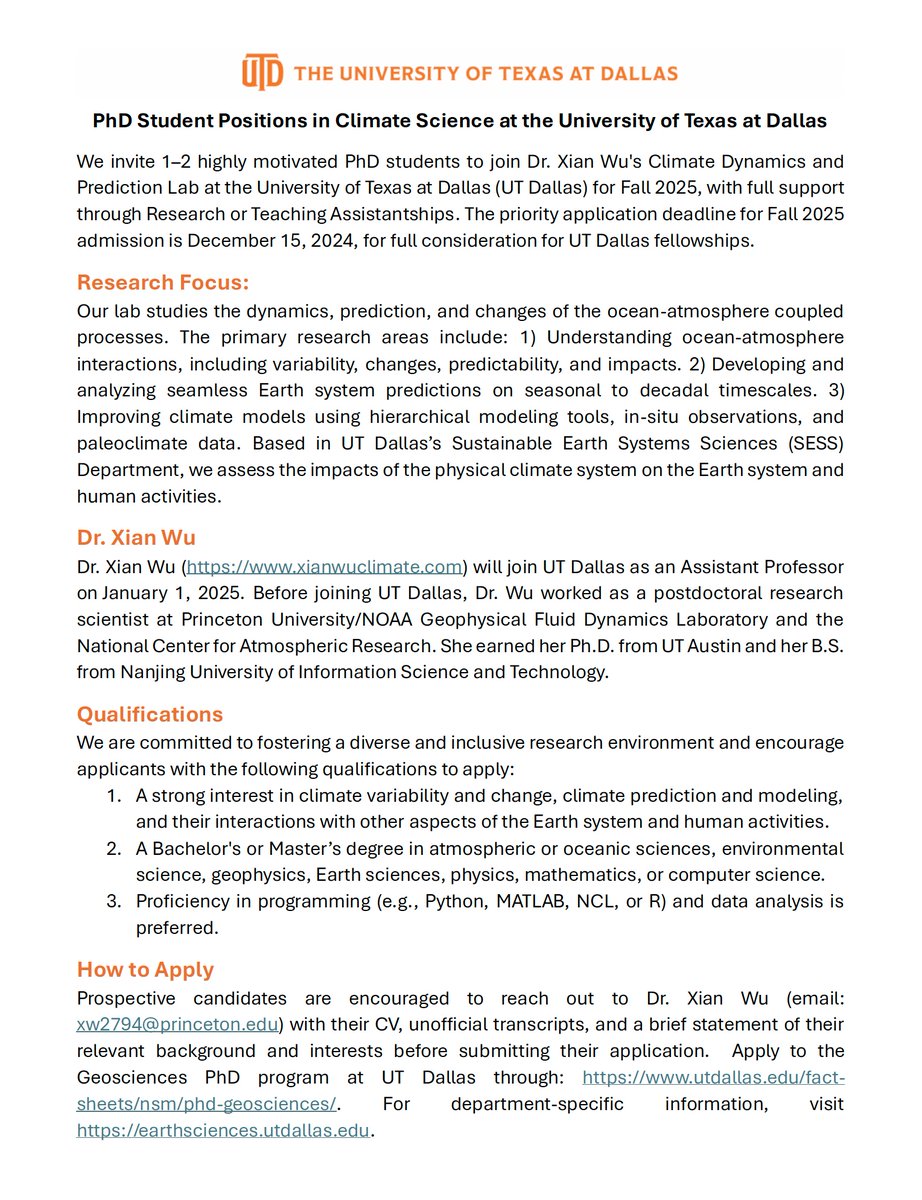
I’m joining @UT_Dallas as an Assistant Professor starting January 1, 2025, and I’m looking for 1–2 #PhD students to join my lab to study Climate Dynamics and Prediction. Feel free to reach out, and retweets are appreciated!
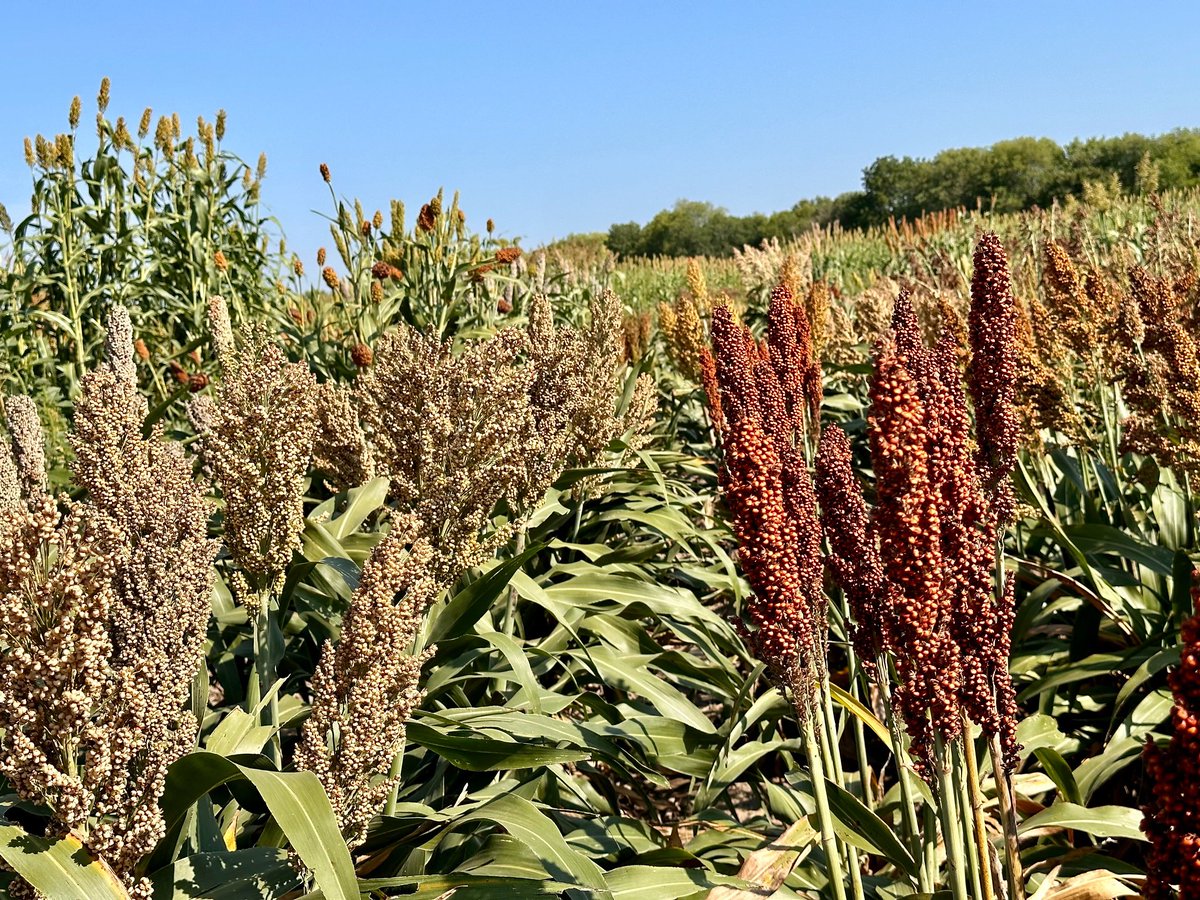
How do sorghum plants adapt to different environments? Mapping the genes controlling phenotypic plasticity for flowering time and plant height by testing 300+ sorghum varieties in eighteen different environments across the USA (14 to train and 4 to test).
‼️For the Fall 2025 semester, I am looking for a PhD student to study predator-prey interactions in fossil and modern mollusks from the Isthmus of Panama as part of a collaborative @NSF-funded project. Please share widely, and get in touch if interested. @UAMNH@uamuseums@UA_AS
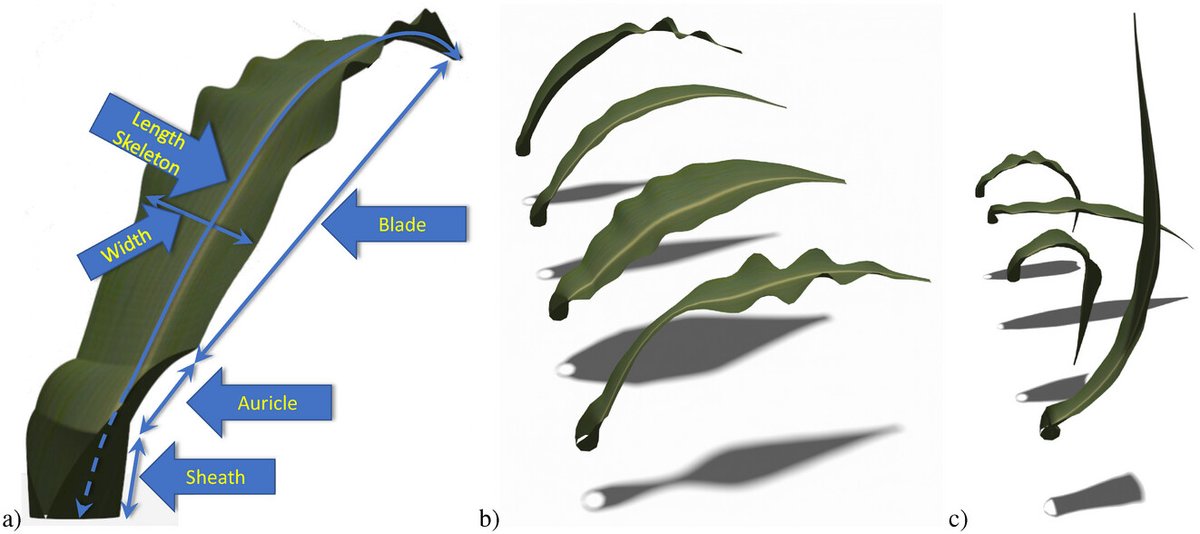
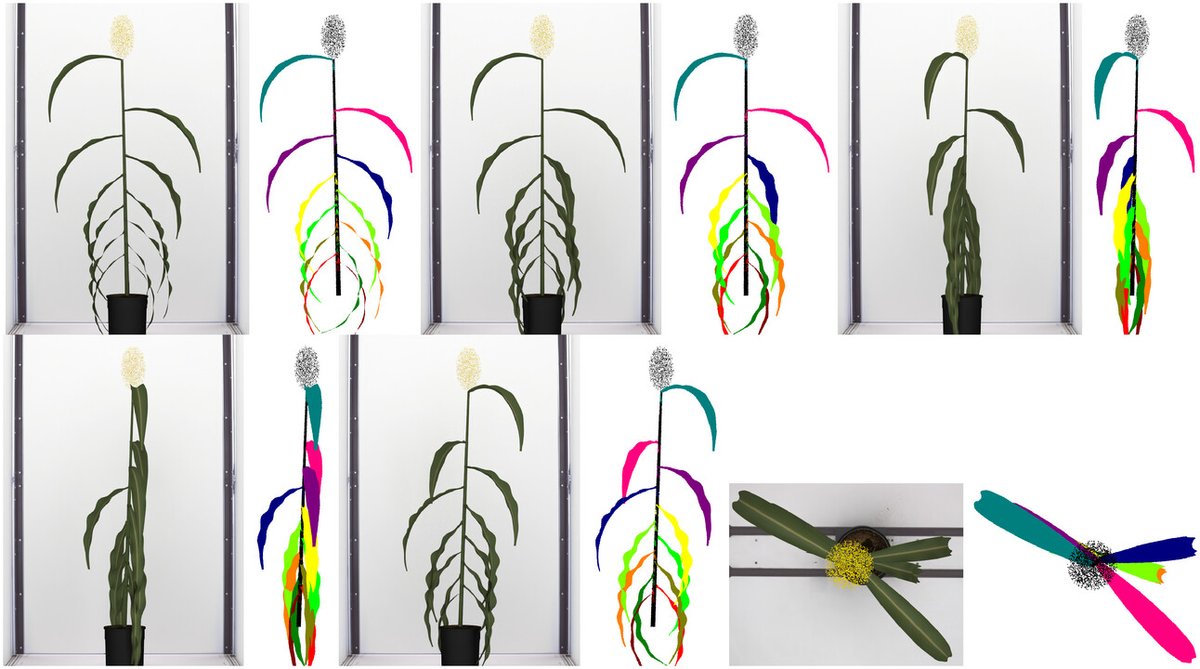
Procedurally generated 3D sorghum models produce training data that teaches AI models how to segment individual leaves in photos of real plants. Really fun project with the Benes lab team at @PurdueCS. @UNL_PSI@unlagrohort (1/2)
Very excited to see our @PNASNews paper led by @leg2015 on deep learning maps of plant species using remote sensing highlighted in Berkeley News!
https://t.co/5px7FAg9ic
@UCBerkeley @Cal #MOILAB
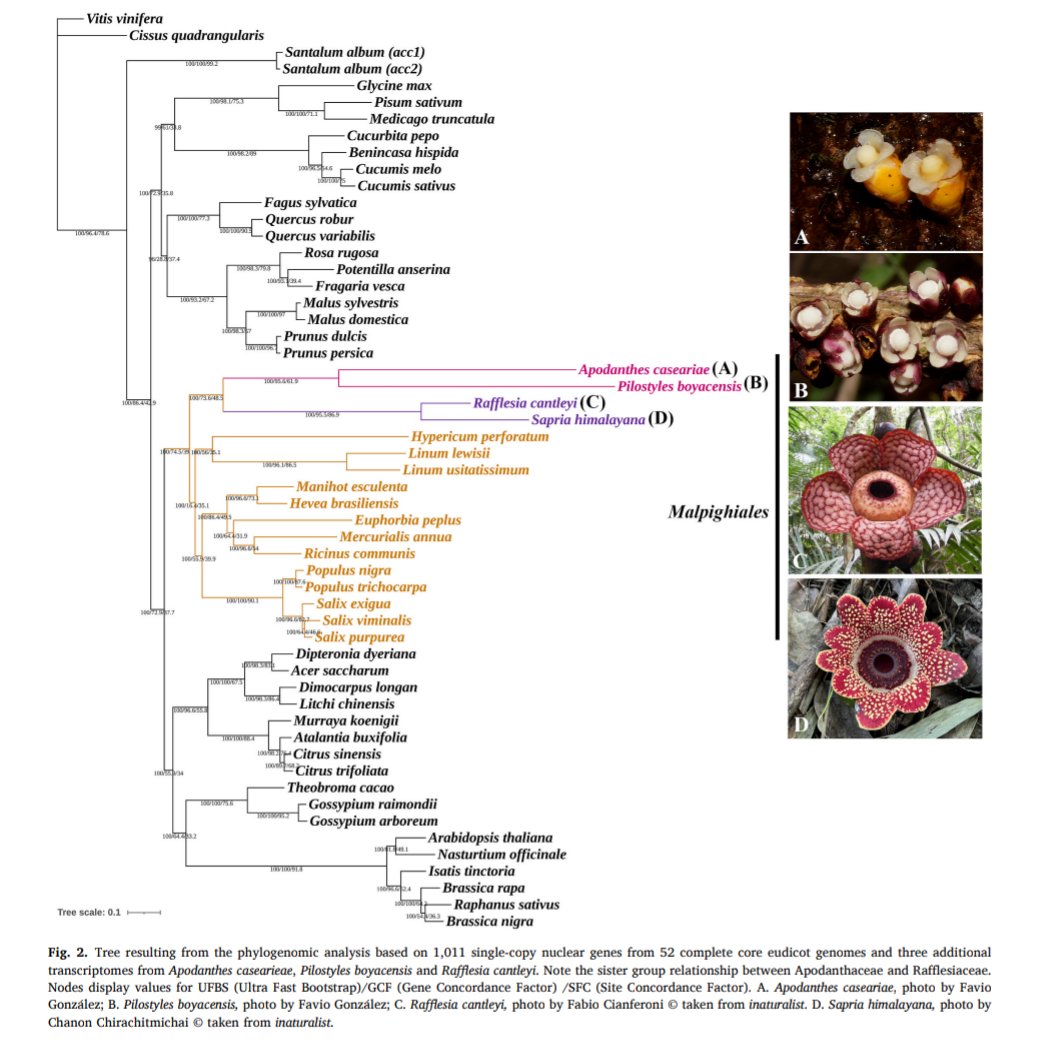
Dear botanical friends, in our new paper we show that Rafflesiaceae and Apodanthaceae come back together! using >1000 single copy nuclear genes and rDNA. Check it out for historical facts and potential synapomorphies. #cienciacriolla#madeincolombia https://t.co/fnvggbuHf9