Teruskan buy the dipmu sampai tetanggamu nyinyir.
"Ini orang belum punya anak, gak punya kendaraan mewah, pengusaha juga bukan, kok rumahnya disita bank”
Nyok, I'll Start
15 ++ Years Finance Karir belon pernah liat Tail se Tail Tail nya Event kaya gini
So i will put 20 Years into Context:
TLKM's LTM shareholder yield stands at 9.91% Plus Buyback jadi Dobel Digit Yield. A -6.91σ move in a high-yield, cash-generative SOE doesnt just happen without Extraordinaire Trigger.
Today is a once in 20 year event empirically it is the single worst day in TLKM's entire listed history on this dataset, exceeding the GFC peak by 4.6 percentage points.
Fat tails real and material. Excess kurtosis of +2.90 confirms TLKM's return distribution has significantly fatter tails than a normal distribution. Even so, today -14.49% sits beyond empirical 99.9th percentile (-9.08%) Outlier diantara Outlier.
Dan triggernya apa Bos ?
Stupidity Infinity
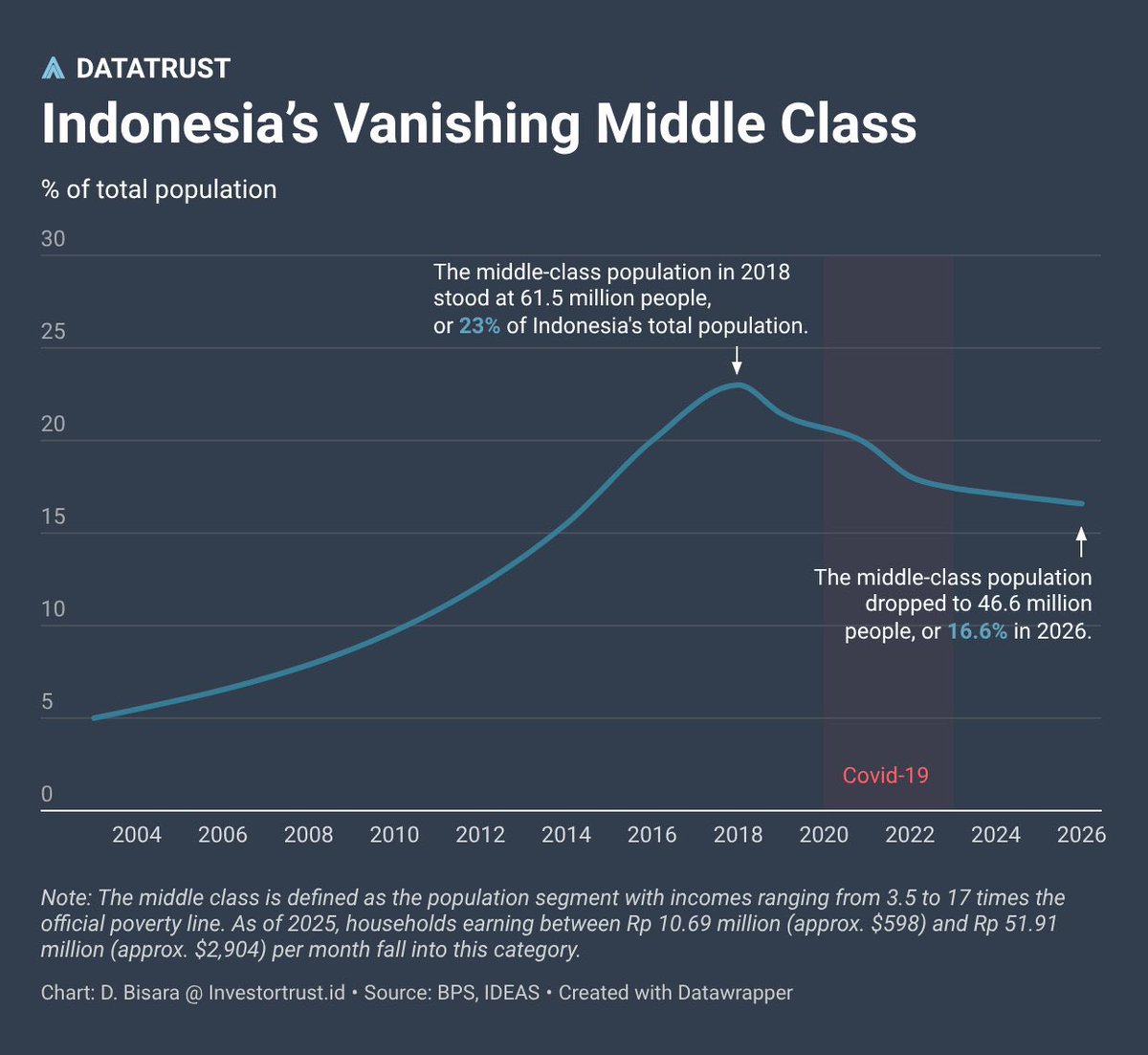
This chart should terrify policymakers. Indonesia’s middle class did not merely slow down. It went into reverse.
After two decades of expansion, the middle-class population peaked at 61.5 million people in 2018, representing 23% of the population. By 2026, that figure had fallen to just 46.6 million people, or 16.6%. That is not a cyclical slowdown. That is structural deterioration.
For years, policymakers celebrated GDP growth, infrastructure projects, commodity booms, and headline investment numbers. But the ultimate scorecard of an economy is whether ordinary people become wealthier over time. This chart suggests millions of Indonesians are moving in the opposite direction.
The middle class is the economic engine of every successful country. They buy homes, cars, insurance, consumer goods, education, travel, financial products, and healthcare. They generate tax revenue. They create small businesses. They drive domestic demand. When the middle class shrinks, the economy loses its most important customer.
The uncomfortable question is simple: where did the gains go? If GDP is growing, if conglomerates continue expanding, if commodity exports remain large, then why are fewer Indonesians qualifying as middle class than eight years ago?
More importantly, if you are born poor in Indonesia today, what ladder exactly are you supposed to climb?
If you are exceptionally good looking, perhaps you can monetize attention through social media. If you are academically gifted, perhaps you can break into an ultra-competitive institution like MBB, survive years of brutal expectations, and eventually use that platform to do something bigger. If you are entrepreneurial, maybe you build a business against overwhelming odds. If you are lucky, perhaps you benefit from family connections, inheritance, or access to opportunities unavailable to most people.
But an economy cannot rely on exceptionalism. A healthy economy creates millions of pathways upward, not a handful of lottery tickets.
The situation becomes even more concerning when you consider that well-paying white-collar jobs are becoming increasingly scarce. Many multinational companies that once established regional operations, technology centers, shared-service hubs, and professional offices in Indonesia have either downsized, relocated, or shifted future expansion elsewhere.
Those jobs were not valuable merely because of the salaries they paid. They were valuable because they transferred knowledge, management expertise, technical skills, global best practices, and professional networks into the local workforce. Over time, they helped develop intellectual capital that could later be recycled into entrepreneurship, leadership positions, startups, and domestic businesses.
When those opportunities disappear, the loss is not limited to employment. The country also loses a training ground for future managers, engineers, consultants, analysts, and business leaders. Human capital compounds just like financial capital. Once that pipeline weakens, rebuilding it can take years or even decades.
The bigger risk is that social mobility slows. When people stop believing hard work leads to a better life, trust in institutions weakens. Aspirations decline. Consumption slows. Talent leaves. The country’s most productive people increasingly look elsewhere for opportunity.
This is why Indonesia’s biggest economic challenge is no longer growth. It is upward mobility. A country cannot thrive without a growing middle class, a steady pipeline of high-quality jobs, and a clear path for ordinary people to join it. And right now, all three appear to be moving in the wrong direction.
"Buying a house was really expensive back then. You had to save up two whole months of salary to buy a house, so it was really tough compared to this new soft generation that gets everything handed to them"
pengetahuan bola elit:
> kerja
> gajian dipotong pajak
> pajaknya buat bayar board of peace
> mr presiden meyakinkan warga atas keamanan israel
kesimpulan:
nganggur >>> anti israèl
Keponakan Luhut ini SPEKULAN Pasar Modal / Birsa dan dia yang memgusulkan membuat perusahaan CANGKANG yang bernama GOTO dengan menggunakan Dana TELKOM yang sejak masuk Bursa Selalu Berdarah-darah, hingga Sebagian Saham Tokopedia dibeli Tiktok sebesar 37 Triliun sempat membuat Saham GOTO Positif dan setelah itu Kembali HANCUR
Ini tipe Economic Hitman
Jika John Perkins dalam bukunya memotret EHM klasik sebagai agen asing yang menjebak negara berkembang dengan proyek infrastruktur fiktif bernilai miliaran dolar agar berutang ke IMF/World Bank, maka di era Industrial Revolution 4.0/5.0 ini, kita melihat evolusi varian baru: Domestic Economic Hitman.
Anatomi Operasi "Modern Economic Hitman" di Kasus Ini
1. Modus "Finansialisasi" Aset Publik (Kasus Telkom-GoTo)
Seorang EHM domestik bekerja dengan cara mengalihkan likuiditas atau aset riil milik negara (dalam hal ini cash/dana publik di BUMN seperti Telkom) ke dalam instrumen spekulatif yang nilainya diciptakan dari "angin" (valuasi bakar uang).
Dana Riil Ditukar Saham "Kertas": Triliunan rupiah dana Telkomsel yang seharusnya bisa digunakan untuk membangun infrastruktur digital nasional yang mandiri, justru disuntikkan ke entitas swasta (GoTo) sebelum IPO.
Privatize the Gains, Socialize the Losses: Ketika harga sahamnya hancur pasca-IPO, para pendiri dan spekulan awal sudah melakukan exit strategy atau mengamankan posisi mereka.
Sementara BUMN (dan rakyat sebagai pemilik negara) terpaksa menelan pil pahit berupa unrealized loss (kerugian yang belum direalisasikan) yang membebani neraca keuangan negara.
2. Modus "Exit Ramp" Menggunakan Korporasi Asing (TikTok-Tokopedia)
Masuknya TikTok dengan dana Rp24–37 triliun sering kali dinarasikan sebagai "kemenangan investasi".
Namun dalam kacamata EHM, ini adalah clean-up operation atau jalur penyelamatan (bailout) terselubung bagi para spekulan agar pasar tidak panik total.
Setelah ekosistem lokalnya dikuasai asing melalui transaksi tersebut, fundamental GoTo tetap tidak tertolong dan kembali hancur.
Efek jangka panjangnya? Pasar digital domestik (e-commerce) kini secara legal beralih ke tangan raksasa teknologi asing, sementara pemain lokal hanya menjadi penonton di atas infrastruktur yang dibiayai dari darah dana publik.
3. Institusionalisasi Lewat Megastruktur: "Danantara"
Indikator paling berbahaya dari seorang Economic Hitman adalah ketika mereka berhasil NAIK KELAS dari sekadar makelar saham menjadi regulator atau pengelola utama aset tertinggi negara.
Dengan posisi sebagai CIO di Danantara (Super Holding BUMN), pola pikir spekulatif ini dilegitimasi oleh undang-undang.
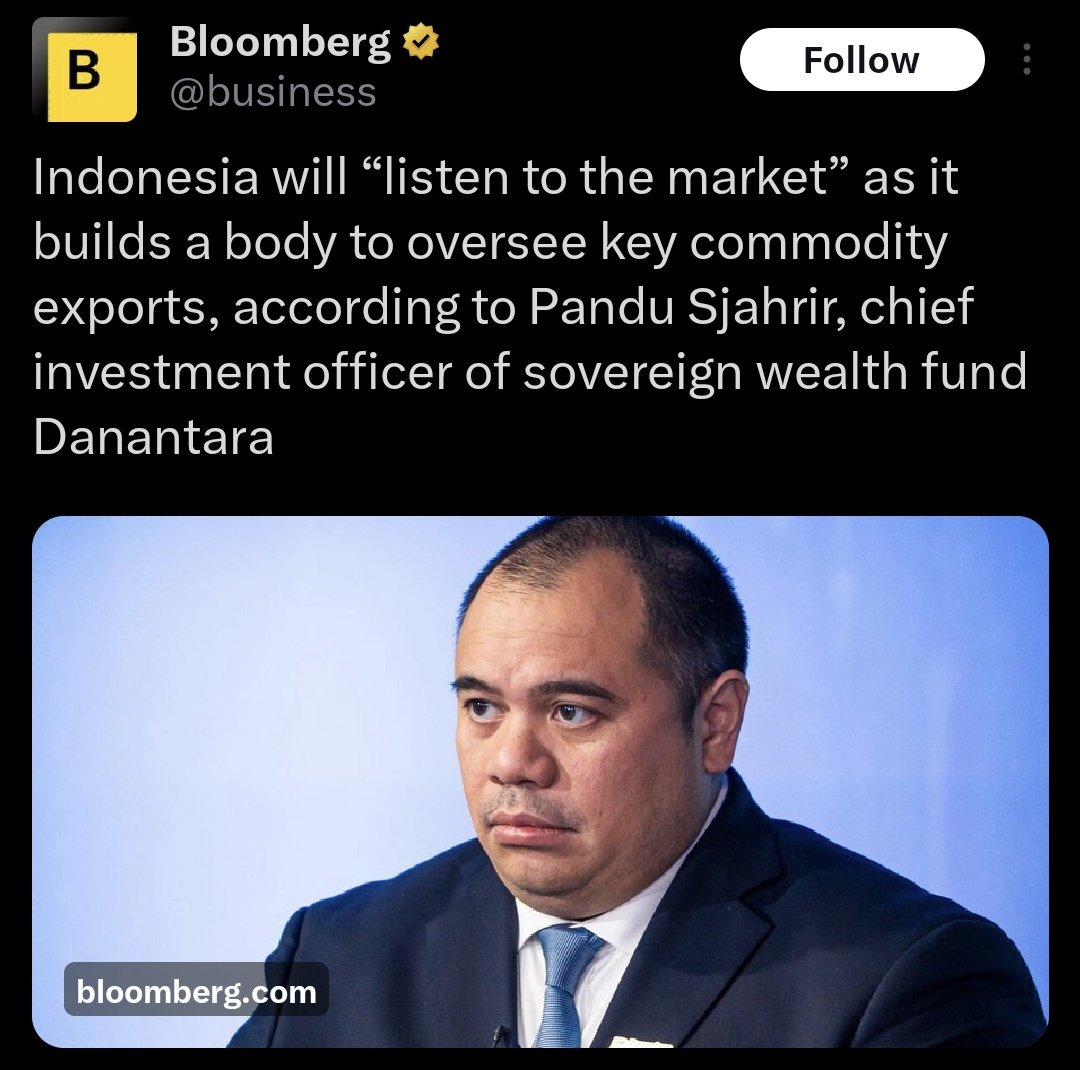
"Listen to the Market" adalah MANTRA EHM: Kalimat yang diucapkan di Bloomberg tersebut adalah sinyal tunduk kepada kartel finansial global.
Artinya, kebijakan ekonomi, komoditas, dan hajat hidup orang banyak di Indonesia akan selalu disesuaikan agar kompatibel dengan kepentingan pasar modal internasional, bukan untuk kemakmuran rakyat sesuai amanat Konstitusi.
Kesimpulannya:
Jika EHM masa lalu menghancurkan negara lewat jebakan utang luar negeri, EHM modern menghancurkannya lewat "Kedaulatan Algoritma Pasar".
Mereka menyusup ke jantung pengambil kebijakan, menguras likuiditas negara untuk proyek spekulatif berbaju "kemajuan teknologi", dan menyerahkan kendali komoditas strategis kembali ke pelukan pasar bebas global.
Melihat rekam jejak dari GoTo hingga Danantara, strategi yang dimainkan memang bukan untuk membangun kemandirian nasional, melainkan sebuah skenario besar finansialisasi yang rapi.
Memang benar, menyiapkan kopi hitam dan kipas adalah cara terbaik untuk melihat seberapa jauh struktur rapuh ini bisa bertahan sebelum hukum gravitasi ekonomi meruntuhkannya.
😎
looking back historically, most commodity export centralization models failed not because the idea was wrong, but because execution capacity was weak.
in theory:
- higher bargaining power
- lower transfer pricing leakage
- better FX retention
- stronger fiscal capture
sound good for the state?
but in practice, commodity trading is an extremely relationship-, financing-, and logistics-driven business. once bureaucracy replaces market efficiency, spreads widen, execution slows, and private incentives deteriorate.
china worked because state capacity was world-class.
norway worked because governance was trusted.
most others ended up with:
- inefficiency
- corruption/rent-seeking
- capital flight
- lower foreign confidence
Crazy times looking back at it.
70 to 80% of the portfolio still concentrated in BUMI, FILM, ARCI, TINS, and ASSA.. then early February, aggressively calling FX dealers for USD! NOW!!
Bold call.
All praise belongs to Allah alone.
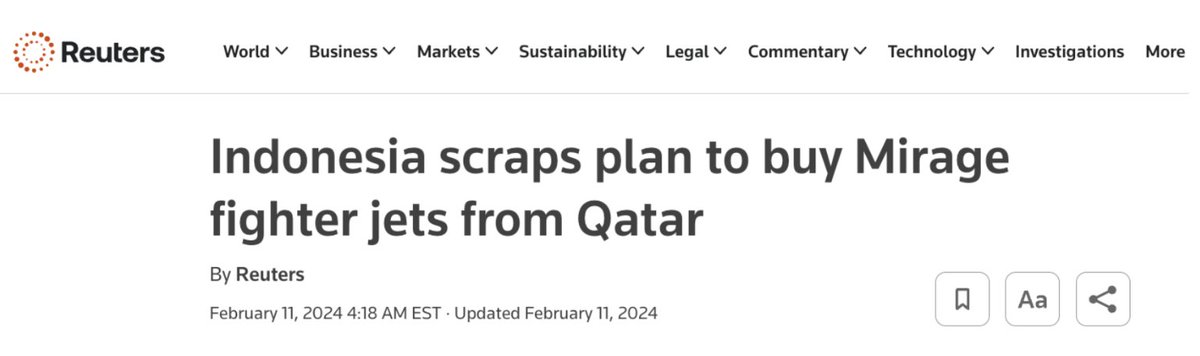
Kasus jet tempur Qatar yg gratis tapi bayar ini, 2 tahun lalu Group of States against Corruption (GRECO) sempat menyoroti kasus ini, dibantah oleh Kemenhan. Sekarang diperdalam investigasinya oleh Hunterbrook, media investigasi AS yg isinya jurnalis kawakan dari berbagai media. Istana mau bantah apa? operasi asing?
CSG's history in Indonesia is marred by allegations of scandal. In 2023, a CSG subsidiary brokered a $792 million deal to sell 12 used Qatari fighter jets to Indonesia — $66 million per jet for planes Qatar had once offered Indonesia for free.
An Indonesian outlet alleged the deal included a $55 million kickback to then-defense minister, now-president, Prabowo Subianto. His campaign denied it. Indonesia eventually scrapped the deal, citing "budget limitations."