No.
The fact that they took the flag, after all the abuse agains the team, was symbolic of exactly what he was trying to impart: "we are all Iranians, regardless of our politics".
And it was very, very important for unity; perhaps the monarchist thugs spewing vitriol at both players and anyone waving the country's flag will reconsider their abusive behavior at the next game.
I'm willing to bet he won't be penalized back home.
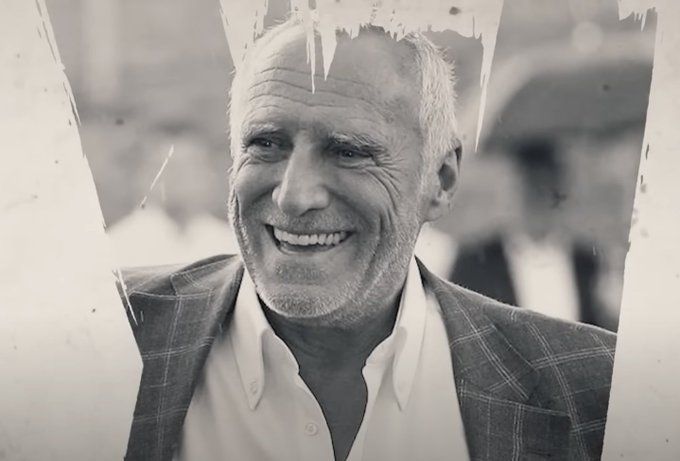
این مرد توی ۳۸ سالگی فقط خمیردندون میفروخت.
ولی وقتی رسید به ۷۸ سالگی، ۲۷ میلیارد دلار ثروت داشت و یه جزیرهی شخصی واسه خودش خریده بود.
نقطهی عطفش چی بود؟ یه سفر کاری به تایلند که همهچیو عوض کرد.
اینجا داستان باورنکردنیِ بنیانگذار ردبول رو با هم میخونیم:
1/3
I'm a cardiologist. Declining testosterone is an independent predictor of cardiovascular death in men.
That makes this my business — not just a gym conversation.
Before I prescribe hormone replacement, I give every patient the same protocol. Because the research shows that for borderline cases — testosterone between 250-350 ng/dL with modifiable risk factors — 3 to 6 months of targeted lifestyle changes can raise levels 15-20%.
That's often the difference between needing a prescription and not.
Start with the three highest-impact interventions:
Sleep 7-9 hours. Your body produces 95% of its daily testosterone during deep sleep, primarily between 4-8 AM. One week of sleeping 5 hours drops testosterone 10-15% — equivalent to aging 10-15 years. If you snore, get tested for sleep apnea. Untreated apnea significantly suppresses testosterone production.
Lift heavy 3-4 times per week. Compound movements — squats, deadlifts, rows, presses — at 70-85% of your one-rep max. Studies show 15-20% increases in total testosterone over 12 weeks. But overtraining suppresses it. Recovery is where the hormone is built.
Get body fat to 10-15%. Visceral belly fat contains aromatase — the enzyme that converts testosterone directly into estrogen. Every pound of excess fat is actively working against your hormones.
These three alone — sleep, heavy resistance training, body composition — account for more testosterone optimization than any supplement stack ever will.
فرید زکریا، تحلیلگر شبکه سیانان، در تازهترین تحلیل خود به یک پرسش کلیدی میپردازد: چرا قدرتمندترین کشور جهان نمیتواند خواستهاش را به کشوری بهمراتب کوچکتر و ضعیفتر تحمیل کند؛ کشوری که سالها زیر فشار تحریمهای اقتصادی و حملات نظامی فرسوده شده است؟
به گفته او، سادهترین راه برای درک مشکل آمریکا در جنگ با ایران، نگاه از دریچه نظریه بازیهاست. زکریا معتقد است ترامپ تصمیم گرفت با ایران وارد یک «بازی جوجه» شود؛ همان صحنه دو رانندهای که مستقیم بهسوی هم میرانند. در چنین بازیای، وقتی موضوع برای یک طرف به مرگ و زندگی گره خورده و برای طرف دیگر اهمیتی بسیار کمتر دارد، معمولاً طرفی که چیز بیشتری برای از دست دادن دارد پیروز میشود. برای حکومت ایران، شکست میتواند بهمعنای سرنگونی و نابودی باشد، اما برای ترامپ نهایت ماجرا یک آخر هفته ناخوشایند است. روشن است که چرا طرف ایرانی آمادهتر است فرمان را قفل کند و کوتاه نیاید.
اما زکریا تأکید میکند که ریشه دشواری آمریکا در برخورد با ایران، فراتر از ترامپ و این جنگ شتابزده است. به باور او، از زمانی که جمهوری اسلامی به قدرت رسید، واشینگتن میان دو رویکرد سرگردان بوده است. از یک سو فهرستی از مسائل مشخص داشته که خواهان حل آنها بوده، از آزادی گروگانها تا محدودیتهای هستهای؛ و از سوی دیگر، هدفی بنیادیتر را دنبال کرده که همان سرنگونی حکومت است، نه صرفاً مذاکره با آن. این تضاد نزدیک به نیم قرن در سیاست خارجی آمریکا جریان داشته است.
پرسش اصلی این است: آیا واشینگتن میخواهد برخی سیاستهای ایران را تغییر دهد یا میخواهد خود ایران را دگرگون کند؟ آمریکا با نشستن پای میز مذاکره، عملاً درجهای از مشروعیت را به جمهوری اسلامی میبخشد و آن را نماینده ایران در صحنه جهانی به رسمیت میشناسد. این پذیرش برای بخشی از نخبگان آمریکایی که جمهوری اسلامی را نامشروع میدانند و معتقدند تنها سیاست درست در قبال آن سرنگونی است، ناخوشایند است. با این حال، چیزهایی وجود دارد که واشینگتن میخواهد و تنها تهران میتواند آنها را فراهم کند.
زکریا یادآوری میکند که همین تناقض باعث شد حتی رونالد ریگان نیز در خفا با روحانیون ایران مذاکره کند، در حالی که در ملأ عام آنان را محکوم میکرد. این دوگانگی را میتوان تقریباً هر روز در رفتار ترامپ دید: یک پیام تهدید میکند که تمدن ایران را نابود خواهد کرد و به ۴۷ سال شرارت پایان خواهد داد، و پیامی دیگر در همان روز از پیشرفت مذاکرات سخن میگوید. ترامپ خوشبین وارد گفتوگو میشود، میان دورهای مذاکره جنگ به راه میاندازد و از مردم ایران میخواهد حکومتشان را سرنگون کنند، و کمتر از یک هفته بعد دوباره وعده میدهد که در صورت پذیرش خواستههایش، آیندهای بسیار روشن در انتظار ایران خواهد بود.
به اعتقاد زکریا، آمریکا پیشتر نسبت به اتحاد جماهیر شوروی نیز چنین نگرش متناقضی داشت. واشینگتن پس از تسلط کمونیستها بر روسیه در سال ۱۹۱۷ روابطش را قطع کرد و حدود پانزده سال بعد، فرانکلین روزولت موجودیت آن را به رسمیت شناخت. در دهه ۱۹۷۰، سیاست مذاکره هنری کیسینجر با شوروی از سوی جناح راست بهشدت نکوهش شد، چرا که بهمعنای تقویت جایگاه یک «امپراتوری اهریمنی» تلقی میشد. پاسخ کیسینجر همواره این بود که آمریکا در تقابل ایدئولوژیک با شوروی قرار دارد، اما منافع ملی مشخصی نیز دارد، مانند مهار سلاحهای هستهای، که بدون توافق با مسکو دستیافتنی نبود.
زکریا، باراک اوباما را معادل کیسینجر در پرونده ایران میداند. به گفته او، دولت اوباما تنها دولتی بود که دست به یک انتخاب روشن زد و به این نتیجه رسید که هرچند آمریکا شاید حکومتی دیگر را در ایران ترجیح دهد، برای مقابله با بزرگترین خطر علیه منافع ملی خود، یعنی مسئله هستهای، ناچار است با همین حکومت کنار بیاید. توافق هستهای تلاشی بود برای مهار خطرناکترین عنصر سیاست خارجی ایران و در این کار موفق شد، اما در نگاه بسیاری از راستگرایان، بهای آن مشروعیتبخشی به حکومت بود.
به همین دلیل ترامپ آمریکا را از توافق خارج کرد؛ تصمیمی که به بیاعتباری حسن روحانی، رئیسجمهور وقت، و بازگشت تندروها در تهران انجامید. تندروهایی که برنامه غنیسازی را شتاب بخشیدند و در نهایت ترامپ را دقیقاً به همان دوراهی نخست بازگرداندند: توافق یا ایستادگی؟
زکریا در پایان میگوید اکنون روشن است که ترامپ خواهان توافق است، اما با بستن این توافق ممکن است سرانجام همان چیزی را به جمهوری اسلامی بدهد که چهلوهفت سال در پی آن بوده است؛ پذیرشی بیقیدوشرط، آنهم از جانب تندروترین عناصر آمریکا. و برای تهران، چنین جایزهای ارزش امتیازهای فراوان را دارد.
A British biologist looked at 200,000 years of human history and found that the entire reason humans broke out of poverty was not intelligence, not language, not even agriculture, but one mechanism so simple a 6-year-old could explain it.
His name is Matt Ridley.
He is a zoologist by training, an evolutionary biologist by career, and in 2010 he wrote a book called The Rational Optimist that quietly argued the most important fact about human progress had been hiding in plain sight for the entire history of economics.
Naval Ravikant has been telling people to read everything Ridley has ever written for the last 15 years. The reason is the argument inside this one book.
For 200,000 years, anatomically modern humans walked around with the same brain you have right now. Same skull size. Same neural architecture. Same raw capacity for language, planning, and abstract thought.
For roughly 190,000 of those years, almost nothing happened. Generation after generation lived and died inside the same Stone Age toolkit their great-great-grandparents had used. Then somewhere around 50,000 years ago, the line on the chart of human progress started to tick upward. Then it bent. Then it exploded.
The question Ridley spent years on was the only question that mattered. What changed.
It was not the brain. The brain had been the same for 190,000 years. It was not language, which had existed long before the takeoff. It was not even agriculture, which arrived only 10,000 years ago and was actually preceded by the upward bend, not the cause of it.
What changed was that humans started trading with strangers.
This sounds too small to be the answer. Ridley argues that it is the answer to almost everything. The moment one human exchanged a useful object with another human from a different group, something happened that no other species on earth had ever done.
Two ideas that had developed in isolation came into contact. The flint knapper learned what the spear maker had figured out. The fisherman from the coast learned what the hunter from the forest had figured out. The two pieces of knowledge fused into something neither side could have produced alone.
Ridley calls this ideas having sex. The phrase sounds frivolous and it is meant to. The point is that ideas, like genes, get better when they combine with other ideas from different lineages.
An idea sitting inside one head, no matter how brilliant the head, eventually hits a ceiling. The same idea exposed to ten thousand other ideas does something genes do under sexual reproduction. It mixes. It recombines. It produces offspring nobody planned.
The cleanest proof of this argument is the most uncomfortable case study in the book. Tasmania.
Around 10,000 years ago, rising sea levels cut Tasmania off from mainland Australia. A population of roughly 4,000 humans was now isolated on an island, with no possibility of contact with the rest of humanity. They had the same brains. The same language. The same starting toolkit as their cousins 150 kilometers north. The natural experiment was now running.
What happened next is something no economist or geneticist had ever predicted.
The mainland Australians kept inventing. Boomerangs. Spear-throwers. Fishing nets. Bone needles for sewing fitted clothes. Watercraft with paddles. Their technology compounded slowly across the centuries.
The Tasmanians went the other way. They did not just fail to invent the new tools their cousins were developing. They started losing the tools they already had. Fishing was abandoned within a few thousand years. Bone tools disappeared. Fitted clothing disappeared. They forgot how to make fire from scratch and started carrying lit firebrands from camp to camp instead, relighting their fires from a neighbor's whenever their own went out.
By the time European explorers arrived in the 17th century, the Tasmanians had the simplest toolkit of any human society ever recorded. Their material culture had gone backward for 8,000 years.
The archaeologist Rhys Jones called it a slow strangulation of the mind.
Joseph Henrich at Harvard later proved with formal mathematical models that there was nothing wrong with Tasmanian brains. There was something wrong with their network. A toolkit requires a critical mass of people exchanging skills to maintain itself.
The act of teaching a skill is imperfect. Every generation loses a small percentage of what the last generation knew. If your population is large enough and trading widely enough, those losses get caught and corrected by someone else who still remembers.
If your population shrinks below a certain threshold and stops mixing with outsiders, the small losses compound until entire technologies disappear.
This is the part that should haunt anyone reading this in 2026.
Intelligence is not a property of the individual brain. Intelligence is a property of the network the brain is connected to. A genius in isolation will produce less than a mediocre thinker inside a dense exchange of other mediocre thinkers.
The thing your ancestors needed in order to break out of 190,000 years of stagnation was not better brains. It was better connections between brains they already had.
The implication for any individual is direct and uncomfortable. If you are smart and isolated, you will be outproduced by people half as smart who are connected.
The most successful people in any field are almost never the smartest people in it. They are the ones positioned at the intersection of the most idea flows. They are reading more authors than their competitors. They are talking to more people from more disciplines. They are in the rooms where ideas from different lineages bump into each other.
Ridley ends the book on the line that sounds optimistic but is actually a warning its this "The future will be invented by people who connect ideas, not by people who guard them."
یزد را میتوان نمادی از نبوغ بشر در همزیستی با طبیعت دانست. این شهر که در میان دو کویر بزرگ محصور شده، یکی از گرمترین نقاط زمین است، اما ساکنان آن بیش از ۲۵۰۰ سال است که بدون نیاز به دستگاههای سرمایشی مدرن، در آن زندگی میکنند. یزد شهری است که به جای تقابل با طبیعت، بر مدار آن طراحی شده است.
Communication skill is the most important skill in every field. Nobody teaches it in school.
Watch these 7 TED Talks. Your life will change.
98 minutes. That's all it takes to communicate better than 99% of people.