This may have not received enough attention yet, but @NEARProtocol starts going quantum-resistant this June, 2026.
And, still unnoticed, its sharded design makes it uniquely positioned to handle high TPS in the Post-Quantum & Agentic era.
Both at the L1 level and Coordination level (ie. Chain Sigantures, ie. Near Intents and the abstraction layer).
Near’s architecture already scales horizontally through production sharding, rather than relying on a single monolithic validator set processing every transaction.
Post-quantum cryptography (PQC) generally increases signature sizes and network overhead, which creates pressure on bandwidth, block propagation, storage growth, and validator hardware requirements.
On monolithic chains, every validator must process and propagate all of that heavier data globally.
NEAR’s Nightshade sharding distributes execution, state, and verification across shards, allowing the network to absorb larger cryptographic payloads more efficiently while continuing to scale TPS horizontally as demand increases.
This becomes especially important if quantum-safe signatures become materially larger than today’s ECC-based signatures, while agents massively increase traffic simultaneously.
Most blockchains aren't prepared this shift and, in fact, they weren't designed for it, making it much more difficult.
What makes NEAR even more differentiated is that it is not only architecturally suited for PQ scaling, but is also proactively integrating NIST-approved quantum-resistant cryptography ahead of most major L1s.
In May 2026, NEAR announced support for FIPS-204 / ML-DSA lattice-based signatures, targeting rollout in 2026, while leveraging NEAR’s flexible account model and access-key architecture to enable users to rotate into quantum-safe keys with minimal friction.
Unlike many blockchains where cryptography is deeply coupled to address formats and consensus assumptions, NEAR’s account abstraction and sharded infrastructure make migration operationally cleaner and more scalable.
As the industry moves toward a world where cryptographic objects become larger and verification more expensive due to the quantum risk, the combination of production sharding, stateless-validation research, and early PQ adoption gives NEAR a credible structural advantage in sustaining high throughput while upgrading security for the quantum era.
By the end of Q2 2026, Near One team will release the a new breakthrough in sharding tech — Dynamic Resharding.
A protocol upgrade that will enable NEAR to add shards automatically with demand, supporting the growth of NEAR Intents and the agent economy that NEAR Intents and NEAR AI will underpin, but also a protocol that will maintain the highest level of scalability and throughput.
The Post-Quantum & Agentic era is NEAR.
*I hold NEAR.
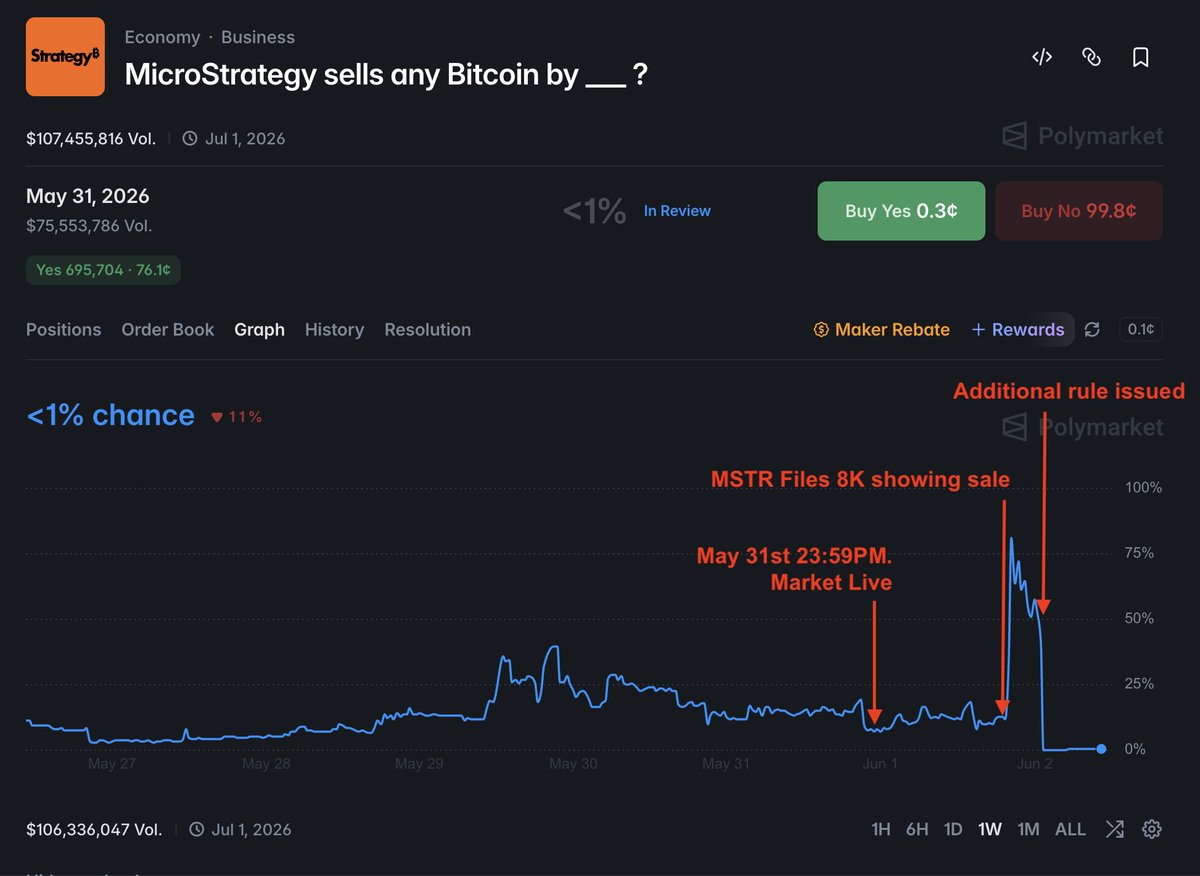
Did @Polymarket just scam everyone on a $400M+ volume market ?
The market was resolved as "NO" when they tweeted about MicroStrategy selling Bitcoin themselves and the news is verifiable everywhere.
Are we moving to @Kalshi ?
Okay, 69k is reaching. Let’s see if we bounce around here and whether this is truly the bottom.
Otherwise, I’ll watch the next level around 58–60k.
If we bounce here: gotta long some ZEC. It looks strong.Let’s take it level by level.
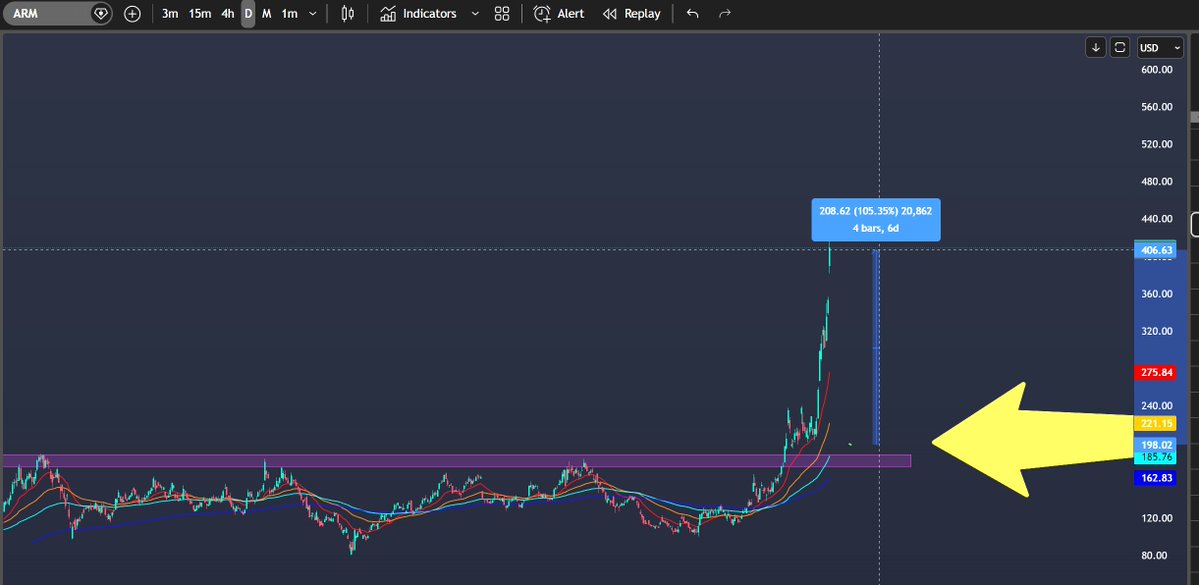
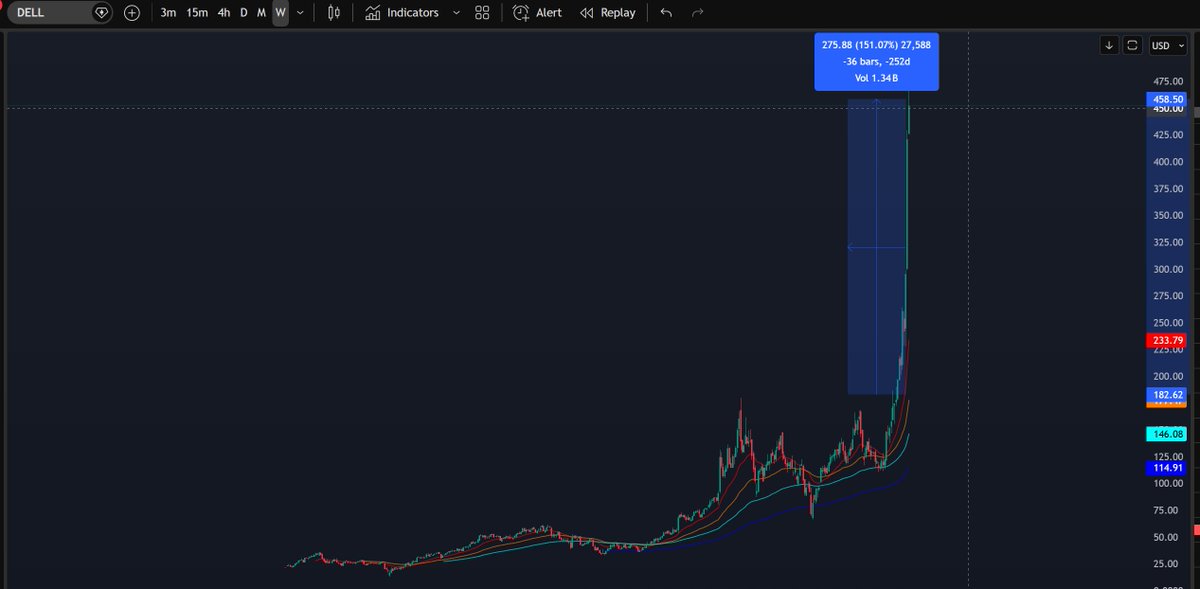
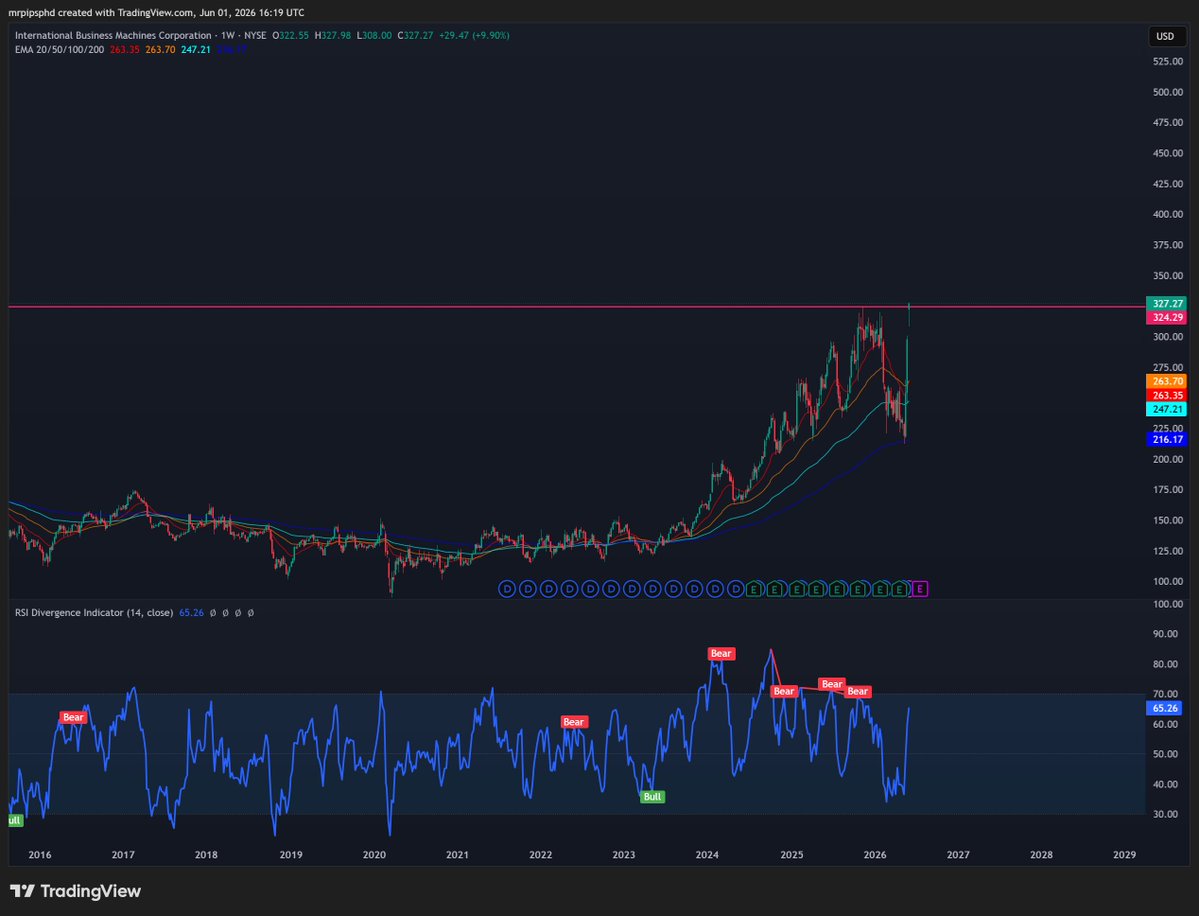
I read the docs about agentic AI, there’s a problem called a ‘CPU bottleneck.’ The faster the GPU gets, the more CPU performance is required. I think ARM, Intel, AMD, and QCOM all fit this narrative, but clearly ARM is the cheapest and the chart looks good.
Vitalik mentioning index assets? 👀
Whilst there's nothing built on options, it's absolutely the direction the space needs to head in and hopefully UniV4 hooks, @prism_lp and Spectrum can play a part in this vision.
https://t.co/liMu7ZUVcB