Had a great time yesterday in #ees152 playing a plant succession board game. I had a late successional plant and did well in instances of no disturbance.
Got to examine and identify various species of macro organisms in #ees152 yesterday. Check out this scud! We found hundreds of them between the two sites we visited last week!
Had a wonderful time searching for micro invertebrates in #ees152 with @LehighEcology. We were lucky enough to get even a few unique organisms in our group. Check out the crayfish and bull frog tadpole!
Had a great day in the experimental forest during lab yesterday! Our work towards the edge of the forest yielded numerous earthworms, but few salamanders. At least we got the chance to study one! #ees152
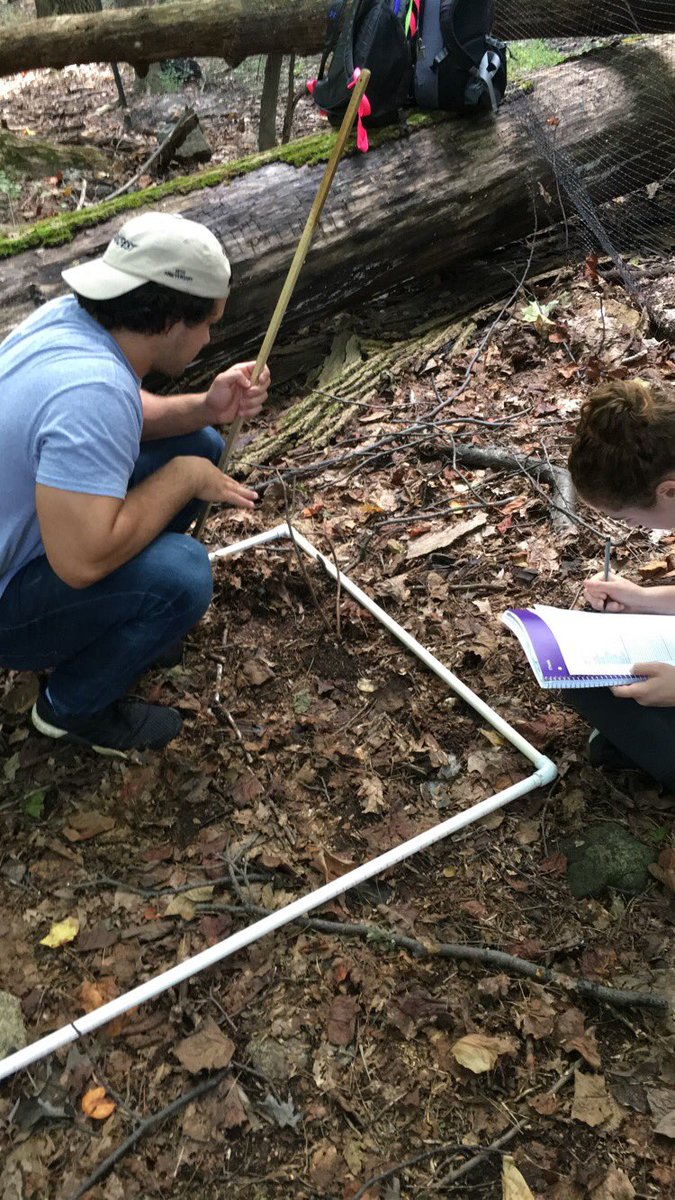
Studying the effects of gap dynamics and herbivory on a variety of plant species in the lehigh experimental forest! Soon we will find out if the populationof white tail deer are contributing to mortality rates of certain tree species #ees152
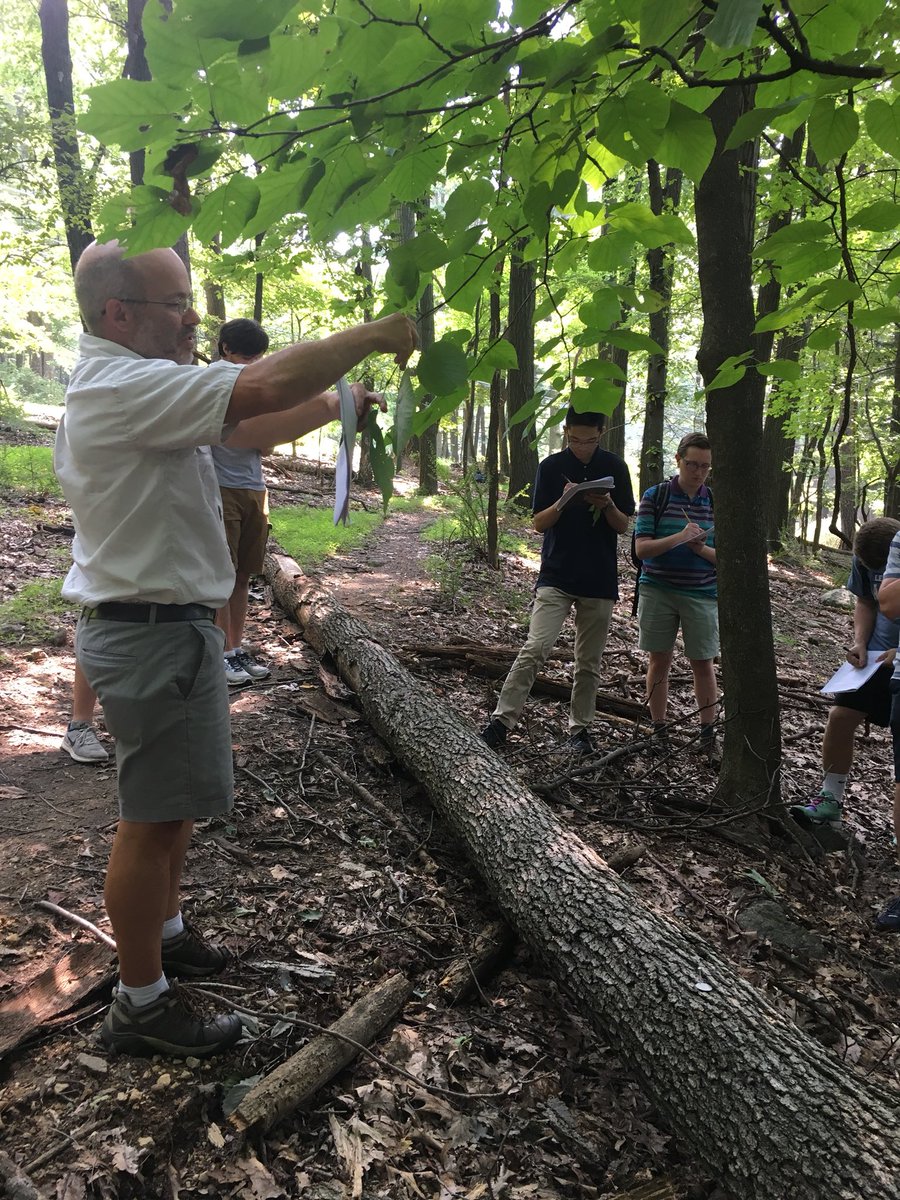
Just brushing up on our tree species! Watch out for the subtle differences between the sets of leaves like the serrated edges on the red maple leaves. #ees152
The 6th Extinction taught us
- a systems approach to solving extinction is more effective than current methods
- we must be aware of the consequences of our actions
- most mass extinctions happen slowly, yet we are causing one rapidly
#6thextinction#finalthoughts#ees028
As it turns out, deforestation doesn't just hurt the wildlife. The anopheles mosquito, known to transmit malaria, thrives in disturbed areas. A loss of 4% of forest to deforestation leads to nearly 50% more cases of malaria in Brazil. #ees028#forestmalaria
The first step in improving earth's biodiversity is recognizing the issues facing it. The acronym HIPPO describes the issues-habitat destruction, climate change, invasive species, pollution, human population, over-harvesting. https://t.co/qRJa3xEFoP #ees028#biodiversitymatters
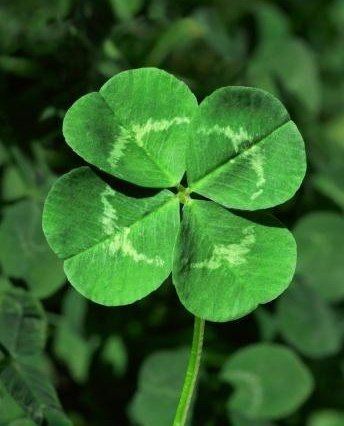
Did you know there are roughly 250 species of clovers around the globe? While the plant mostly appears in clusters of 3-leaf, there are some uncommon but real instances of 4, 5, 6, and even 7-leaf clovers! #ees028#eol
Summer Praetorius, a scientist with a passion for clovers, has a knack for finding four leaf clovers. She leaves them in library books when returning them and gives them to strangers to give them a sense of good luck. https://t.co/q0t5xEbl1g #ees028#eol
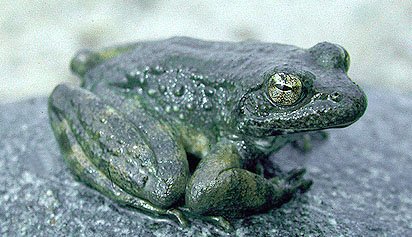
Jennifer Dever of the University of San Francisco searches for genetic variances among the foothill yellow legged frog population. DNA is collected from the toes and tales of frogs and tadpoles. Variety of the gene pool leads to the frogs resilience! #ees028#eol
In California, the Foothill Yellow-legged Frog is facing challenging circumstances due to fast moving water and dams in the region. Only through changing/controlling dam flow can the frogs population bounce back #ees028#eol https://t.co/ai4eGVVLte