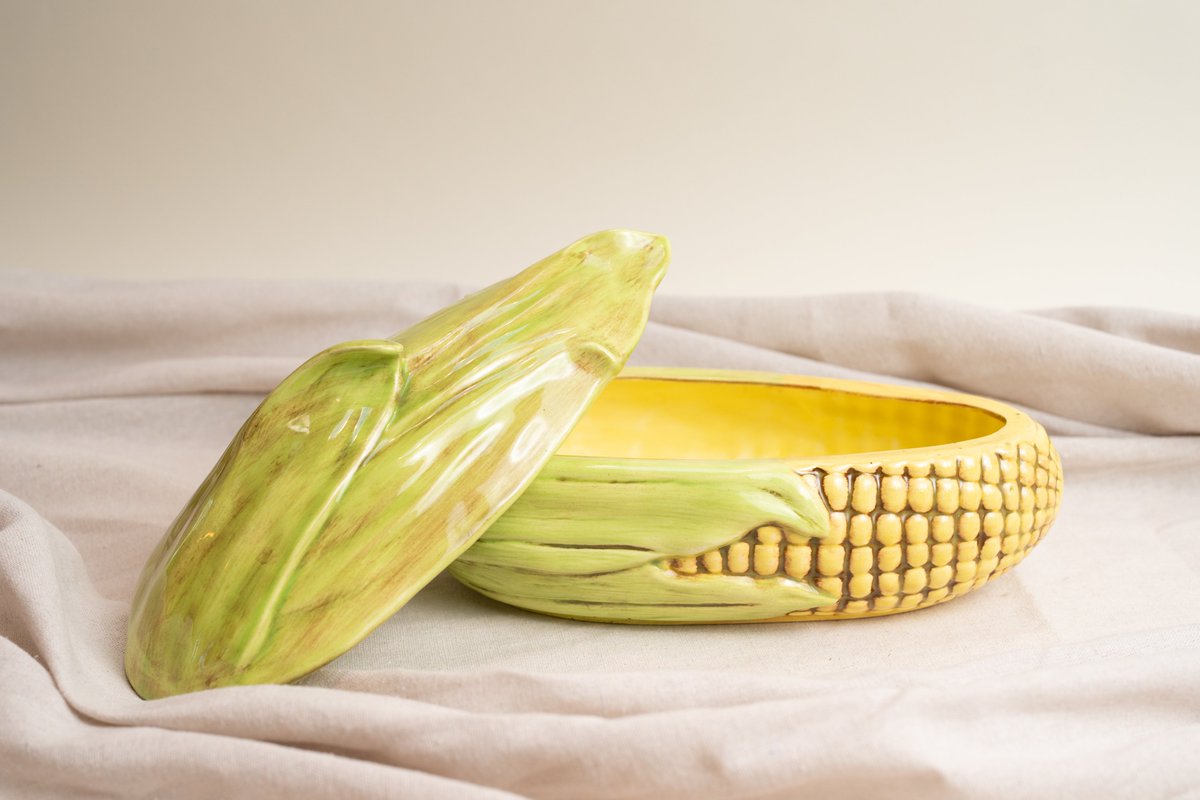
#KernelsOfCulture#MaizeAroundTheWorld This ceramic maize cob tureen was made in the USA, ca. 20th c. Courtesy of @mobotgarden's Little Shop Around The Corner. Maize shaped vessels symbolize prosperity from the earliest Central & South American cultures, continuing to today.
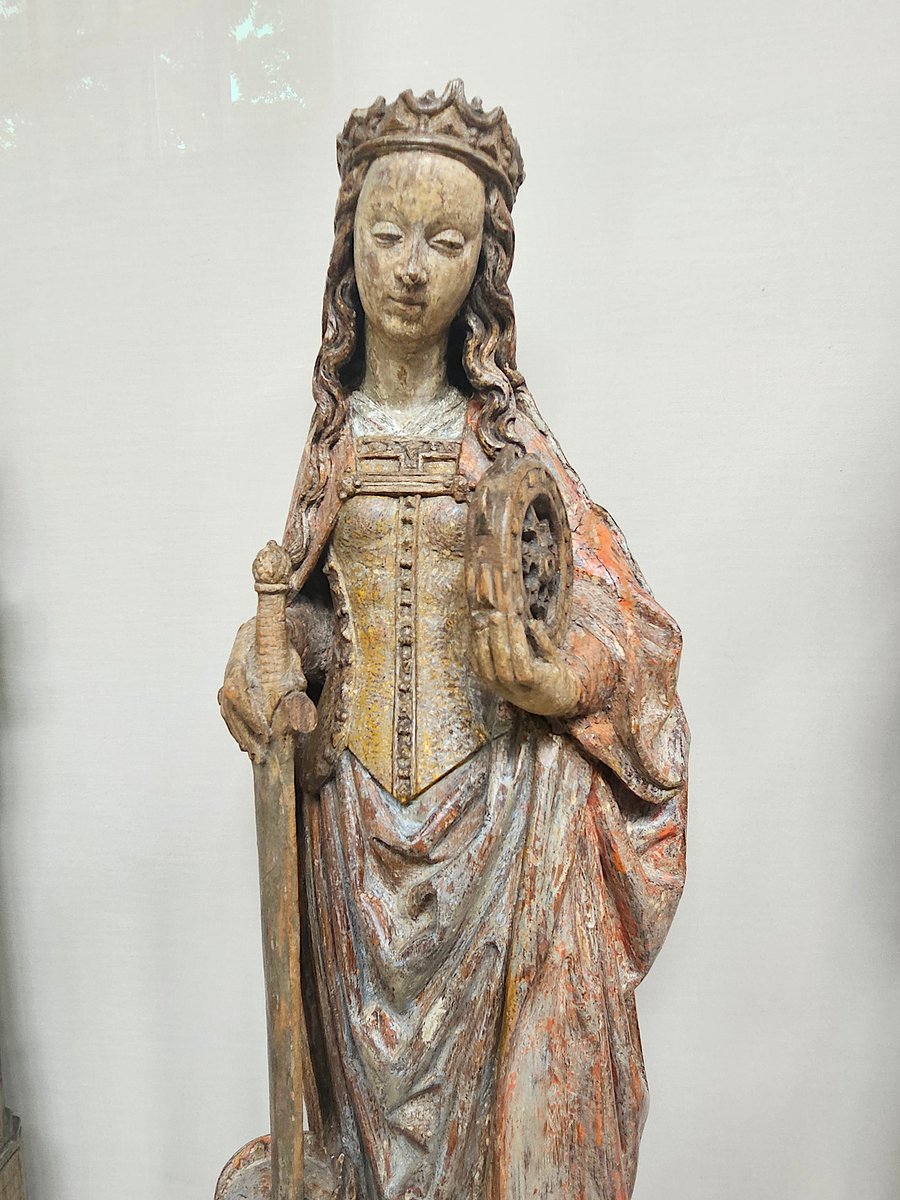
Today's the feast of St Catherine, by tradition a 4th Century martyr, and one of the most popular of all saints in medieval days.
Here she is holding her symbols of a sword and a wheel in the Burrell Collection, Glasgow, an early 16th Century Flemish devotional statue. 1/3
Burrell Collection: https://t.co/3S8o1dY8RP
@LynnsWPics Hi, the sign is in German (‘Reform Kommittee, RMS Norman, 18.6.96’ = Reform Committee, RMS Norman, 18.6.1896’). RMS Norman was a Royal Mail Ship, and it sailed to South Africa from England on 28 March 1896 ( https://t.co/EfqPHQSxp4 Carl Hertz was aboard https://t.co/JJzelNFrq9).
A creamware bull designed by Arnold Machin for Wedgwood, c.1943–1945, decorated with stars and representations of signs of the zodiac (the bull also symbolises Taurus), @mfaboston https://t.co/K7HInmenCx
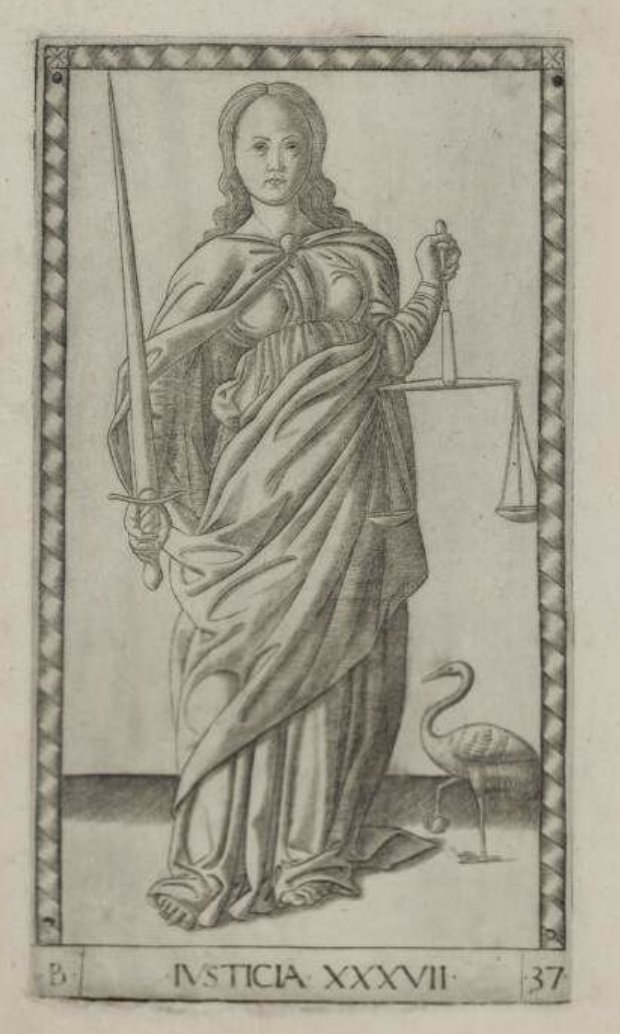
A playing card, c.1465, depicts Justice with scales (symbolising impartiality) and a sword (denoting punishment); the crane grasps a stone in its claw and represents vigilance because if it were to fall asleep, it would drop the stone and awake instantly. https://t.co/2Ct58uXwxD
My link of the week: twelve symbolically decorated Japanese incense containers, each representing a month of the year, @asianartmuseum https://t.co/h6KbBIhd1D
My link of the week: Nicholas Hilliard's portrait of Queen Elizabeth I, with symbolic pelican and other emblematic elements, @walkergallery https://t.co/h6KbBIhd1D
My link of the week: the golden #armills, with symbolic decorations, first used at the #coronation of King Charles II, @RCT#coronation https://t.co/h6KbBIhd1D