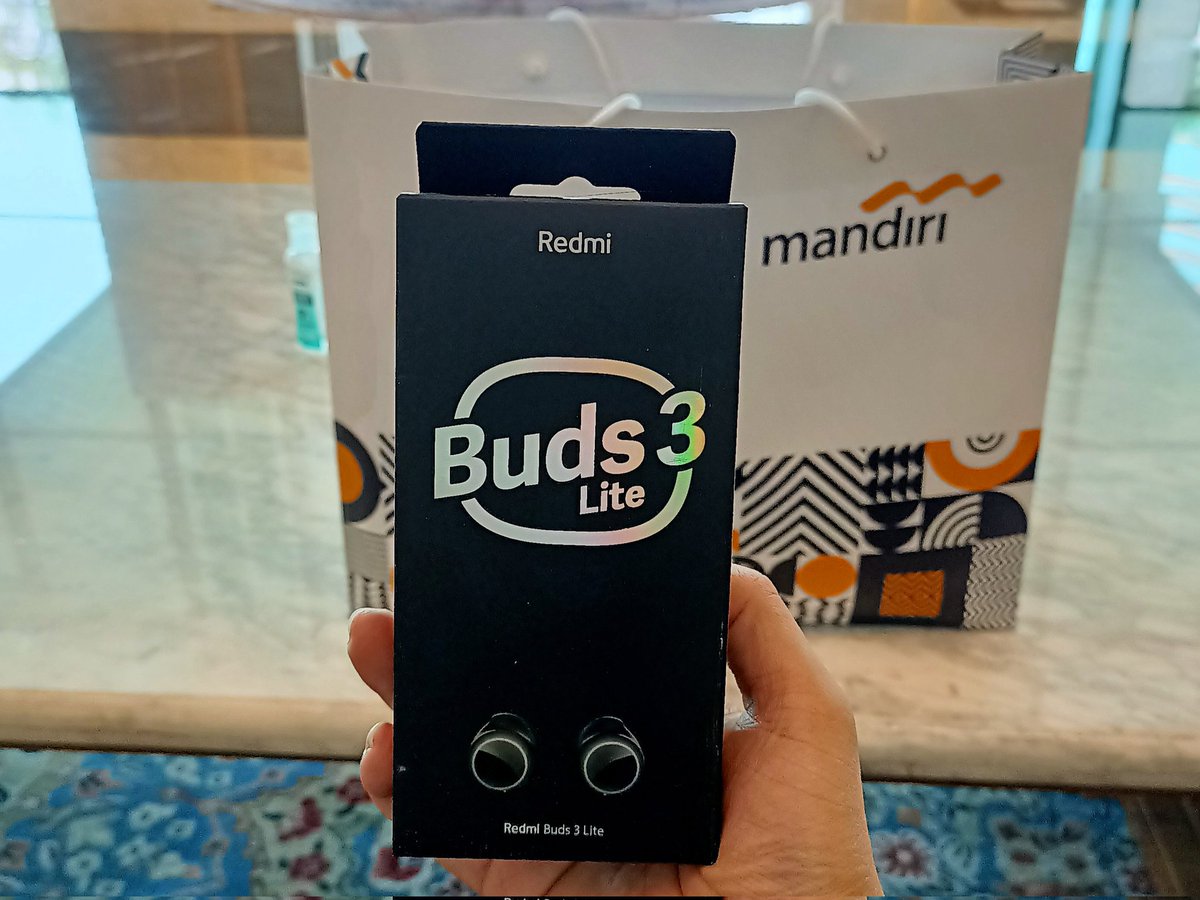
RUPS Tahunan pertama kali yang dihadiri pada bulan Maret tahun ini. RUPS Bank Mandiri di Plaza Mandiri. Cukup berkesan bagi saya, ada TWS Redmi Buds 3 Lite. #CeritaRUPS
BIG BREAKING NEWS
PRABOWO MENEGASKAN DIA TIDAK TAKUT DENGAN ANCAMAN MSCI YANG MAU MENDOWNGRADE SAHAM INDONESIA
dia bilang msci mau menakut-nakuti indonesia
pesan dia untuk msci bangsa indonesia tidak takut siapa pun dan tidak akan gentar
dia bilang indonesia punya kekuatan, keberanian, rela berkorban, dan tidak kenal menyerah
kalau perlu pemerintah akan melakukan penghematan besar-besaran, lebih hemat lagi
"Terima kasih atas kesempatannya,
sebelumnya mohon maaf, Pimpinan kami berhalangan hadir karena mendadak diminta menghadap Menteri/Presiden. Hasil rapat ini, akan kami sampaikan ke Pimpinan untuk mendapat arahan lebih lanjut".
CAPEK BET GW ANJING
KLO MAU NENANGIN RAKYAT YA GAK GOBLOK JUGA KOMENNYA
EMBEGE LU BAKAL AWUR-AWURAN KLO DOLAR KE 20RIBU WO
LU KIRA SOLAR DIBAYAR PAKE APA?
LU KIRA MOBIL INDIA LU DIBAYAR PAKE APA?
LU KIRA MOTOR MBG LU IMPOR DIBAYAR PAKE APA?
OMPRENGAN MBG LU IMPOR DIBAYAR PAKE APA?
MESKIPUN BUKAN PAKE USD TP KLO NILAI MELEMAH THDP USD YA MAKIN MAHAL SEMUA WO
They're right for Japan, Korea, and Singapore. Those guys source 75% of refined products from the Persian Gulf. Hormuz closes, they bleed.
But Indonesia is a different story entirely.
Yes, Indonesia imports refined products. Pertamina's refining capacity doesn't fully cover domestic demand, so Pertalite and Solar get bridged through imports. The Hormuz shock hits that. Real exposure.
What makes Indonesia different is this.
Indonesia's actual risk from this isn't supply. It's fiscal. If oil prices spike because Hormuz stays closed, the government's subsidy bill for Pertalite and Solar expands. Wider deficit, rupiah pressure. That's the bear case for Indonesia, and even that's manageable.
The bull case is what nobody is talking about.
Indonesia runs B40 right now. 40% of every liter of diesel consumed domestically is palm oil biodiesel, not petroleum. When oil spikes, the incentive to push toward B50 or B55 gets stronger overnight. Import volume drops. Indonesia self-hedges using its own CPO supply. No other country in Asia has this. Not Korea, not Japan, not Singapore.
Then there's coal.
When Hormuz disrupts LNG and oil flows into Asia, the fastest lever available to power generators in Japan, Korea, and India is gas to coal switching. Indonesia is the world's largest seaborne thermal coal exporter. ADARO, ITMG, PTBA, BUMI don't suffer from this scenario. Export volumes go up. Realized prices go up. Royalty revenue to the government goes up.
Same logic on LNG. Indonesia exports from Bontang and Tangguh. When Middle Eastern supply gets disrupted, the spot premium on non Gulf LNG widens. Indonesian cargoes price up.
Same logic on CPO. High oil equals strong biodiesel demand globally equals strong CPO prices. Indonesia and Malaysia control 85% of global supply.
You see, Indonesia pays more for refined product imports. Fiscal subsidy pressure rises. Rupiah is a watch item. Those are real negatives.
But Indonesia earns more on coal exports, earns more on LNG spot, earns more on CPO, and reduces net petroleum import volume through accelerated biodiesel blending. The terms of trade move in Indonesia's favor, not against it.
The conventional take is "Indonesia is a net oil importer so oil shock is bad." The correct take is Indonesia is a net energy exporter in the commodities that directly substitute for disrupted Persian Gulf supply. A sustained Hormuz closure improves Indonesia's aggregate energy trade position, not deteriorates it.
Happy Sunday and Happy Easter.