Why did Monero dump recently?
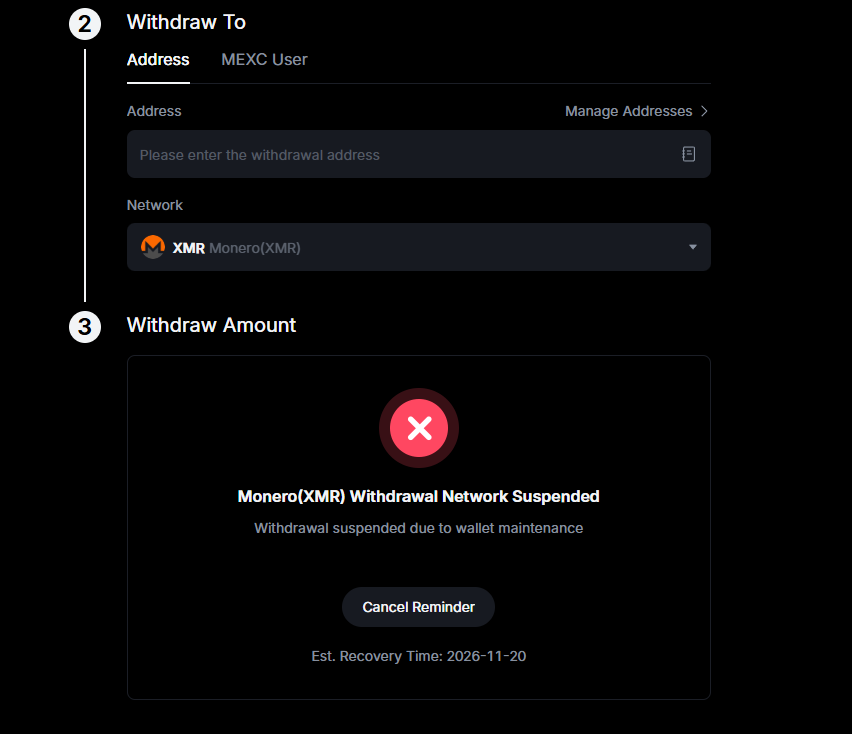
The scam exchange MEXC blocked withdrawals to non-custodial wallets and forced people to sell Monero for other coins to withdraw.
Many sold their $XMR and are now buying back.
Never use centralized exchanges! If you insist, use real ones like Binance.
MEXC está com saque suspenso de Monero um dia antes de delistar obrigando os usuários a fazerem swap para outras criptos para conseguirem sacar e, com isso, forçar a queda do preço do Monero.
É o jogo sujo de sempre. Por isso, a comemoração a cada delistagem. Menor manipulação
MEXC delisted $XMR and it pumped right after 😂
MEXC, Bybit, BitMart, Upbit etc. are fake exchanges with botted volume. They even boost followers and engagement on social media with Nigerian and Indian accounts.
Some retards still pay MEXC $30,000 to list their shitcoins.
The Only one serious exchange: Binance, maybe Coinbase. Maybe!
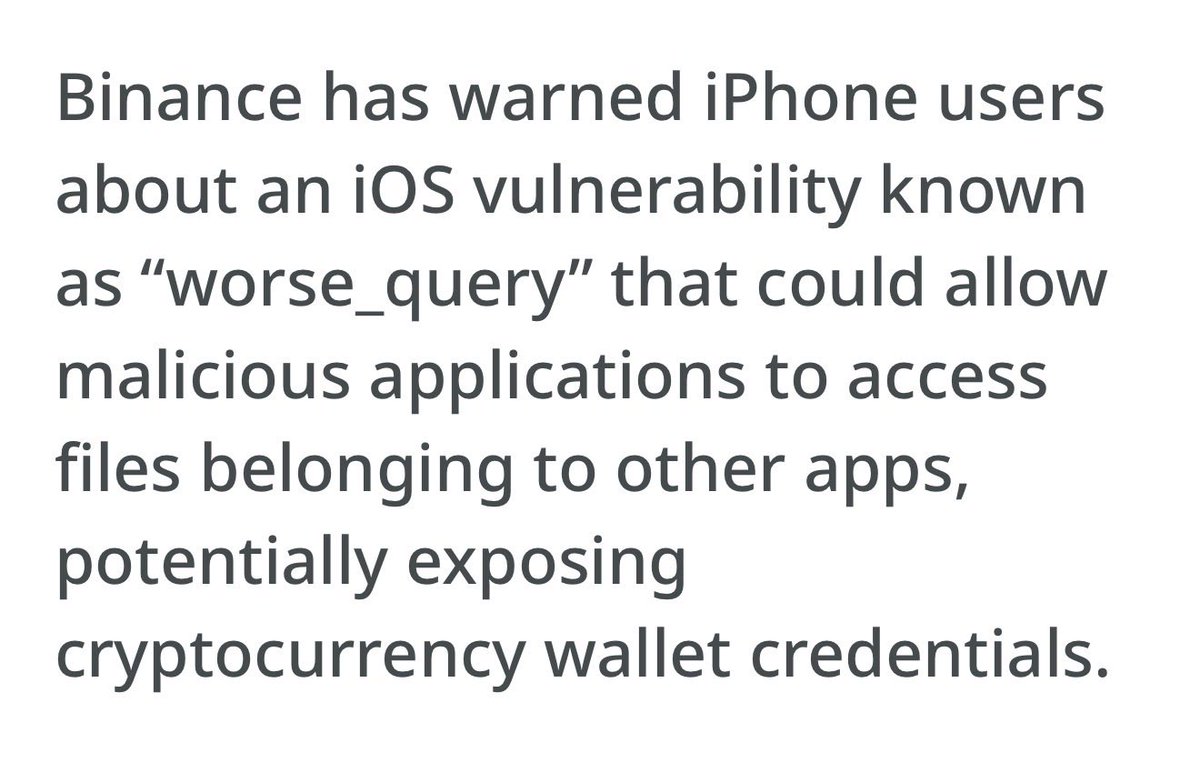
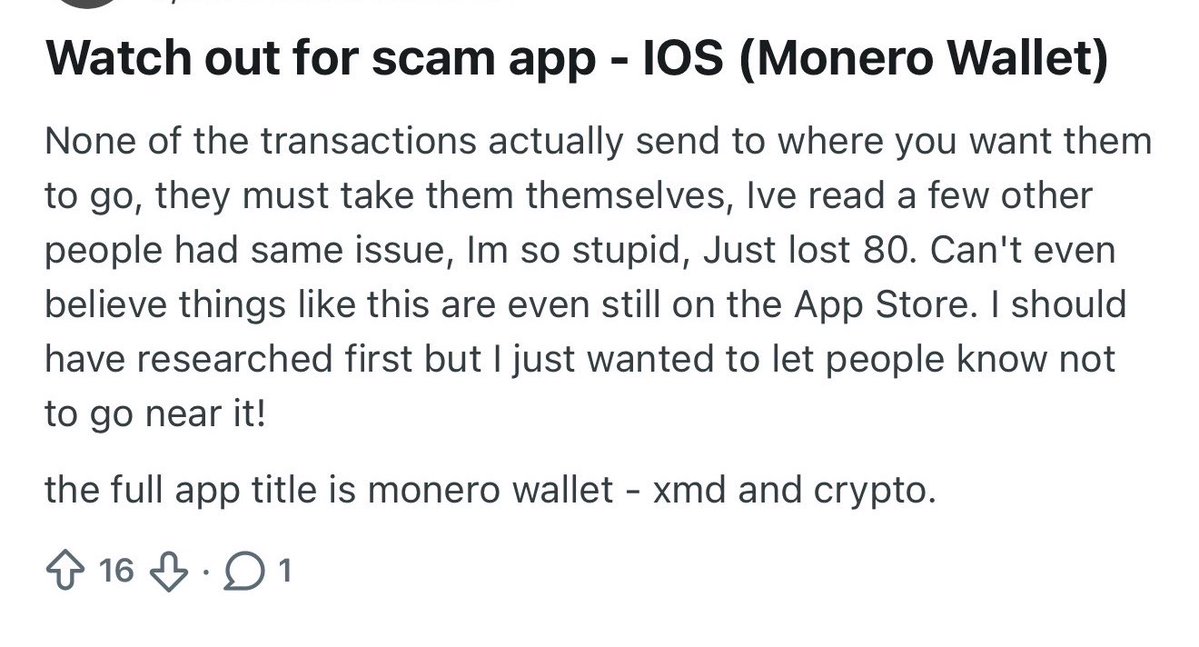
If using wallets on your phone, your $XMR and crypto may no longer be safe.
URGENTLY update iOS to 27.2.1.
A vulnerability has reportedly been discovered in versions 26.7.1, 27.0.1, and 27.2.
Third-party apps can gain access to seed phrases stored in Cake Wallet, Trust Wallet, or any other mobile wallets.
@notafbihoneypot@ricardoXMR@SlowBearDigger That really depends. A clean, updated browser with no random extensions is very different from an outdated one full of add-ons. The real risk is the whole setup: your OS, extensions, the sites you visit and the wallet’s server. Apps can be compromised through bad updates too.
I previously called XmrNest a scam and want to be fair about what changed.
Bot-driven marketing was a major red flag. Now the source code is public and the published code appears clean.
But $XMR and crypto newcomers need to understand: open source does not mean “100% safe.”
A wallet can publish clean code on GitHub while distributing different code via its website, desktop software, mobile app, or later updates.
Without reproducible builds, users cannot easily verify what they’re running. This can happen to any wallet.
A compromised server, developer account, update system, or software dependency could distribute modified code, redirect transactions, or collect sensitive information even while the public GitHub repository remains clean.
I’m not spreading FUD; this is not only about XmrNest. The same risks exist with every wallet, including Cake Wallet, which remains my personal favorite.
Open source reduces blind trust but cannot eliminate software, supply-chain, update, or server risks. It is the beginning of verification, not the end.
Good luck to the XmrNest team. If they play it clean, avoid serious incidents, and earn the community’s trust, their swaps could become a strong revenue source. a legitimate one like any other successful wallet.
Privacy shouldn't require blind trust.
That's why XMRnest is now 100% open source.
✅ Non-custodial: only you hold your keys
✅ No IP logs. No tracking.
✅ Runs in your browser
✅ Swap, buy & sell $XMR in-wallet
All code is public 👇
https://t.co/cncOIJJuib
Give it a try, starting small as you would with any new wallet. We'd love to hear your feedback 🧡
Random monero:native wallets pop up almost every couple of days. With AI, anyone can build an app in 3 hours. Open source doesn’t mean it’s 100% safe—a developer can alter the installed app while showing clean source. I only use Cake Wallet and Monero GUI Wallet; lower risk than new ones, but not zero. Audits or open source don’t guarantee safety. It all depends on the owner’s morals and mode.
@JacksonRaffi Honestly he seems like a good guy, and I liked his YouTube videos. But all this effort might just be to promote his own stuff. What's his web wallet link?