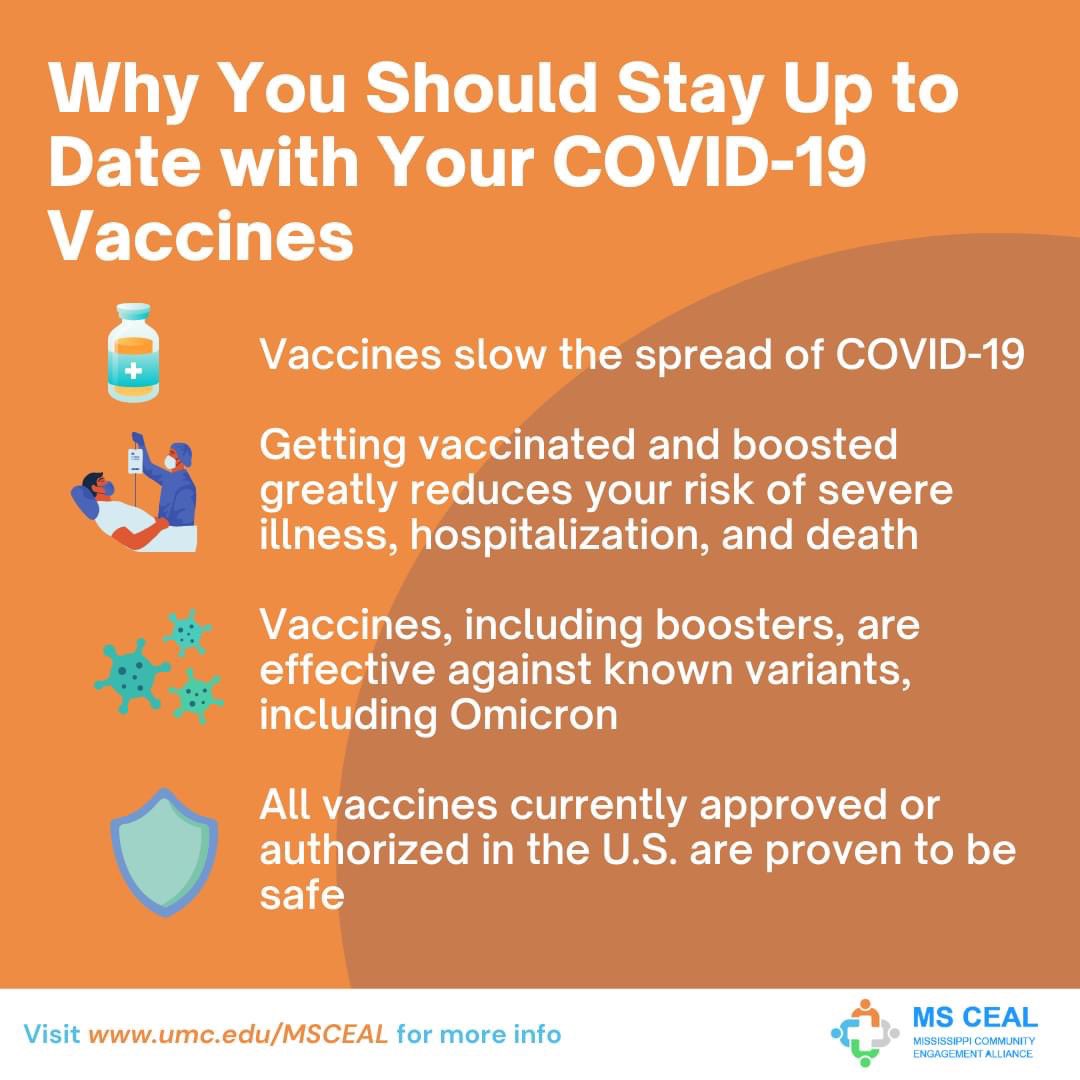
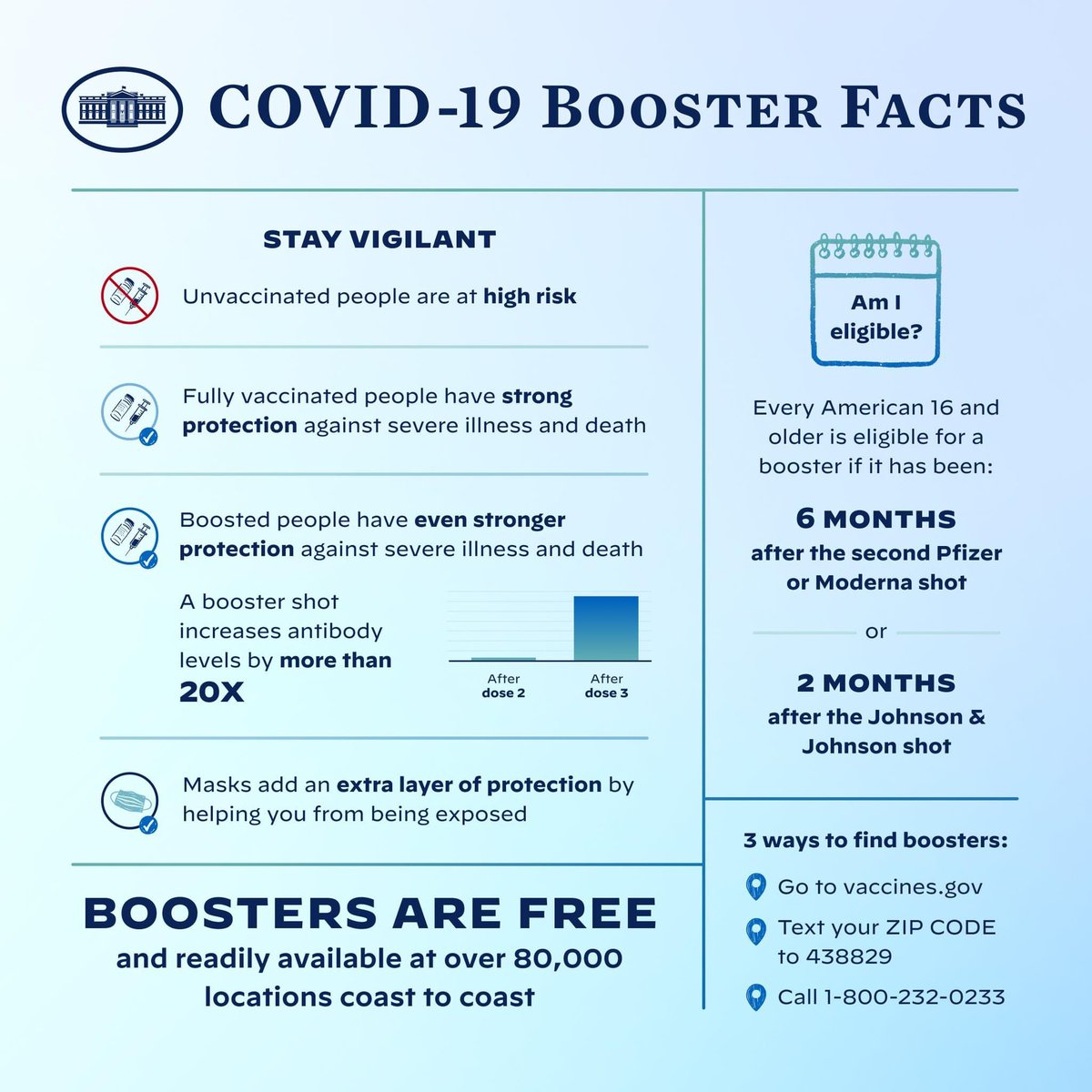
Data continue to show that COVID-19 vaccines are safe and effective. Everyone ages 5 years and older should get vaccinated against COVID-19 as soon as they can. Everyone ages 12 years and older should get a booster shot when eligible.
Find your vaccine: https://t.co/aDDKWdkxtW.
"If I'm vaccinated and don't have symptoms, but think I was exposed to COVID-19, should I get tested?"
Yes.
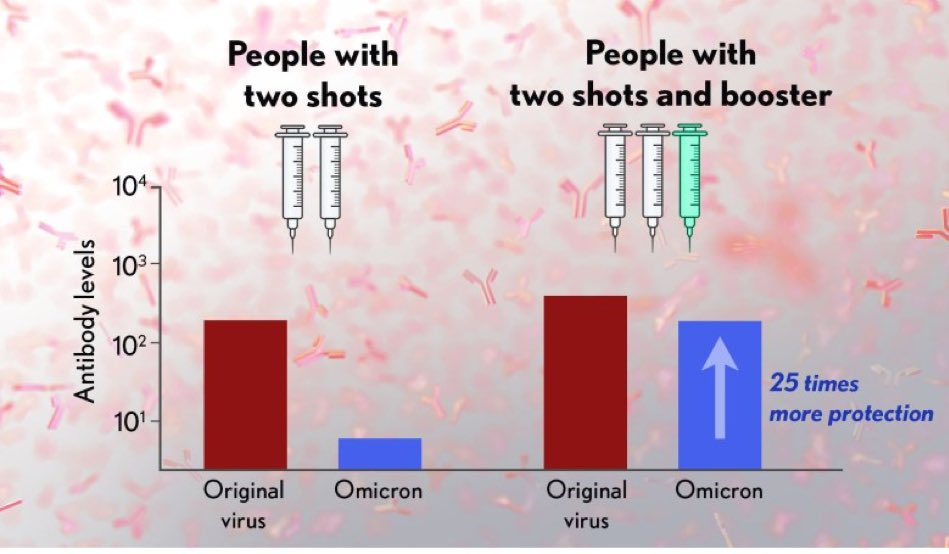
Unfortunately, Omicron is so transmissible that even fully vaccinated and boosted individuals may get the illness.
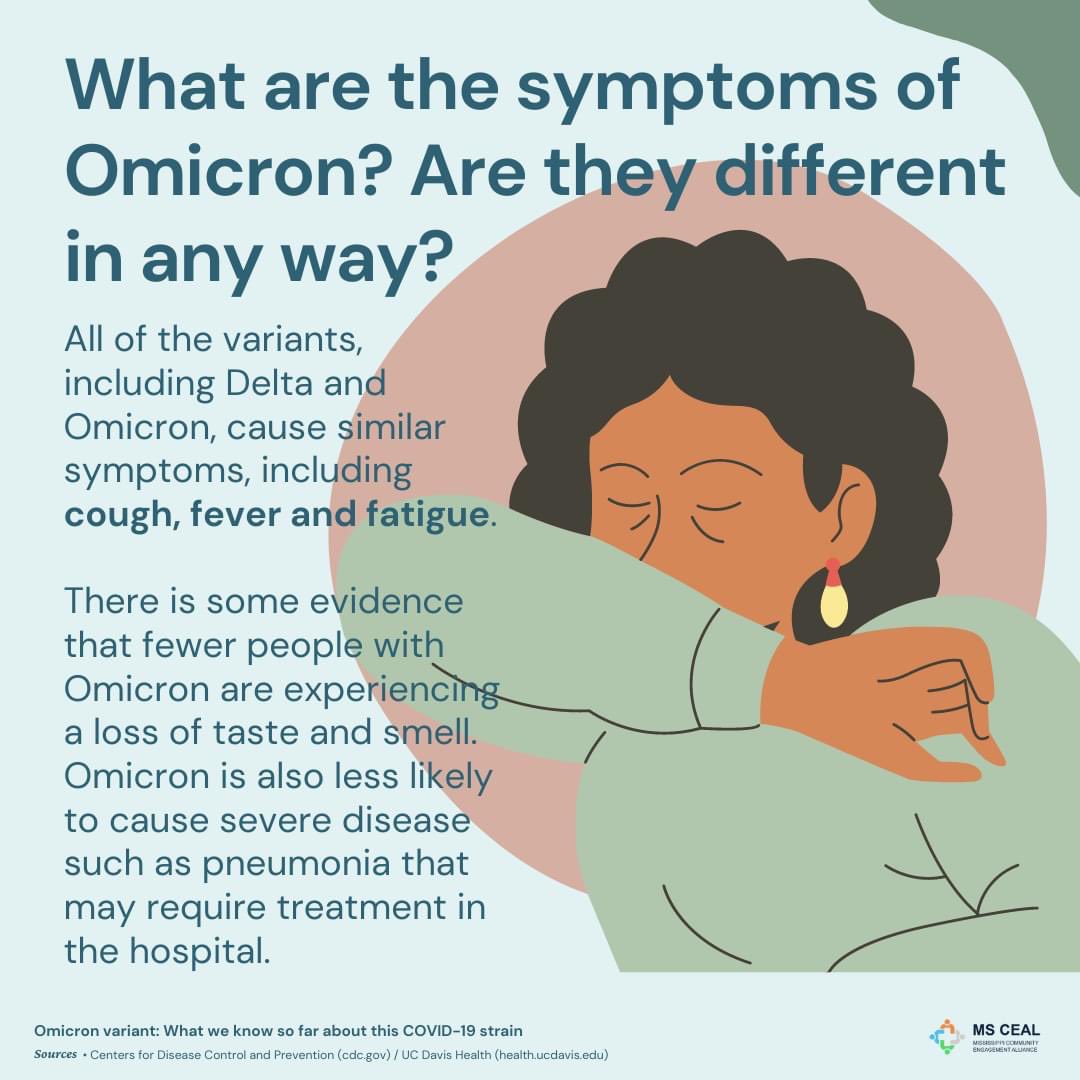
What are the symptoms of Omicron? Are they different in any way?
All of the variants, including Delta and Omicron, cause similar symptoms, including cough, fever and fatigue.
There is some evidence that fewer people with Omicron are experiencing a loss of taste and smell.
Today, we celebrate the life and legacy of Dr. Martin Luther King, Jr.
Everyday we have the opportunity to reflect on how we can do better to make the world represent his dreams. May we all remember that change is possible and it starts with each of us.
#MLKDay
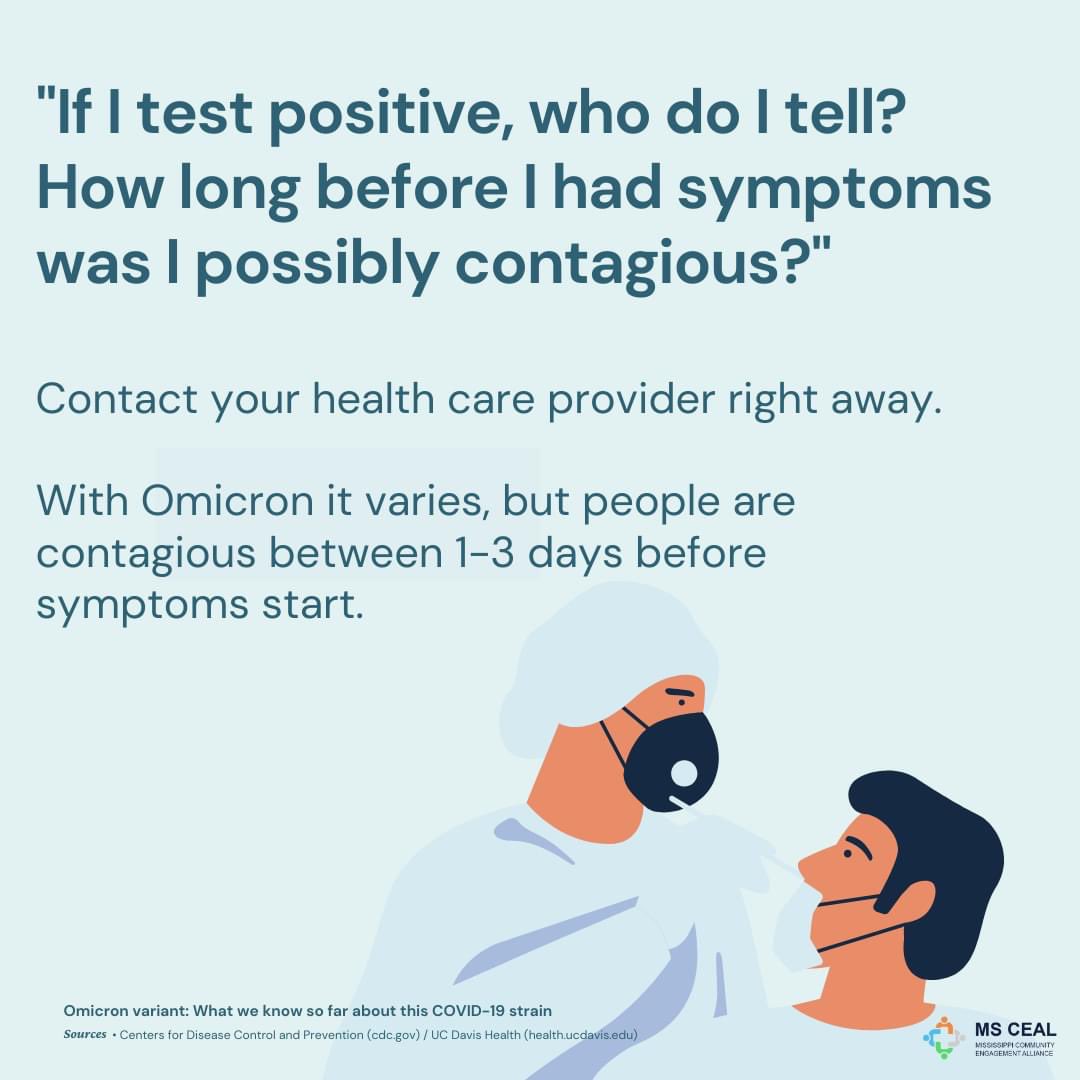
"If I test positive, who do I tell? How long before I had symptoms was I possibly contagious?"
Contact your health care provider right away. With Omicron it varies, but people are contagious between 1-3 days before symptoms start.
#msceal
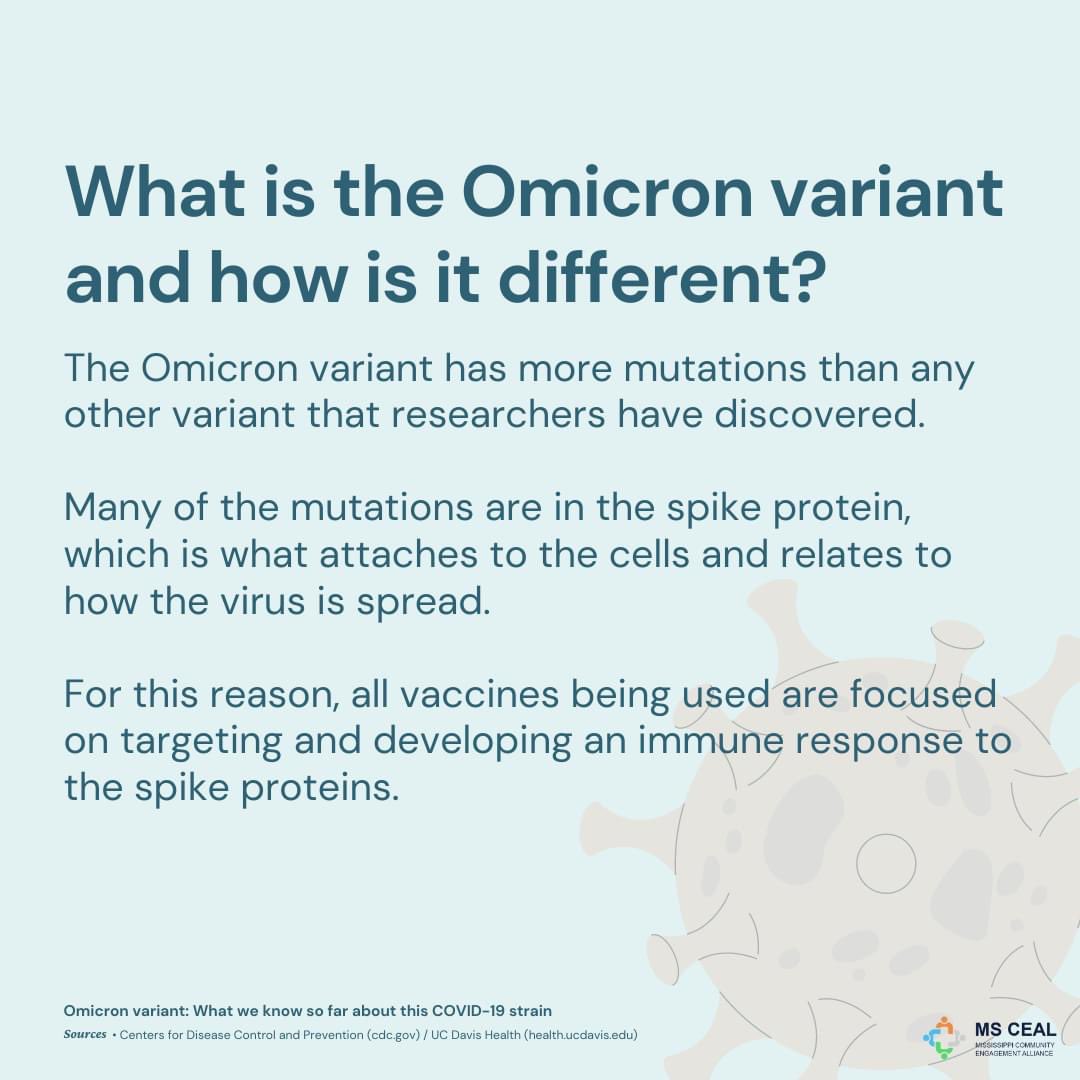
What is the Omicron variant and how is it different?
Omicron variant: What we know so far about this COVID-19 strain
Sources • Centers for Disease Control and Prevention (https://t.co/27iciBEzNE) / UC Davis Health (https://t.co/vMkLk0b7bA)
"Loss of smell was something that many people used to report with COVID-19 symptom onset," said @AndrewPekosz. "With Omicron, that doesn't seem to be reported much at all. Conversely [there's] much more talk about coughs and scratchy throats with Omicron." https://t.co/LTaQNuMr3d
MSDH continues to work with delays in processing a large amount of data received in the last few days in order to bring you Monday's COVID-19 update. We hope to have the latest information available tonight.
Omicron and Delta variants: What do we know?
What do we know about the differences between the Omicron and Delta variants?
Source: Ruth Cummins / https://t.co/H1WauY5cEZ
Today MSDH is reporting 7,079 more cases of COVID-19 in Mississippi, eight deaths, and 265 ongoing outbreaks in long-term care facilities. State #covid19 totals: 579,773 cases, 10,511 deaths, and 1,452,587 persons fully vaccinated. Full information: https://t.co/YCv9xPyJDk
Parents & Caregivers: Your children ages 5+ years are eligible for a free COVID-19 vaccine.
Although it can be difficult to know which sources of vaccine information you can trust, you can bust myths and learn facts about COVID-19 vaccines: https://t.co/PMv3z5NkhL.
Getting boosted is the most powerful protection you can get against COVID-19 and its variants. Find vaccination and booster appointments near you at https://t.co/xT6Tu4j7ts.
Vaccinated children will be less likely to spread the virus to others, keeping our families and communities safe from COVID-19.
Contact your child’s healthcare provider to schedule their vaccine today!
Myth: Getting a COVID-19 vaccine will cause me to test positive on a viral test.
FACT: None of the authorized and recommended COVID-19 vaccines can cause you to test positive on viral tests, which are used to see if you have a current infection.
https://t.co/cDxpYeOMFp
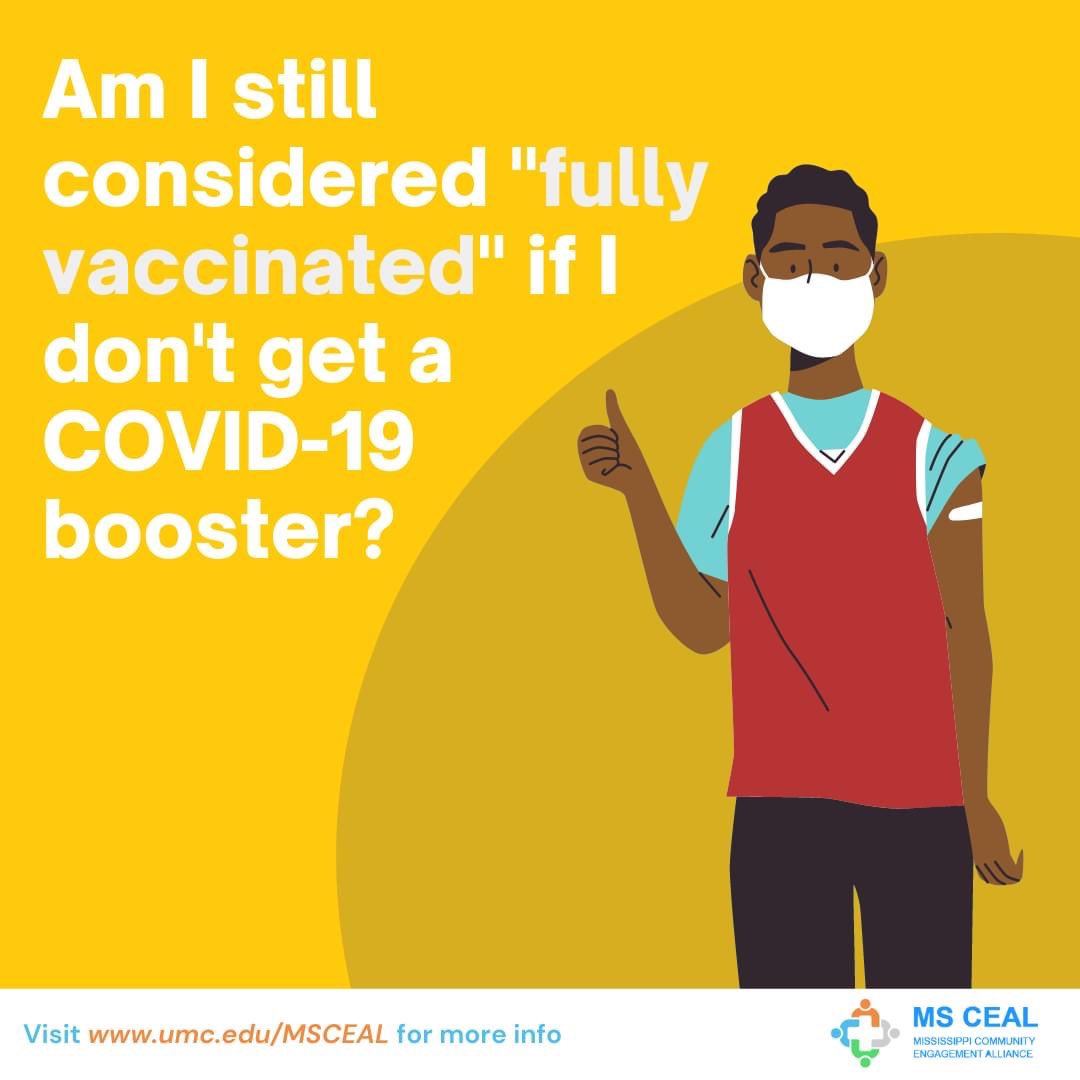
Yes, you’re still considered fully vaccinated:
- Two weeks after your second dose of a 2-dose COVID-19 vaccine (Pfizer-BioNTech or Moderna)
- Two weeks after a single-dose COVID-19 vaccine (Johnson & Johnson’s Janssen)
The definition of fully vaccinated has not changed.