Our work on the trajectories of scientists in the knowledge space has been published in EPJ Data Science @epj_ds! We show that tools for studying human mobility can be applied to the mobility within scientific knowledge.🧵
https://t.co/epluFdLEq0
New paper from the team just published in Physica A! We propose a novel fitting method for rank-size distributions beyond Zipf's law, and apply it to the case of commit distributions of open-source repositories in Github.
https://t.co/yCn4rQOxqE
People ask me, "Hey unfashionable Bayesian man, how can I fit those rad generative network models from your course?" Well with @danielj_redhead @mindismoving we wrote a package to make it easy. Easier. Okay it's possible now. Open access and open source. https://t.co/1GOXbHA94k
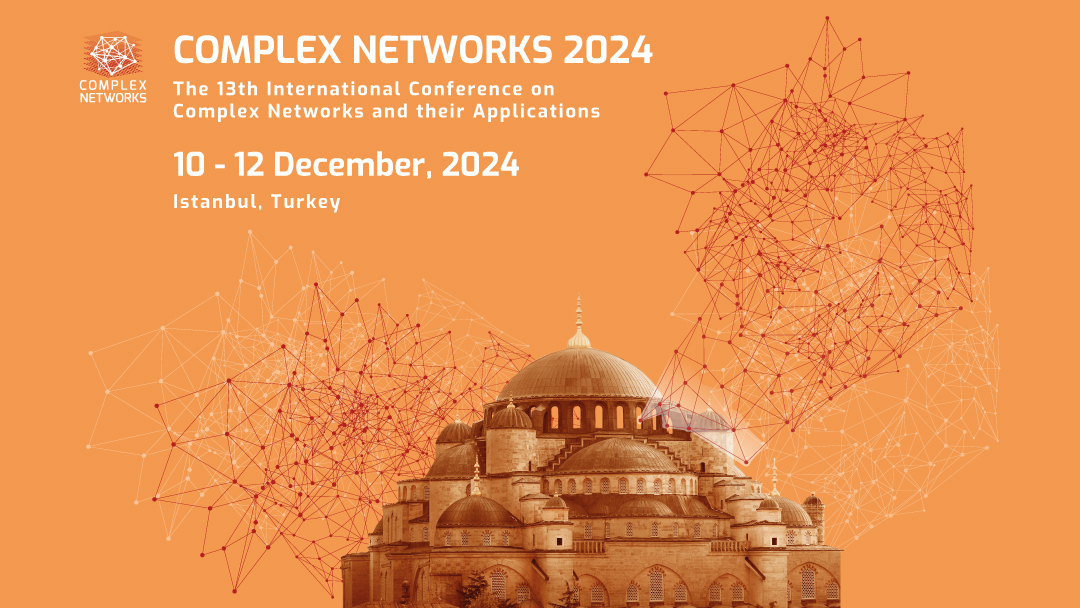
COMPLEX NETWORKS 2024 is held in a city that straddles two continents (Europe, and Asia). Save the date! (December 10-12, 2024)!
Submit at https://t.co/FLMO9eIVH0
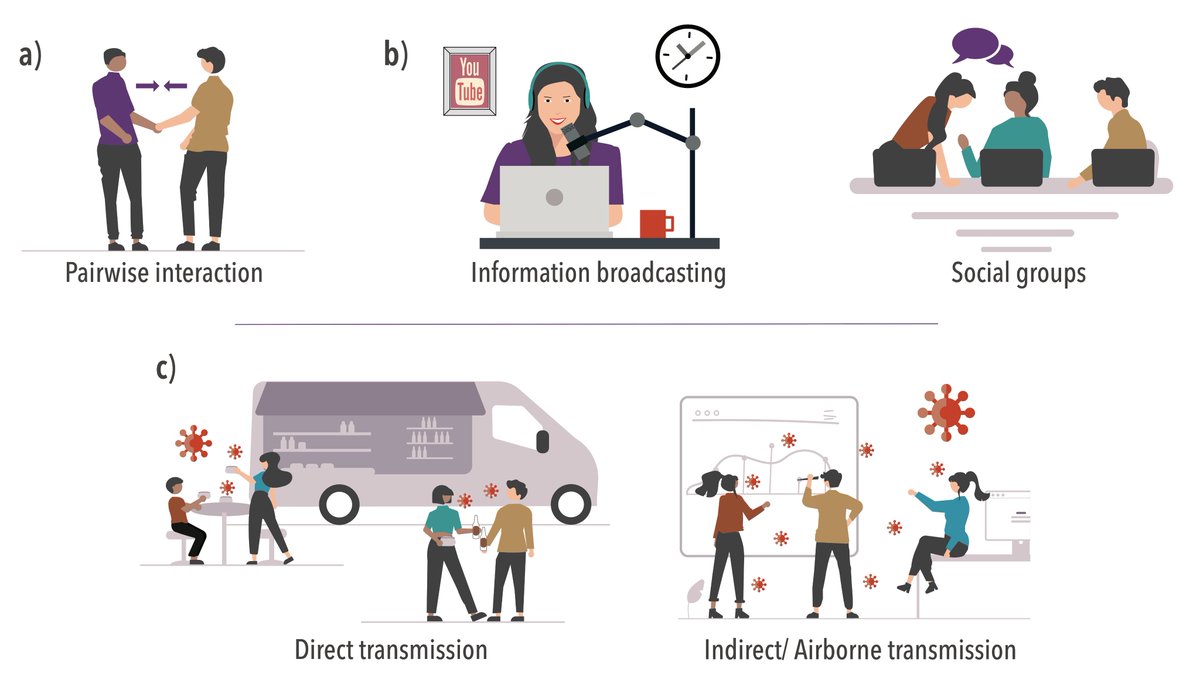
Now out: "Contagion dynamics on higher-order networks" (https://t.co/uuezQ4TeI0). This is a focused review of the topic that also proposes a unified formalism covering most of the functional forms used for the spreading dynamics and discusses a roadmap for empirical validation.
@estebanmoro wow indeed! Reminds me of the use of Excel creating fake gene names in bioinformatics (like « March1 »)… Great to see such replication work, this is science in action! https://t.co/VkdK5ieRl5
Collaborative work with @chakresh_iitgn@luyibov Fabrice Lecuyer and @m_starnini. And thanks to the comments on our preprint in this previous thread for helping us improve the work!
https://t.co/AmTihMauaX
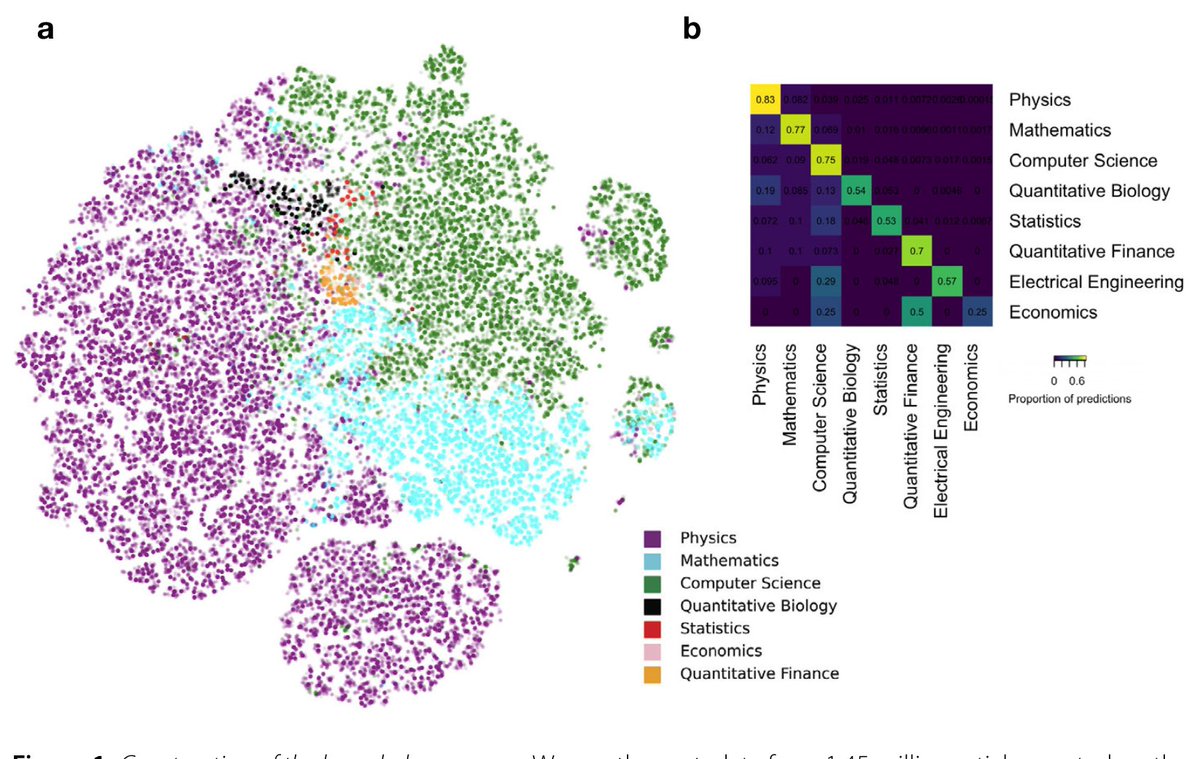
In our last @arxiv preprint, we studied mobility patterns in the knowledge landscape made of... @arxiv preprints!
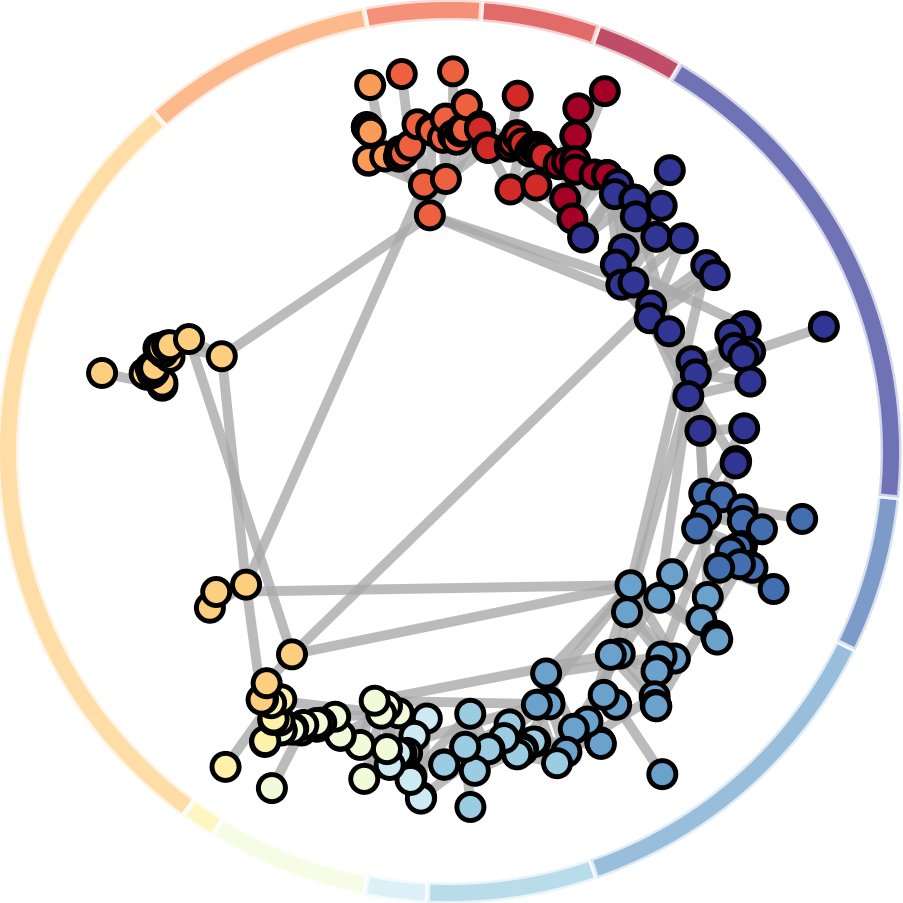
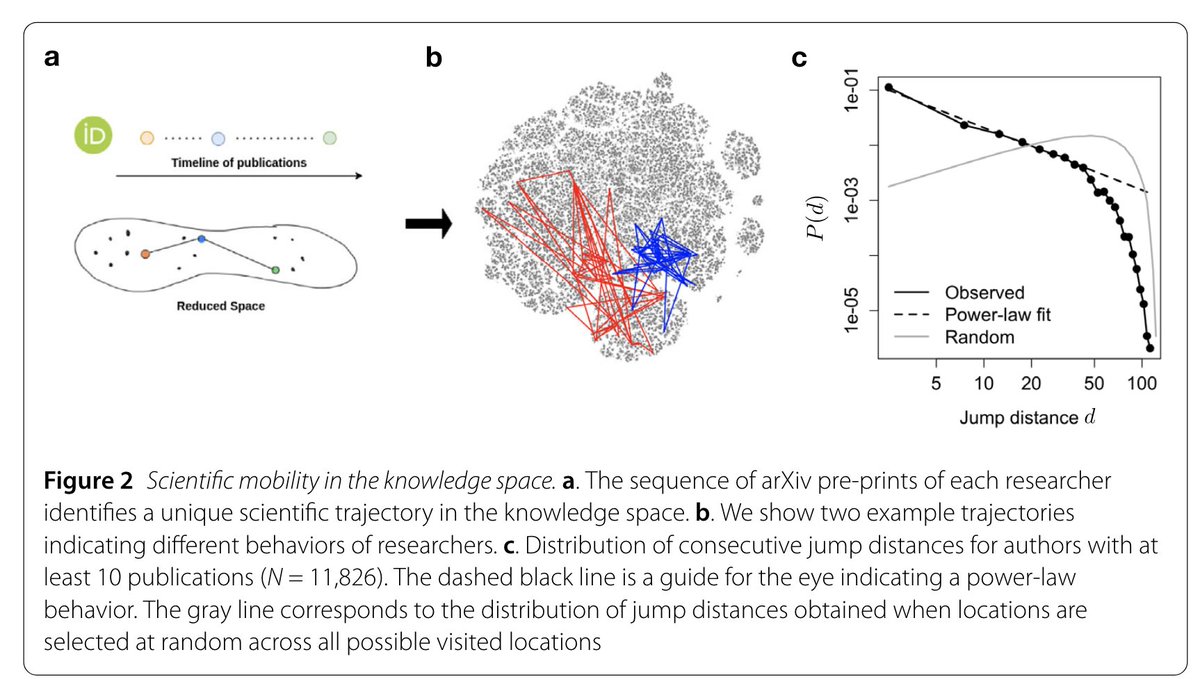
We show that scientific trajectories of researchers in a low-dimensional embedding of 1.5M arxiv papers closely resemble physical mobility.
https://t.co/GcuAXdbSau
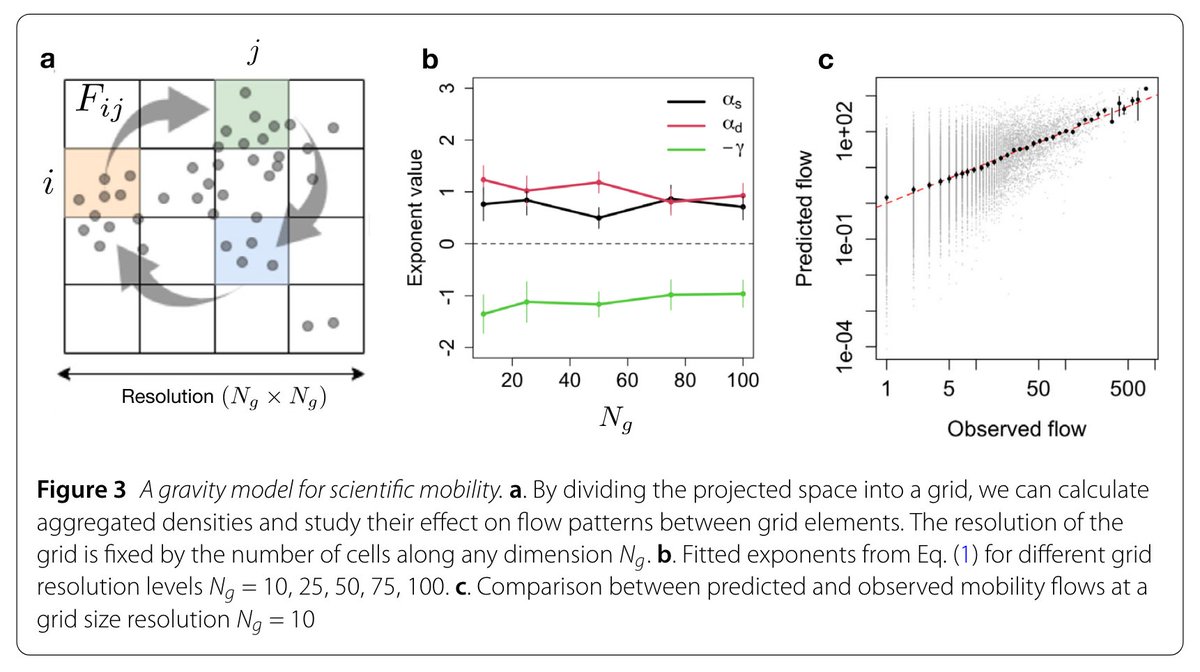
Collectively, these trajectories form mobility flows that follow a gravity model, favouring jumps in high-density areas and making long-distance moves less likely.
This work opens up the possibility of using this space to quantify how interventions (such as funding) modify trajectories and the structure of the space.
Using low-dimensional embedding techniques, we created a knowledge space composed of 1.5 million articles in physics, computer science, and mathematics. The analysis of individual publication histories reveals patterns of knowledge mobility similar to physical mobility.
Our work on the trajectories of scientists in the knowledge space has been published in EPJ Data Science @epj_ds! We show that tools for studying human mobility can be applied to the mobility within scientific knowledge.🧵
https://t.co/epluFdLEq0
For those who could not make it, here is the recording of yesterday’s network seminar "Higher-Order Networks and Motif Analysis in Hypergraphs" by Quintino Francesco Lotito
We are restarting the network seminar series with the first talk on "Higher-Order Networks and Motif Analysis in Hypergraphs" talk on 5th October (4pm CET) by Quintino Francesco Lotito👆
w/@msantolini@research_lpi Sing up here #hypergraph https://t.co/Jpqc7WfvdY
On 27th April at 4pm CET we will have seminar by Dmitryi Kobak on embedding methods.
Register for the seminar:
https://t.co/SidU1uI9xj
@hippopedoid
https://t.co/CaEhmOTUSa
w/@msantolini and network seminar team #networks#embeddings