We don't need plans, because our wallets already do it. Hathor's wallets never sign blind: before any signature, the wallet receives the entire transaction, decodes it and shows it to you, and nothing is signed until you approve. That's the check Binance's wallet skipped.
The actual security level depends on the wallet. A genuine Ledger hardware wallet is safer because you can trust its screen, whatever malware is on your computer.
Exchanges and custodians are different: they sign too often for a person to approve each transaction, so they automate it with their own custody technology and their own policies. Those systems should never sign blind either. Their policies must read every transaction and check its type, amounts, recipients and the rest, so a malicious one is flagged before it's signed, on any chain.
Binance says it found no evidence a private key leaked. Yesterday the key was used to sign a message with no amount and no recipient, telling the wallet to run the attacker's code.
Three minutes later, 1.6 billion USDT left. A simple rule would have refused that signature. 🧵
This risk exists in every blockchain because it is a custody issue, not a chain issue. Every wallet has a part that keeps the private key from leaking and also signs, and that's where Binance failed: their wallet signed without reading.
Hathor's integrations with MetaMask and the Ledger hardware wallet never sign blind. Both receive the entire transaction and show it to you for approval before signing anything.
MetaMask is more convenient. Ledger is more secure, as long as your device is genuine and unmodified. The difference: Ledger shows the transaction on its own screen, while MetaMask uses your browser, which malware on your computer can change.
At Bybit in 2025 and Binance yesterday, no key had to leak. A system with authorized access asked the keys to sign for the attacker. A script found on Polymarket was built to do the same.
Keeping a key safe doesn't tell you what it will sign. Who checks that in your setup?
To catch this, the signer has to get the full message, decode it and refuse types the wallet never signs. A hot wallet mostly sends transfers. It has no reason to sign a delegation.
Those rules have to live with the key, so the service asking to sign can't skip or change them.
When we asked Sui and Tempo these five questions, we promised to answer them for our own. Here they are.
Sui: https://t.co/k5LzsffNCN
Tempo: https://t.co/jnsJ7L4S0D
Ask us more in the replies.
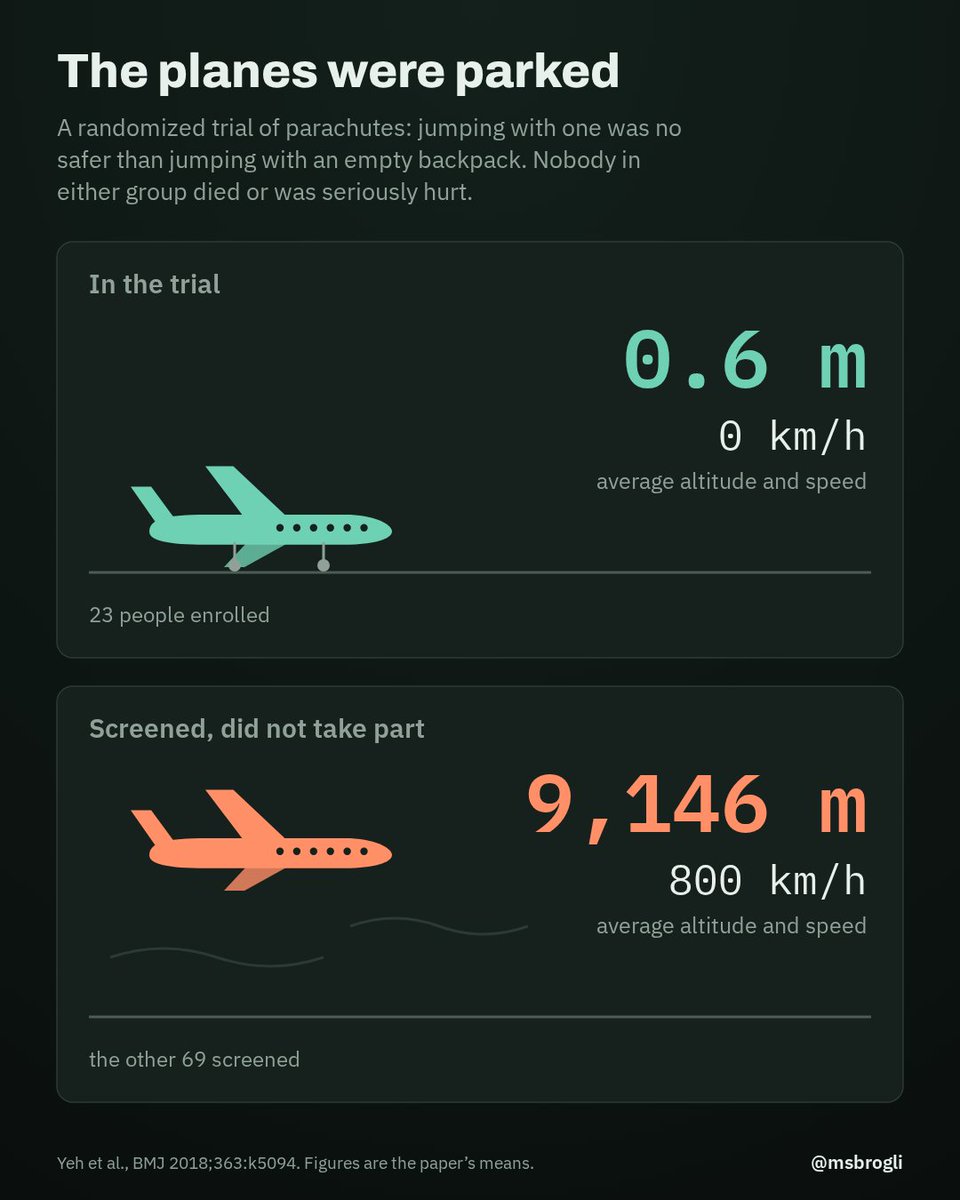
In 2018 the BMJ published a randomized trial of parachutes. Jumping from a plane with one was no safer than jumping with an empty backpack.
The trial was careful and correct. The planes were parked.
Many blockchain speed records are set the same way. Here's how to tell. 🧵
Average altitude 0.6 m. Average speed 0 km/h. Nobody in either group died or was seriously hurt. The trial ran in the BMJ's Christmas issue, and its lesson is serious.
The point: a test can be done right and still say nothing about the hard part, if it runs where the hard part can't happen.
Tempo's published benchmark is one example. Its methodology page: "two local validators in consensus on a dedicated bare-metal server."
Our new consensus finalized 61 million transactions in 10 minutes. Every validator averaged over 101,000 a second, and every transaction was confidential.
25 validators, 9 regions, 4 continents.
We ask every chain five questions about TPS. Our answers:
Next: longer runs, and more per second.
Past 100k, bandwidth is the next wall. At 100k, each validator sent about 1.1 Gbit/s to the other 24, and that grows with the rate.