Did you know there's a type of phishing attack that defeats MFA completely.
It's called a reverse proxy phishing kit and it's one of the fastest-growing attack techniques in cybersecurity.
Traditional phishing works by using fake login page. you type your password. attacker gets it. if you have MFA enabled, the stolen password alone is useless. attacker gets stopped at the second gate.
reverse proxy is different.
instead of a fake page, the attacker sets up a live proxy server between you and the real website. when you click the phishing link, you connect to the attacker's server. the server connects to the real Microsoft, Google, or Okta on your behalf. it fetches the real login page and serves it directly to you, pixel for pixel in real time.
you're looking at the actual login page. you type your real password. the proxy relays it to Microsoft. Microsoft sends back an MFA prompt. the proxy relays that to you. you approve it. Microsoft sends back a session cookie.
the proxy intercepts the cookie before it reaches your browser.
You're logged in, so is the attacker using the same session.
Tools used: Evilginx, Modlishka, Muraena. all open source. all free. all with pre-built templates for Microsoft 365, Google Workspace, Okta, and PayPal.
commercial versions: EvilProxy, Tycoon 2FA, Mamba 2FA, Starkiller. Sold as subscription services on Telegram.
Reverse proxy phishing surged 139% between September 2025 and March 2026, nearly 1 in 4 phishing links now carries a reverse proxy payload.
18 US universities hit last year. Microsoft 365 campaigns targeting thousands of organizations globally.
The only authentication method that stops this completely: FIDO2 passkeys and hardware security keys. They bind credentials to the real domain. The proxy can't replay them because the credential was never issued for the proxy's domain.
Everything else, SMS codes, authenticator apps, push notifications can all be relayed.
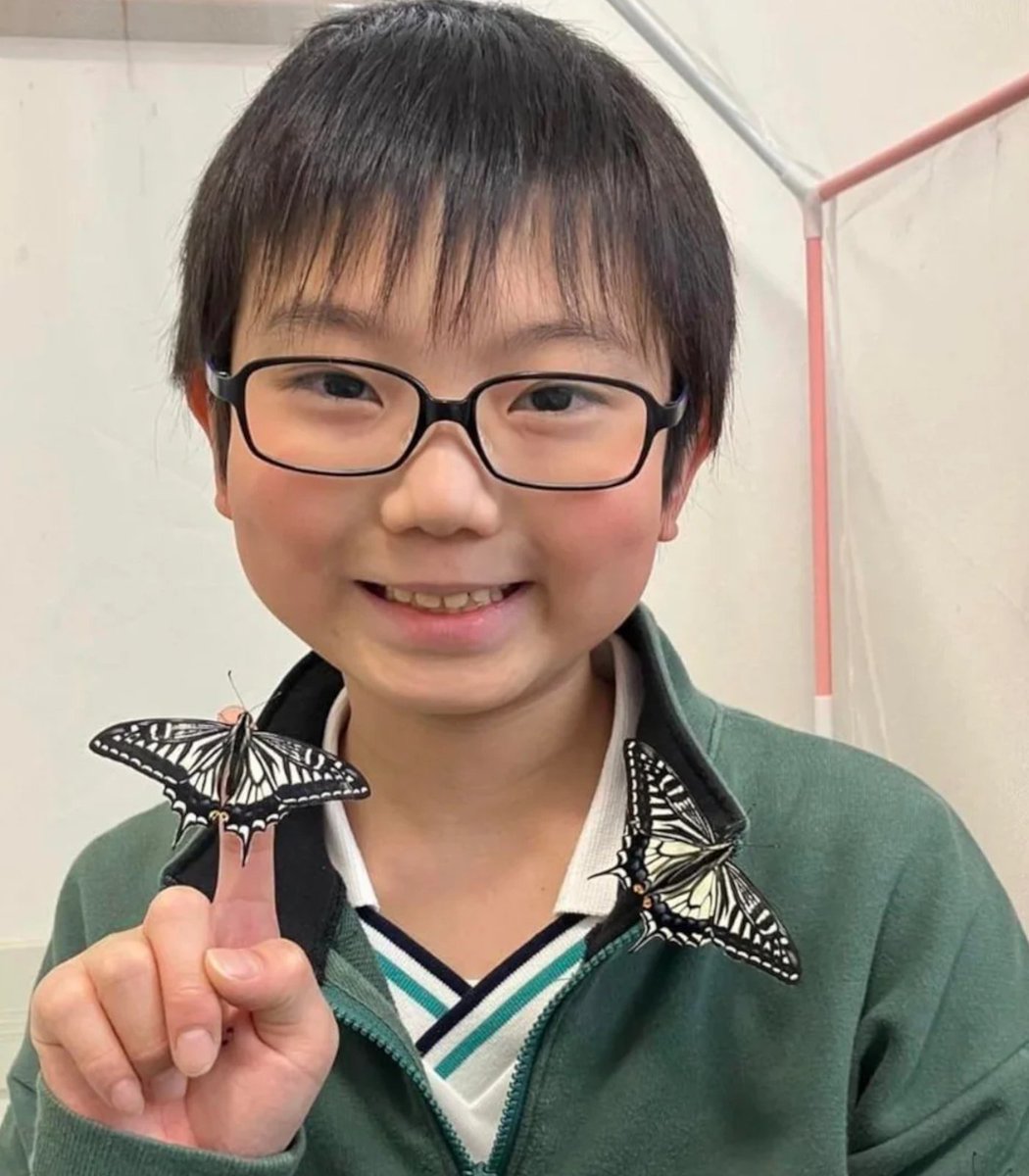
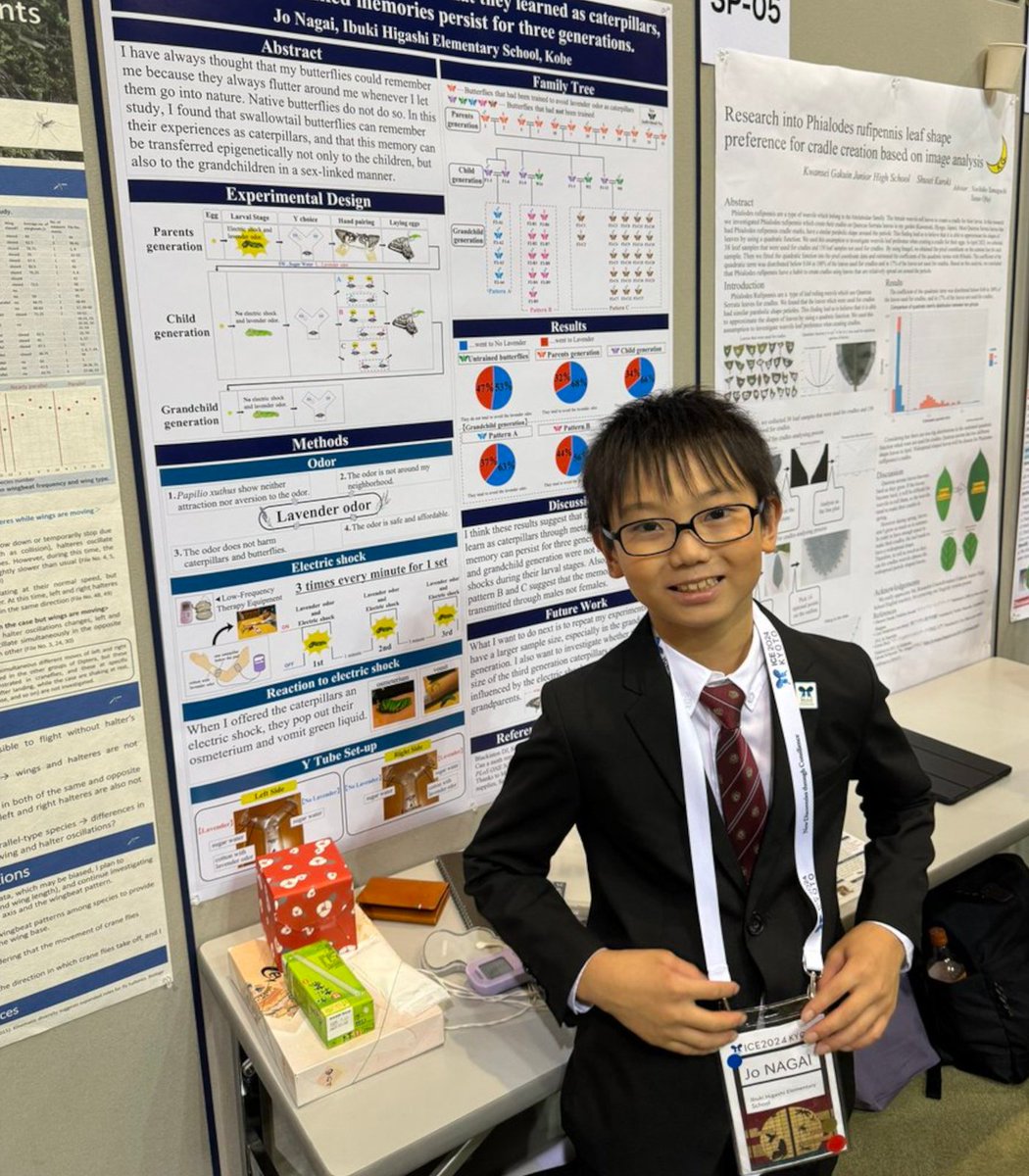
A 10 year-old boy from Japan discovered that butterflies can remember their time as caterpillars.
Jo Nagai noticed his caterpillars still loved him after turning into butterflies, and the affection he had for them led to a genuine scientific discovery.