How can autonomous vehicles better understand and interact with humans on the road?
This week we kicked off #HARMO, a new Horizon Europe project, in Leuven 🇧🇪
At CAV-Lab, we’ll explore neurosymbolic generative AI for safer, more human-aware autonomous driving.
Today, I spoke in a news interview about the deployment of robotaxis in London and what it could mean for society.
My view is that this technology has the potential to make travel safer and more accessible.
#Robotaxis#AutonomousVehicles#SafeAI#London#FutureOfTransport
The UK is investing nearly £130 million in the next generation of zero-emission and self-driving vehicles – but what else is needed to make the UK a leader in the sector?
#ai#mobility#investment#automated#connected
https://t.co/vEKMR9DrEB
If you want to understand where AV technology is heading and what it will take to build public trust, confidence, and inclusivity, this is one to attend.
📍Register your interest (free to attend):
👉 https://t.co/63ZfUpm7FX
#AutonomousDriving#AIsafety#FutureOfMobility
Why GM pulled the plug on Cruise after spending $10 billion on robotaxis?
You may find the view of Prof John McDermid and mine on this in this Business Insider report: https://t.co/LlocQHErbN
#autonomousdriving#ai#safety#public#certification#selfdriving
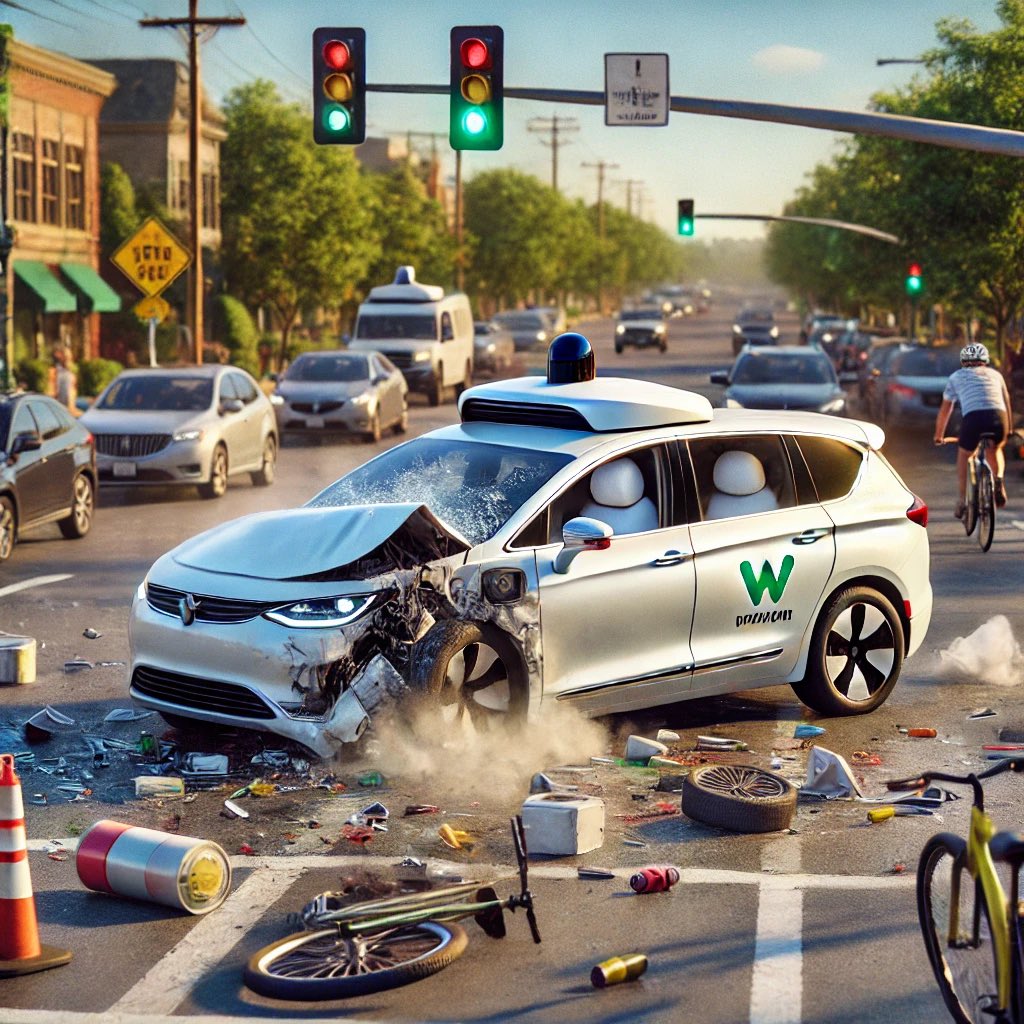
The race to commercialise autonomous vehicle (AV) technology is intensifying, driven by industry ambitions and governmental interests. However, this rush poses significant risks, as current AV technology remains suitable only for tew usecases with very limited Operational Design Domains (ODDs).
To make AVs both safe and accessible for everyone, we must address the fundamental challenges that persist in their development. Achieving this requires a paradigm shift—a closer, more intentional collaboration among governments, industry, and academia.
Equally important is the integration of expertise across diverse fields. Engineers, computer scientists, human behaviour specialists, and safety assurance experts must come together to tackle the critical safety, reliability and trustworthiness issues that hinder mass deployment.
If we want a future where AVs are trusted and universally adopted, we must prioritise solving these foundational issues over pursuing short-term milestones. The stakes are too high to ignore.
#selfdriving #deployment #ai #safety #government #academia #industry
Being an academic and a lecturer is one of the greatest joys of my life. It’s a privilege to guide the next generation of engineers—those who will shape our future, drive innovation, and create a world that’s better for all of us.
Moments like this, when a student takes the time to share their gratitude with a heartfelt Thank You card, make it all the more meaningful. Knowing that I’ve made even a small impact on their journey is a reminder of why I chose this path.
To my students: thank you for inspiring me as much as I hope to inspire you.
#TeachingFeeling #student #academia #future #engineering
We need to be very clear what we’re talking about when we talk about autonomous vehicles. Baidu’s robotaxis still require a safety driver behind the wheel, for example. Cruise and Waymo have shown that a fully autonomous service is viable in certain locations. But it took years to train their vehicles to drive specific streets, and extending routes - safely - beyond existing neighbourhoods will take time. We won’t have robotaxis that can drive anywhere anytime soon." PAI Fellow Professor Saber Fallah, PhD, PEng speaking to the MIT Technology Review about the challenges faced by driverless vehicle technology.
#AI #selfdriving #safety #autonomy #autonomoisvehicle #value
https://t.co/0sMMWG8K3X
What Impact Will AI Have on the Automotive Industry by 2030, and How Can We Prepare Today to Capitalise on It?
Today, I had the pleasure of moderating a panel discussion on the transformative impact AI will have on the automotive industry. Our esteemed panellists included:
Dr. Yuhan Yao, Ph.D, Vice President Engineering, Chief Technology Office, ADAS System, Software, and Service | Bosch
Sachin Agrawal, Senior Data Scientist, Connected Car | Mercedes-Benz AG
Pia Dreiseitel, Head of Growth Field AI Technologies and Principal Expert AI | Continental
Gabriele Pieraccini, Chief Technology Officer | ART SpA
We explored the key challenges in adopting AI technologies within the automotive industry, the advancements needed to be well-prepared for 2030, and the implications of AI on the development of ADAS and autonomous driving systems. Key topics included:
AI's influence on the driver experience and vehicle lifecycle
The role of collaboration and ecosystem development in AI
AI ethics, safety, and regulatory frameworks
The future skills and workforce transformation required to harness AI
Main takeaways from the discussion:
- AI will play a pivotal role in the development of advanced ADAS systems.
- While these technologies are exciting, they introduce significant safety and ethical considerations that must be addressed.
- The adoption of AI in the automotive industry will require substantial organisational change.
- There is a pressing need for AI education, not just within the automotive supply chain but also for end-users.
- Strict EU regulations may pose barriers to AI adoption in Europe compared to regions like China and the US. This sparked a conversation around the practicality of global AI regulations to level the playing field for automakers worldwide. Is such a global framework feasible or practical?
Additionally, I thoroughly enjoyed the presentations from:
- Xavier Perrotton, Brain Data Director & AI Research Director | Valeo, on how generative AI and foundation models can revolutionise image retrieval, data augmentation, and automated data labelling.
- Olga Khryapchenkova, PhD, Lead Product Manager – AI Voice Assistant | NIO GmbH, on the role of generative AI and LLMs in human-machine interaction and the ethical dilemmas they pose.
- Gerrit Grotewold, Head of Personalisation and Context Awareness | BMW Group, on the use of AI to personalise the driving experience.
Almuth Czwikla, on the necessity of ethical frameworks for AI.
I also had insightful discussions with Julia Flament-Wallin, Software Engineering Manager Autonomous Driving | TomTom, on how AI can accelerate the development of high-definition maps, and with Behzad Benam and Andy Shahbazian on the importance of safe (symbolic) AI development.
#AI #GenAI #ADAS #Automotive #ethics #safety #Technology #SupplyChain #autonomy
What does responsible AI deployment in business look like?
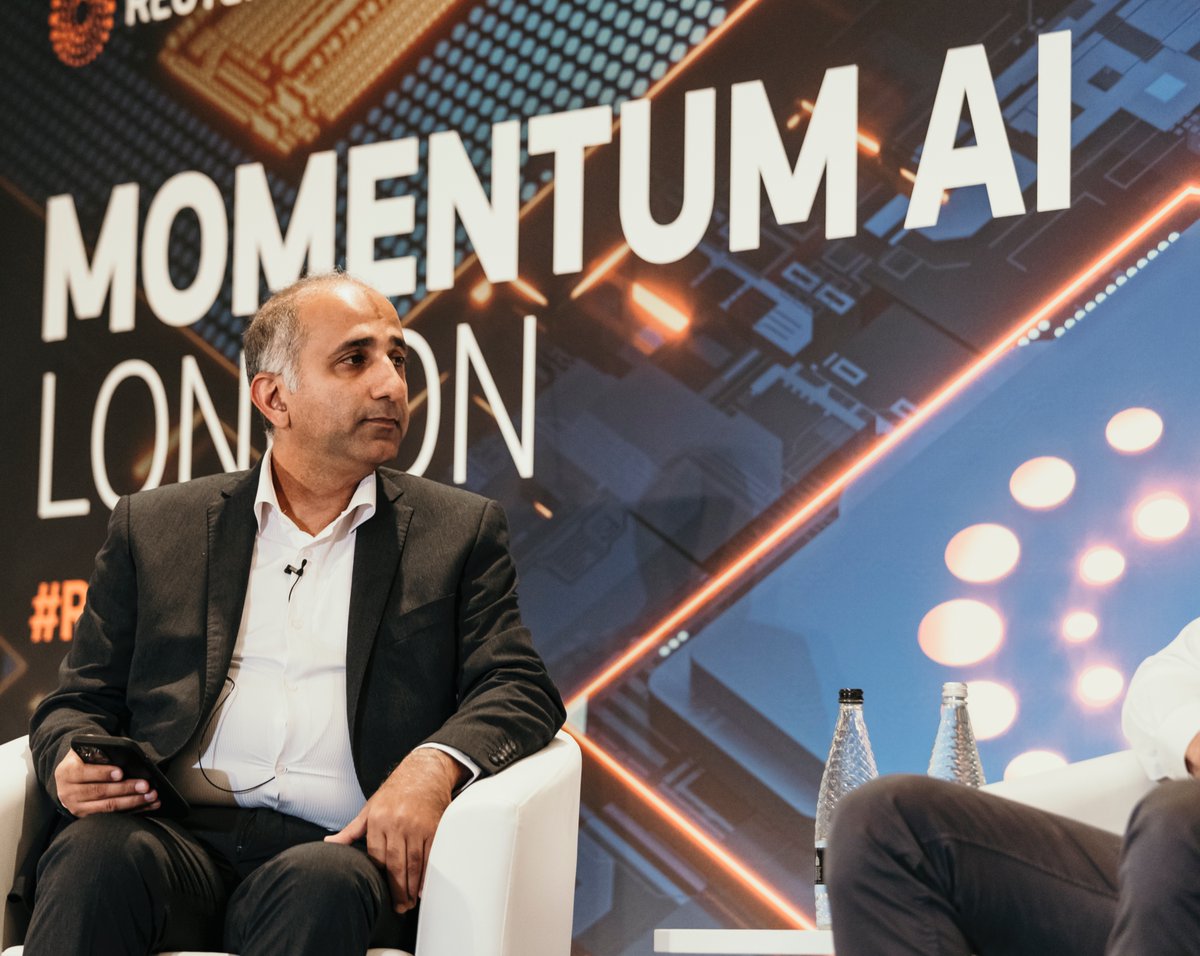
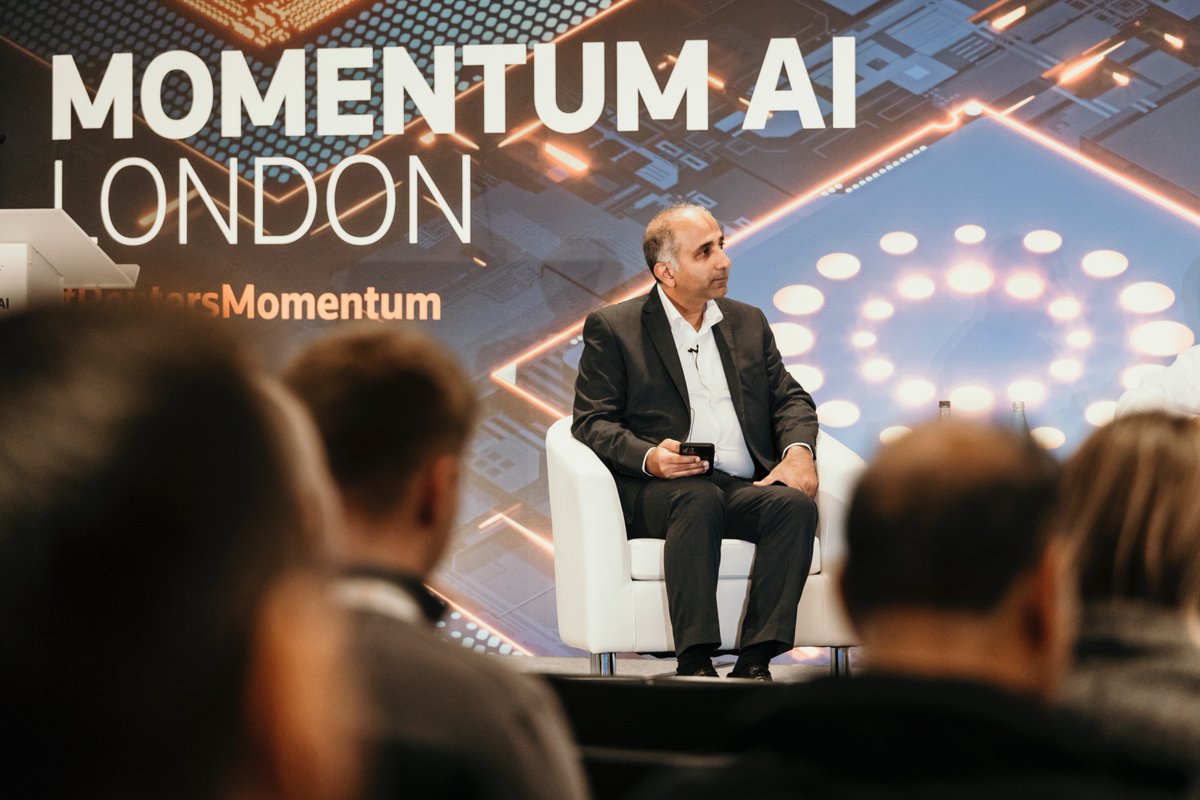
Today at MOMENTUM AI London, organised by Reuters Events, I had the privilege of moderating a thought-provoking panel on the critical need for responsible AI in business. Joining me were industry leaders: Dirk Olufs, Chief Information Officer at DHL Express, Jamie Ovenden, Chief Technology Officer at Schroders, and Pravina Ladva, Group Chief Digital Technology Officer at Swiss Re.
We explored how #AI is becoming indispensable across #logistics, #finance, and #insurance, and how these sectors are ensuring that its deployment aligns with operational goals while upholding #ethical standards. Key themes included:
- Ensuring AI explainability to enhance transparency and accountability in decision-making.
- Addressing ethical challenges to promote fairness and avoid bias in AI-driven processes.
Before the panel, Jamie and I had a fascinating chat about Symbolic AI and its potential to ensure that large language models (#LLMs) and other AI systems comply with stringent regulations.
It was an insightful conversation, and I'm excited to see how these industries continue to navigate the future of responsible AI deployment.
Thanks to Reuters and Stefan Mullan for organising the event!
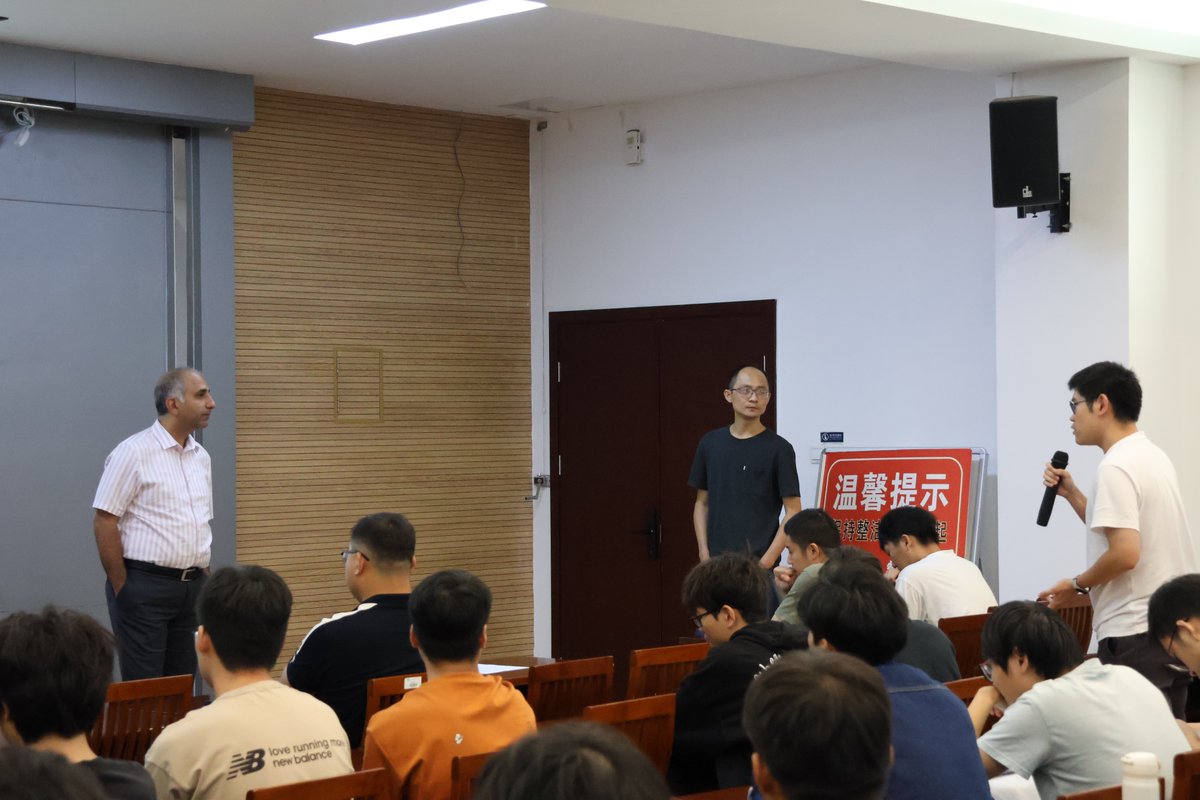
During my recent visit to #China, I had the honour of being invited by the University of Shanghai for Science and Technology and Jiangnan University to deliver a talk on the Safety Certification of AI-driven self-driving vehicles. I believe that It is critical for researchers to be fully aware of the technical challenges and barriers to the safe deployment of self-driving vehicles. Rather than merely advancing the technology, it is essential to address the current limitations and risks inherent in today’s systems. Only by tackling these issues head-on can we pave the way for truly safe and reliable autonomous transportation.
@UniversityofSurrey
#AI #selfdriving #safety #autnomous #certification #AutonomousVehicles #SelfDrivingCars #AIInAutomotive
#SafeA #AutonomousDriving #VehicleSafety #AICertification #TechInnovation #SmartMobility #FutureOfTransport