Microsoft Academic is a free service to help the academic community find academic content.
*Account is not active. Follow @MSFTResearch for info in this area.*
@RajathCS1 Great observation, thank you for bringing this to our attention! Seems that a recent platform change caused the data to be left out.
We just deployed a hotfix and the MeSH search capability has been restored.
Introducing a new way to find biomedical research on Microsoft Academic, plus showcasing new capabilities in query formulation:
https://t.co/aQgZHm1OwJ
@aarontay @James_M_Thomas @RickyPo@bing The reason we don't publish on this is because the number can be seriously misleading. As you know, the rights to use full text depend on the use cases, and "reading" the full text by humans or by machine has complicated and nuanced legal/regulatory considerations.
@aarontay @James_M_Thomas @RickyPo@bing Actually, it's north of 1 billion URLs to check, and the cost of checking it on Azure is less than a cup of Starbucks coffee and takes only half a dozen USQL statements.
@linda_venable No for Date but for Relevance, we do include an estimation of future impact, called saliency, in the ranking. Saliency is an article-level measure and thus can avoid all the pitfalls of using JIF, but it is derived from citations and may promote preferential attachment.
@aarontay@lisalibrarian Note the instantaneous inference while you're typing in the query box: MA will show you legit combinations of authors/affiliations so that you can quickly focus on what you're looking for, especially for authors who have a popular name like yourself:
#I4OA is also supported by a large number of other stakeholders, including research funders, library organizations, infrastructure providers and tools developers
@paoladm@kuansanw You meant you couldn't access the website? Can you try again or letting us know which paper the miscategorization you'd like to report? Thanks!
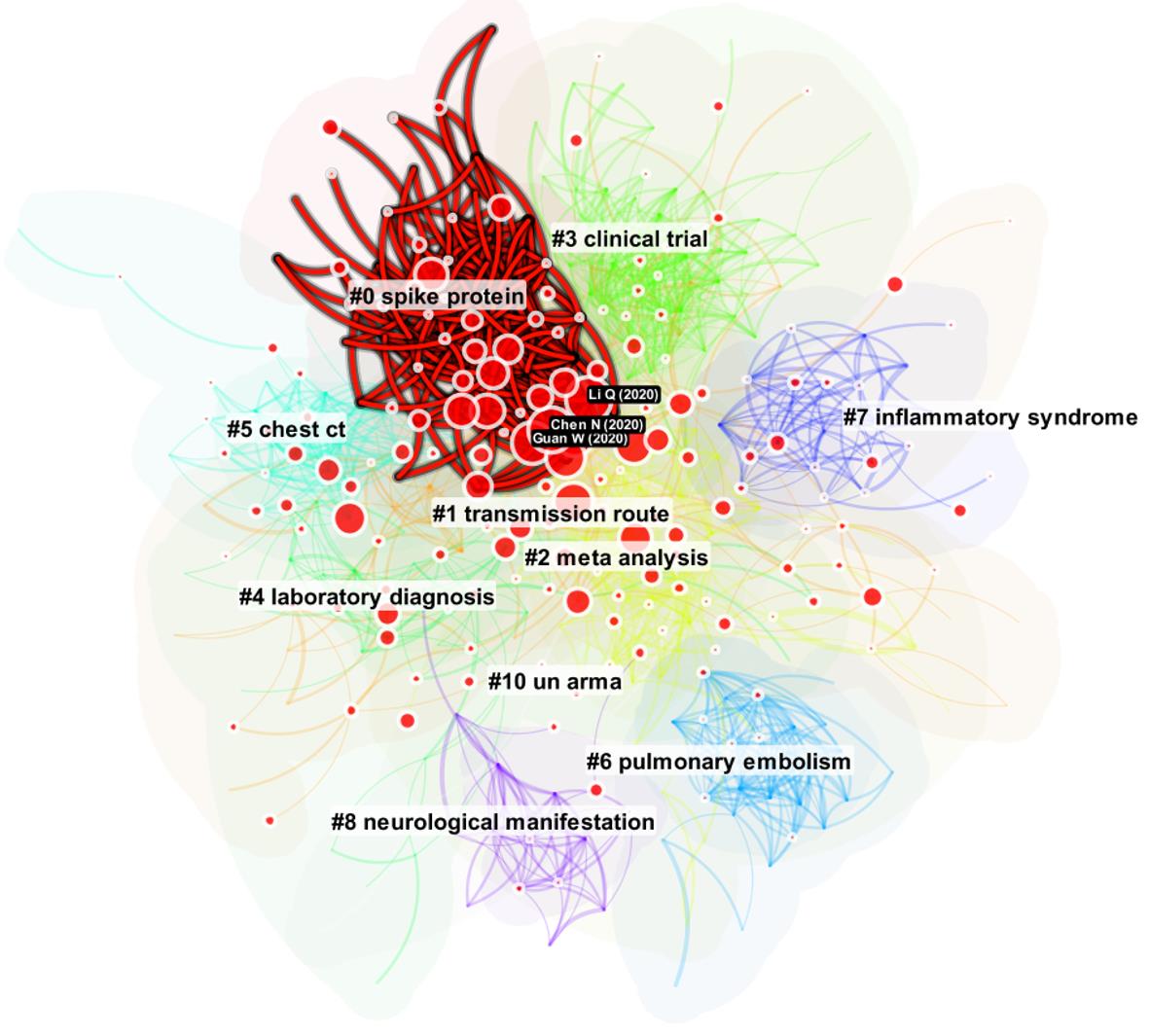
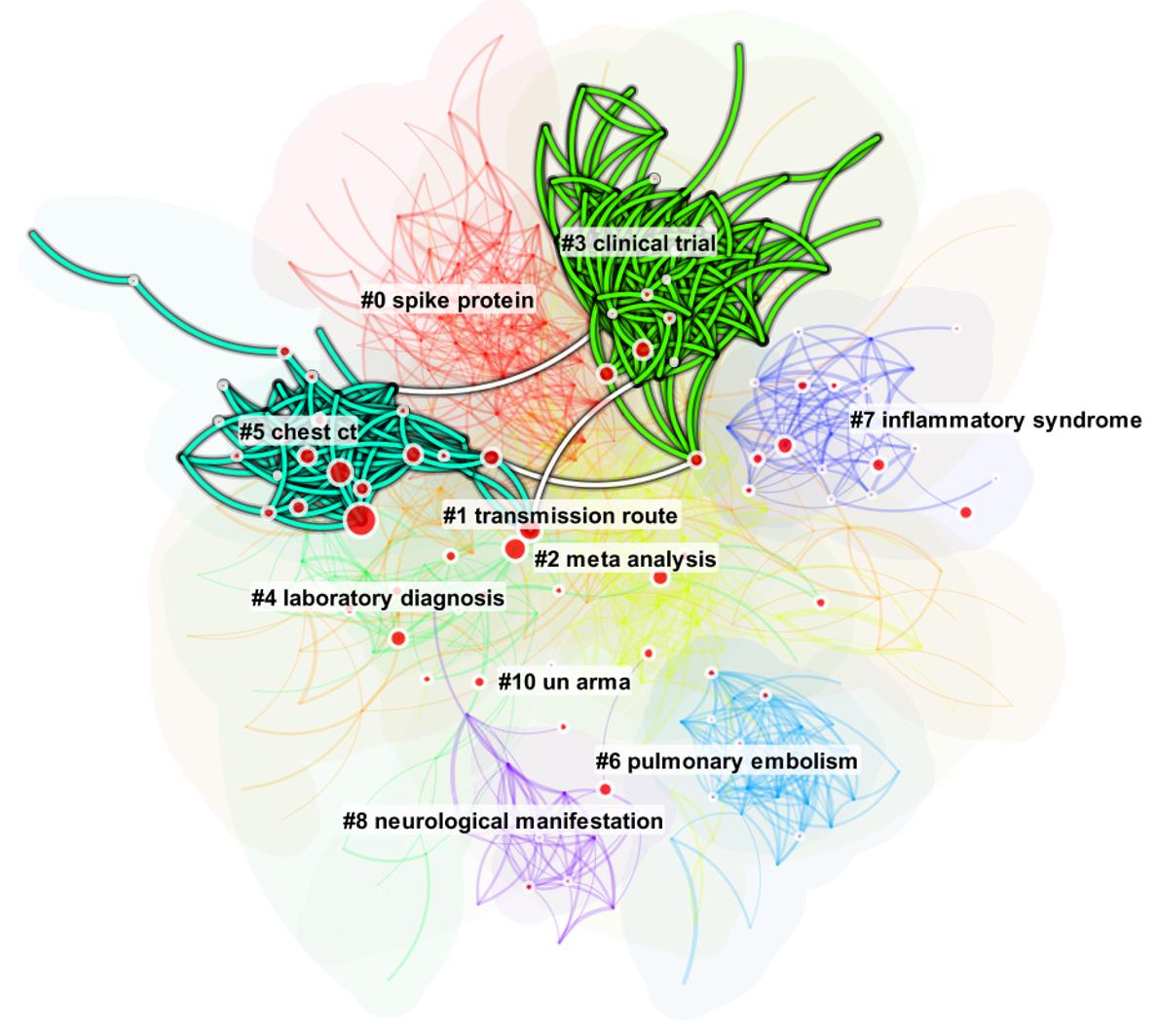
Preprint: Chen, C. (2020) A Glimpse of the First Eight Months of the COVID-19 Literature on Microsoft Academic Graph: Themes, Citation Contexts, and Uncertainties. #MicrosoftAcademics#CiteSpace#Uncertainties#CitationContexts
https://t.co/5iOQ7QoD5q
https://t.co/xI9tJJSrgl
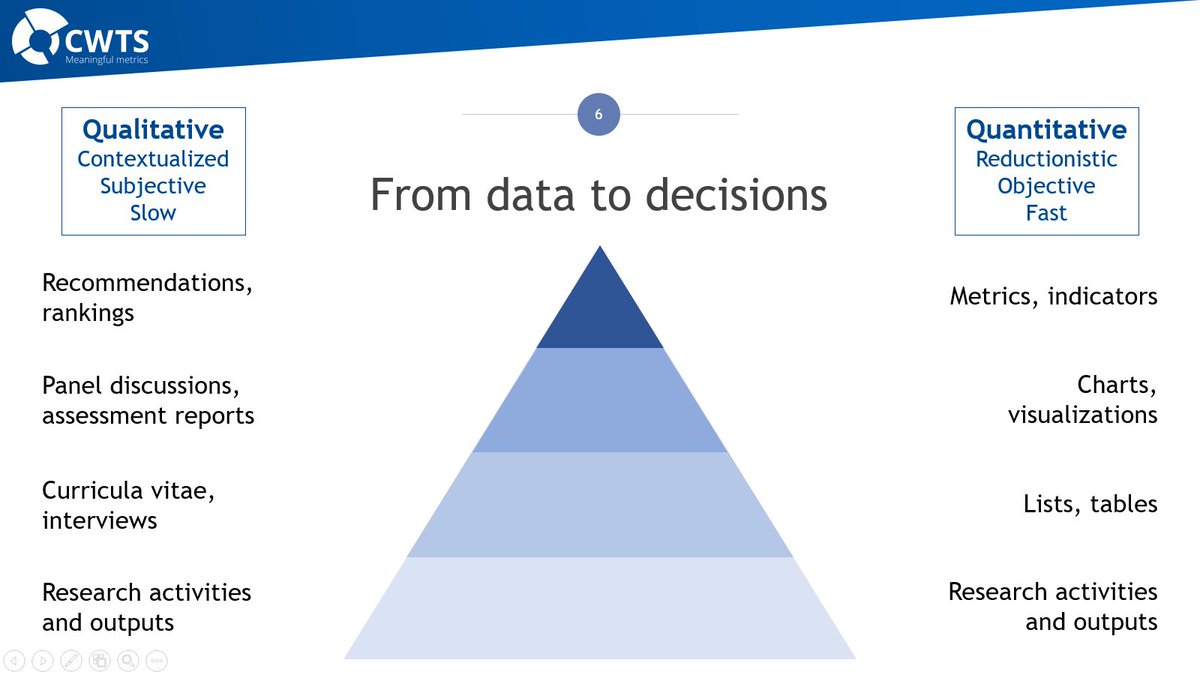
Slides of my presentation 'Responsible research assessment requires open scholarly metadata' yesterday at #WOOC2020 https://t.co/oG2UyZ2cPY @cwtsleiden@opencitations
@RajathCS1 A single invention typically will be filed as multiple patents under various jurisdictions, and our partner @TheLensOrg is specialized in grouping them back into their core invention. You can use the Lens ID in MAG to look up all the patent numbers at https://t.co/n0jiOEaIYj
@aninja_o As per our paper, we care more about distinct inventions, and will lump into a single entity multiple patents filed under various jurisdiction but essentially the same invention. The "patent family" concept leverages the great work from .@TheLensOrg!
@aninja_o We use "topics" as a shorthand for "fields of study", which is a first-class entity in our system that describe the semantic contents in a paper. For example, a paper on the topic of artificial intelligence does not need to contain keywords artificial or intelligence.
@aarontay We've made each dot clickable so that more explanations can be given to answer your questions. In this case, a clickthrough would reveal this chart is a result of information science being dominated by books that receive a lot of citations.