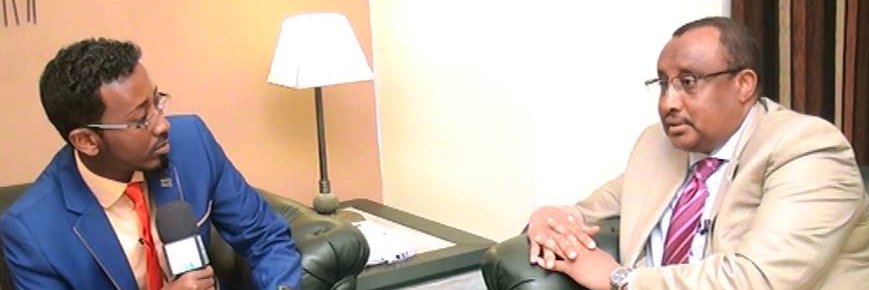
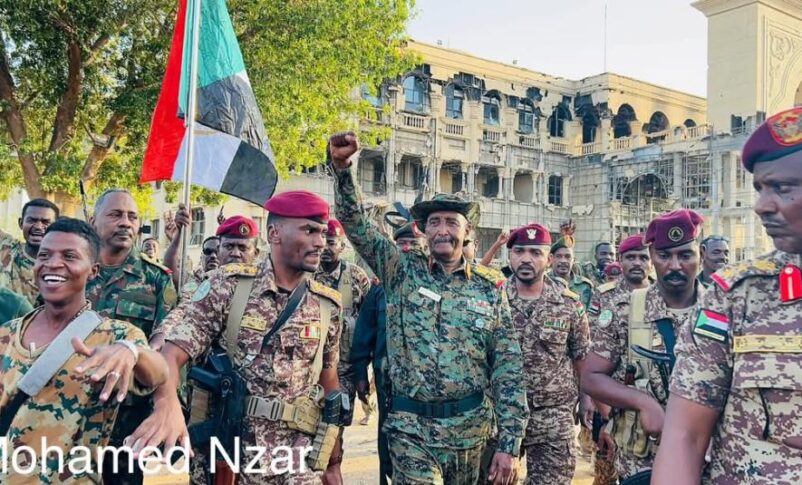
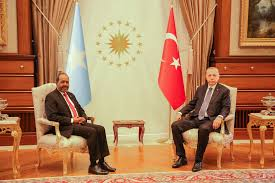
@alihwarsame Raja Xumada Dhalinyarada Waxaa Laga Sugaya waa in La Saxo Raga Siyaasin Somaalida Xaafad Ku kala Gadoomiyey,Waana In Dhalinyarada La fahan siiyo Inay Dowlad Soomaaliyeed rajo u Noqon Karto Balse Hadii Dowlad Soomaaliyeed la Waayo Maamul Goboleed Ma Barwaaqoobi Doono
Why should Somalis not hand their cards to Turks but keep them in their chests?
In the late 19th century, about two hundred and fifty years ago, the Somali peninsula was under the secernate of two separate Ottoman Turks. The southern region was under the rule of Said Bargash through Oman. At the same time, the north, including the capital Harar, and the northwestern areas were under the authority of the Khedive Ismail Basha through Egypt, both of which were affiliated with the Ottoman Empire before the colonial partition of Somalia by European powers.
Turkey ultimately relinquished control of the Somalis to colonial Europe, with Britain assuming control in the North and Italy in the South due to shared interests. In the former case, the Kedive's decision was prompted by pressure from the Mehdi of Sudan, aligning Turkey's interests with Britain's, as both countries harboured similar concerns. The latter case resulted from a financial exchange that paid Bargash the Italian Lire.
In the same century, Ethiopia sought to expand its territory to the Somali peninsula. This ambition was exemplified by Nuradin Farah, who described the Ethiopian leaders' desire for access to the sea in an article titled "Which Way to the Sea, Please." After the Turks had abandoned Harar, the British negotiated with Menelik, the Emperor of Ethiopia, regarding the control of Somali lands. As part of these discussions, Lord Todd was tasked with convincing Menelik to support Britain's efforts against Mehdi. In exchange for MeneMenelik'sport, Lord Todd was instructed to cede a portion of the Somali peninsula to him. These negotiations ultimately led to the signing of the controversial EthiEthio–Britainaties in 1897.
Netheless, in recent history, Somalia and Turkey have forged strong ties, with Turkish President Erdogan and his wife leading a historic visit to Somalia during a critical period in 2011. Their visit occurred amid a devastating famine, which is widely believed to have been the result of human actions. At that time, the international community was largely indifferent, with only a handful of NGOs providing aid and attention to the dire situation in Somalia. Since this historic visit, the relationship between Somalia and Turkey has profoundly strengthened. Turkey has emerged as a key ally for the Somali populace, and this alliance has been built on a foundation of trust and cooperation.
Somalia has been fragmented since the late 1990s following the collapse of the central state of Somalia. Somalia has become heavily influenced by and reliant on neighbouring regional states such as Ethiopia and Kenya. The two countries leveraged the political instability in Somalia and now positioned themselves as key intermediaries for the international community. Moreover, they have diplomatic relations with Somalia's internal subregions, including the autonomous regions of Somaliland and Puntland and the federal member states of Jubbaland and the Southwest, as independent polities with or without the central government's consent.
On January 1, 2024, Ethiopia entered Somaliland, a breakaway region of Somalia, a Memorandum of Understanding (henceforth MoU). Although the contents of the MoU have been kept confidential from the public eye, it is understood that it allows Ethiopia to secure a 20-mile stretch of sea access through a 50-year lease with Somaliland. The Somalis had in mind the expansionism of Ethiopians and the lands they had lost. Hence, this development has sparked apprehension regarding the security implications and risks of intrastate conflict between Somalia and Ethiopia.
In the recent political landscape, there has been heightened concern among Somalis, particularly in Mogadishu, about the looming threat from Ethiopia. This apprehension prompted Somalia and Turkey to forge significant commercial and securities agreements. The accord garnered positive reception from numerous Somalis due to its perceived protection against Ethiopian threats. However, amidst this positivity, some representatives voiced concerns about the agreement's lack of transparency. As a result, the Turkish government has intervened to help manage the situation in the neighbouring countries and prevent it from further escalating.
Turkish Foreign Minister Hakan Fidan, who travelled to Addis Ababa and met Ethiopian leaders, released a statement regarding the conflict between Somalia and Ethiopia, which the Turkish had begun meditating on in July 2024, which was adjourned to September. They said it will resume on August 12, 2024. The press release from the government of Ankara publicly stated that Ethiopia has committed to addressing Somalia's concerns and ensuring the preservation of its unity, territorial integrity, and political independence. However, it was also noted that Somalia, in return, would grant Ethiopia sovereign access to its seas. In other words, the same MoU would be in place, and only the signage of Muse Bihi would be defunct; Hassan Sheikh Mohamud would replace it.
In summary, the history of the Somalis during the late 19th century was marked by the separate influences of two distinct powers: the Ottoman Turks and the colonial Europe. These influences ultimately led to a period in which the Somalis experienced the challenges associated with these external influences and engaged in Ethiopia’s predation expansion, which rings the bell now.
Therefore, my advice to the Somali delegation in Ankara is as follows:
1. Turkey is an ally and friend of Somalia. However, as states pursue their interests, and as history teaches, it would be naïve to believe that friend countries are permanent or that their friendship is driven by any aspect other than interest, including sharing heritage or religion or knowing some of their personality traits. Therefore, do not let Turky drive your case.
2. The statement by Turkey's foreign minister and the memo released by Erdogan's office were alarming, as they contained obfuscating elements. Both groups stated that Ethiopia was about to pledge Ethiopian unity, which would offer it what it seeks.
3. Some Somali delegations may overlook the linkage between Ethiopia's removal of Somali concern and potential compensation for sovereign sea access, which amounts to treason, and think the access is all about commercial.
4. Deal with each item separately and do not negotiate with them until they cancel the MoU.
5. When that action is taken, if you wish to continue negotiations regarding access to the sea, you should engage in direct discussions with the relevant parties under the United Nations Convention on the Law of the Sea (UNCLOS). Seek to establish a level of access comparable to that enjoyed by 14 or more landlocked African countries and no more.
@IDF If I were you, I'll withdraw your occupying Army, the IDF in Gaza and West Bank, Palestine, and I would honor the two States solutions. In other words, if I were Israel, I'd respect the national sovereignty and the territorial integrity of Palestine.
Asc... Ogaysiis
Barnaamijka Caawa- Xaalada Dalkeena iyo Samata-bixintiisa Qaybta 4-aad
Time: 19:00 Gmt and 20:00 Europe and 21:00 East
Date: 19/05/24
Xiriiriye KSHS
Set a reminder for my upcoming Space! https://t.co/IJQLskMzT5
Digniin
Qofkasta oo Soomaali ah oo lagu tuhmo in uu Amxaarada xiriir la leeyahay ama ku gacan siiyo Xabashida dandansiga ay nagu hayaan waa in meeshu joogo lagu daldalaa maxaa yeelay asaga ka xuun amxaarka