@PepsiUganda Thank you for continued refreshments. Please step in and ask your Kireka distributor to abide by your checklist to get bigger premises. The trucks are dangerously parked along Kireka Kyaliwajala road as holding facilities. Please care for safety of the public too.
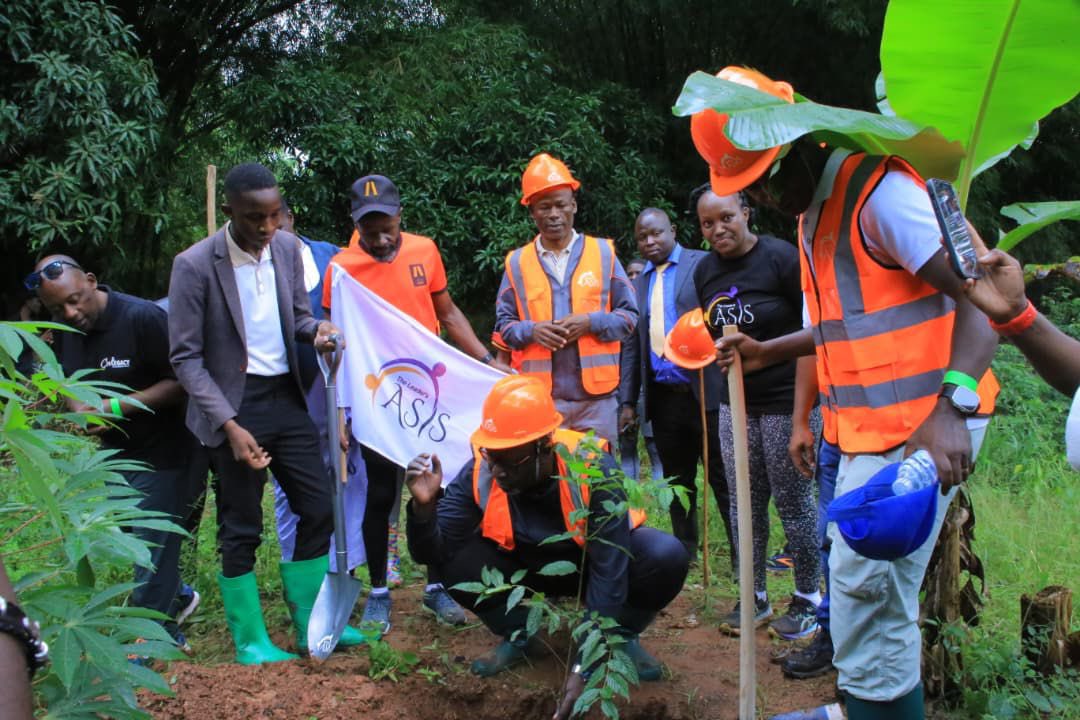
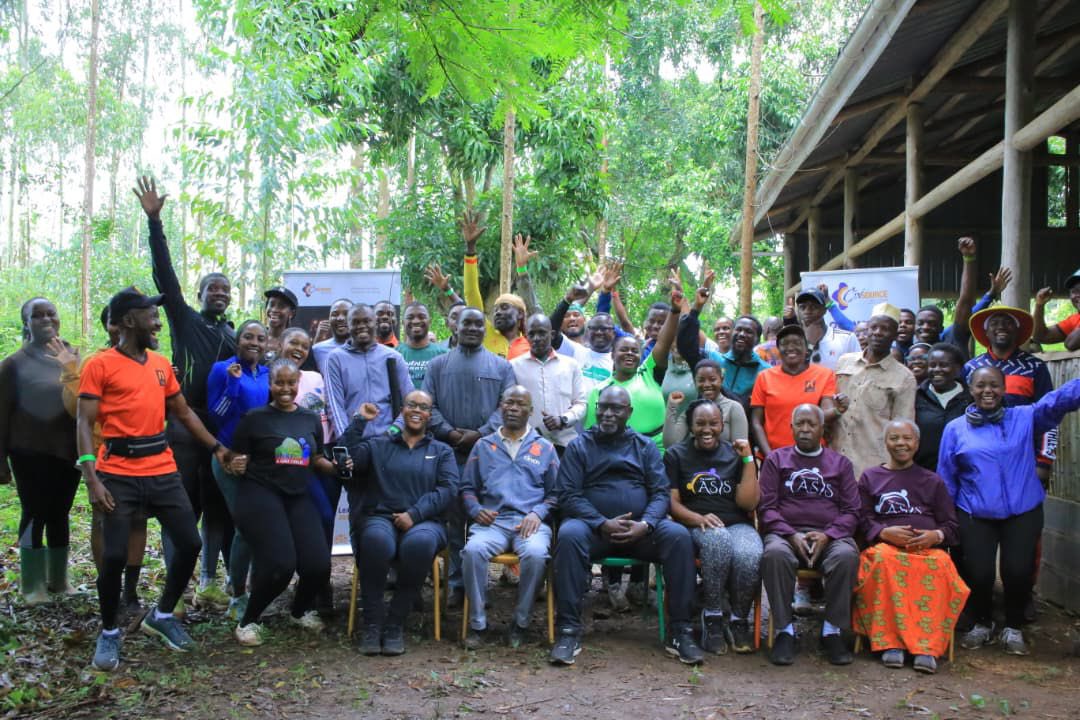
LEADERSHIP::As a leader you need moments of SELF GROWTH to recharge, recalibrate and refill the tank to lead effectively, Owek. Robert Waggwa Nsibirwa Deputy Katikiro Buganda Kingdom.
@BobNsibirwa was officiating at the ground breaking ceremony for @CivsourceAfrica Leaders’ Oasis at Kalanamu in Zirombwe, Luwero.
Congratulations @asiimwe4justice and team on this milestone.
Road crashes on critical and busy routes like Kampala–Hoima are preventable.
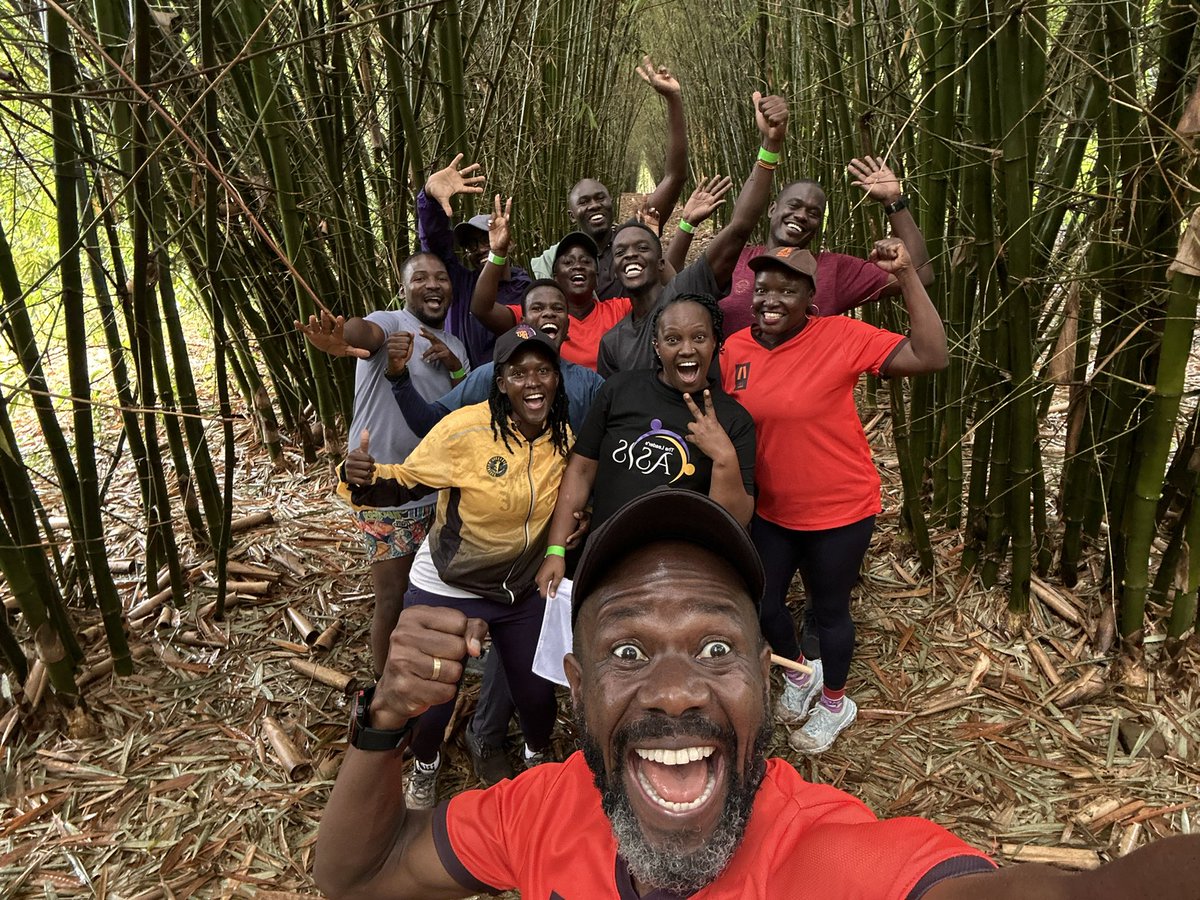
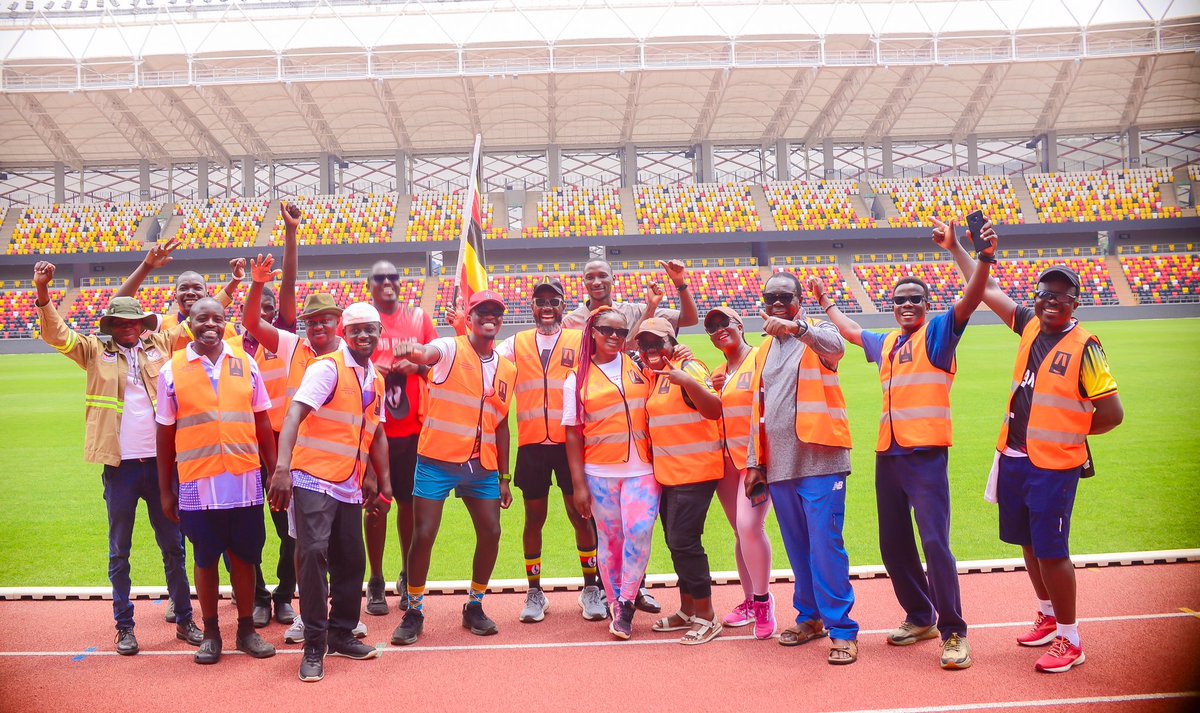
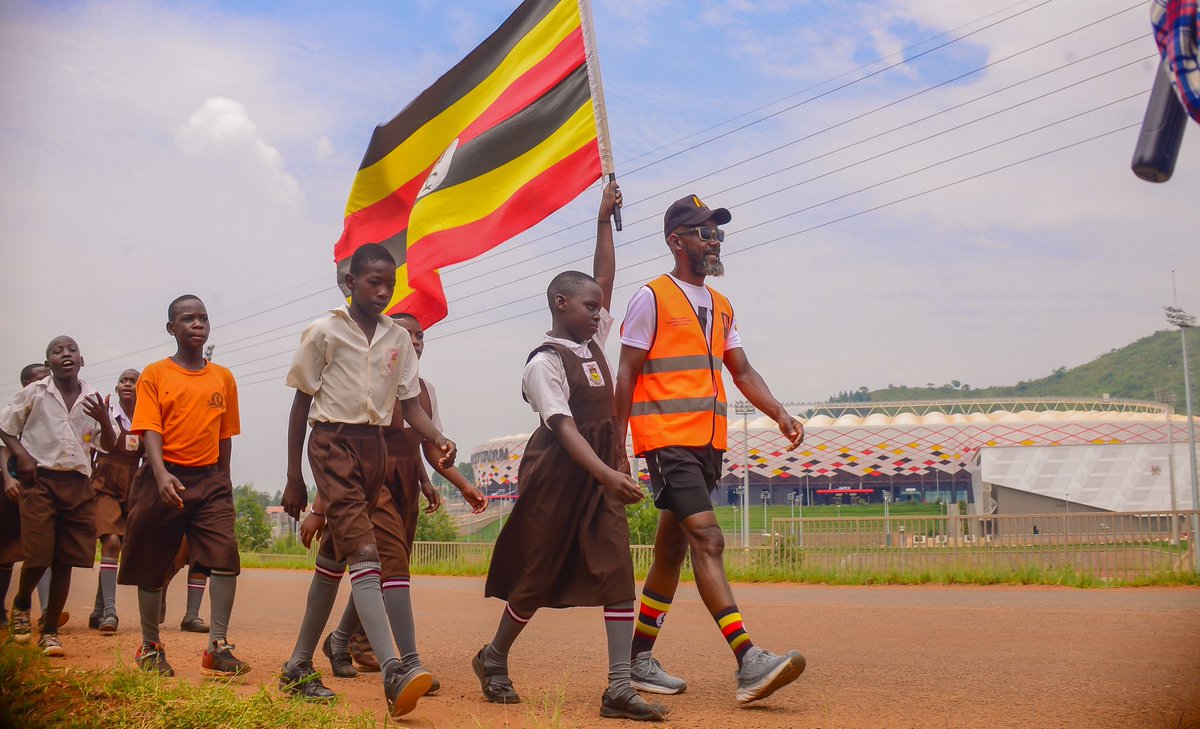
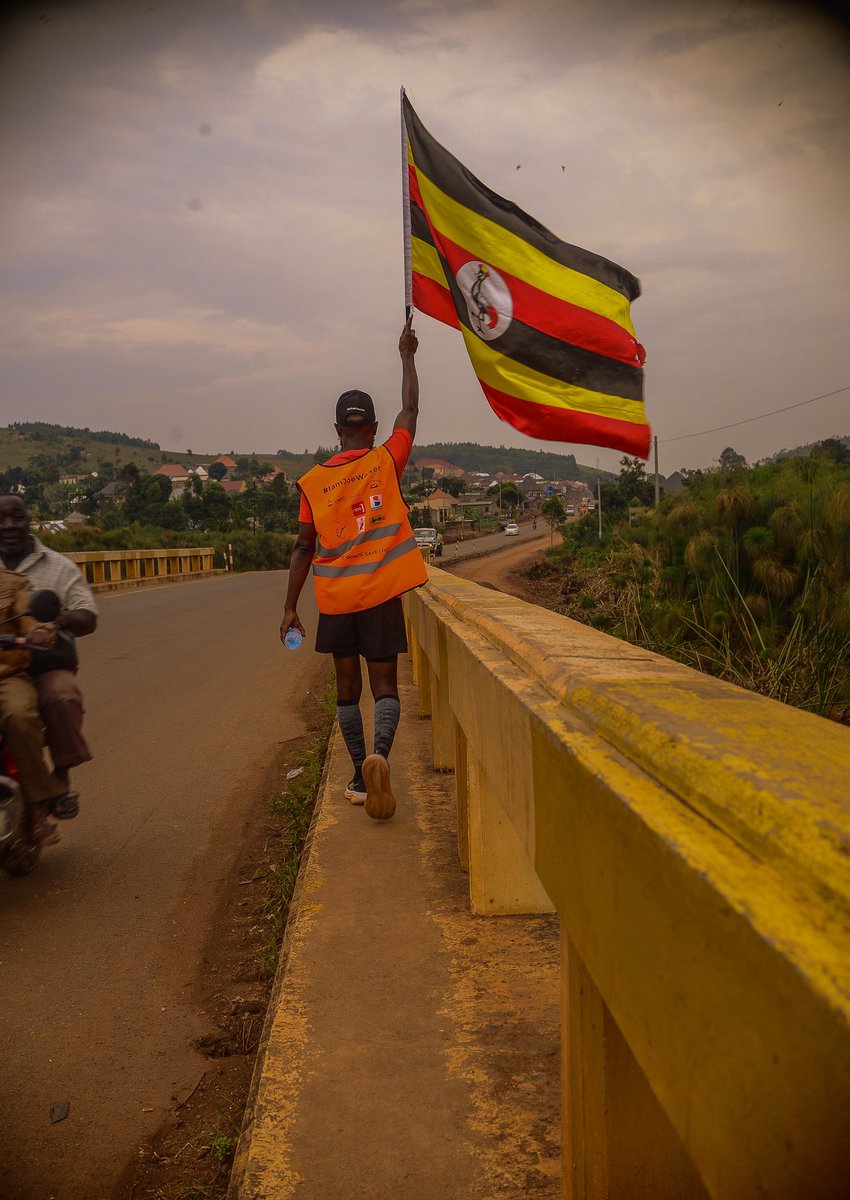
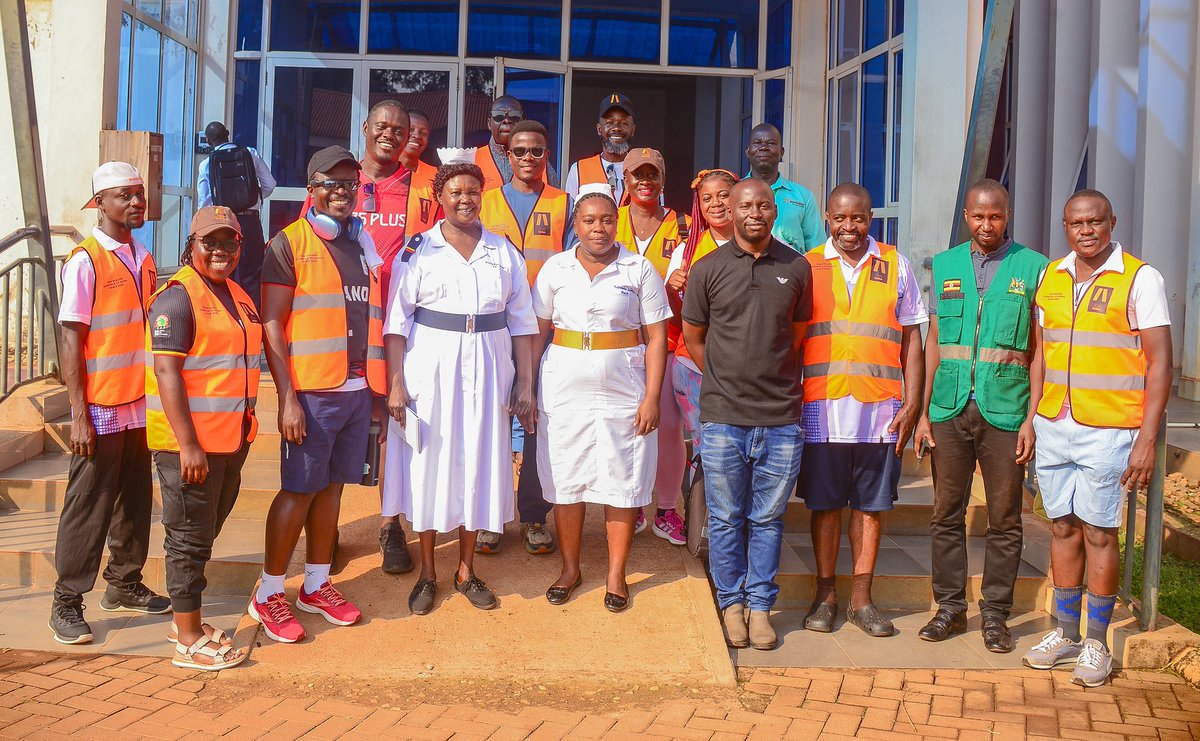
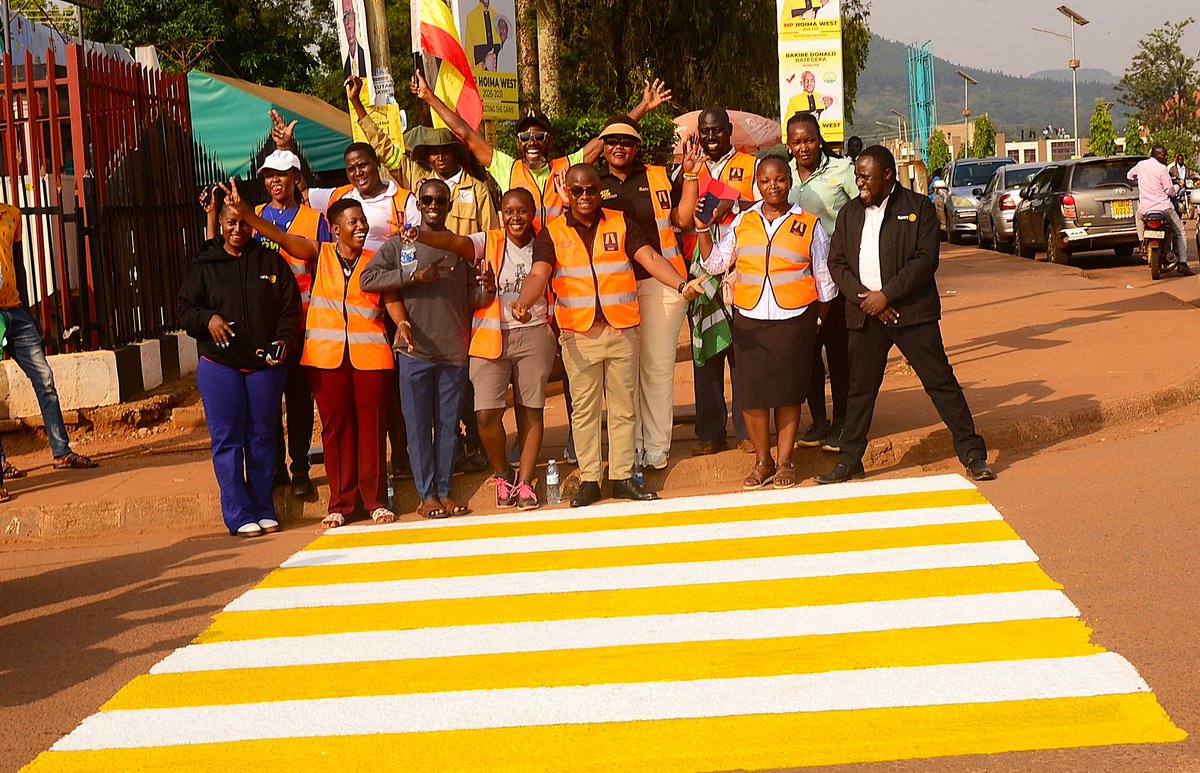
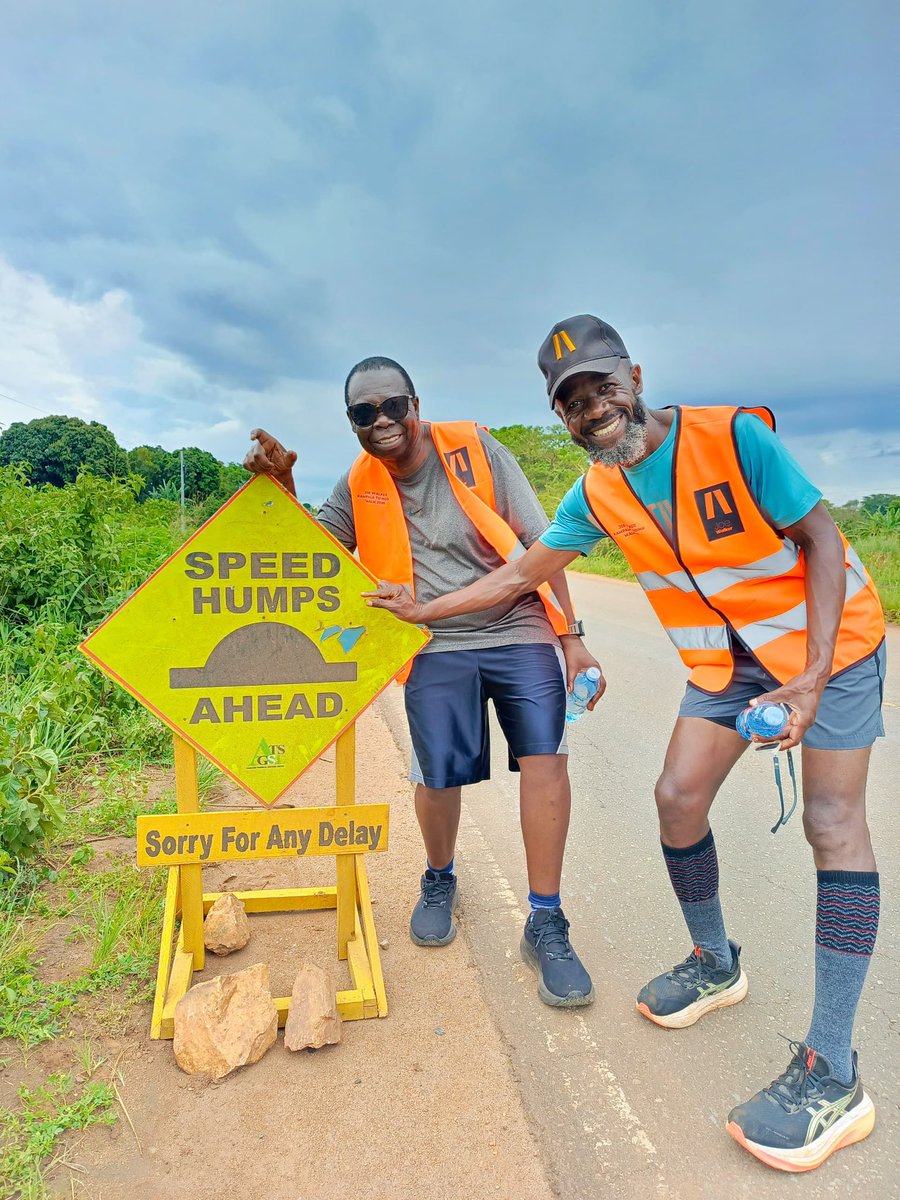
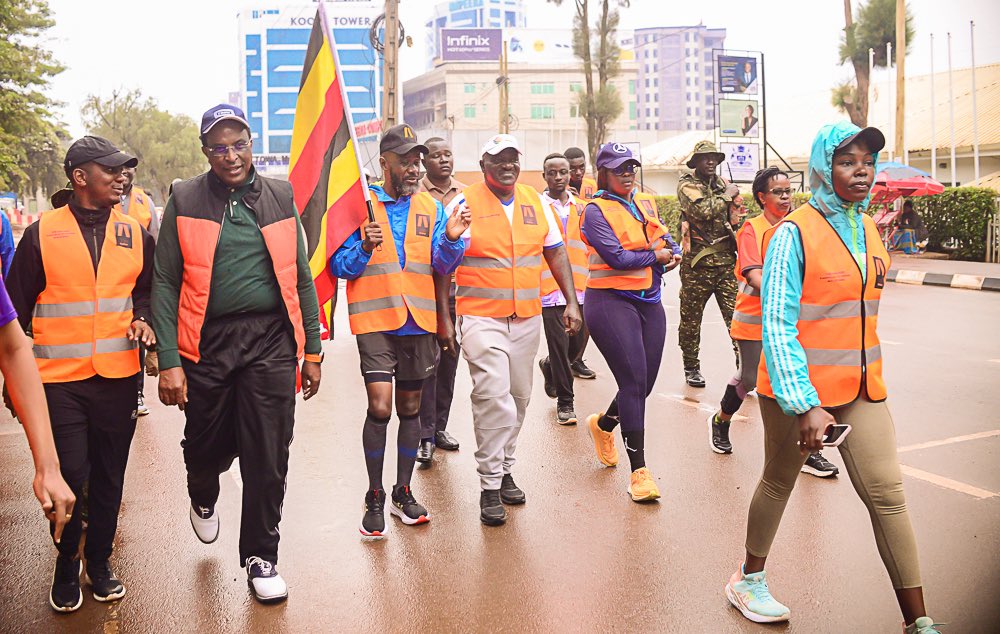
On March 5, 2026, a team of 13 walkers arrived in Hoima after a 213 km road safety awareness walk along the Kampala–Hoima highway in 6 days.
A big thank you to our partners @UNOC_UG@pridebankltd@NicoleFoundati1@SheratonKla, @nextmediaug and friends @swrwug@newmanfoodsltd, and @SpiceFMHoima and @Bunyoro_Kitara we were able to have;
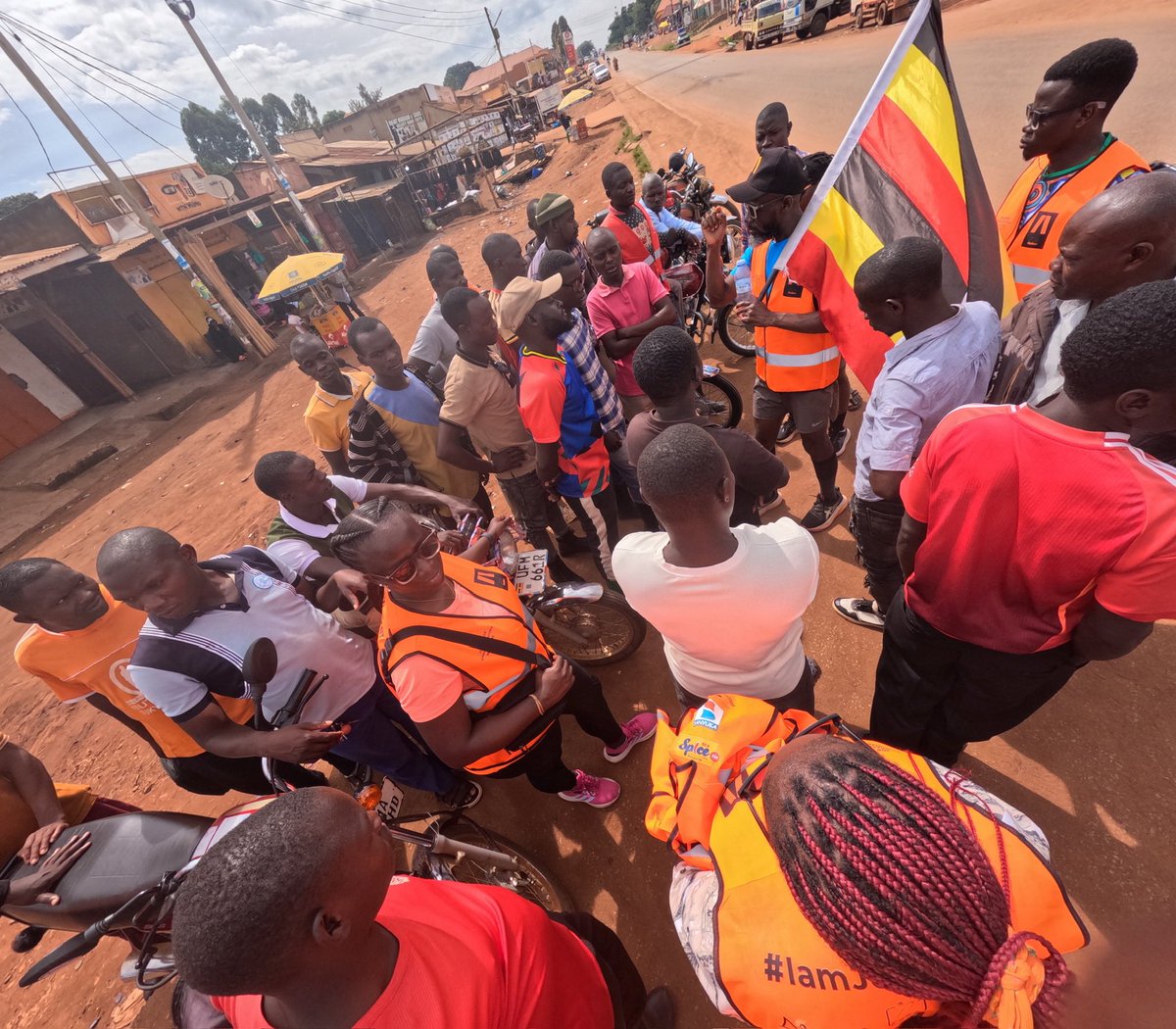
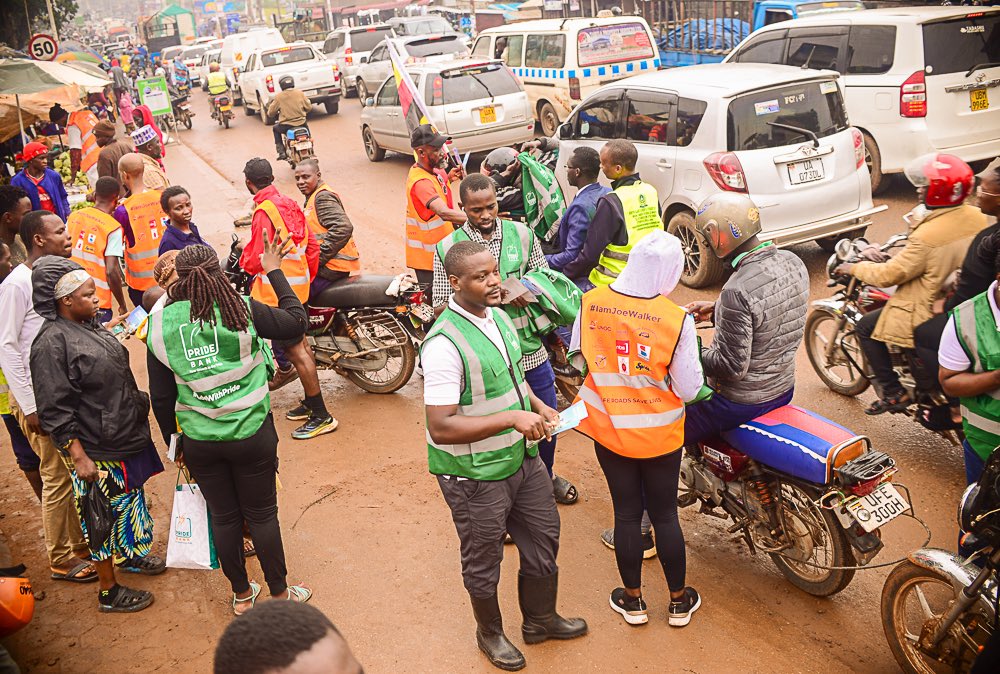
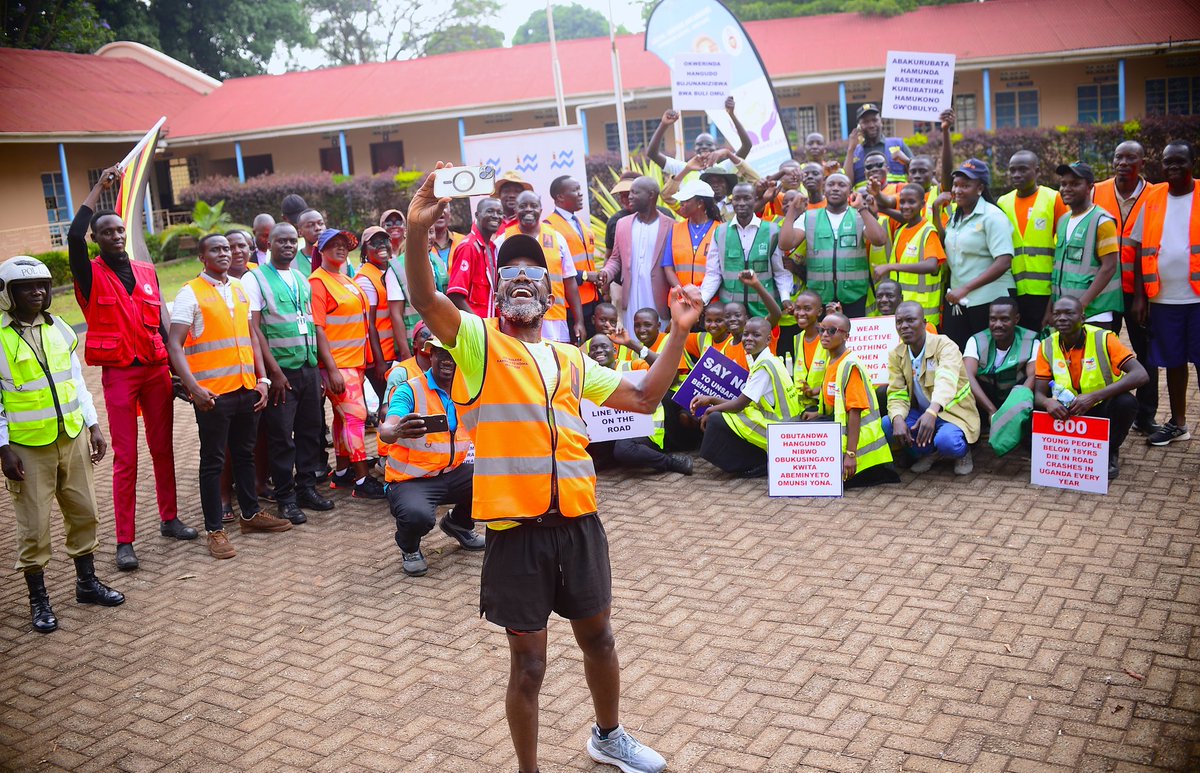
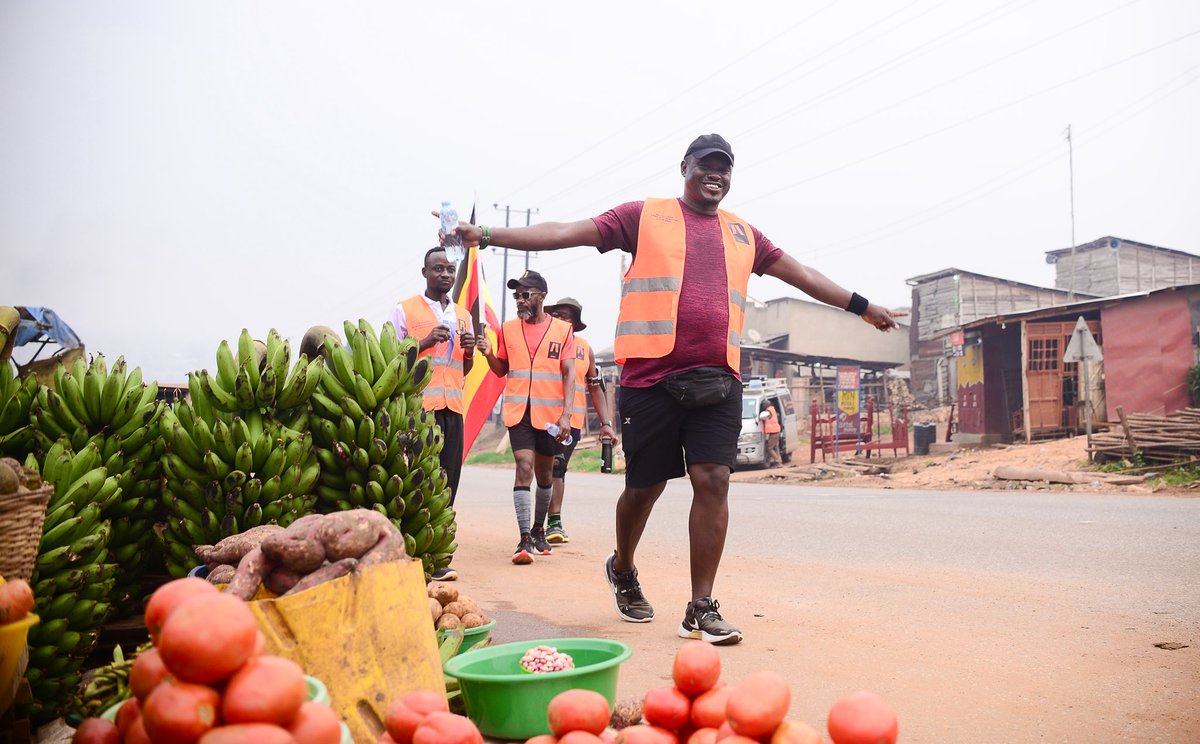
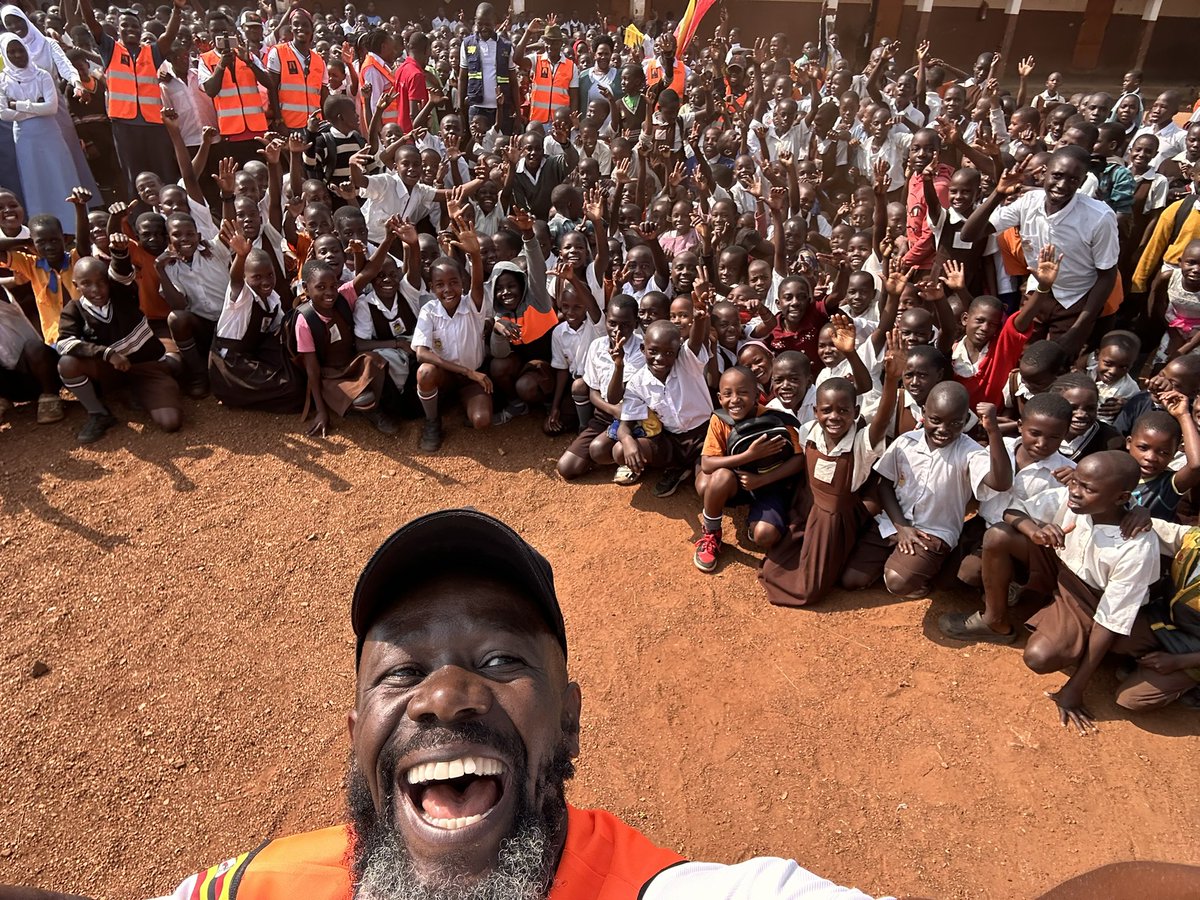
• Direct community interactions and activations at markets, schools, boda-boda stages, and taxi stages,
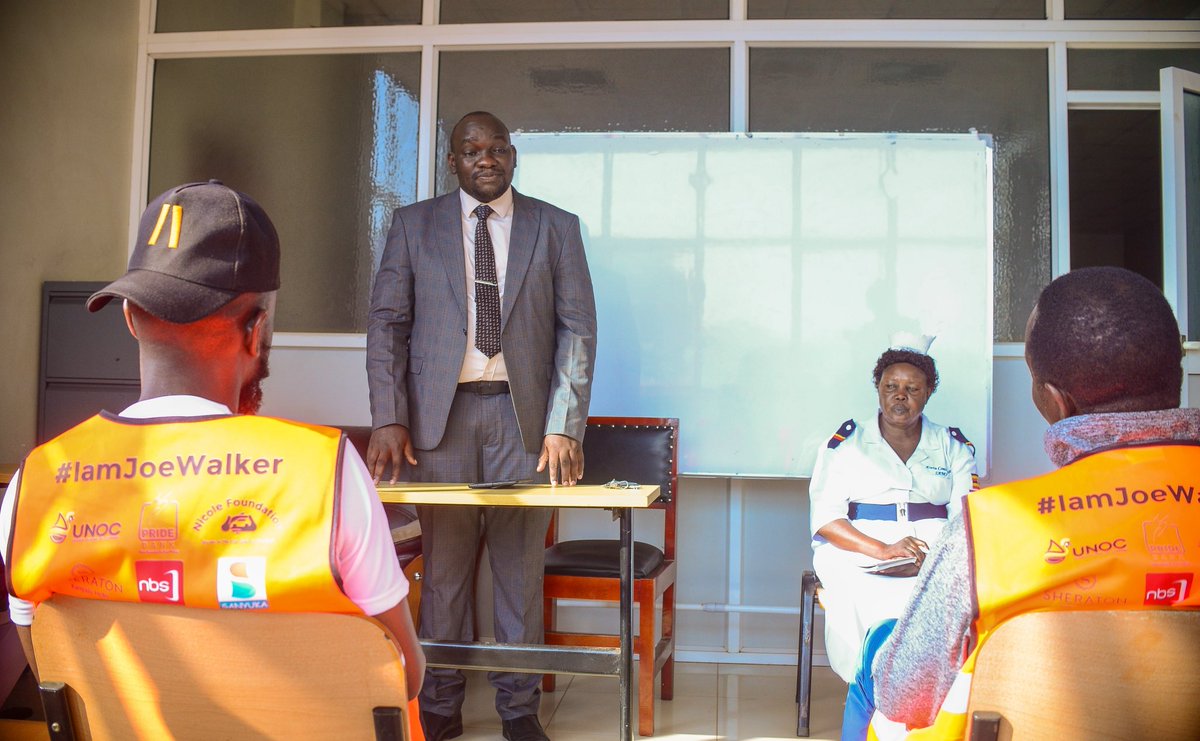
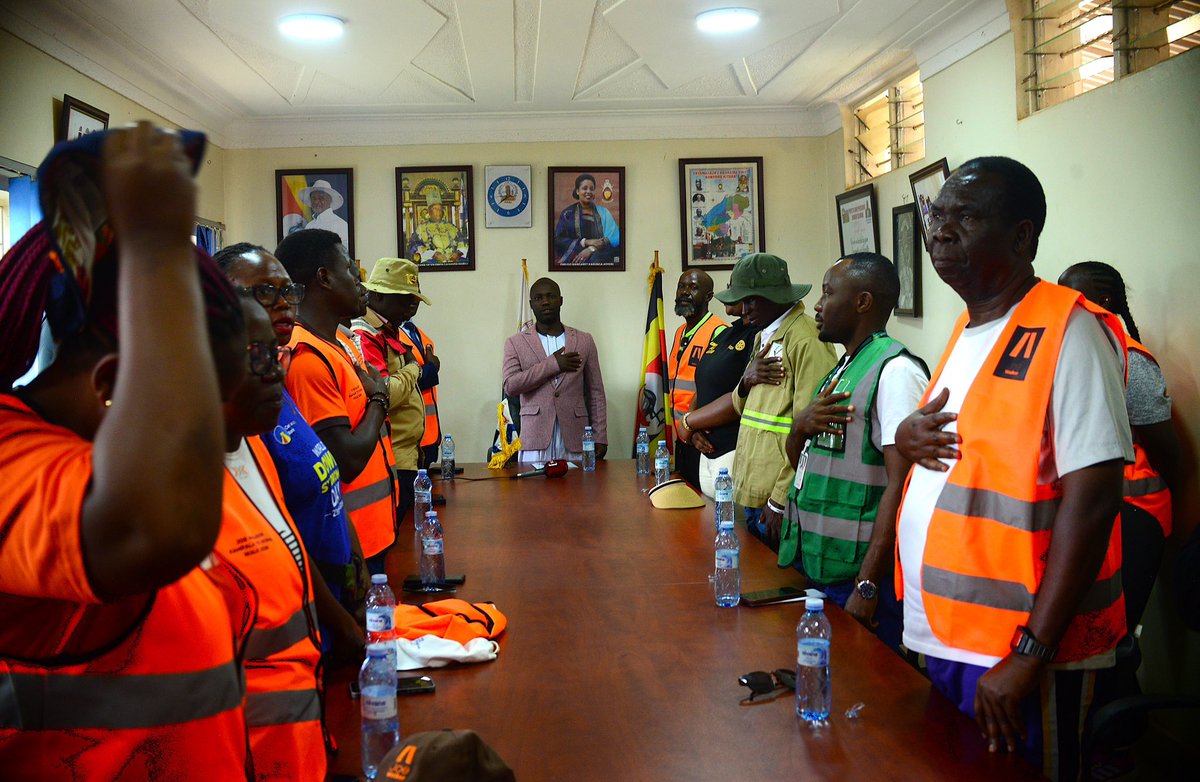
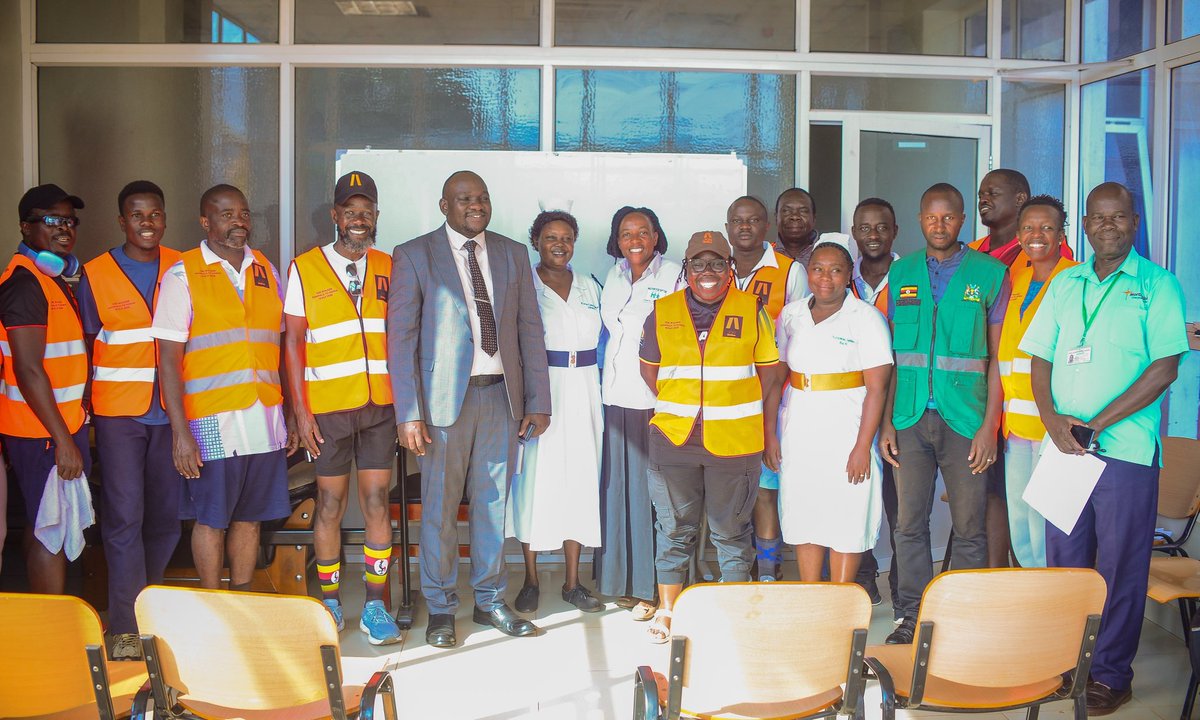
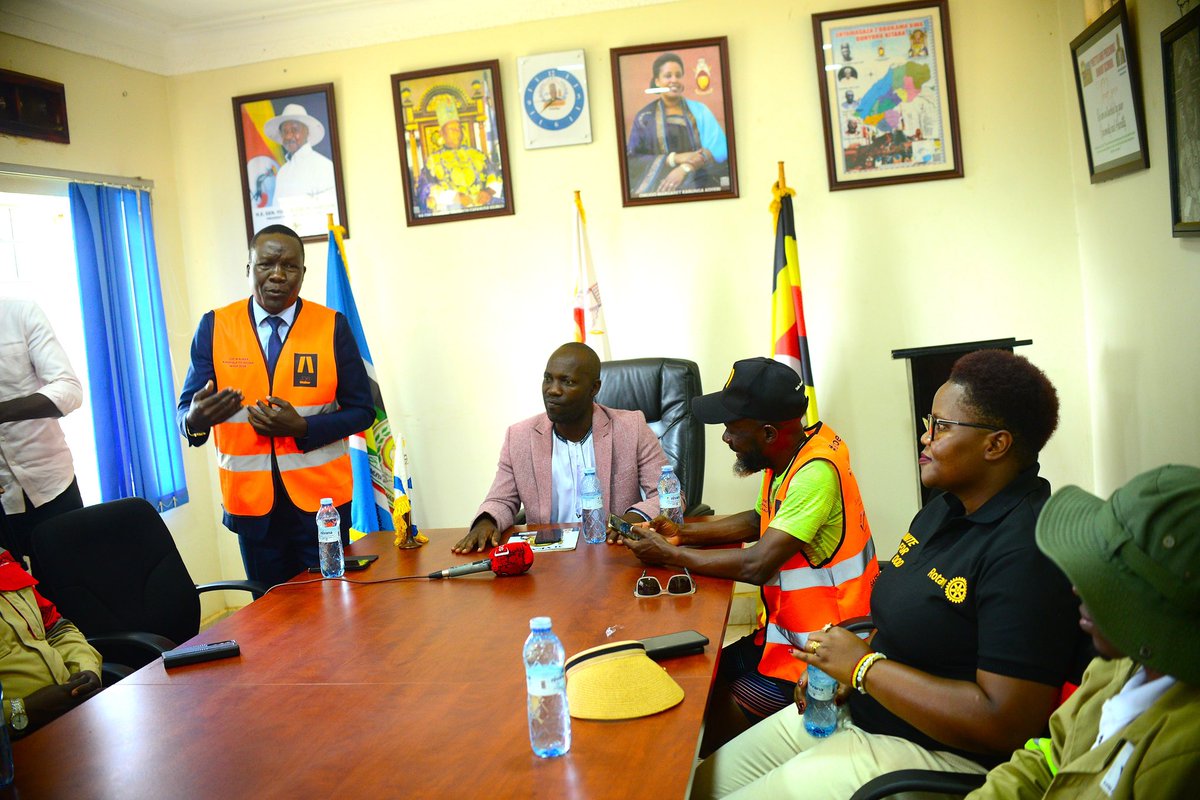
• Meetings with major stakeholders in Hoima City, including Hoima Referral Hospital, Bunyoro Kingdom, and Rotary Club of Bunyoro Kitara, among others.
• Promoted road safety awareness, personal responsibility, and safer travel practices all through the walk.
As a nation urgently need to adopt intentional planning of road construction works and maintenance, strict and consistent law enforcement. enforcing order in urbanizing areas, training boda riders, and educating children from an early age.
Uganda can significantly reduce fatalities, ease the burden on health facilities, and enable safer travels for all.
It’s easy to write a better story with intentional actions – every day.
Safe Roads Save Lives
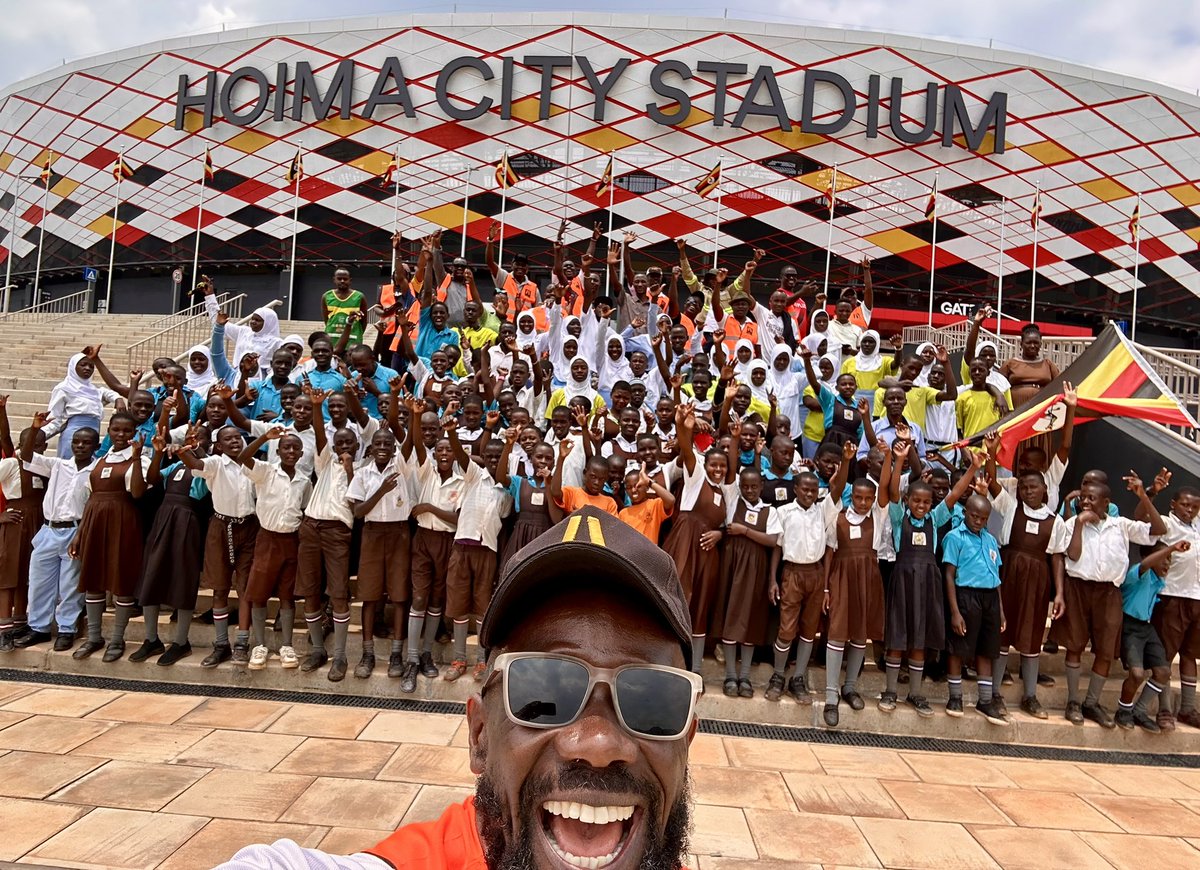
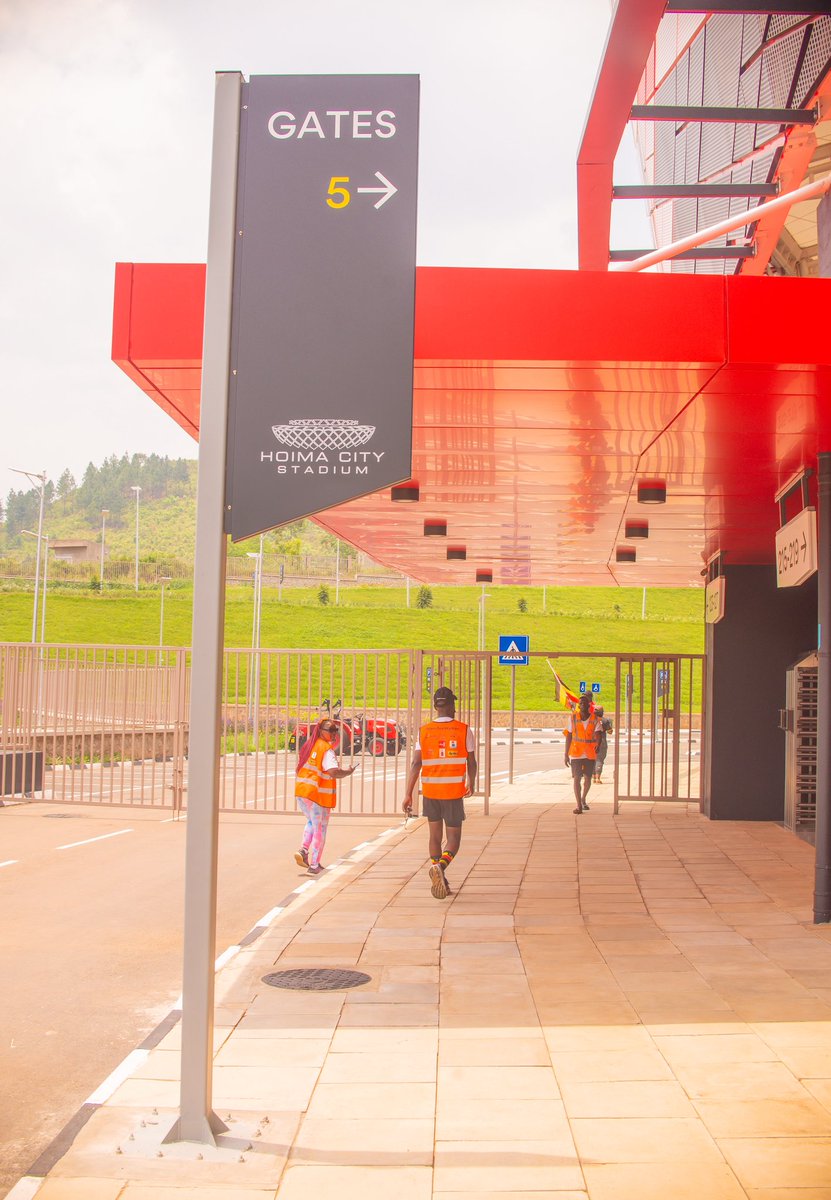
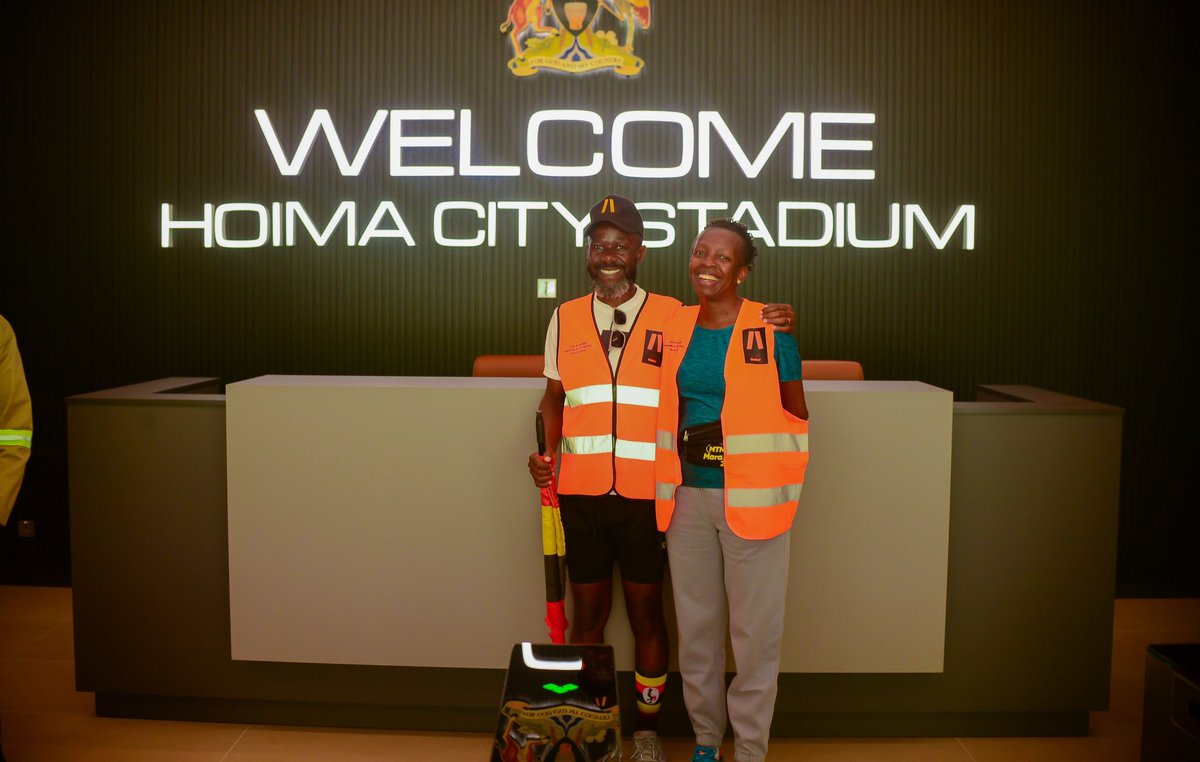
Our issues are not insurmountable. Like the 13 walkers who overcame several challenges, personal and infrastructural, to finish 213km in 6 days, we need to be diligent, intentional, meticulous, and focus all our efforts. Like the team at the Hoima City Stadium and like Omukama Chwa II Yohan Kabalenga, we need to be resolute, and courageous do the right things to save lives. We will then ease the pressure on Hoima hospital and they will focus the little resources on offering vital care to non-preventable health issues. Road crashes are preventable. If we do our part, people will travel safely and live longer.
Safe Roads Save Lives.
11/11
With this enforcement and clean up of urban centers, we’ll also need to organize public transport. Boda-bodas will need to be organized. This will address the issue of technical training of the riders. Most of these guys we met and talked to during the walk have never had any formal training on how to drive a boda and the basics of the highway code.
Yes many of them have been able to earn a decent livelihood from operating bodas, but we also need to be mindful of protecting and saving their lives. Organize boda-bodas, train them, and eliminate the ones using drugs and other substances. These two wheelers account for more than 47% of the victims of road crash victims. Surely we cannot afford to sit back and watch chaos reign, and families continue mourning life after life.
Safe Roads Save Lives.
10/11
Just like Hoima, Uganda’s urban centers are growing very fast. 27% of Ugandans are living in urban centers and urbanization is growing at 6%. What was a small trading center 5 years ago is today a municipality or big town council. And with urbanization comes big populations in small areas. This naturally increases the conflict between vehicles, boda-bodas and human beings.
These new urban centers also give us a virgin opportunity to enforce law and order. What we have however all along this highway straight from Nansana all the way to Hoima are vendors and Boda riders and vehicles operating in road reserves and pedestrian walkways. We missed the best opportunity of planning for the area before its growth.
But we still have a better opportunity to enforce the plans and more urgently get the vendors and stages out of the highway and reduce the humans vs traffic conflict and save lives.
Safe Roads Save Lives.
9/11
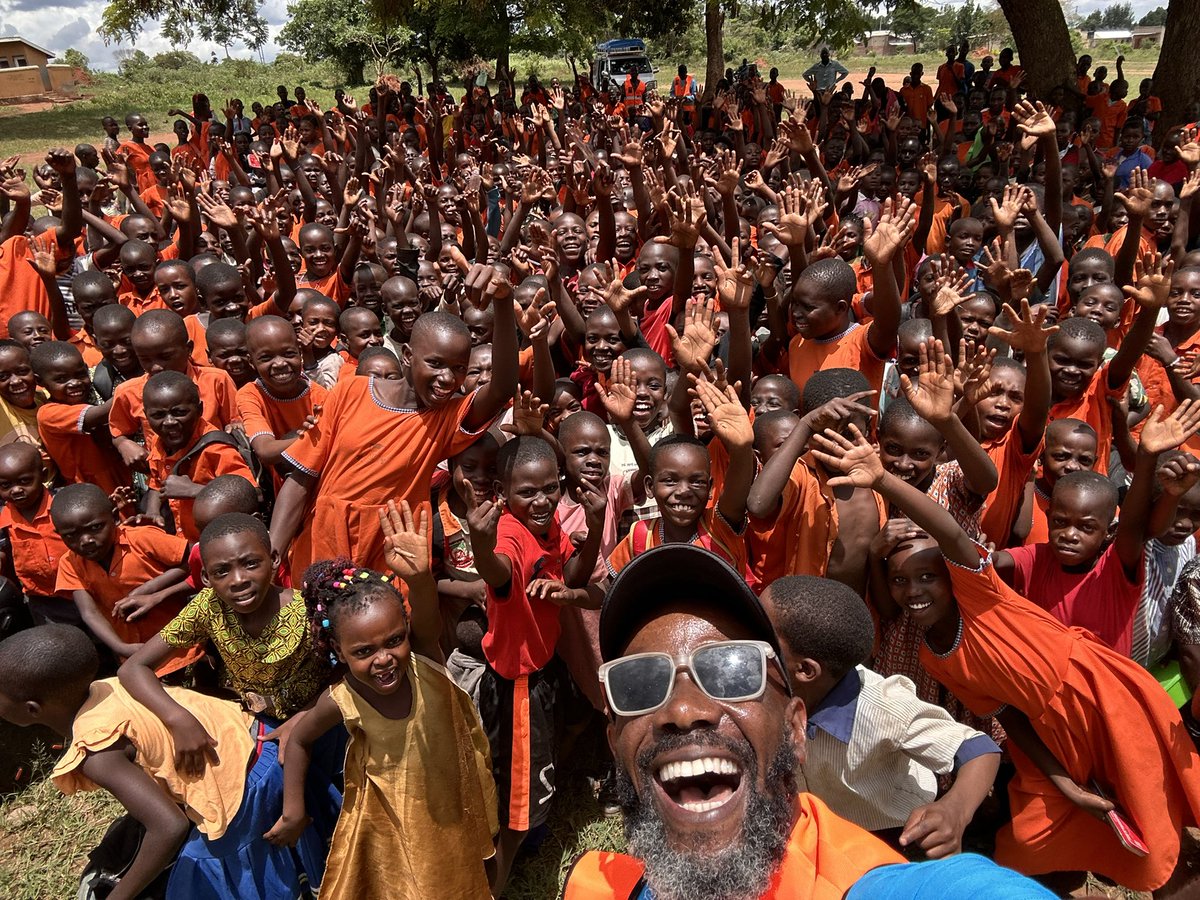
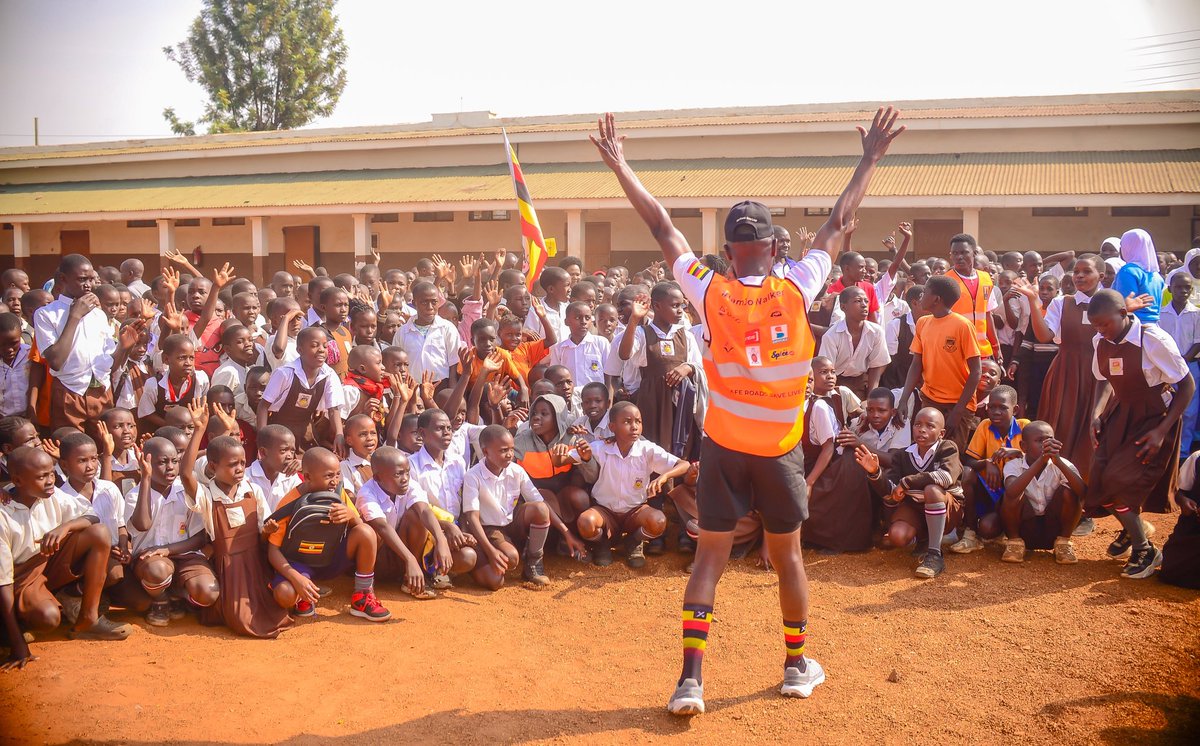
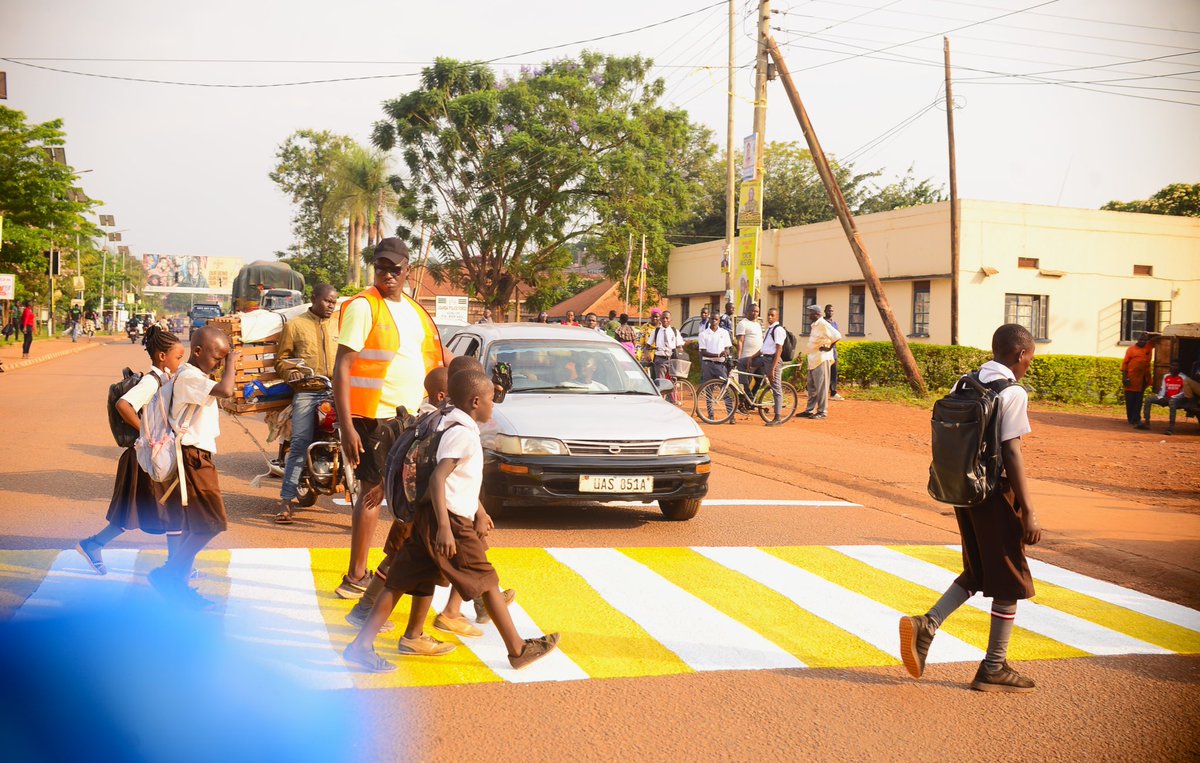
This is what we need to teach our kids at all levels in school. Most of the drivers and riders we interacted raised many complaints about school kids and their attitude on the road. They walk on any side of the road and some even ignore warnings like hooting and the motorcyclists or drivers have no choice but wait for them to majestically cross the road. They say that’s how most of those who have lost their lives, have died. It should never be lost on us that we are killing an average of 2 school going kids every day in road crashes.
Safe Roads Save Lives.
8/11
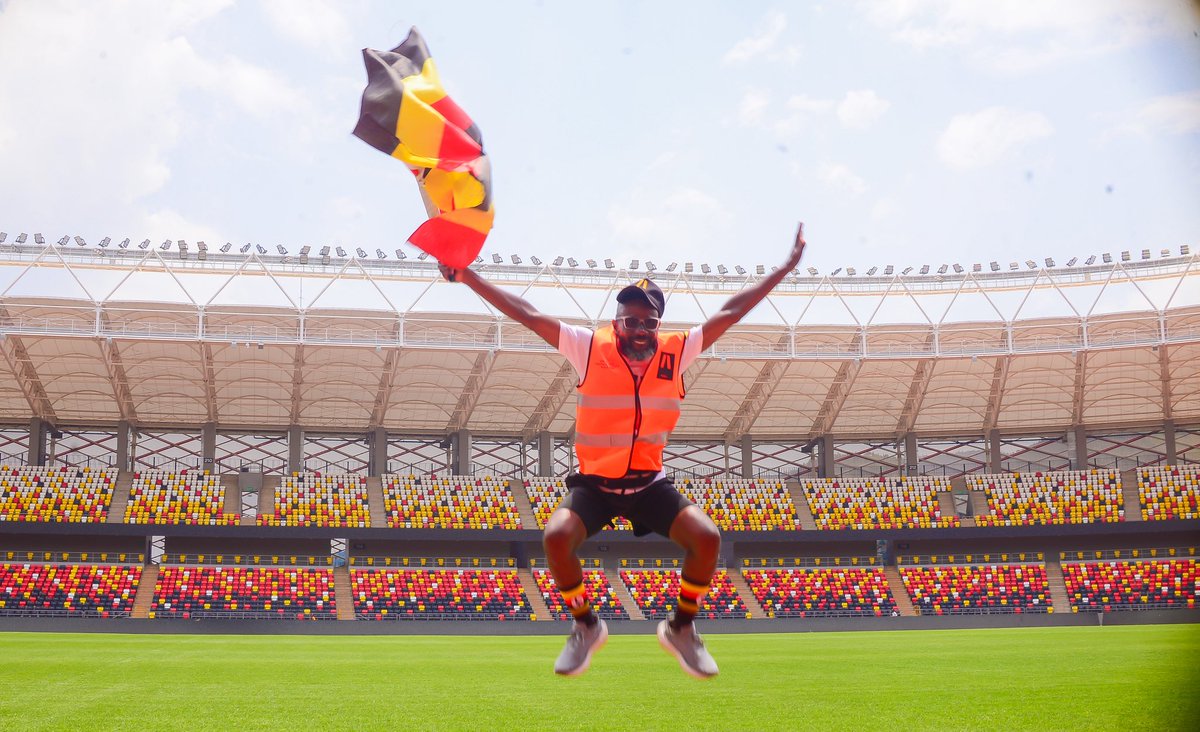
And if the works teams are currently challenged, they can drive to Hoima Stadium or any of the oil wells in Albertine region and spend a few hours there and see how these guys put safety first in everything they do. It’s not by mistake that we haven’t heard any serious incidents from those two facilities.
The levels of construction excellence and meticulous maintenance at Hoima stadium, if adopted on our roads, would provide a completely different story. World class standards don’t happen by mistake. It’s all about intentional planning and implementation and then non-sense strict enforcement.
Safe Roads Save Lives.
7/11
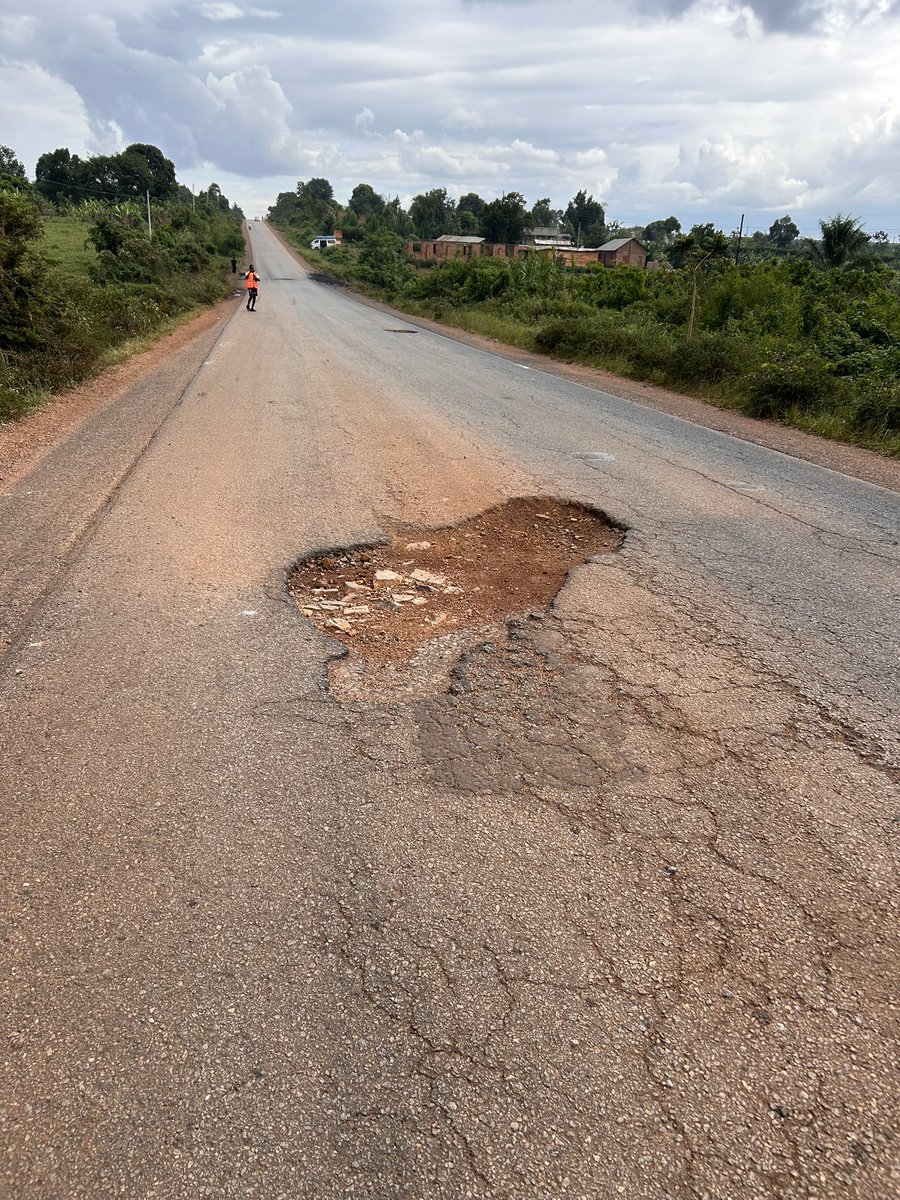
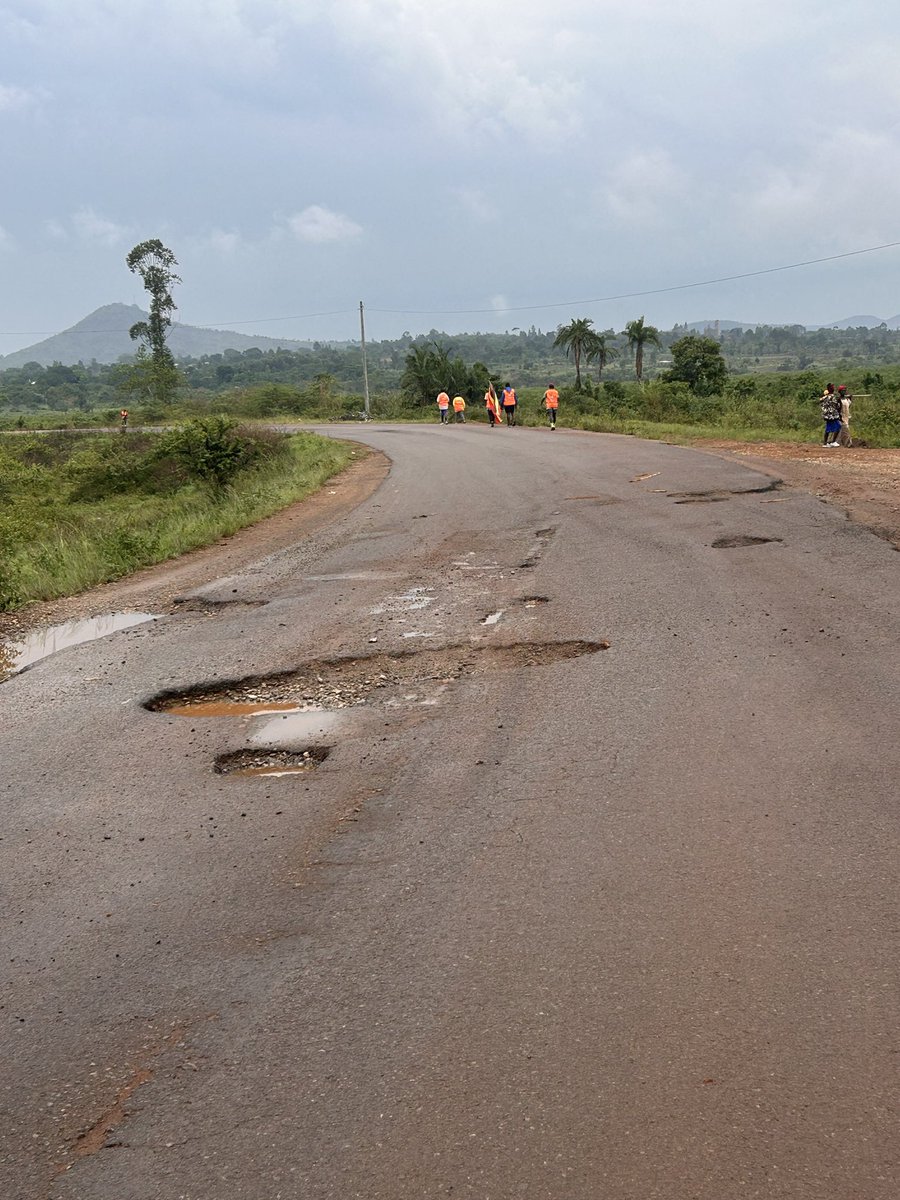
The other stretches which are not yet dug up, are infested with deep killer potholes, most famous of which are the ones at Kyakabunga that led to a head-on collision of a bus and a cargo truck, with two vehicles burning to ashes. Listening to the locals narrate how some of the victims like the driver of the truck were burnt to death, are horrifying.
According to the locals, the giant potholes account for 9 fatal crashes in the last 3 months. These potholes don’t become killer trenches overnight, if the maintenance teams meticulously and regularly did their job, the roads would be safer, people travel safely and many lives saved.
Safe Roads Save Lives.
6/11
This is what we saw on the road, it’s not rocket science. If confronted consistently, daily, we can make our roads safer, travel safely and write a better story every day.
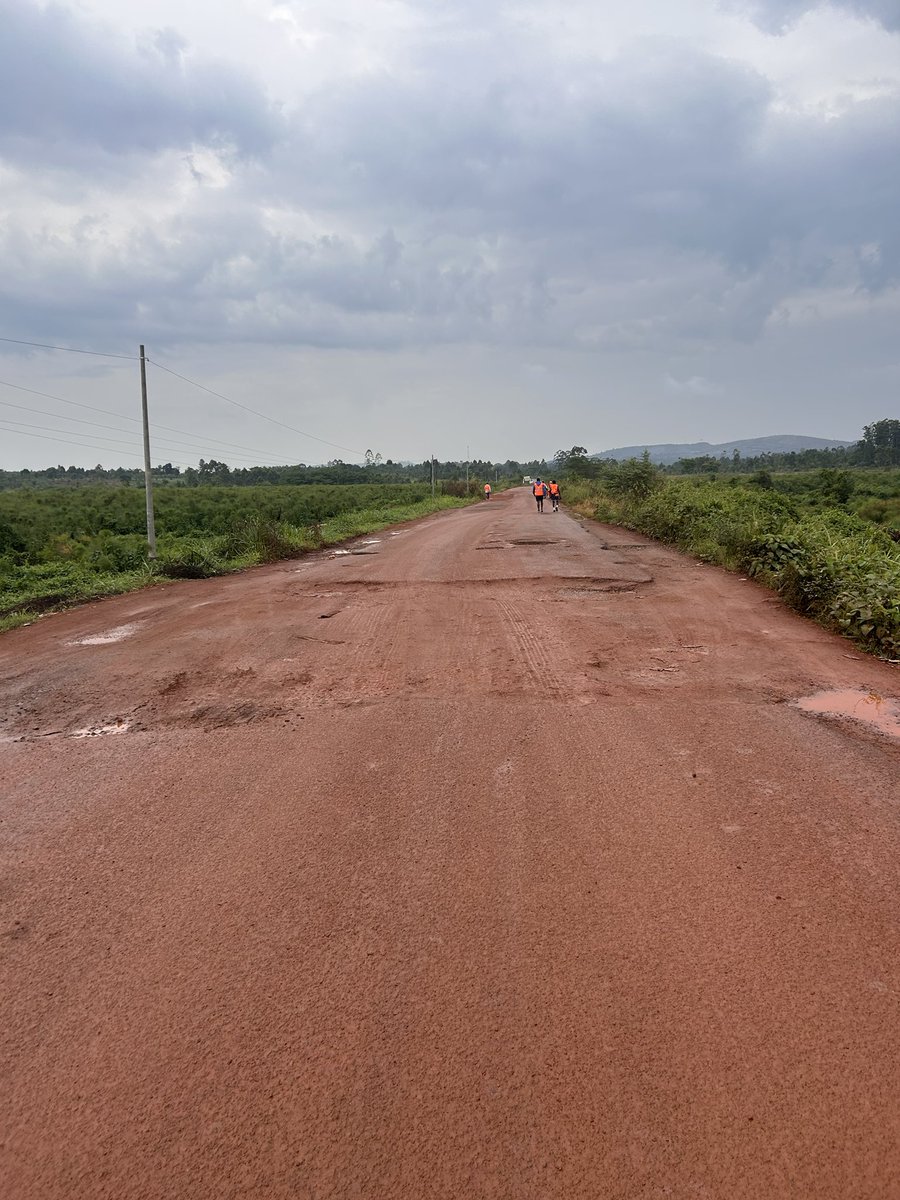
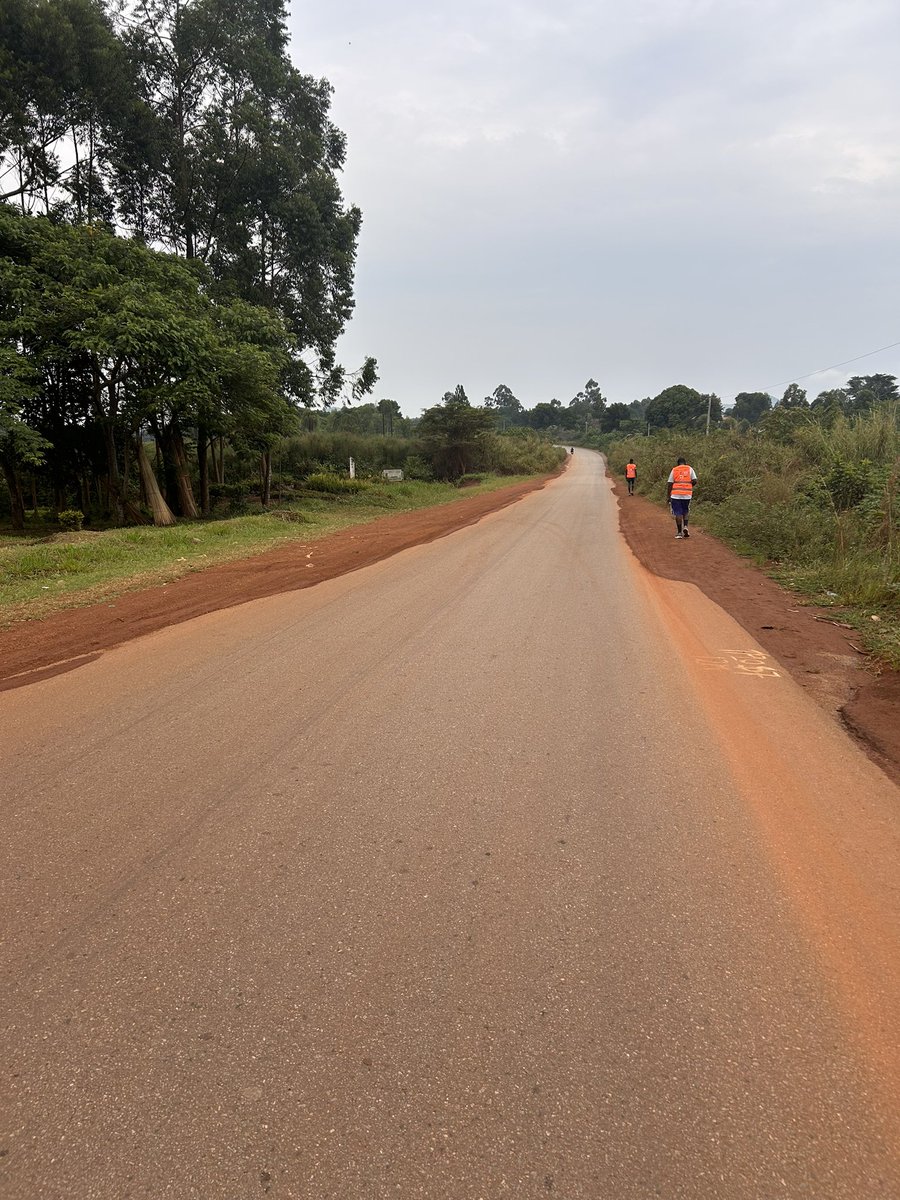
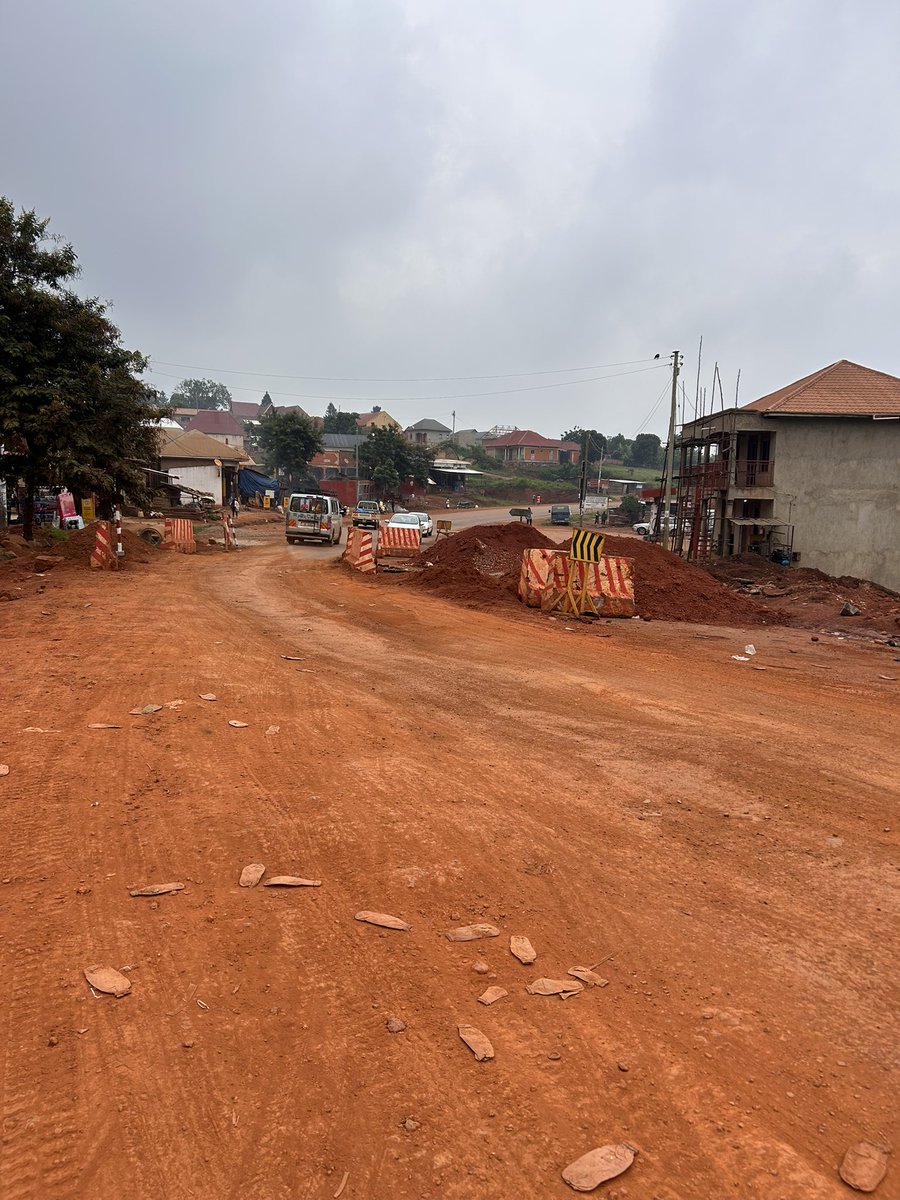
Most of Kampala-Hoima Road from Busunju onwards is either under reconstruction or breaking apart. And this is the stretch full of hazards. Deep excavations, diversions, heavy dust and little to signage, loose gravel and no speed calming measures or any temporary guard rails.
We witnessed the consequences of this, when the driver of a cargo truck dodging a vehicle carrier, Flatbed on 2nd March 2026 around Kapeke, Kagobe just a few kilometers out of Kiboga slid off the edge and ended up in the deep trench on the roadside. Scenes of the first-time responders cutting the wreckage with axes to retrieve his body will remain with us for a long time. This could have been avoided if the construction company, Abubaker Technical Services, considered and implemented safety measures as they carry out the roadwork.
Safe Roads Save Lives.
5/11
As a country, we see headlines of road crashes regularly. Hoima Referral Hospital and other hospitals handle the victims every day. Families are burying and treating their loved ones every day. Homes are shattered. Dreams are cut short.
Safe Roads Save Lives.
4/11
In our conversations and interactions, we highlighted, challenged and encouraged everyone to think safety, practice safety and aim to travel safer and live longer. On arrival in Hoima, we held several meetings and activations with various groups in a bid to create awareness about road safety, and taking responsibility on the road.
Safe Roads Save Lives.
3/11
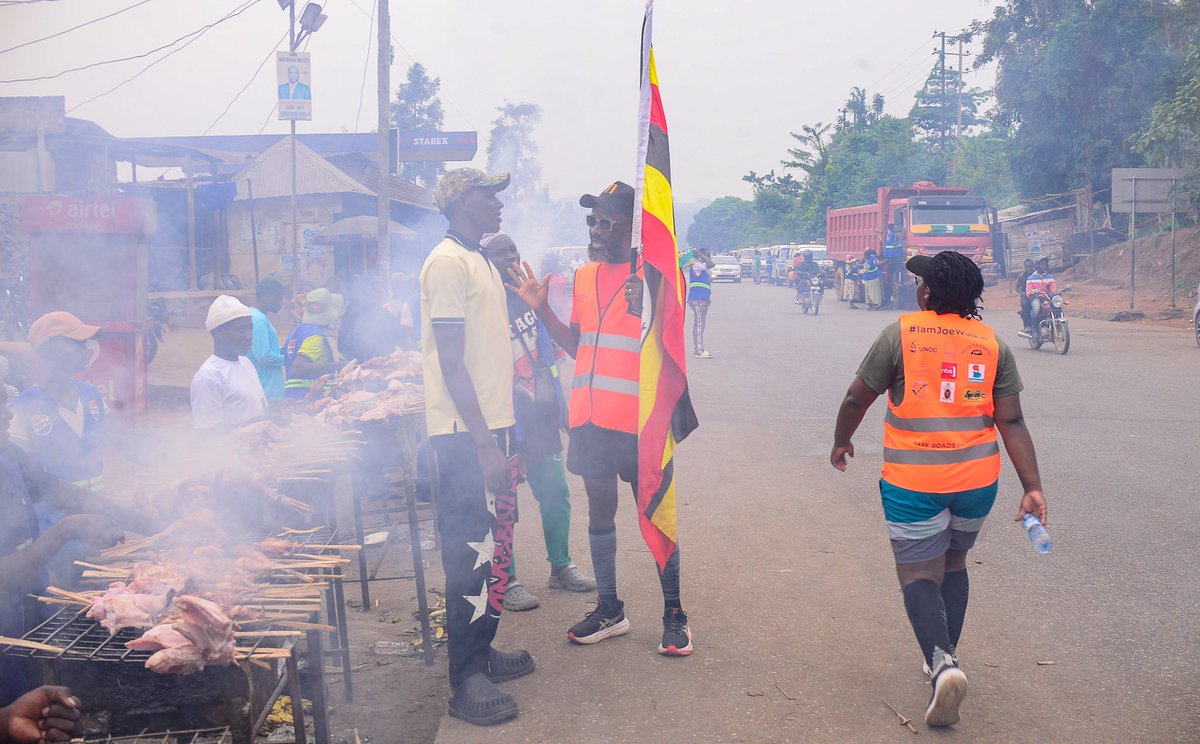
The Joe Walker Foundation’s fifth annual national Road Safety Walk that was flagged off by Hon. Hen. Katumba Wamala on February 28th at Sheraton Hotel Kampala arrived in Hoima, the oil city on Thursday 5th March, 2026. We walked 213km of the Kampala–Hoima highway in 6 days. The team covered approximately 35km a day. During the walk, we interfaced with the crisis on the roads, at markets, schools, boda-boda stages, and truck stops.
Safe Roads Save Lives.
2/11
IT IS FINISHED - Kampala - Hoima road safety awareness walk safely completed.
After 213km in 6 days on a road safety awareness walk, we are now in Hoima, the Oil city.
All through the road we observed a road with many hazards including poor or no signage, no markings, potholes and worrying levels of negligence at road construction sites.
The behavior of us the road users including speeding, reckless overtaking, using the phones while driving are so prevalent on the road all endangering the vulnerable road users, the pedestrians who include our future, the school children.
With 27% of Ugandans living in urban and this growing at 5% annually, the road infrastructure in urban areas doesn’t seem to be in tandem. Instead we have the mess that characterized Kampala for decades spreading to the countryside. We have traders setting up their merchandise on pedestrian walkways, parking on the what was meant to be walkways, some areas have no walkways and even no signage showing motorists, urban centers ahead slow down. With these new urban centers you would think we have a clean slate.
As we spend a few more days in the Oil city, we are set to engage the populace, cultural and local leaders, law enforcement officers on how we can make our roads safe and save lives.
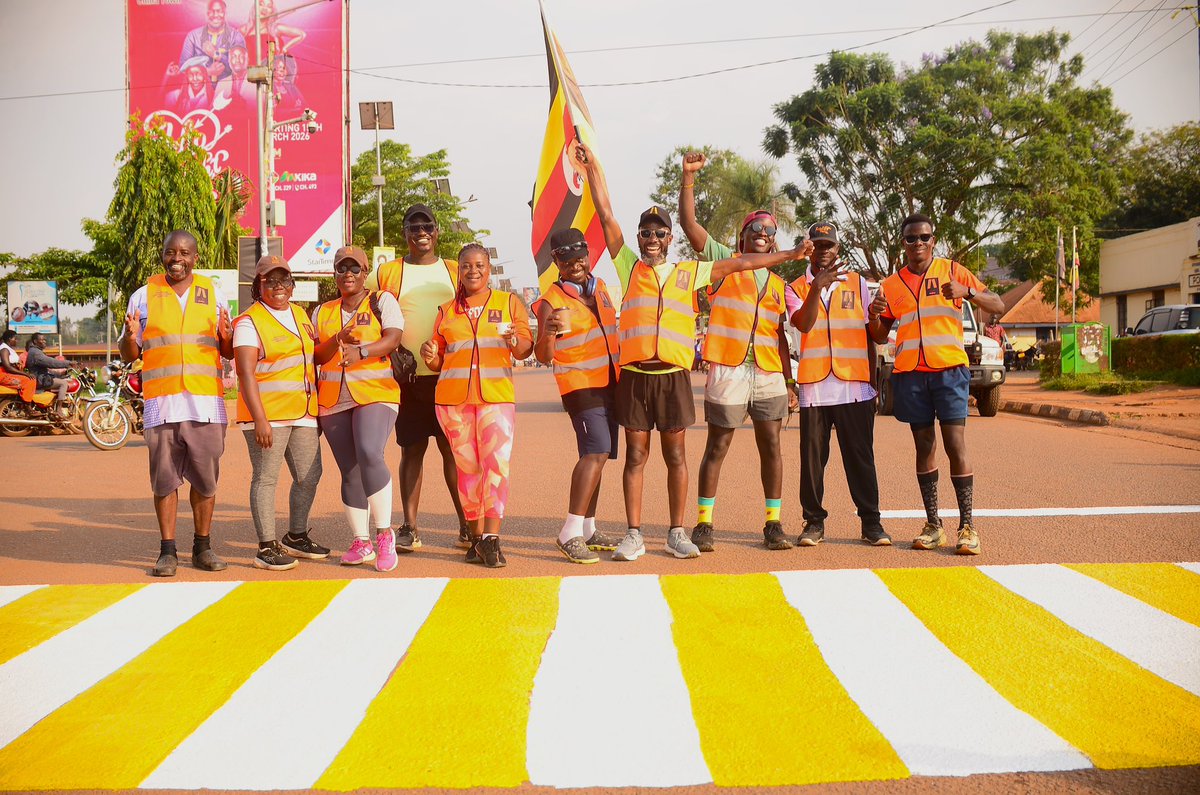
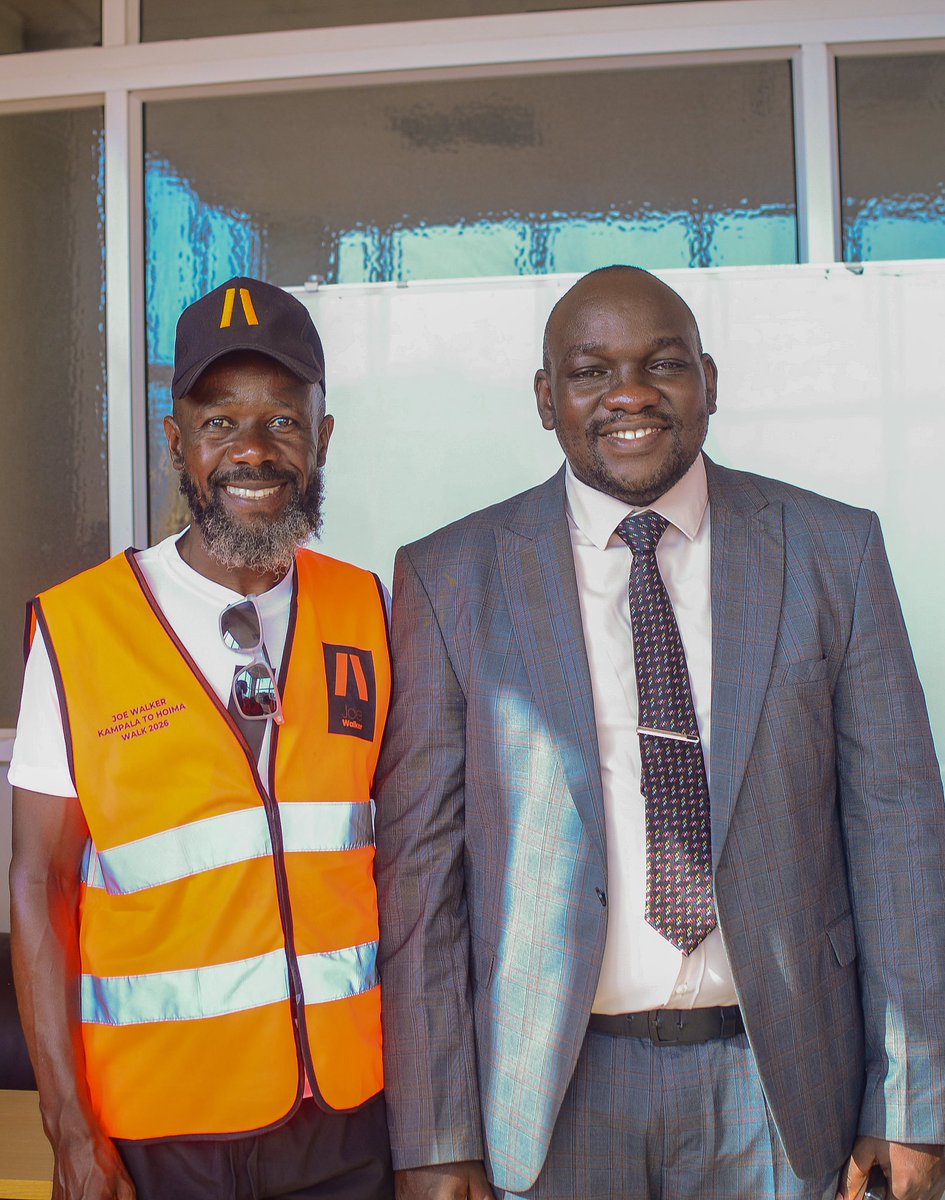
Now meeting the @Bunyoro_Kitara officials and next painting zebra crossing.