Ten years ago, I believed that:
- being a good person,
- securing a stable job,
- and contributing to research and education
were the keys to happiness.
Yet, I found myself unfulfilled—it all lacked
the deeper purpose,
creativity,
and vision I craved.
In hindsight, I realize I was stubbornly clinging
to a path that didn't truly resonate with me.
Everything changed when I embraced lifelong learning
as my guiding principle.
I immersed myself in books, learned from others,
and opened up to the community.
I'm continually inspired by people who generously share their knowledge and offer help without expecting anything in return—it truly makes a difference.
Now, I've founded several successful software development companies, but I feel my journey has only just begun.
Thank you to the community for making it happen!
𝗦𝘂𝗰𝗰𝗲𝘀𝘀 𝗶𝘀 𝗱𝗼𝗶𝗻𝗴 𝗼𝗿𝗱𝗶𝗻𝗮𝗿𝘆 𝘁𝗵𝗶𝗻𝗴𝘀 𝗲𝘅𝘁𝗿𝗮𝗼𝗿𝗱𝗶𝗻𝗮𝗿𝗶𝗹𝘆 𝘄𝗲𝗹𝗹.
It sounds almost contradictory, yet that’s the magic of mastery. We rush from one big idea to the next, hoping for instant wins. But real momentum comes from perfecting the tasks we already know.
We’ve seen this again and again.
When we slow down to name a problem in one sentence, we spark clarity.
When we commit to documenting one decision per day, we build a habit of reflection.
When we test one tiny solution this week, we learn faster than any heavy strategy deck could teach us.
Most people want shortcuts. Few want discipline.
𝗕𝘂𝘁 𝘁𝗵𝗼𝘀𝗲 𝘄𝗵𝗼 𝗺𝗮𝘀𝘁𝗲𝗿 𝘁𝗵𝗲 𝗼𝗿𝗱𝗶𝗻𝗮𝗿𝘆 𝗲𝗻𝗱 𝘂𝗽 𝗱𝗼𝗶𝗻𝗴 𝘄𝗵𝗮𝘁 𝗼𝘁𝗵𝗲𝗿𝘀 𝗰𝗮𝗹𝗹 𝗲𝘅𝘁𝗿𝗮𝗼𝗿𝗱𝗶𝗻𝗮𝗿𝘆.
We've all watched a project slowly drift off course. The deadline blurs, the budget tightens, and that initial excitement turns to stress. But it's rarely one big mistake. It's usually three silent killers.
𝗧𝗵𝗲 𝗺𝗼𝘃𝗶𝗻𝗴 𝘁𝗮𝗿𝗴𝗲𝘁. We start building a house, but halfway through, we decide to add a second floor. The foundation wasn't designed for that. This "scope creep" isn't born from bad intentions, but from a natural desire to improve. Yet, each small change is a slow leak, quietly draining time and resources.
𝗧𝗵𝗲 𝗶𝗹𝗹𝘂𝘀𝗶𝗼𝗻 𝗼𝗳 𝘁𝗵𝗲 𝗽𝗲𝗿𝗳𝗲𝗰𝘁 𝗽𝗹𝗮𝗻. We believe we can predict everything at the start. But the most derailing problems are often the "unknown unknowns." A study by the Standish Group highlights this: 𝗼𝗻𝗹𝘆 𝟮𝟬% 𝗼𝗳 𝘀𝗼𝗳𝘁𝘄𝗮𝗿𝗲 𝗳𝗲𝗮𝘁𝘂𝗿𝗲𝘀 𝗮𝗿𝗲 𝘂𝘀𝗲𝗱 𝗼𝗳𝘁𝗲𝗻. Think about that. 80% of our effort can go into things that rarely matter. This is the direct cost of building in a vacuum, without continuous feedback.
Finally, and most crucially, 𝘁𝗵𝗲 𝘀𝗶𝗹𝗲𝗻𝗰𝗲. We see the signs early but hesitate. We fear being the bearer of bad news. So we stay quiet, hoping to "catch up." By the time the problem is undeniable, it's a full-blown crisis. The single most powerful tool in project management isn't a software - it's the courage for an early, honest conversation.
These three forces - the shifting goal, the rigid plan, and the unspoken truth feed each other. The goal shifts because we learn, the plan breaks because we can't see the future, and we stay silent because we're human.
𝗧𝗿𝘂𝗲 𝘀𝘂𝗰𝗰𝗲𝘀𝘀 𝗶𝘀𝗻'𝘁 𝗮𝗯𝗼𝘂𝘁 𝗮𝘃𝗼𝗶𝗱𝗶𝗻𝗴 𝘁𝗵𝗲𝘀𝗲 𝗿𝗲𝗮𝗹𝗶𝘁𝗶𝗲𝘀, 𝗯𝘂𝘁 𝗯𝘂𝗶𝗹𝗱𝗶𝗻𝗴 𝗮 𝗽𝗿𝗼𝗰𝗲𝘀𝘀 𝘁𝗵𝗮𝘁 𝗲𝘅𝗽𝗲𝗰𝘁𝘀 𝘁𝗵𝗲𝗺.
Which of these three silent killers has been the most challenging in your experience?
𝗪𝗵𝗮𝘁 𝗽𝗿𝗼𝗯𝗹𝗲𝗺 𝗶𝘀 𝘆𝗼𝘂𝗿 𝗶𝗻𝗱𝘂𝘀𝘁𝗿𝘆 𝗷𝘂𝘀𝘁… 𝗮𝗰𝗰𝗲𝗽𝘁𝗶𝗻𝗴 𝗮𝘀 𝗻𝗼𝗿𝗺𝗮𝗹?
We get so used to the friction, the inefficiency, the "𝘁𝗵𝗶𝘀 𝗶𝘀 𝗷𝘂𝘀𝘁 𝗵𝗼𝘄 𝗶𝘁'𝘀 𝗱𝗼𝗻𝗲" mentality. We wait for a magical solution to appear from a competitor or a new technology. But what if the solution never comes? Or worse, what if it arrives for someone else first?
The most profound shifts happen when we stop tolerating the problem and start designing the answer. 𝗜𝘁 𝗿𝗲𝗾𝘂𝗶𝗿𝗲𝘀 𝗮 𝘀𝗵𝗶𝗳𝘁 𝗳𝗿𝗼𝗺 𝗯𝗲𝗶𝗻𝗴 𝗮 𝗽𝗮𝘀𝘀𝗲𝗻𝗴𝗲𝗿 𝘁𝗼 𝗯𝗲𝗶𝗻𝗴 𝘁𝗵𝗲 𝗮𝗿𝗰𝗵𝗶𝘁𝗲𝗰𝘁. It demands the humility to admit the current way is broken, and the courage to draft a completely new ideas from a blank page.
This philosophy is what guides us in our work: helping people build the structure for their new ideas, turning the bold vision in their mind into something real and functional.
𝗧𝗵𝗲 𝗳𝘂𝘁𝘂𝗿𝗲 𝗻𝗲𝘃𝗲𝗿 𝗳𝗶𝘁𝘀 𝗻𝗲𝗮𝘁𝗹𝘆 𝗶𝗻𝘁𝗼 𝘁𝗵𝗲 𝘁𝗲𝗺𝗽𝗹𝗮𝘁𝗲𝘀 𝗼𝗳 𝘁𝗵𝗲 𝗽𝗮𝘀𝘁.
𝗪𝗲'𝘃𝗲 𝗯𝗲𝗲𝗻 𝘁𝗮𝘂𝗴𝗵𝘁 𝘁𝗼 𝘀𝗲𝗲 𝗰𝗵𝗮𝗼𝘀 𝗮𝘀 𝗮 𝘀𝗶𝗴𝗻 𝗼𝗳 𝗳𝗮𝗶𝗹𝘂𝗿𝗲. A project falling behind, a market shifting unexpectedly, a team losing its focus. We fight it, we resist it, we panic.
𝗕𝘂𝘁 𝘄𝗵𝗮𝘁 𝗶𝗳 𝘄𝗲'𝗿𝗲 𝗹𝗼𝗼𝗸𝗶𝗻𝗴 𝗮𝘁 𝗶𝘁 𝗮𝗹𝗹 𝘄𝗿𝗼𝗻𝗴?
History shows us a different story. Every major scientific breakthrough, every artistic renaissance, every social revolution was preceded by a period of intense confusion and disorder. The old way wasn't working, and the new way hadn't been born yet. That messy, uncomfortable in-between space? That's not the end. It's the very beginning of something new.
It’s in the chaos that the status quo gets broken apart, making room for fresh, better ideas to take root. 𝗧𝗵𝗲 𝗸𝗲𝘆 𝗶𝘀𝗻'𝘁 𝘁𝗼 𝗮𝘃𝗼𝗶𝗱 𝘁𝗵𝗲 𝘀𝘁𝗼𝗿𝗺, 𝗯𝘂𝘁 𝘁𝗼 𝗹𝗲𝗮𝗿𝗻 𝗵𝗼𝘄 𝘁𝗼 𝘀𝗮𝗶𝗹 𝗶𝗻 𝗶𝘁.
In our work, we see this with clients all the time. The decision to build a new, custom system creates short-term complexity. But it's precisely this chaos that clears the path for incredible long-term efficiency and growth.
So the next time you feel everything is falling apart, ask yourself:
𝗪𝗵𝗮𝘁 𝗶𝗳 𝘁𝗵𝗶𝘀 𝗶𝘀𝗻'𝘁 𝗮𝗻 𝗲𝗻𝗱𝗶𝗻𝗴, 𝗯𝘂𝘁 𝗮 𝗺𝘂𝗰𝗵-𝗻𝗲𝗲𝗱𝗲𝗱 𝗿𝗲𝗮𝗿𝗿𝗮𝗻𝗴𝗲𝗺𝗲𝗻𝘁?
𝗦𝘂𝗰𝗰𝗲𝘀𝘀 𝗶𝘀 𝗱𝗼𝗶𝗻𝗴 𝗼𝗿𝗱𝗶𝗻𝗮𝗿𝘆 𝘁𝗵𝗶𝗻𝗴𝘀 𝗲𝘅𝘁𝗿𝗮𝗼𝗿𝗱𝗶𝗻𝗮𝗿𝗶𝗹𝘆 𝘄𝗲𝗹𝗹.
It sounds almost contradictory, yet that’s the magic of mastery. We rush from one big idea to the next, hoping for instant wins. But real momentum comes from perfecting the tasks we already know.
We’ve seen this again and again.
When we slow down to name a problem in one sentence, we spark clarity.
When we commit to documenting one decision per day, we build a habit of reflection.
When we test one tiny solution this week, we learn faster than any heavy strategy deck could teach us.
Most people want shortcuts. Few want discipline.
𝗕𝘂𝘁 𝘁𝗵𝗼𝘀𝗲 𝘄𝗵𝗼 𝗺𝗮𝘀𝘁𝗲𝗿 𝘁𝗵𝗲 𝗼𝗿𝗱𝗶𝗻𝗮𝗿𝘆 𝗲𝗻𝗱 𝘂𝗽 𝗱𝗼𝗶𝗻𝗴 𝘄𝗵𝗮𝘁 𝗼𝘁𝗵𝗲𝗿𝘀 𝗰𝗮𝗹𝗹 𝗲𝘅𝘁𝗿𝗮𝗼𝗿𝗱𝗶𝗻𝗮𝗿𝘆.
Doing nothing feels safe like it keeps our options open. But stillness isn't neutral. While we wait, markets move. People move. Trust moves.
Negativity is tempting because it lowers expectations. If we expect less, we can't be let down. But low expectations don't protect us they paralyze us.
The moment we ask for small, observable improvements, energy returns. The work becomes specific again.
We’ve seen teams shift by simply shortening the distance between effort and feedback. In hiring. In operations. In service. When feedback arrives quickly, people grow bolder and kinder because the truth is no longer late.
Perfection is a polite way to say "not yet." Progress is a quiet commitment, backed by action.
We help teams build systems that protect that momentum. But it always starts with one promise, made real.
What promise can we keep this week that makes us more trustworthy next month?
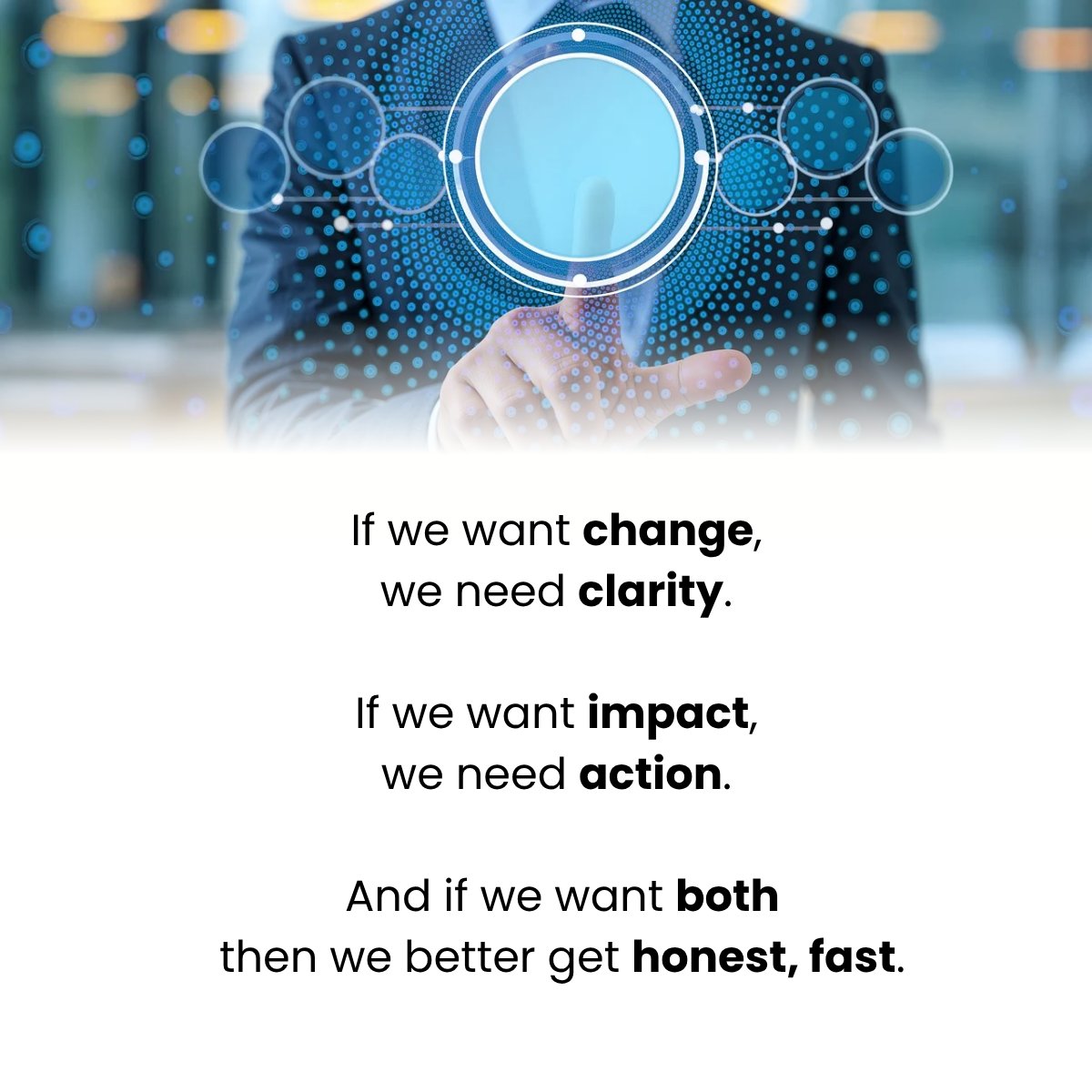
𝗔 𝘃𝗶𝘀𝗶𝗼𝗻 𝘄𝗶𝘁𝗵𝗼𝘂𝘁 𝗮𝗰𝘁𝗶𝗼𝗻 𝗶𝘀 𝗷𝘂𝘀𝘁 𝗮 𝗱𝗿𝗲𝗮𝗺.
But action without vision? That's noise. Chaos. Busy work.
What makes the difference isn't intelligence or funding. It's clarity. Clarity on what needs to change. Clarity on what we're willing to endure to make it happen.
We often get lost in planning. In overthinking. In waiting for the right time. But clarity is not something we find. It's something we build.
𝗜'𝘃𝗲 𝘀𝗲𝗲𝗻 𝘁𝗵𝗮𝘁 𝗺𝗼𝘀𝘁 𝗽𝗲𝗼𝗽𝗹𝗲 𝘀𝗽𝗲𝗻𝗱 𝗺𝗼𝗿𝗲 𝘁𝗶𝗺𝗲 𝗼𝗻 𝗽𝗹𝗮𝗻𝗻𝗶𝗻𝗴 𝗮𝗽𝗽𝘀 𝘁𝗵𝗮𝗻 𝗼𝗻 𝗺𝗮𝗸𝗶𝗻𝗴 𝗿𝗲𝗮𝗹 𝗱𝗲𝗰𝗶𝘀𝗶𝗼𝗻𝘀.
It's not because we're lazy. It's because clarity hurts.
When we name the real vision, things become real. Expectations change. So do relationships. But without that vision, we end up building tall towers on sand. It all looks great until the storm comes.
It all starts with a simple question: "𝗪𝗵𝗮𝘁 𝗱𝗼 𝘄𝗲 𝗿𝗲𝗮𝗹𝗹𝘆 𝘄𝗮𝗻𝘁 𝘁𝗼 𝗳𝗶𝘅?"
𝗢𝗽𝗽𝗼𝗿𝘁𝘂𝗻𝗶𝘁𝘆 𝗿𝗮𝗿𝗲𝗹𝘆 𝘀𝗵𝗼𝘄𝘀 𝘂𝗽 𝗱𝗿𝗲𝘀𝘀𝗲𝗱 𝗹𝗶𝗸𝗲 𝗼𝗽𝗽𝗼𝗿𝘁𝘂𝗻𝗶𝘁𝘆.
It usually looks like an urgent problem, a tight deadline, or something we'd rather avoid.
I've read that most breakthroughs in business don't begin with a big idea.
They begin with frustration. A broken process. A missing piece. A repeated complaint no one takes seriously.
When pressure shows up, we fall back on habits.
If the habits are unclear or random, decisions get expensive - fast.
That’s why we teach our team and clients to focus on repeatable actions like:
🔹 Naming a problem in one sentence
🔹 Documenting one decision per day
🔹 Limiting solutions to what we can test this week
My company helps others build systems and tools.
But the real work starts before the software.
It’s about seeing what's actually broken - not what's convenient to fix.
𝗢𝗽𝗽𝗼𝗿𝘁𝘂𝗻𝗶𝘁𝘆 𝗵𝗶𝗱𝗲𝘀 𝗯𝗲𝗵𝗶𝗻𝗱 𝗿𝗲𝘀𝗶𝘀𝘁𝗮𝗻𝗰𝗲.
𝗠𝗼𝘀𝘁 𝗽𝗲𝗼𝗽𝗹𝗲 𝘄𝗮𝗹𝗸 𝘁𝗵𝗲 𝗼𝘁𝗵𝗲𝗿 𝘄𝗮𝘆.
𝗘𝘃𝗲𝗿𝘆 𝗽𝗿𝗼𝗷𝗲𝗰𝘁 𝘀𝘁𝗮𝗿𝘁𝘀 𝘄𝗶𝘁𝗵 𝗰𝗹𝗮𝗿𝗶𝘁𝘆. 𝗔 𝘃𝗶𝘀𝗶𝗼𝗻. 𝗔 𝗽𝗹𝗮𝗻. 𝗔 𝗴𝗼𝗮𝗹. 𝗧𝗵𝗲𝗻 𝗰𝗼𝗺𝗲𝘀 𝘁𝗵𝗲 𝗺𝗲𝗲𝘁𝗶𝗻𝗴.
"Could we just add this one little thing?"
"It won't take long."
"We'll only use it sometimes."
And we nod. Because we want to help. Because we think being kind means being agreeable. But every quiet yes adds weight.
𝗜𝘁 𝗶𝘀 𝘀𝗮𝗶𝗱 𝘁𝗵𝗮𝘁 𝘂𝗻𝘂𝘀𝗲𝗱 𝗳𝗲𝗮𝘁𝘂𝗿𝗲𝘀 𝗼𝘂𝘁𝗻𝘂𝗺𝗯𝗲𝗿 𝘂𝘀𝗲𝗱 𝗼𝗻𝗲𝘀 𝗯𝘆 𝟱 𝘁𝗼 𝟭.
But the unused still cost.
They still break.
They still hide bugs and slow releases.
I've worked in IT my whole life. My company builds software tailored to real business needs. The biggest breakthroughs came when we dared to protect the core by saying no to distractions, even when they came from good people.
Not everything should be built.
Not every idea is ready.
Not every feature is worth its footprint.
Saying yes is easy in the moment.
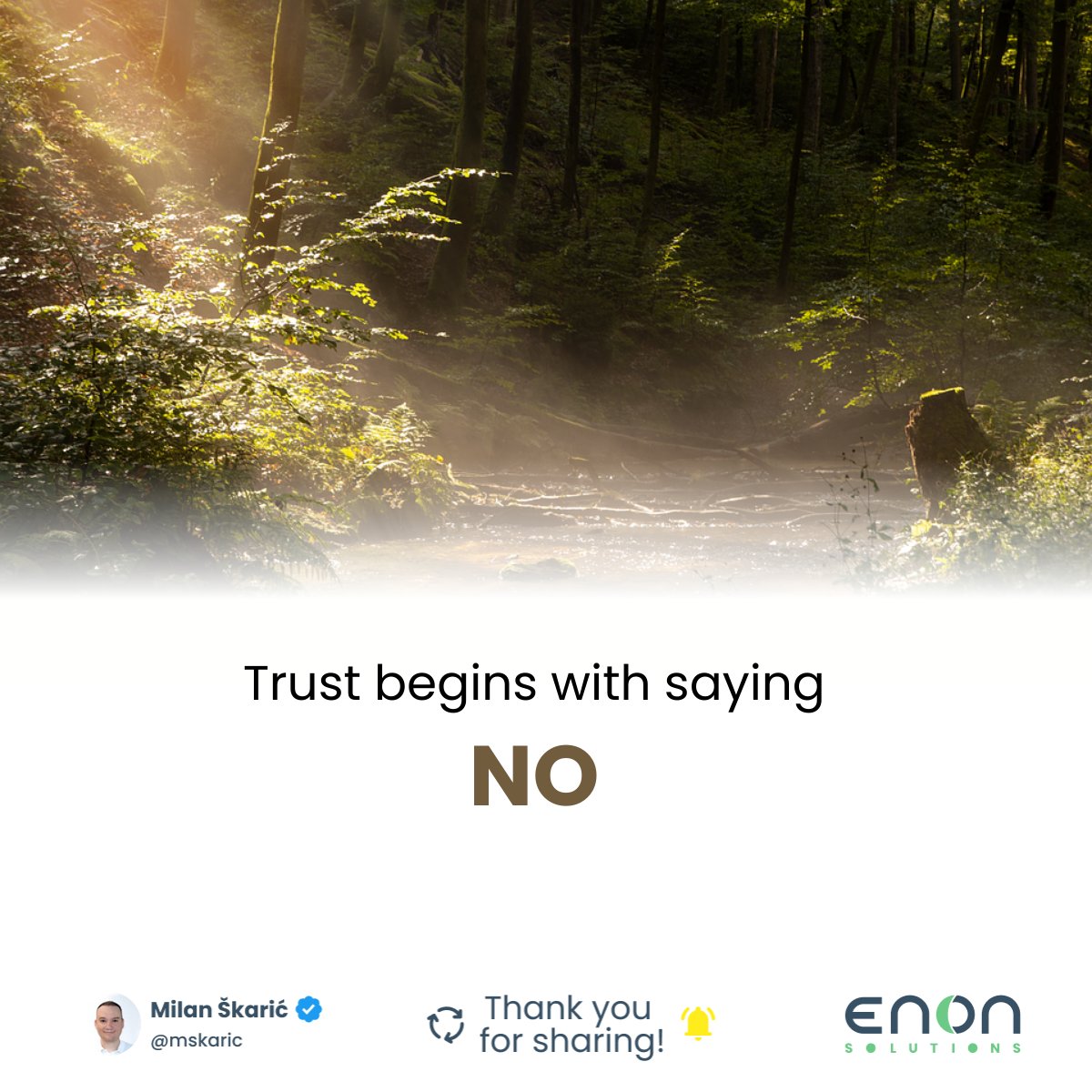
Saying no is hard but it makes delivery possible.
𝗪𝗲 𝗱𝗼𝗻'𝘁 𝗽𝗿𝗼𝘁𝗲𝗰𝘁 𝘁𝗶𝗺𝗲𝗹𝗶𝗻𝗲𝘀. 𝗪𝗲 𝗽𝗿𝗼𝘁𝗲𝗰𝘁 𝘁𝗿𝘂𝘀𝘁.
𝗪𝗵𝗲𝗻 𝘁𝗵𝗶𝗻𝗴𝘀 𝗴𝗼 𝘄𝗿𝗼𝗻𝗴, 𝘄𝗲 𝗼𝗳𝘁𝗲𝗻 𝗯𝗹𝗮𝗺𝗲 𝗽𝗼𝗼𝗿 𝗰𝗼𝗺𝗺𝘂𝗻𝗶𝗰𝗮𝘁𝗶𝗼𝗻, 𝗯𝗮𝗱 𝗽𝗹𝗮𝗻𝗻𝗶𝗻𝗴, 𝗼𝗿 𝘂𝗻𝗰𝗹𝗲𝗮𝗿 𝗿𝗼𝗹𝗲𝘀.
But zoom out far enough, and most of it boils down to inconsistency. Promises that slide. Priorities that shift. Standards that fade.
It doesn’t happen all at once. It happens through tiny exceptions. A missed call. A delayed email. A "we’ll get to it" that never lands.
Lincoln Chafee said trust is built with consistency. That also means: 𝗶𝗻𝗰𝗼𝗻𝘀𝗶𝘀𝘁𝗲𝗻𝗰𝘆 𝗲𝗿𝗼𝗱𝗲𝘀 𝘀𝗶𝗹𝗲𝗻𝘁𝗹𝘆.
But here’s the hard part: consistency isn’t exciting. It doesn’t trend. No one applauds the 42nd time we were on time.
It’s also where every great reputation is born.
In my company, we build tailored software systems. But code alone doesn’t build loyalty. Predictable delivery does. Consistent updates. Transparent timelines. A few visible habits that make our clients breathe easier.
𝗧𝗿𝘂𝘀𝘁 𝗶𝘀𝗻'𝘁 𝗺𝗮𝗴𝗶𝗰. 𝗜𝘁’𝘀 𝘁𝗵𝗲 𝗿𝗲𝘀𝘂𝗹𝘁 𝗼𝗳 𝗮 𝘁𝗵𝗼𝘂𝘀𝗮𝗻𝗱 𝘂𝗻𝗿𝗲𝗺𝗮𝗿𝗸𝗮𝗯𝗹𝗲 𝗱𝗮𝘆𝘀 𝗱𝗼𝗻𝗲 𝗿𝗶𝗴𝗵𝘁.
𝗪𝗲 𝗰𝗮𝗻𝗻𝗼𝘁 𝗼𝘂𝘁𝘀𝗺𝗮𝗿𝘁 𝘄𝗲𝗮𝗸 𝗵𝗮𝗯𝗶𝘁𝘀.
We love natural skill. It looks effortless and it feels rare, but the market pays for outcomes, not promises.
It is said that talent often wins the first round while steady work wins the season. It sounds simple, but it is not easy. Most days are ordinary, full of quiet work that no one sees.
We go farther when we measure inputs and keep score on the basics: calls, follow ups, fixes, reviews. When we do the boring things on boring days, momentum builds. Talent without habits becomes noise, and the noise fades.
Here is the part many skip. Hard work is not only effort. It is design with clear goals, short feedback loops, and honest numbers. If we cannot name the next move, we drift, even with gifts.
Talent gets attention. Work earns trust. We need both. When talent rests, steady work keeps moving.
𝗪𝗵𝗮𝘁 𝘄𝗼𝘂𝗹𝗱 𝗶𝗺𝗽𝗿𝗼𝘃𝗲 𝗼𝘂𝘁𝗰𝗼𝗺𝗲𝘀 𝗶𝗳 𝘄𝗲 𝗱𝗶𝗱 𝗶𝘁 𝗲𝘃𝗲𝗿𝘆 𝘀𝗶𝗻𝗴𝗹𝗲 𝗱𝗮𝘆?
𝗧𝗵𝗲 𝗮𝘃𝗲𝗿𝗮𝗴𝗲 𝗽𝗲𝗿𝘀𝗼𝗻 𝗻𝗲𝘃𝗲𝗿 𝘁𝗿𝘂𝗹𝘆 𝘁𝗲𝘀𝘁𝘀 𝘁𝗵𝗲𝗶𝗿 𝗹𝗶𝗺𝗶𝘁𝘀.
We stop at tired. At uncertain. At "I've never done this before."
But the real growth? It usually starts there.
I've seen it in my own work. People ask for simpler tools, faster processes, better outcomes. And sometimes, the answer isn't adding more. It's asking: 𝗮𝗿𝗲 𝘄𝗲 𝗽𝗹𝗮𝘆𝗶𝗻𝗴 𝘁𝗼𝗼 𝘀𝗺𝗮𝗹𝗹?
Most limits aren’t walls. They’re routines.
We repeat the same actions, follow the same patterns, then wonder 𝘄𝗵𝘆 𝘁𝗵𝗲 𝗿𝗲𝘀𝘂𝗹𝘁 𝘀𝘁𝗮𝘆𝘀 𝘁𝗵𝗲 𝘀𝗮𝗺𝗲.
But the first time you do something uncomfortable - ask the hard question, take the tough call, trust your gut - you realize: 𝘁𝗵𝗲 𝗹𝗶𝗻𝗲 𝘆𝗼𝘂 𝘁𝗵𝗼𝘂𝗴𝗵𝘁 𝘄𝗮𝘀 𝘁𝗵𝗲 𝗲𝗱𝗴𝗲 𝘄𝗮𝘀 𝗷𝘂𝘀𝘁 𝗮 𝗵𝗮𝗯𝗶𝘁.
That’s when change begins.
The growth doesn’t come from avoiding the hard stuff.
𝗜𝘁 𝗰𝗼𝗺𝗲𝘀 𝗳𝗿𝗼𝗺 𝗹𝗲𝗮𝗻𝗶𝗻𝗴 𝗶𝗻.
When we dream but don’t move, the dream stays a neat plan on paper.
When we move without a dream, our steps scatter and the day blurs.
Many startups don’t fail from lack of effort, but from a 𝗺𝗶𝘀𝘀𝗶𝗻𝗴 𝘀𝗵𝗮𝗿𝗲𝗱 𝗱𝗶𝗿𝗲𝗰𝘁𝗶𝗼𝗻. The energy is real, the activity is constant, yet progress feels thin because the work isn’t pointed at anything we all agree matters.
So we should begin with a simple question that does heavy lifting: 𝗪𝗵𝗲𝗿𝗲 𝗮𝗿𝗲 𝘄𝗲 𝗴𝗼𝗶𝗻𝗴, 𝗮𝗻𝗱 𝘄𝗵𝘆? Once the "why" is clear, priorities stop competing. The next steps shrink into things we can actually do today. Trade-offs get easier, because purpose decides what we ignore. The noise turns down, and momentum starts to feel honest rather than busy.
No big pitch here - just a practice we try to live by: 𝗺𝗼𝘃𝗲 𝘄𝗶𝘁𝗵 𝗽𝘂𝗿𝗽𝗼𝘀𝗲 𝗮𝗻𝗱 𝗸𝗲𝗲𝗽 𝘁𝗵𝗲 𝘃𝗶𝘀𝗶𝗼𝗻 𝗰𝗹𝗼𝘀𝗲 𝗲𝗻𝗼𝘂𝗴𝗵 𝘁𝗼 𝗴𝘂𝗶𝗱𝗲 𝗲𝗮𝗰𝗵 𝗱𝗲𝗰𝗶𝘀𝗶𝗼𝗻. When vision and action travel together, chaos quiets, effort compounds, and the work begins to look like the future we had in mind.
𝗗𝗼 𝘆𝗼𝘂 𝗯𝗲𝗹𝗶𝗲𝘃𝗲 𝗺𝗼𝘀𝘁 𝗶𝗱𝗲𝗮𝘀 𝗱𝗶𝗲 𝗳𝗿𝗼𝗺 𝗶𝗻𝗮𝗰𝘁𝗶𝗼𝗻 𝗼𝗿 𝗳𝗿𝗼𝗺 𝗺𝗶𝘀𝗱𝗶𝗿𝗲𝗰𝘁𝗶𝗼𝗻?
𝗦𝗶𝗹𝗲𝗻𝗰𝗲 𝗶𝗻 𝗮 𝗿𝗼𝗼𝗺 𝗶𝘀𝗻’𝘁 𝗮𝗹𝘄𝗮𝘆𝘀 𝗽𝗲𝗮𝗰𝗲. 𝗦𝗼𝗺𝗲𝘁𝗶𝗺𝗲𝘀, 𝗶𝘁’𝘀 𝗳𝗲𝗮𝗿.
People don’t just fear losing their jobs.
They fear looking stupid.
They fear being judged. Being punished for raising a red flag.
And so we smile. We nod. We hold back.
But under the surface, things start to break.
Ideas get lost.
Mistakes get repeated.
Opportunities stay hidden.
I’ve read somewhere that in hospitals, silence kills more often than incompetence.
Nurses and doctors see errors, but they don’t always feel safe to speak up.
What does that say about the rest of us?
In our work, we’ve seen how one honest conversation can unlock months of progress.
𝗕𝗲𝗰𝗮𝘂𝘀𝗲 𝘀𝗶𝗹𝗲𝗻𝗰𝗲 𝗱𝗼𝗲𝘀𝗻'𝘁 𝗯𝘂𝗶𝗹𝗱 𝗮𝗻𝘆𝘁𝗵𝗶𝗻𝗴 𝘄𝗼𝗿𝘁𝗵 𝗸𝗲𝗲𝗽𝗶𝗻𝗴.
Our brain is wired to resist change - 𝗲𝘃𝗲𝗻 𝗶𝗳 𝗶𝘁 𝗰𝗼𝘂𝗹𝗱 𝘀𝗮𝘃𝗲 𝗼𝘂𝗿 𝗹𝗶𝗳𝗲.
It’s strange, isn’t it?
We say we want growth.
We talk about transformation.
Yet, when change stands at our door, we often pretend we’re not home.
The truth is, 𝗰𝗵𝗮𝗻𝗴𝗲 𝗿𝗮𝗿𝗲𝗹𝘆 𝗮𝗻𝗻𝗼𝘂𝗻𝗰𝗲𝘀 𝗶𝘁𝘀𝗲𝗹𝗳. It arrives quietly.
Sometimes through a conversation.
Sometimes through failure.
Sometimes through a sudden opportunity that feels too risky.
And here’s the uncomfortable part - 𝘄𝗶𝘁𝗵𝗼𝘂𝘁 𝗰𝗵𝗮𝗻𝗴𝗲, 𝗹𝗲𝗮𝗿𝗻𝗶𝗻𝗴 𝗱𝗼𝗲𝘀𝗻’𝘁 𝗿𝗲𝗮𝗹𝗹𝘆 𝘀𝘁𝗶𝗰𝗸. We can fill our minds with facts, strategies, and ideas.
But if nothing in our life looks different after, was it learning or just entertainment?
In my work, I’ve seen companies that adapted thrive in storms that sank others. I’ve also seen brilliant minds stay stuck because they waited for the "right time" to change.
𝗧𝗵𝗮𝘁 𝘁𝗶𝗺𝗲 𝗻𝗲𝘃𝗲𝗿 𝗰𝗮𝗺𝗲.
We don’t have to flip our life upside down overnight.
Change starts with one decision.
One habit. One brave "yes" or "no".
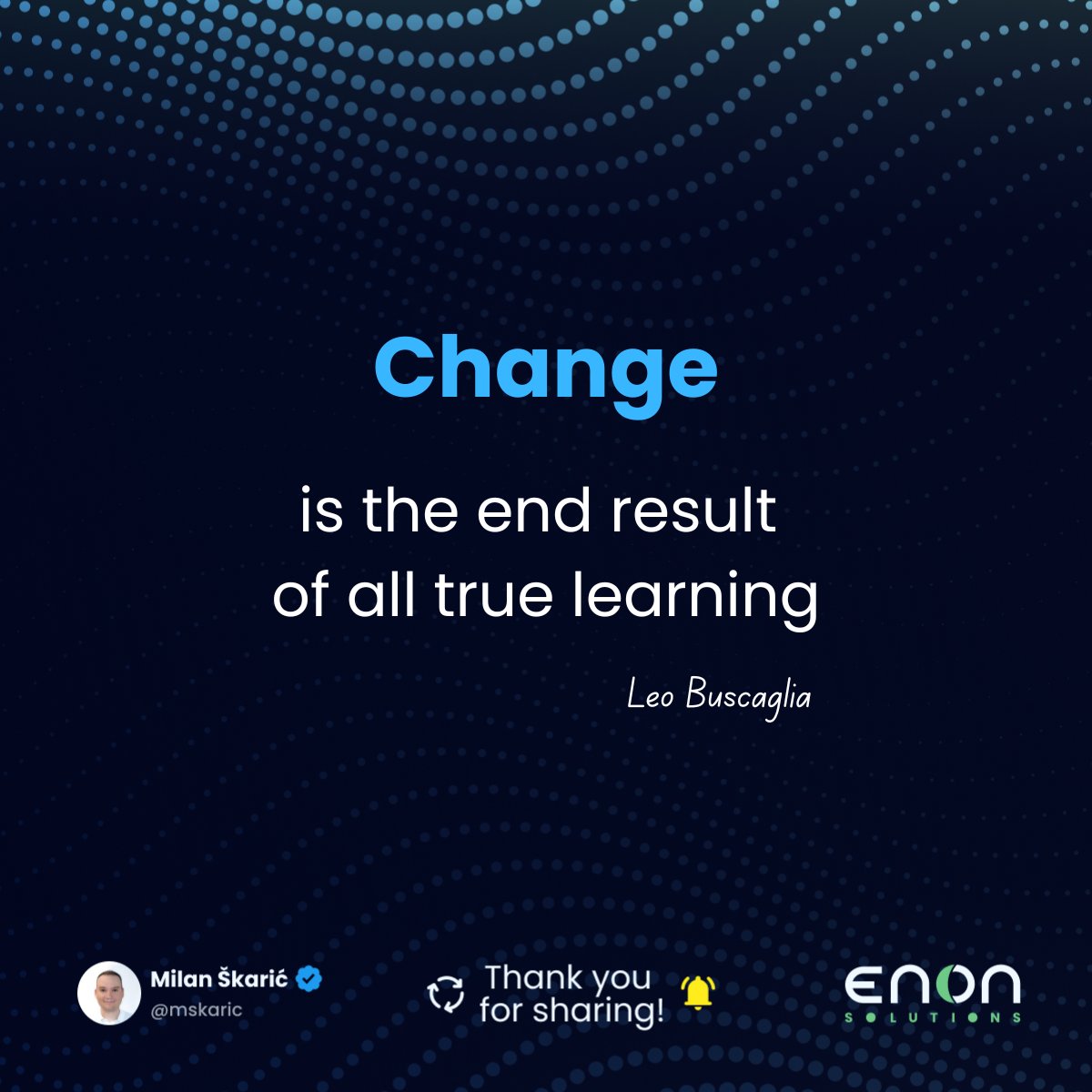
Leo Buscaglia said it best: "𝗖𝗵𝗮𝗻𝗴𝗲 𝗶𝘀 𝘁𝗵𝗲 𝗲𝗻𝗱 𝗿𝗲𝘀𝘂𝗹𝘁 𝗼𝗳 𝗮𝗹𝗹 𝘁𝗿𝘂𝗲 𝗹𝗲𝗮𝗿𝗻𝗶𝗻𝗴".
Maybe it’s time we stop fearing that end result... and start chasing it.
𝗘𝘃𝗲𝗿 𝗻𝗼𝘁𝗶𝗰𝗲 𝗵𝗼𝘄 𝗽𝗿𝗼𝗯𝗹𝗲𝗺𝘀 𝘀𝗵𝗼𝘄 𝘂𝗽 𝗲𝘅𝗮𝗰𝘁𝗹𝘆 𝘄𝗵𝗲𝗻 𝘄𝗲 𝗱𝗼𝗻'𝘁 𝗻𝗲𝗲𝗱 𝘁𝗵𝗲𝗺?
Funny thing is, maybe they're exactly what we need.
I've read that trees become stronger when they survive storms. They grow deeper roots and thicker branches.
We're not so different.
Each problem makes us rethink, adapt, and grow smarter. Without challenges, we'd never improve. Imagine staying the same, never learning anything new. Doesn't sound exciting, right?
In our work, we’ve found that tough problems inspire the best solutions. It doesn't matter the industry or the project - it's always true.
If you feel stuck today, remember this: 𝘁𝗵𝗲 𝗼𝗯𝘀𝘁𝗮𝗰𝗹𝗲 𝗶𝘀𝗻'𝘁 𝘁𝗵𝗲𝗿𝗲 𝘁𝗼 𝘀𝘁𝗼𝗽 𝘂𝘀, 𝗶𝘁'𝘀 𝘁𝗵𝗲𝗿𝗲 𝘁𝗼 𝗺𝗮𝗸𝗲 𝘂𝘀 𝘁𝗵𝗶𝗻𝗸 𝗱𝗶𝗳𝗳𝗲𝗿𝗲𝗻𝘁𝗹𝘆.
Sometimes, the toughest challenge is exactly the boost we need to reach a new level.
𝗪𝗵𝘆 𝗱𝗼 𝘄𝗲 𝘂𝗻𝗱𝗲𝗿𝗲𝘀𝘁𝗶𝗺𝗮𝘁𝗲 𝗶𝗻𝘁𝗲𝗴𝗿𝗶𝘁𝘆?
Integrity sounds simple, but sometimes it's inconvenient. We live in a world that praises quick success over steady ethics. I've read somewhere that most customers prefer honesty, even if it means hearing tough truths.
Integrity doesn't mean perfection - it means admitting when we’re wrong. It means valuing truth over immediate gain. And yes, sometimes integrity costs money. 𝗕𝘂𝘁 𝗰𝗼𝗺𝗽𝗿𝗼𝗺𝗶𝘀𝗲𝗱 𝗶𝗻𝘁𝗲𝗴𝗿𝗶𝘁𝘆 𝗰𝗼𝘀𝘁𝘀 𝗳𝗮𝗿 𝗺𝗼𝗿𝗲.
Our customers, partners, and teams quietly observe us. They notice each promise kept or broken. Integrity isn’t a slogan - 𝗶𝘁'𝘀 𝘁𝗵𝗲 𝘀𝗶𝗹𝗲𝗻𝘁 𝗷𝘂𝗱𝗴𝗲 𝗼𝗳 𝗼𝘂𝗿 𝗿𝗲𝗽𝘂𝘁𝗮𝘁𝗶𝗼𝗻.
In our company, integrity shapes every decision. It quietly builds something no advertising can buy - real trust.
𝗪𝗲 𝗰𝗮𝗻'𝘁 𝗳𝗮𝗸𝗲 𝗶𝗻𝘁𝗲𝗴𝗿𝗶𝘁𝘆. 𝗜𝘁 𝗾𝘂𝗶𝗲𝘁𝗹𝘆 𝗱𝗲𝗳𝗶𝗻𝗲𝘀 𝘂𝘀, 𝗲𝘃𝗲𝗿𝘆 𝘀𝗶𝗻𝗴𝗹𝗲 𝗱𝗮𝘆.
I've read somewhere that fear and excitement feel exactly the same physically.
Sweaty palms, racing heart - sound familiar?
𝗢𝘂𝗿 𝗯𝗼𝗱𝘆 𝗶𝘀 𝘁𝗲𝗹𝗹𝗶𝗻𝗴 𝘂𝘀 𝘀𝗼𝗺𝗲𝘁𝗵𝗶𝗻𝗴 𝗶𝗺𝗽𝗼𝗿𝘁𝗮𝗻𝘁 𝗶𝘀 𝗵𝗮𝗽𝗽𝗲𝗻𝗶𝗻𝗴.
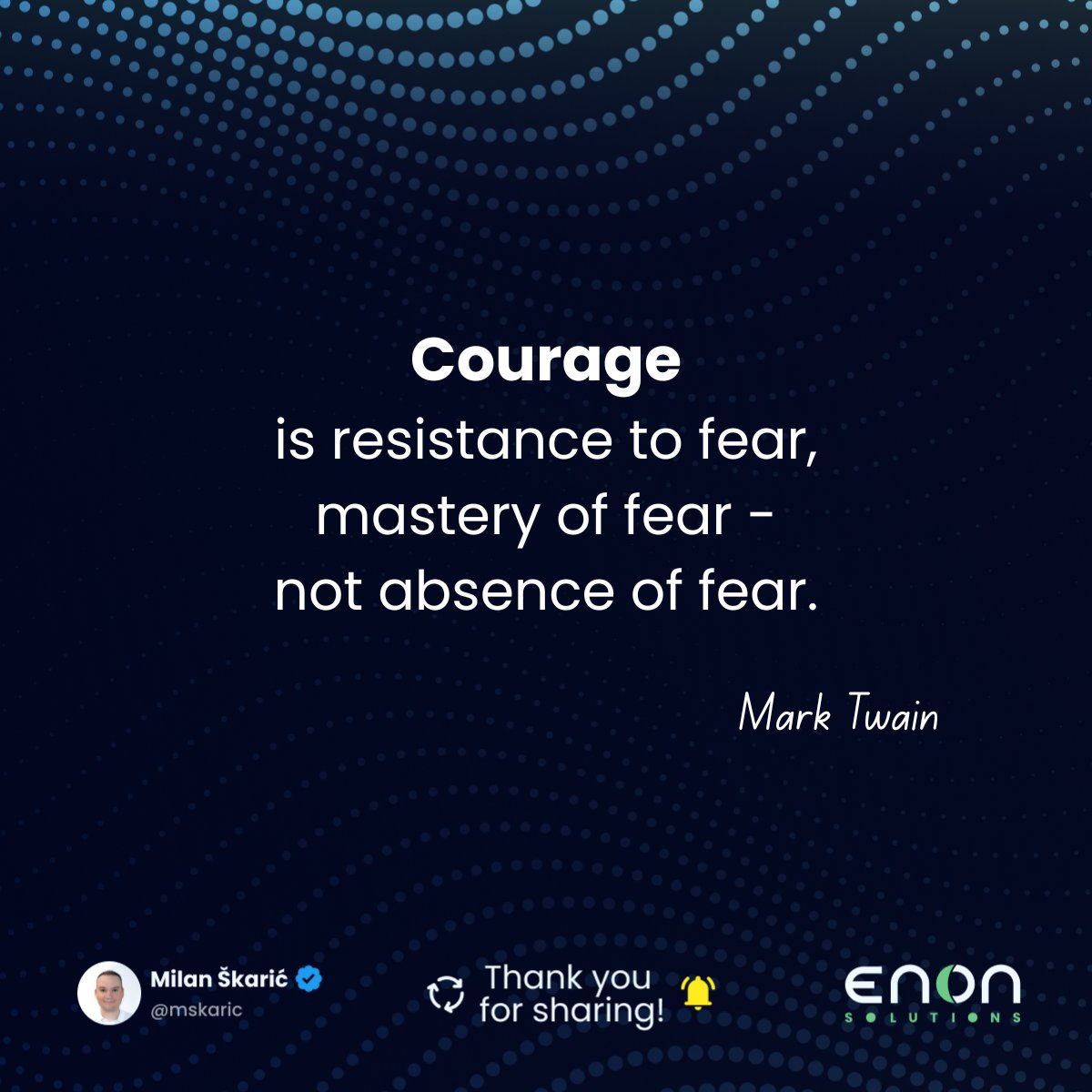
Mark Twain said: "Courage is resistance to fear, mastery of fear - not absence of fear."
Building my company taught me something powerful: 𝗳𝗲𝗮𝗿 𝗱𝗼𝗲𝘀𝗻’𝘁 𝗺𝗲𝗮𝗻 𝘀𝘁𝗼𝗽. 𝗜𝘁 𝗼𝗳𝘁𝗲𝗻 𝗺𝗲𝗮𝗻𝘀 𝘆𝗼𝘂'𝗿𝗲 𝗼𝗻𝘁𝗼 𝘀𝗼𝗺𝗲𝘁𝗵𝗶𝗻𝗴 𝗺𝗲𝗮𝗻𝗶𝗻𝗴𝗳𝘂𝗹.
Fear tells us we care.
Courage lets us act.
What’s the one fear holding you back right now?