Fran Drescher was lying face down on her own bedroom floor. A loaded gun pressed into the back of her skull. Two armed men had kicked down the front door of her Los Angeles apartment, bound her husband Peter and his friend with electrical cord, and dragged her and her girlfriend into the bedroom. What followed was an hour-and-a-half of hell. Both women were raped at gunpoint. Their husbands were forced to listen from the other room, tied up and helpless. And in the middle of all of it - while a stranger was on top of her - Fran Drescher did something that no one expected. She memorized his face.
She'd seen a detective on a talk show years earlier who said rape victims make the worst witnesses because they're too terrified to look at their attacker. So Fran forced herself to do the opposite. She stared at him. She catalogued every feature. She burned his face into her photographic memory like a mugshot she was taking herself. When the police sketch artist sat down with her days later, the drawing came out so precise it looked like the rapist had posed for it.
He made one mistake. He stole her car when he left. The police set up a stakeout. When they caught him, his fly was still unzipped - and he had a copy of his own police sketch folded in his back pocket. He was already on parole. He'd been on a rampage. When the trial came, three full school buses of his other victims and witnesses pulled up to the courthouse. He was sentenced to 150 years without parole.
Fran went back to work. She created "The Nanny," became one of the biggest TV stars in America, and never told anyone what had happened. She buried the trauma so deep she convinced herself she was fine. She had the career, the house in Malibu, the famous laugh. But something was rotting inside her. She hadn't cried. She hadn't screamed. She'd just kept going.
Ten years after the rape, the bill came due. She was diagnosed with uterine cancer. The doctors caught it after two years of misdiagnoses - she'd been to eight different doctors who all told her she was fine. By the time the ninth one found it, it had been growing silently inside her for years. And Fran believes she knows exactly where it came from. "When you don't deal with your pain," she said, "it kind of ends up being very poetic in where the body decides to break down and create disease." The cancer grew in her uterus - the same body that had been violated that night. She's never called it a coincidence.
Her marriage collapsed. Her husband Peter went into therapy - and came out as gay. The man who'd been tied up and forced to listen while his wife was raped had been hiding his own secret for their entire marriage. They divorced, but stayed best friends. He came out publicly. They created "Happily Divorced" together - a sitcom based on their own story.
Fran beat the cancer. She founded the Cancer Schmancer Movement. She went to Congress, testified before the Senate. And then, in 2023, she became president of SAG-AFTRA and led the biggest Hollywood strike in 60 years - standing in front of studios and telling billion-dollar corporations that actors deserve to be treated like human beings.
She was raped at gunpoint, diagnosed with cancer, found out her husband was gay - and turned every single one of those wounds into a weapon. When a woman memorizes her rapist's face mid-assault and then spends 40 years converting her pain into an empire - is she a survivor, or something the world hasn't invented a word for yet?
She's been at our shelter since 2013. Eleven years. Every person who met her said she was wonderful. Every person walked past her kennel and chose a younger dog. She stopped coming to the front of her kennel a few years ago. Stopped performing. Made a quiet peace with being where she was." Last Tuesday a veteran came in. He said — "I need a calm dog. I'm still learning how to be still myself." I showed him three dogs. He was putting his jacket on to leave. He stopped outside kennel seven. Luna looked at him from her bed. Didn't perform. Didn't come to the front. Just looked at him the way she looks at people when she decides they're worth seeing. He said — "Can I sit with her?" He sat on the concrete floor at her level. Not the bench. The floor. That was 11am. At 3pm I looked in. He was still there. Her white muzzle was in his hand. Their breathing had synchronized. At 3:15 he came to the front desk and said — "I'd like to take her home. I think we need each other." I excused myself to the back room and sat on an overturned bucket and cried for a long time. He texted me yesterday — "First time I've slept through the night in three years. I think she was saving that for me." She was. Eleven years of saving it. For one Tuesday. For him. Drop a ❤️ for Luna. Share this for every senior dog still waiting for their Tuesday. They're saving everything they have for the right person to walk through that door.
Il ragazzo che rubò del pane e il giudice che diede una lezione al mondo.
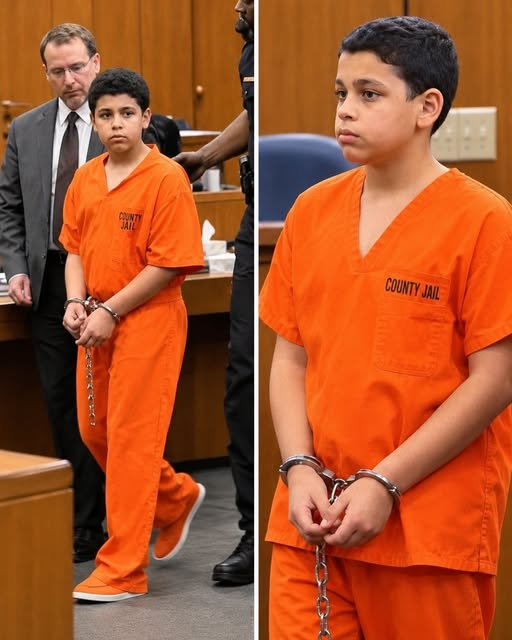
In un’aula di tribunale affollata, un ragazzo di 15 anni, spaventato e tremante, stava davanti al giudice con lo sguardo fisso a terra. Il suo crimine? Aver rubato un po’ di pane e un pezzo di formaggio. Non oro, non gioielli, nulla di prezioso: solo cibo a sufficienza per evitare che sua madre, malata, soffrisse la fame.
Quando l’addetto alla sicurezza aveva cercato di fermarlo, il ragazzo aveva tentato di divincolarsi e, nella colluttazione, uno scaffale era andato accidentalmente in frantumi.
Il giudice lo guardò con espressione seria, ma benevola.
«Ragazzo, hai davvero rubato queste cose?»
«Sì, signore», sussurrò il giovane.
«Perché hai fatto una cosa del genere?»
«Perché avevamo fame, signore.»
«Perché non hai semplicemente pagato?»
«Non avevo soldi.»
«Non hai nessuno che possa aiutarti?»
«Ho solo mia madre. È molto malata e non ha un lavoro. Volevo solo portarle qualcosa da mangiare.»
Un silenzio straziante calò nell’aula.
«Non lavori?» chiese il giudice.
«Lavo le auto per guadagnare qualcosa, signore. Ma oggi sono rimasto a casa per accudire mia madre.»
«Hai provato a chiedere aiuto a qualcuno?»
«Sì, signore. Ho chiesto per tutta la mattina. Ho implorato, ma nessuno mi ha ascoltato.»
Il giudice abbassò lo sguardo per un istante. La sua espressione mutò. Poi, con voce carica di emozione, disse:
«Rubare è sbagliato e la legge va rispettata. Ma oggi, quest’aula deve riconoscere anche un fallimento ben più grave. Se un ragazzino è costretto a rubare un pezzo di pane per sfamare la madre malata, allora l’intera nostra società ha delle responsabilità... io compreso.»
Fece una pausa prima di annunciare la sua decisione:
«Condanno tutti i presenti in quest’aula, me compreso, a una multa per aver permesso che esista un mondo in cui un bambino è costretto a elemosinare del cibo.»
E, di tasca propria, posò 10 dollari sul tavolo. Poi ha continuato:
«Infliggo inoltre una multa di 1.000 dollari al proprietario del negozio, per aver scelto la punizione anziché la compassione di fronte a un bambino affamato».
Perché, a volte, il crimine più grave non è prendere un pezzo di pane. È vivere in un mondo in cui una madre soffre la fame e un bambino è costretto a rischiare tutto pur di sfamarla.
Sean Duffy and Markwayne Mullin are the exact kind of incompetent, boot-licking buttholios you'd expect to thrive in the authoritarian Trump regime.
When Republicans held both the House and the Senate, they could have actually governed and fixed our crumbling, antiquated FAA system. Instead, they rushed to hand out massive tax cuts to the billionaire Epstein class.
And speaking of living in the past, how about the U.S. finally joins the rest of the modern world and builds a functioning high-speed rail system?
Oh, wait — that would actually benefit regular, working-class people instead of lining the pockets of a greed-driven regime, so we all know that's never going to happen.
Die Australierin Annalise Winterborne geht mit ihrer Antwort zu Trump, dass „die NATO nicht für Amerika da war“, viral.
„Mate. Du regierst ein Land, in dem heute Nacht 600.000 Obdachlose auf der Straße schlafen. Ein Land, in dem 40 % der Erwachsenen nicht in der Lage sind, einen unerwarteten Kosten von 400 Dollar zu stemmen, ohne sich Geld zu leihen. Ein Land, in dem Insulin mehr kostet als eine Autoleasingrate und Menschen es rationieren, um zu überleben.
Ein Land, in dem Schulden für medizinische Behandlungen der häufigste Grund für Privatinsolvenzen sind. Ein Land, in dem Frauen auf Krankenhausparkplätzen sterben, weil Ärzte zu viel Angst vor den Abtreibungsgesetzen haben, um eine Fehlgeburt zu behandeln.
Du sperrst mehr von deinen eigenen Bürgern ein als irgendein anderes Land auf der Welt. Mehr als China. Mehr als Russland. Mehr als Nordkorea. Im Land der Freiheit sitzen 2 Millionen Menschen in Käfigen, und ein Viertel von ihnen wurde noch nicht einmal wegen irgendetwas verurteilt. Sie sind einfach zu arm, um sich gegen die Untersuchungshaft freizukaufen.
Deine Lebenserwartung sinkt. Du bist das einzige Industrieland, in dem das passiert. Deine Säuglingssterblichkeit ist höher als die Kubas. Deine Kinder üben zwischen Mathe und Englisch, was sie tun sollen, wenn ein Amokschütze aufkreuzt, während du Aktien von Waffenherstellern an deine Kumpels verkaufst.
Dein Mindestlohn ist seit 15 Jahren unverändert. Du hast Lehrer, die zwei Jobs haben, und Veteranen, die unter Brücken schlafen, und du hast gerade eine Billion Dollar ausgegeben, um ein Land plattzumachen, das dich nicht angegriffen hat.
Und du hast einen verurteilten Straftäter, der als Vergewaltiger verurteilt wurde, Pädophile schützt, mit Pornostars schläft und einen Aufstand angezettelt hat, der die größte Kriegskatastrophe seit den Taliban in Afghanistan leitet. Vielen Dank, dass du wieder verloren hast.
Und du nennst Grönland schlecht regiert?
Grönland hat eine Gesundheitsversorgung für alle. Kostenlose Bildung. Eine der niedrigsten Inhaftierungsraten der Welt. Dort geht niemand wegen einer Krankheit pleite. Niemand stirbt im Wartezimmer, weil seine Versicherung Nein gesagt hat.
‚Die NATO war nicht da, als wir sie brauchten.‘ Wann genau war das, mein Freund? Am 11. September? Denn die NATO hat zum ersten und einzigen Mal in der Geschichte Artikel 5 für DICH in Kraft gesetzt.
Soldaten aus Dutzenden Ländern wurden in Afghanistan eingesetzt, haben gekämpft, Blut vergossen und sind gestorben – FÜR DICH. Australien war nicht einmal in der NATO, und trotzdem sind wir gekommen. 20 Jahre lang.
Und du bist um 2 Uhr morgens abgezogen, ohne irgendjemanden zu informieren, und hast sie mit dem Schlamassel allein gelassen.
Also schau dir vielleicht, bevor du anfängst, andere Länder schlecht regiert zu nennen, erst mal vor deiner eigenen Haustür um, du mit Sprühbräune und Aluminiumverkleidung hausierende Verkäufer. Das Einzige, was in diesem Bild schlecht regiert wird, ist dein verdammter Mund.“
Das wurde von Annalise B Winterborne auf TikTok veröffentlicht.
Un zorro simplemente ahí, de pie, con los ojos cerrados, confiando plenamente en la persona que lo está ayudando.
Este video es pura ternura.
��Habrías hecho lo mismo por un animal salvaje? https://t.co/GFg5brUhvo
En mars 2015, Tom Hanks reçut un appel téléphonique à quatre heures du matin.
Au bout du fil, son épouse, Rita Wilson, était en larmes. Elle venait d’apprendre qu’elle était atteinte d’un cancer du sein. Une double mastectomie était nécessaire.
Tom Hanks se trouvait alors à New York, où il tournait un film. Après avoir raccroché, il quitta son hôtel à 4 h 15 du matin, encore en pyjama, prit le premier avion pour Los Angeles et ne quitta plus son épouse pendant les neuf mois qui suivirent.
Il annula tout. Plus de tournages, plus d’interviews, plus de tapis rouges.
Depuis trente ans, Hollywood connaissait Tom Hanks comme l’inoubliable Forrest Gump, la voix de Woody et l’un des hommes les plus appréciés du cinéma américain. Mais ce que le public ignorait, c’était la manière dont il se comportait lorsque les caméras s’éteignaient.
Rita dut subir l’ablation de ses deux seins, suivie d’une reconstruction mammaire. Puis vinrent les complications. Pendant plusieurs semaines, elle ne pouvait même plus lever les bras. La douleur l’empêchait de dormir.
Tom apprit à lui laver les cheveux. Il lui préparait des repas réduits en purée et changeait ses pansements sans jamais lui donner l’impression de perdre sa dignité.
Une nuit, vers trois heures du matin, Rita se réveilla, terrassée par la douleur. En ouvrant les yeux, elle aperçut Tom endormi sur une chaise, juste à côté de son lit, lui tenant la main depuis des heures.
« Tu peux aller te coucher », murmura-t-elle.
« Mais je suis déjà dans mon lit », lui répondit-il.
Lorsque son état s’améliora, Rita lui demanda pourquoi il ne s’était jamais plaint.
Il lui répondit :
« Tu m’as épousé quand je n’avais rien. Tu es restée à mes côtés quand je n’étais encore personne. C’est cela, le mariage. On ne fuit pas les moments difficiles. Au contraire, c’est vers eux que l’on court. »
Lorsqu’on demanda à Tom quel était le secret de leur longévité, il répondit simplement :
« Nous rions. Chaque jour. Même dans les pires moments, nous trouvons toujours quelque chose qui nous fait rire. »
Le véritable amour ne se mesure pas aux beaux jours que l’on publie sur Instagram.
Il se révèle dans ces nuits interminables où l’on reste assis sur une chaise, à trois heures du matin, à tenir la main de la personne que l’on aime.
Car aimer quelqu’un, ce n’est pas seulement être présent lorsque tout va bien.
C’est aussi choisir de rester lorsque la vie devient douloureuse, lorsque le corps souffre, lorsque les nuits semblent interminables et que les mots ne suffisent plus.
Le véritable amour ne promet pas de vous éviter les tempêtes. Il promet de ne pas vous laisser les affronter seul.
#TomHanks #RitaWilson #AmourVéritable #Mariage #36AnsDeMariage #WeAreHumanAngels #HistoireDamour
This sweet pup just needs a little help to keep fighting. A simple “hi” or share goes a long way toward covering treatment. Every interaction helps. 🤍
#DogRescue#HelpThisPup
I just wrote a @theactionnet letter: BAAJA Just Cleared a Major Senate Hurdle. The Fight Isn't Over — Your Senators Need to Hear From You!. Write one here: https://t.co/yIp8aXTqyo