Today's article is an absurdly deep dive into what life was like in America 100 years ago, in 1926, on America's 150th
Some favorite factoids about life in 1926:
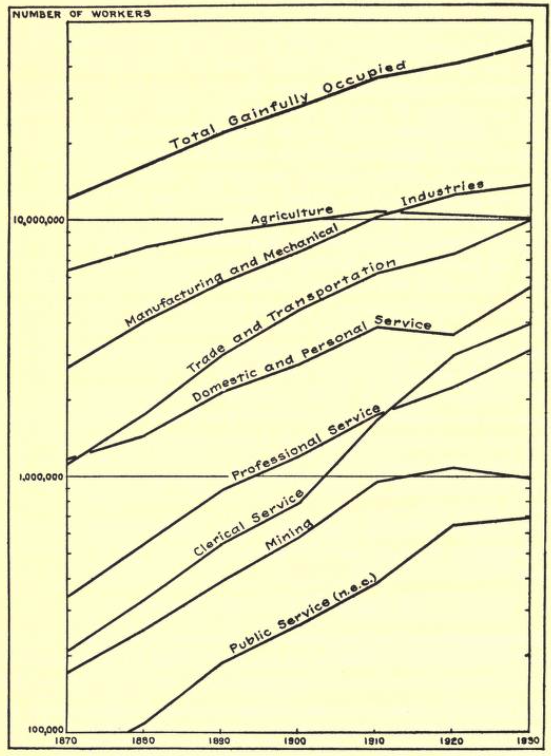
- Farming is collapsing: Agriculture’s employment share fell from 50% in 1870 to <25% in 1926. The price of cotton & corn fell 50% after WWI. percent.
- Manufacturing productivity growth is insane: In 1910, it took ~15 hours to put together a Model T; by 1926, a new car rolls off an assembly line every 10 seconds. A vehicle that cost the avg worker two years’ wages before World War I cost 3 months’ earnings in 1926
- Americans are obsessed, obsessed, obsessed with cars: 1920s Kansas had more vehicles than France
- The influence of flappers on fashion is quantifiable: The amount of fabric in the avg dress fell from 20 yards in 1910 to 7 yards in 1926
- Prohibition killed a lot of people: 12k people died in 1927 from drinking industrial alcohol that the feds had poisoned on purpose to discourage consumption—adjusted for population, that'd be the mortality equivalent of 36k people dying in 2026, which is roughly the number of car deaths
- Sports were very different: No TV means no commercial breaks, and players were in a rush. In one doubleheader against the New York Yankees on September 26, 1926, the St. Louis Browns won 6–1 in 72 minutes and then won 6–2 in 55 minutes with a one-hour break in between
- 1926 might have been the high-water mark for literacy in US history: The number of books published annually had doubled since the 1910s; magazine advertising revenues grew by 500%
- All this change was driving ppl crazy: In Germany, where medical records were better, the number of patients registered in mental hospitals grew from 40,375 in 1870 to 220,881 in 1910. Over the same period, the share of patients admitted to general hospitals for illnesses of the nervous system rose from 44 to 60%.
https://t.co/ThhKO5YWm1
The 1977 CBS NFL Today intro is fucking spectacular. The plays get progressively more illegal and fucked up to the point I was half expecting some guy to get eaten by a lion on the field. It’s like a Naked Gun bit. Do yourself a favor and watch this.
Six Things I See in My ‘Strongest’ 80-Year-Old Patients
I am 63 now, and after three decades as an orthopedic surgeon, I have examined thousands of people in their eighties. Some arrive frail and afraid, others walk in straighter and more confident than patients half their age.
They’re still skiing, still gardening, still picking up grandchildren without a second thought. The gap between those two groups is not luck, and it is rarely genetics alone. The same patterns keep showing up in those who are thriving.
Here is what they have in common. The most important reasons are lower down in the list…
4. Most stress is not worth your nervous system’s health. Cognitive inflammation is real… cable news, many newspaper articles, your IG feed, toxic people… Don’t rent space in your head to things that will adversely affect you. Very few things in a given week actually warrant a full stress response, yet we allow many of these issues to constantly enter our stream of consciousness. Learn to tell the difference between what truly matters and what merely feels urgent, and let the rest pass through you without taking up residence. Your body feels the stress you carry, so carry less of it.
Seven Things This 63 Year Old Surgeon Would Tell My 40-Year-Old Self
I am 63 now, and I spend my days as an orthopedic surgeon watching how people's earlier choices show up in their bodies decades later. I see it in my college friends, high school buddies, and patients that I have known for 20+ years. If I could sit across from myself at 40, here is what I would want that man to understand. None of what follows is complicated, and all of it compounds over the decades… either against you… or in your favor. You are largely in control.
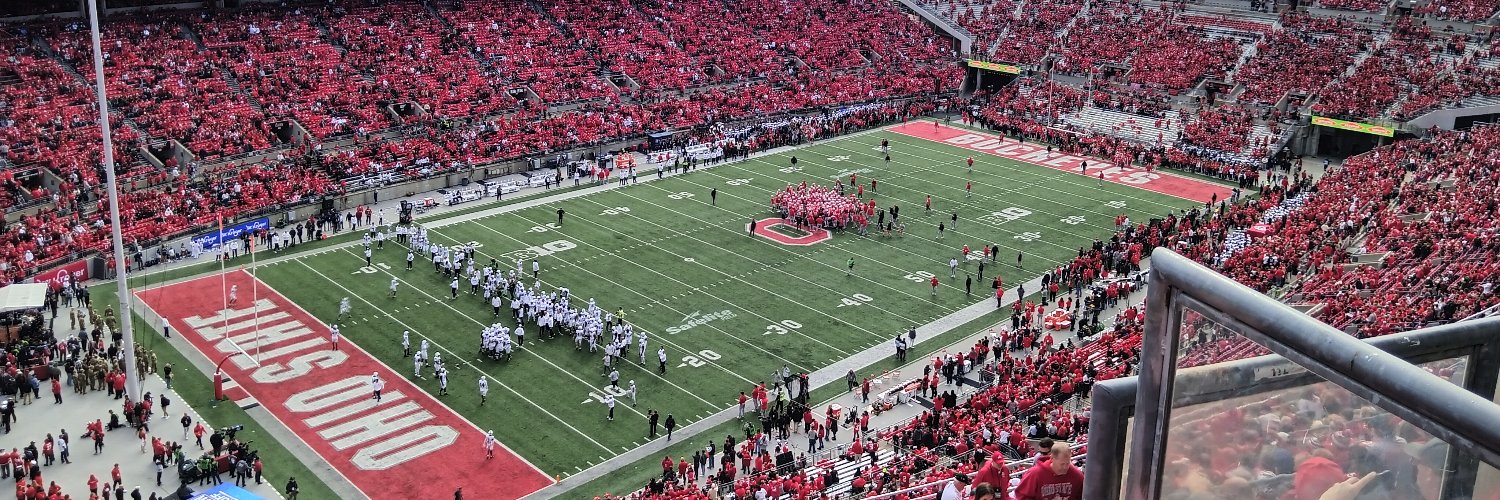
Dad just sent me a list of every game we’ve ever been to. Our all time record is 20-2
Losses were Bobcats vs Bucks in 2007 and the Baker flag plant game
🚨 someone just dropped a full 10-stage academic research pipeline for Claude Code.
It doesn’t write your paper for you, it hunts references, formats citations, verifies data, and even runs a "devil's advocate" agent to attack your own thesis.
Here's why it's a massive deal for academics:
→ Anti-AI Voice: Learns your specific writing style.
→Integrity Gates: Actively hunts down fabricated citations and statistical errors.
→Simulated Peer Review: Runs your draft through a 7-agent panel (including a Devil’s Advocate).
→Cheap: A full 15k-word paper costs ~$4–$6 in API credits.
Best part?
It's 100% free and open-source.
Install in 30s: `/plugin install academic-research-skills`
repo in 🧵↓
Google has a recording of every search you've ever made.
Every place you've ever been. Every YouTube video you've ever watched.
Go to https://t.co/SsI3dVLQDL right now.
You'll find searches from 2015. Voice recordings. GPS coordinates.
All stored. All linked to your name.
Here's how to see it and delete it:
Ricky Gervais on 60 Minutes Makes a Crystal-Clear Case for Free Speech
He put it perfectly: the great thing about freedom of speech is that I can say what I want, and you can say you're offended, and I get to decide whether I care or not.
Because let's be honest, there's nothing you can say that someone, somewhere won't find offensive.
That's why blasphemy laws are so absurd, they're basically trying to protect an all-powerful deity from having its feelings hurt.
At the end of the day, we should be free to criticise any idea.
Just because you're offended doesn't automatically mean you're right.
Spot on, Ricky. Free speech isn't about never upsetting anyone, it's about the right to speak anyway.
Remaining NFL Draft episodes🔥
April 20 - Position group review: OL
April 23 - Mock Draft 3.0
April 24 - First Round Review
April 27/30 - Full NFC/AFC Grades
7/ For 300,000 years, human cognition was the binding constraint on progress. Fire, agriculture, writing, calculus, the semiconductor—each required human minds to observe the world, recombine knowledge, and verify the results. The engine of progress was scarce, fragile, costly.