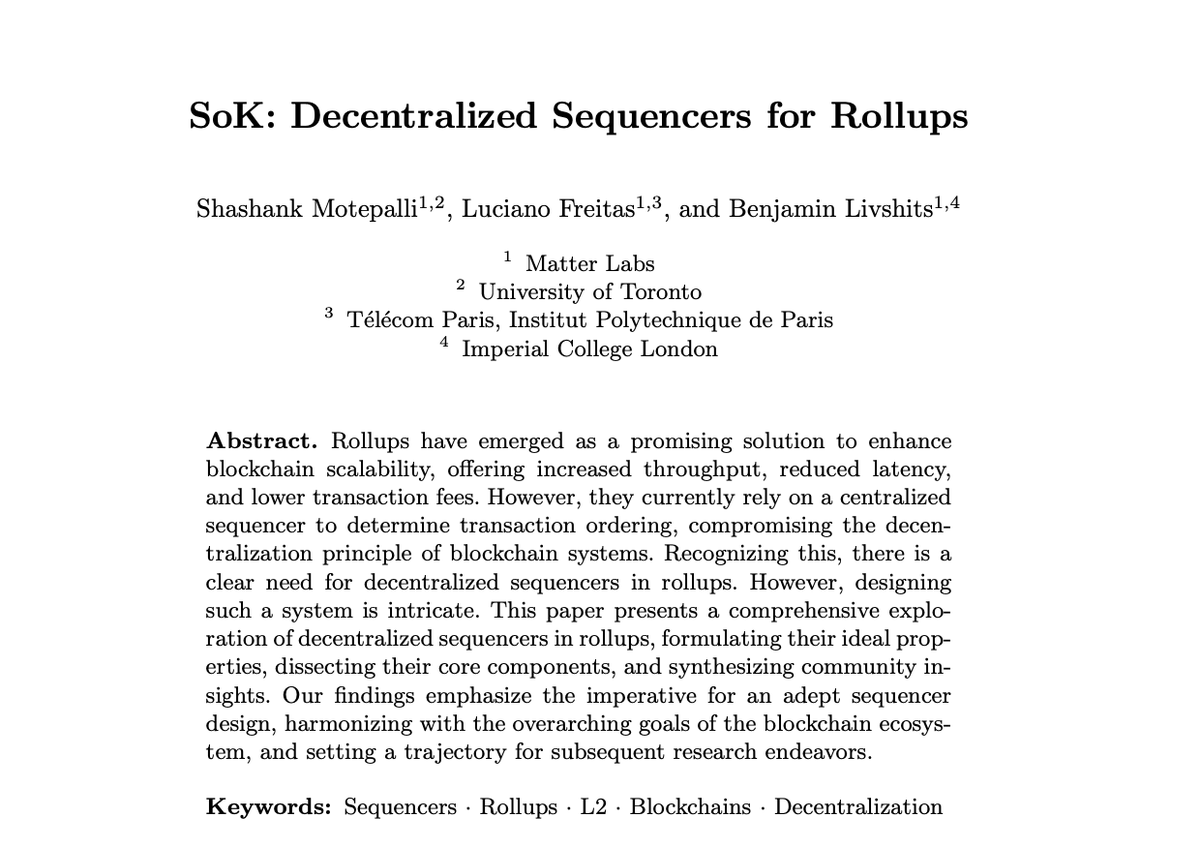
🚀 Excited to share our latest work on decentralized sequencers for rollups! Offers a deep analysis of the challenges, trade-offs, and potential solutions in this emerging technology. Check it out: https://t.co/5nuozINjsO
@convoluted_code@the_matter_labs@MSRG_Org
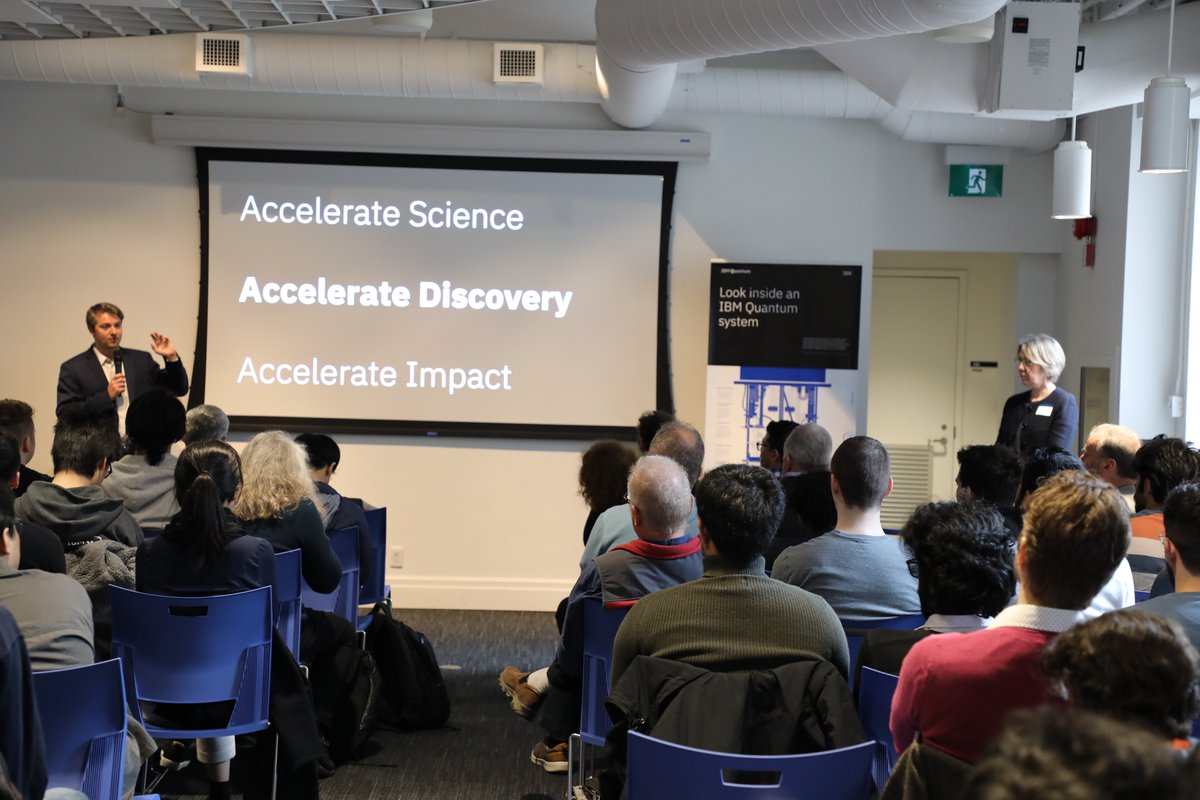
⚡️CQIQC Undergrad Summer Research Recipient Nick Taylor presented his work on #quantum machine learning at @UofTDSI's SUDS Showcase & @uoftengineering's UnERD
🏆He was one of the top-voted posters at the SUDS Showcase!
Read more: https://t.co/BeEZFdsUD8
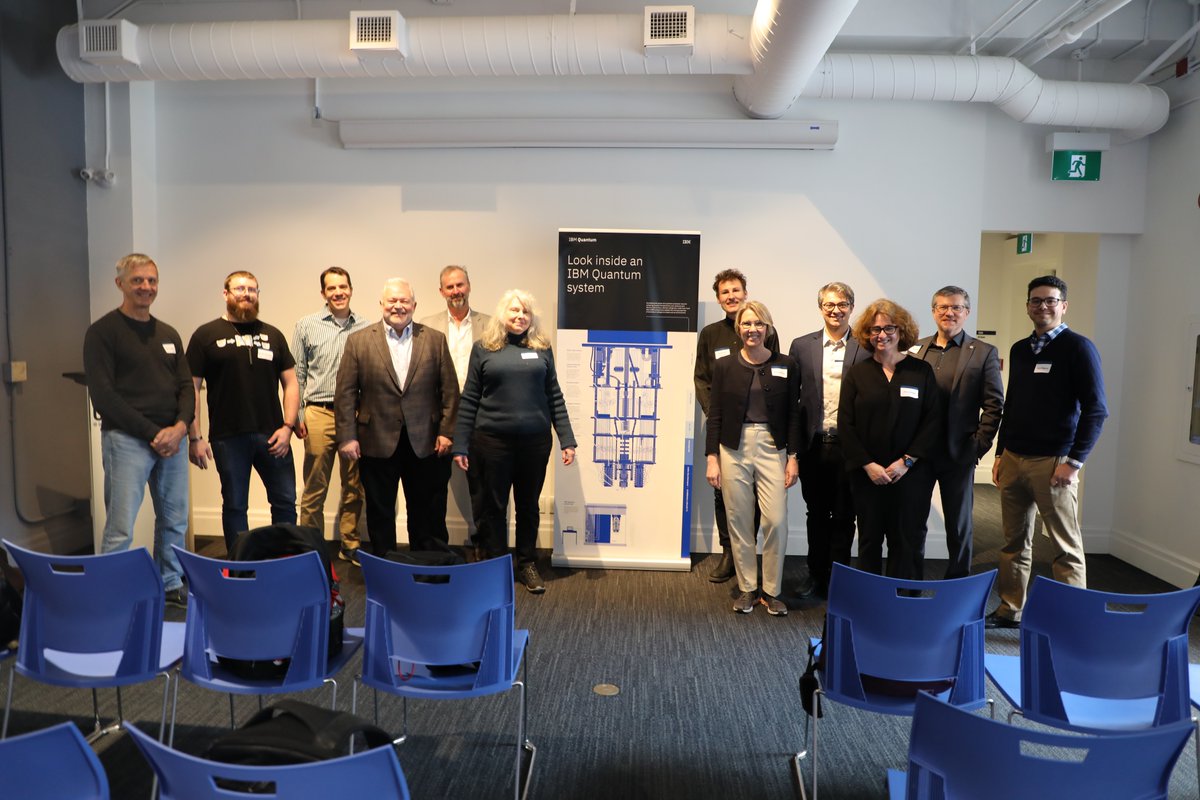
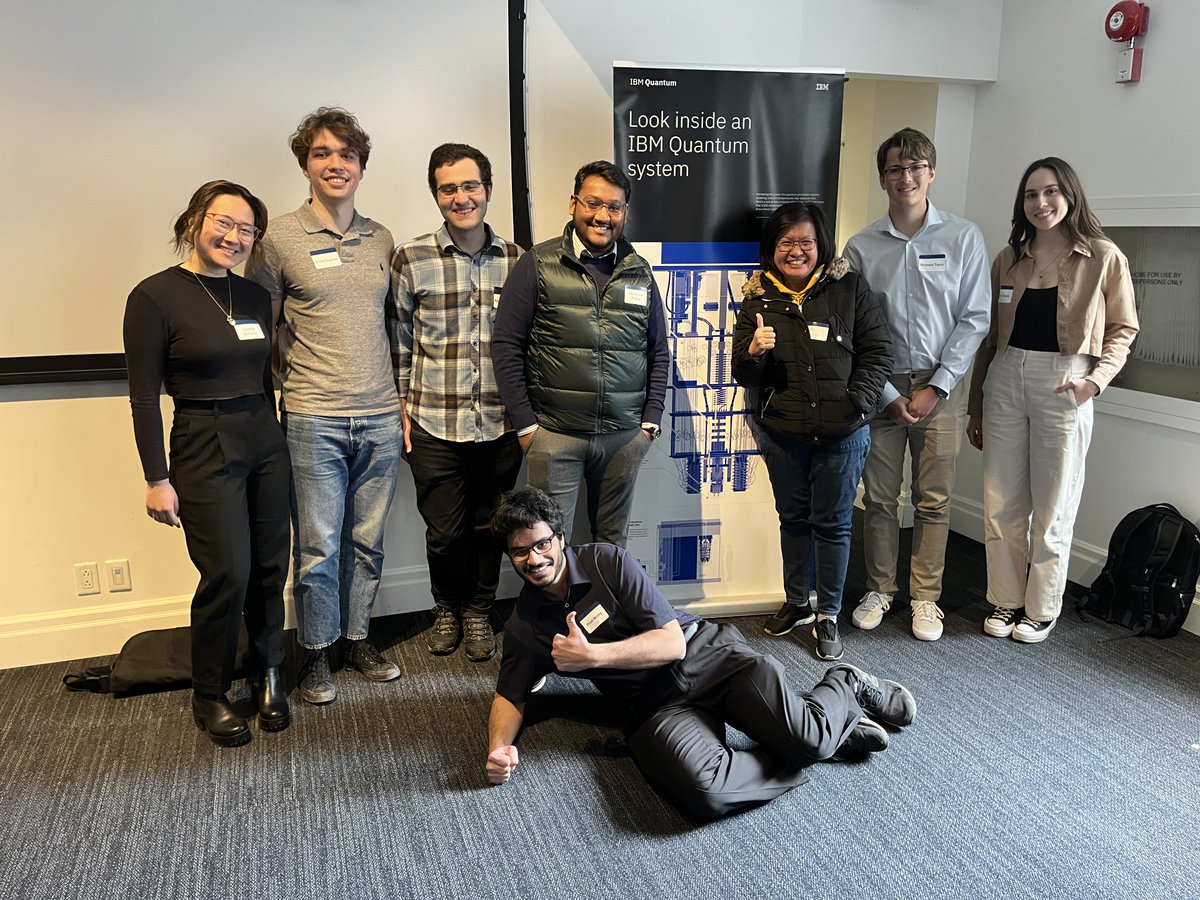
We collaborated with IBM to help bridge the 'Academia-Industry gap' alongside PINQ2 and SOSCIP.
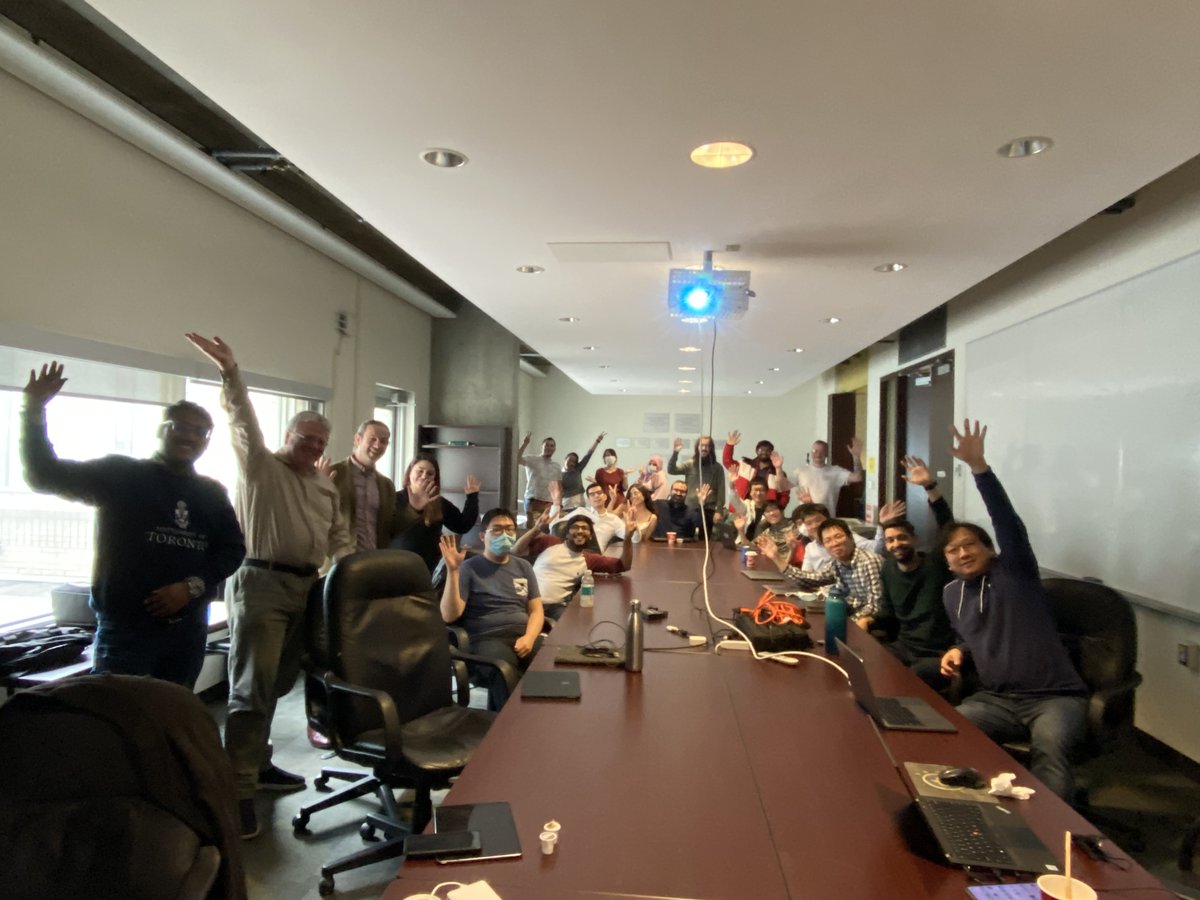
This conference brought 80 people to #uoft, from students and industry leaders, to discuss #quantumcomputing research opportunities💡
Read more: https://t.co/G8RLqv0YU8
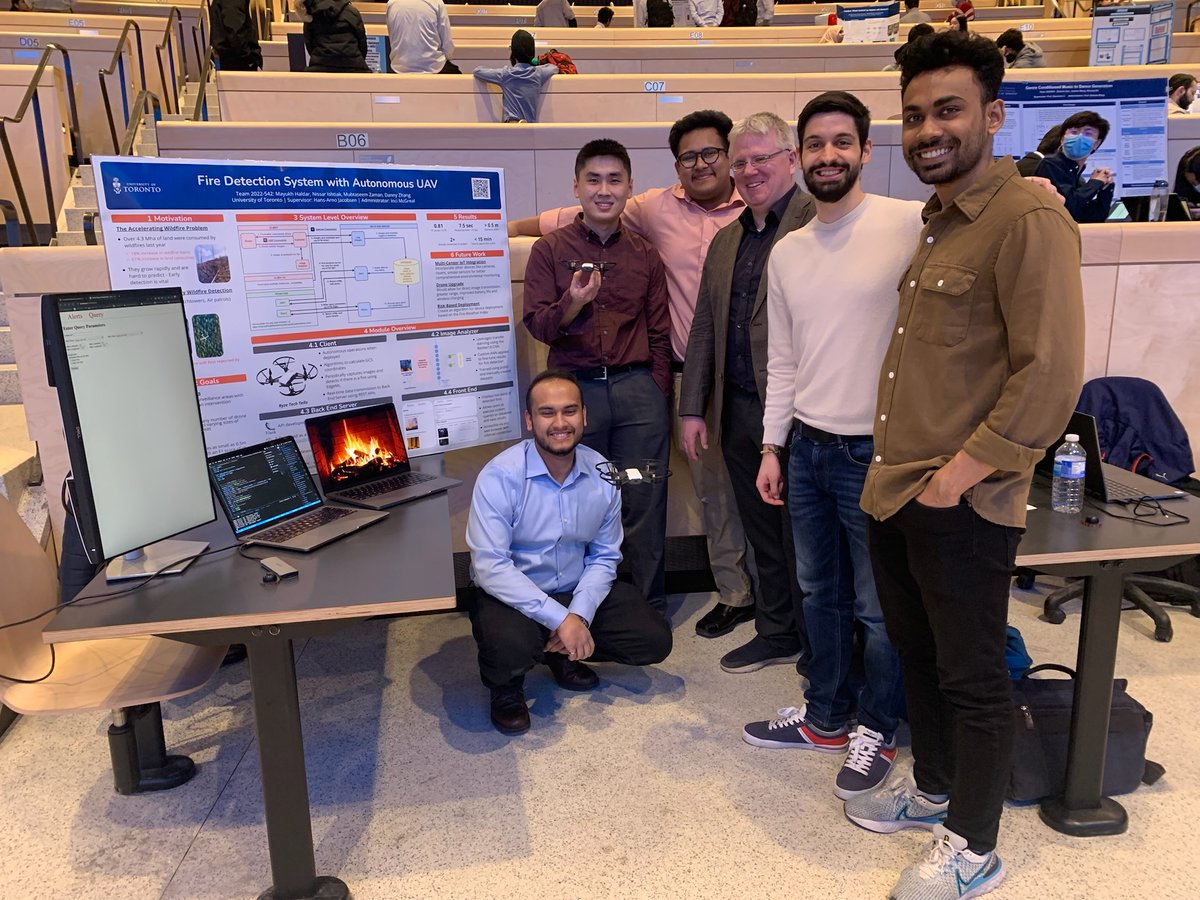
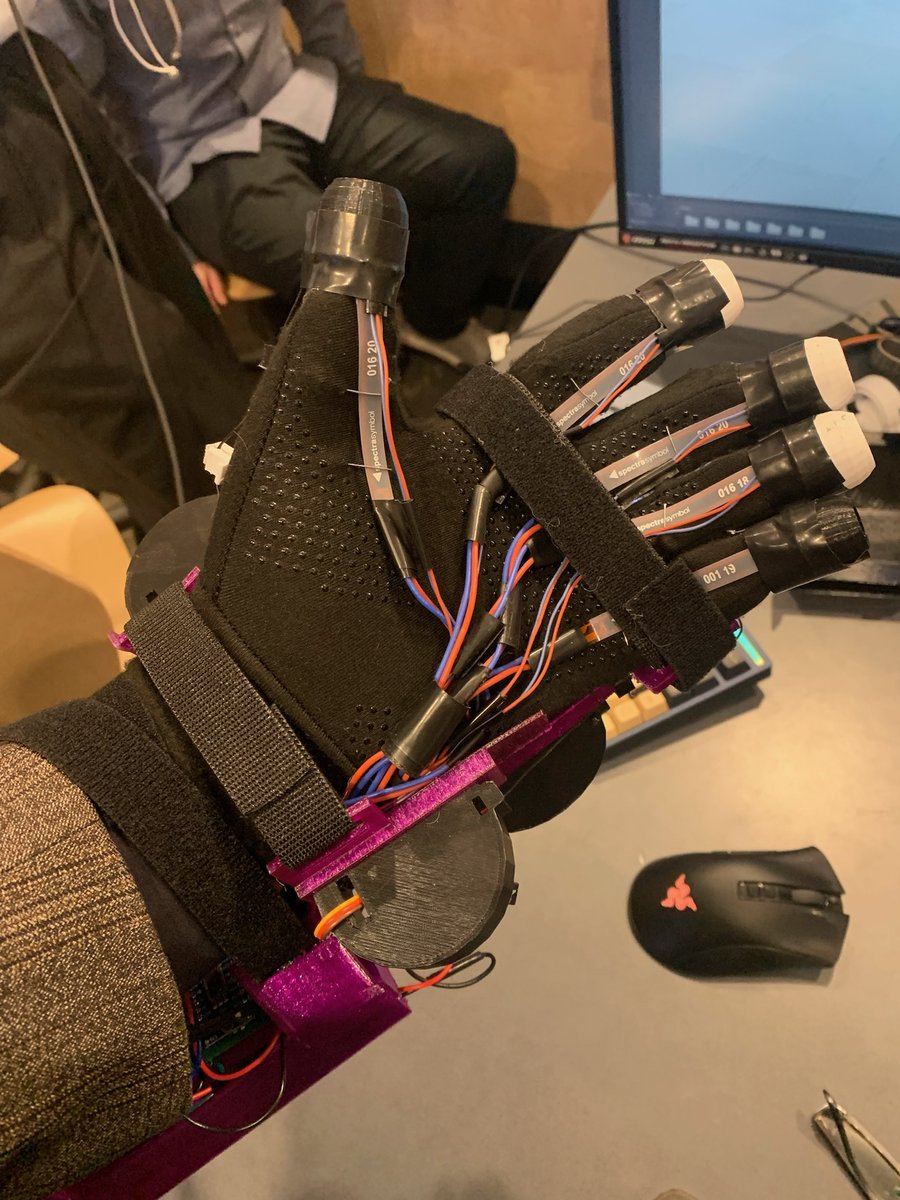
Congratulations to all the 4th-year undergraduate students who completed their Capstone Design Projects at the @uoftengineering 2023 Design Fair! This year, MSRG’s projects included a writing robot powered by AI (1/2)
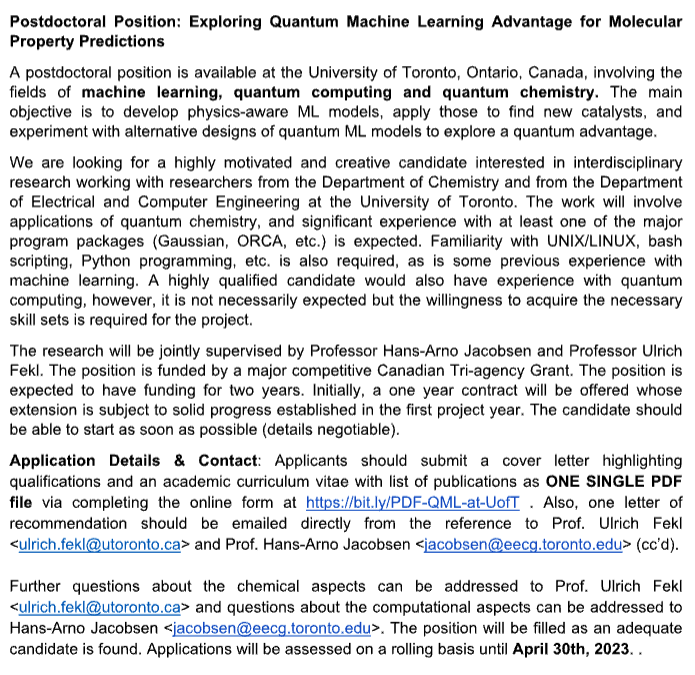
⭐��� We are Now Hiring for a Postdoctoral Position!
Exploring #Quantum #Machine #Learning Advantage for Molecular Property Predictions at @eceuoft / @chemuoft (@UofT).
Please see attached image for more information.
Apply here ➡️ https://t.co/FwzOMOrP1F
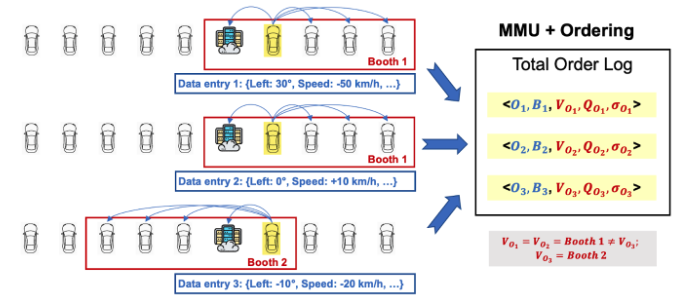
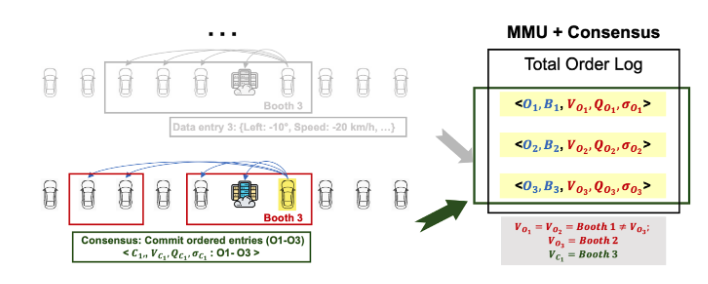
The integration makes V-Guard achieve consensus seamlessly under changing members while producing an immutable ledger of data transactions with their membership profiles. Check out the paper at: https://t.co/8Wg7wpaBb7
Check out our latest work on consensus algorithms: the VGuard project!
V-Guard proposes a high-performance BFT algorithm that operates under dynamically changing memberships, targeting the problem of vehicles' arbitrary connectivity on the roads.
https://t.co/DSkSwj8MWK
In the event of membership changes, traditional BFT algorithms must stop ongoing consensus and update system configurations, thereby suffering from severe performance degradation. In contrast, V-Guard integrates the consensus of membership management into data transactions.
Training DL models like neural networks requires millions of data points to attain good generalization. This is hindering the development of DL models for chemistry as the generation of large training data using accurate QM methodologies has an infeasible computational cost.
Deep learning (DL) can potentially substitute traditionally used expensive quantum mechanical (QM) methodologies in chemistry to predict various chemical properties by offering to generate fast and accurate mathematical models better suited to everyday computers.
Chemical property predictions using quantum machine Learning is a highly relevant topic at the intersection of machine learning, quantum algorithms, and chemistry. This project will focus on how chemical properties can be predicted with the help of quantum computers.