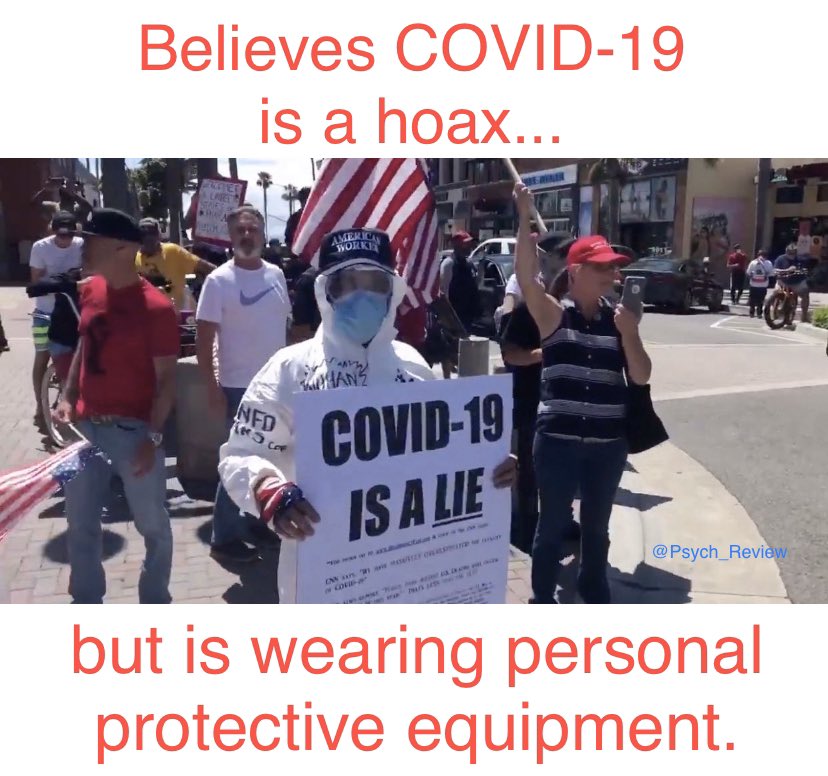
"Dissonance is most painful when evidence strikes at the heart of how we see ourselves—when it threatens our belief that we are kind, ethical, competent, or smart," writes Elliot Aronson and Carol Tavris: https://t.co/FQIbYKpIYP
Parents and families, thank you for taking time to provide your thoughts on the return to learn survey sent out earlier this week. As expected, health and safety measures are top of mind for everyone, including all… https://t.co/lfY2I2wtoD
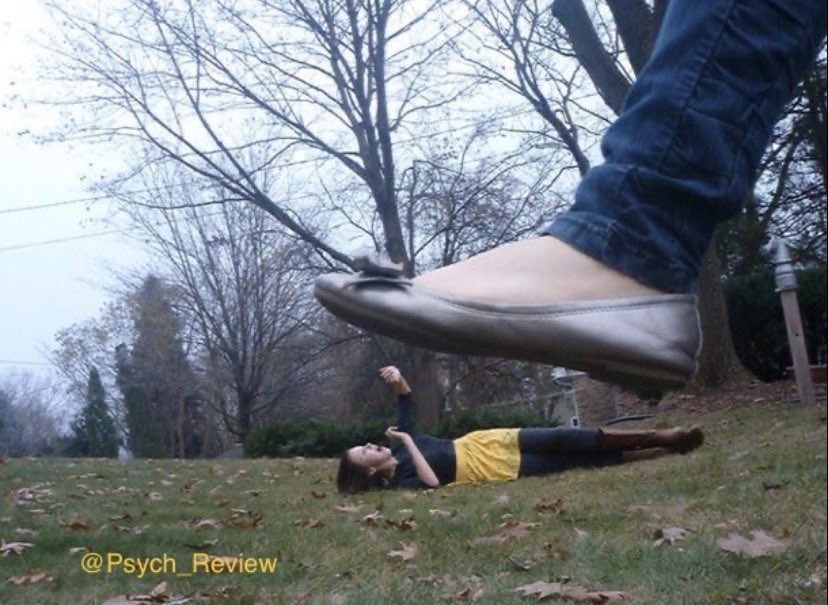
Relative Size: A monocular depth cue. If we assume two objects are similar in size, most people perceive the one object that casts the smaller retinal image to be farther away.
Weber's Law: The principle that to be perceived as different, two stimuli must differ by a constant minimum percentage rather than a constant amount.
@BradWray has a great video explaining absolute and difference thresholds, and Weber's law! https://t.co/sNRRVx2oKa
Retinal Disparity: When both eyes focus on an object, the different position of the eyes produces a disparity of visual angle, and a slightly different image is received by each retina. The images are compared and provide an important cue to depth perception.
Cognitive Dissonance: The state of having inconsistent thoughts, beliefs, or attitudes, especially as relating to behavioral decisions and attitude change.
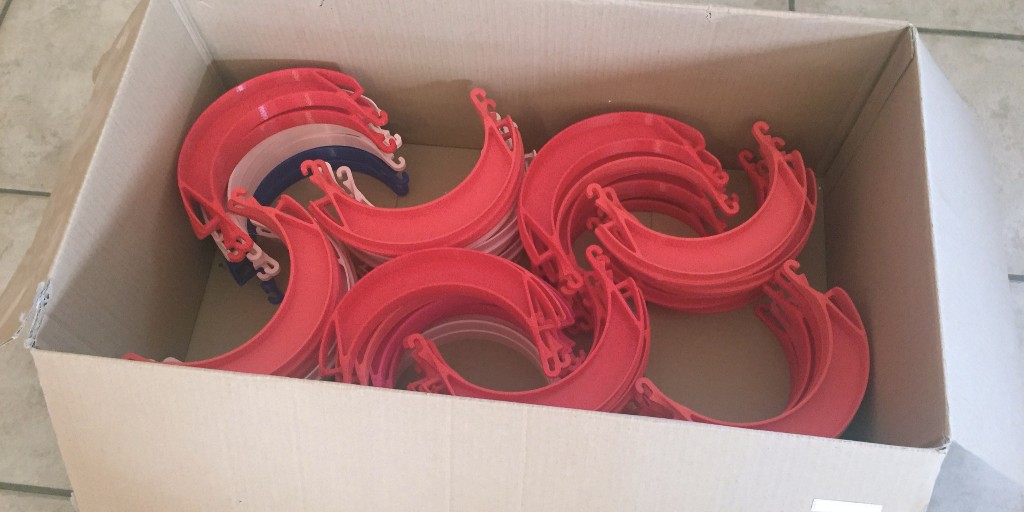
Mr. Niemitalo, a science teacher & robotics coach at LM HS made 175 visors for healthcare providers. He set up a 3D printer at home & may work next on making masks more comfortable around the ears. Thank you Dan #wearelinnmar because of teachers like you. #staysafe#staypositive