Talking with a bank leadership team about their IT admin…
Always working. Nights, weekends, no real time off.
That’s not dedication — that’s a recipe for disaster.
Co-managed IT isn’t about replacing people.
It’s about making sure one person isn’t carrying the whole operation
Had a conversation this week where an employee reported a suspicious email… and it was nothing.
That’s actually the goal.
Security awareness isn’t just training—it’s creating a culture where people feel comfortable speaking up early.
That’s how you reduce real business risk.
Most financial institutions don’t need to add to or replace IT. They need to reinforce it.
Co-managed services = more capacity, better coverage, and fewer stalled projects—without adding headcount.
Weekend outage with a client
Systems recovered. Business back online.
The most valuable part? The lessons learned conversation. Business continuity isn’t a document — it’s a process that improves every time you test it in the real world.
#OperationalResilience#BusinessContinuity
Something I keep seeing with internal IT teams:
They’re not short on skill.
They’re short on capacity.
Support, security, compliance, vendors, cloud, backups, users.
That’s a lot for a small team to carry while also trying to improve the business.
What others are seeing?
A company paid a routine invoice from a trusted vendor.
Turns out the vendor’s email had been compromised.
The invoice was fake. Payment instructions were changed. Money went to the attacker.
Cyber risk increasingly moves through trusted relationships, not just direct attacks.
Something I’m seeing right now:
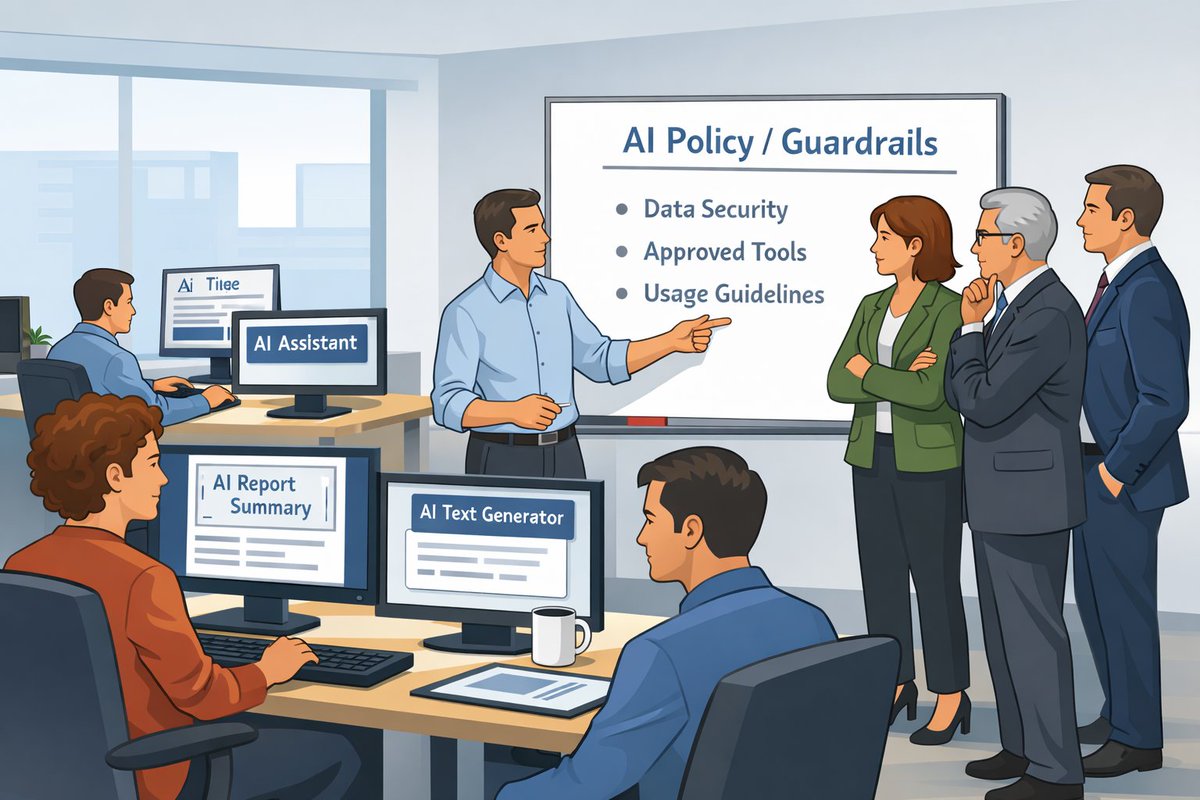
AI adoption is happening faster than AI governance.
Employees are using tools to save time — writing, summarizing, analyzing. The productivity gain is real.
But most companies haven’t defined policies yet.
AI isn’t the risk. Unstructured use is.
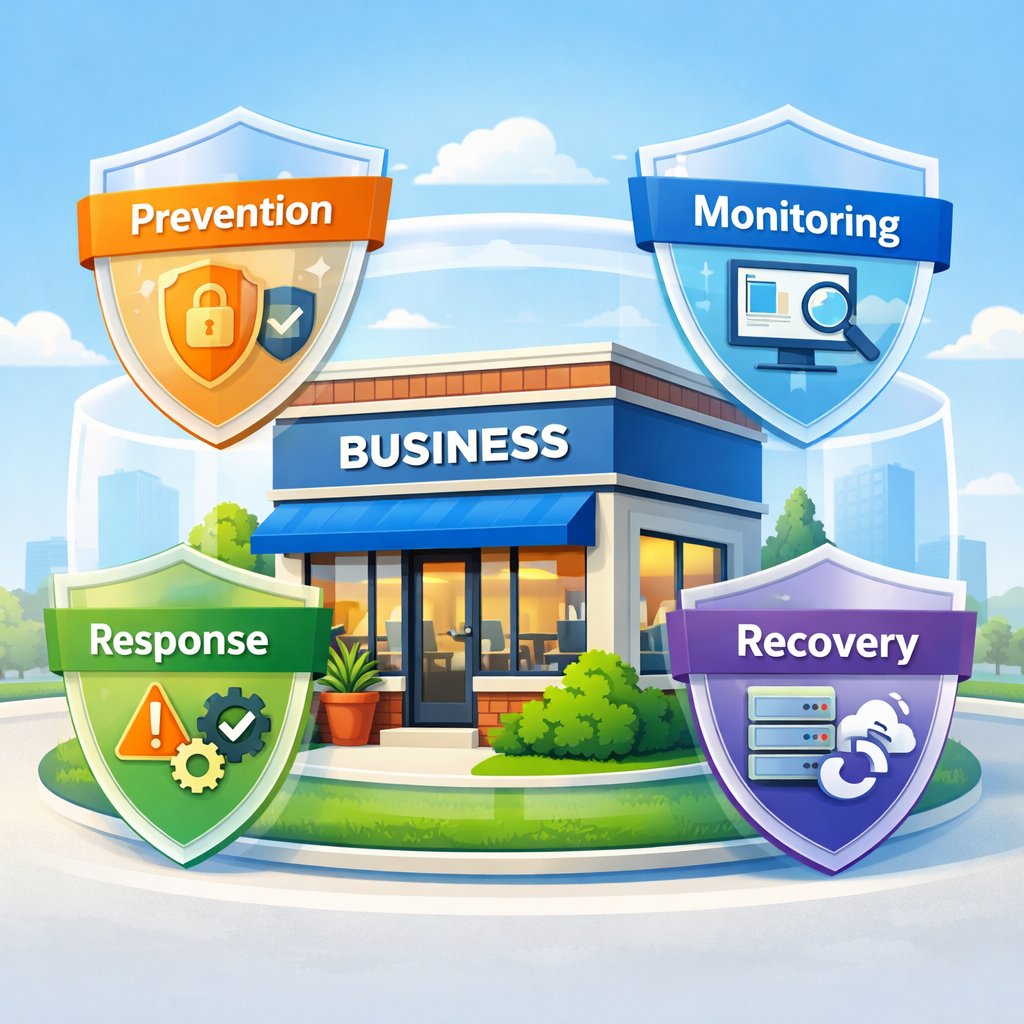
Most SMBs already have some cybersecurity tools.
Firewall. Antivirus. Email filtering.
But here’s the question that changes the conversation:
How quickly would you know if something slipped through?
If it helps, I’m happy to share a simple layered cybersecurity checklist
Your new server might arrive after your next vacation.
30-day server refresh? Now 90–180 days.
Pricing changed twice before lunch.
This isn’t a supply issue. It’s a planning issue.
If your server fails and lead time is 4 months — that’s business risk.
Plan ahead.
Shout-out to Autumn from Moosejaw Customer Service. But like, just know I'm not really shouting, I'm just very pleased. I save actual shouting for when I see things with more than 4 legs. @MoosejawMadness #LoveTheMadness
We believe a bicycle should be a vehicle of freedom, independence, and progress. So today we stand, committed to those values.
We speak up so that racism has no place in our future.
To empower our riders.
To empower our employees.
To empower each other.