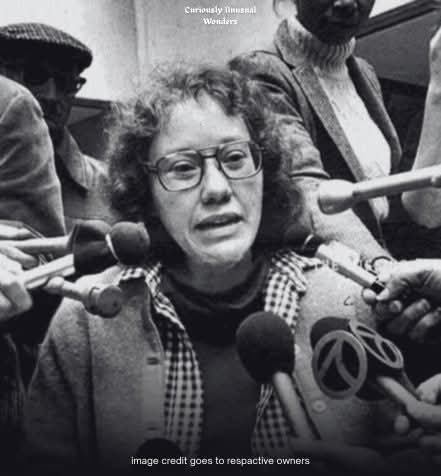
It wasn't illegal to forcibly sterilize someone in Canada until...
...a few hours ago.
I wonder if APTN will be the only news outlet to report on this.
https://t.co/U3LbGbt1Lp
I don’t think one can live a dignified life in Canada on $500/month.
Our call is in line with disability justice activists, who are demanding $2150/month, closer to the pandemic-era CERB.
But yes, @princessrott, disconnecting the CDB from the tax credit is essential.
watching the documentary Code Of Misconduct it’s clear that the acquittal of Hart and four others does not mean innocent. and, pro hockey has long covered up sexual abuse and allowed the depraved hazing of rookies. obviously, Carter Hart was wrong to have even been in that hotel room. victim E.M. was cross examined for 9 days, re-traumatized. @cbc@friedgehnic : @nhl needs to adopt a clear moral code—of respect. 🏒
The first woman elected to the Saskatchewan legislature was Sarah Ramsland in 1919. 107 years later, a washroom has finally been installed for women MLAs.
I’m provincially and federally recognized as permanently disabled. Meaning my disability must be severe, prolonged, and greatly hinder my earning ability. I receive $1404 per month. That is the sum total of all provincial and federal benefits for which I qualify. $1404 to pay rent, utilities, transportation, groceries, medications, and clothing.
Not only did the Liberals Canada Disability Benefit miss the mark by a mile to lift disabled Canadians out of poverty. This July that benefit will get a rate of inflation increase of $4 on the max benefit amount. Let me repeat that......$4!! @MarkJCarney@PattyHajdu
Nobody on disability should receive less than the CERB benefit everyone received during COVID. It is an absolute shame that Canadians with disability benefits only live under poverty lines.
AISH is very difficult to get and requires doctors to submit extensive medical forms that costs patients money to obtain. It often requires multiple appeals. Danielle is accusing doctors of fraud and punishing all disabled people based on her unqualified opinion, not facts.
The FBI cut the phone lines during the 1977 disability rights sit-in. Then they turned off the hot water.
They locked the doors from the outside. One hundred and fifty people were trapped on the fourth floor. Half of them used wheelchairs. The government assumed they would leave.
Kitty Cone was thirty-three. She had muscular dystrophy. Her muscles were failing, but her logistics were flawless. She knew how to organize people.
The federal government had promised to sign regulations protecting disabled Americans from discrimination. The policy was known as Section 504. They printed the promise on paper. Then they stalled. Without a signature, it was just typography.
The protesters entered the regional Health, Education, and Welfare building in San Francisco on a Tuesday morning. They took the elevators to the director's office. They brought sleeping bags and catheters. They informed the staff they were not leaving until the law was signed.
By sunset, the police surrounded the exits. Kitty sat near the windows. She organized the floor plan. She assigned committees for security and sanitation. She kept her medication in a small cooler.
According to federal memorandums released decades later, the strategy to end the occupation relied on medical attrition. The building was not equipped for long-term habitation. The FBI calculated that a population requiring ventilators, specialized diets, and daily medical aides would voluntarily evacuate if the environment became sufficiently hostile. They instituted a blockade.
The blockade went into effect immediately. No food deliveries allowed. No medical supplies permitted through the lobby. Guards stood at the main doors checking identification.
Kitty's muscles deteriorated faster under the physical strain. She couldn't walk. When the phone lines went dead, the fourth floor lost contact with the press. The government waited for the quiet.
Kitty dropped to the floor. She realized the barricades were designed for standing adults. The police had blocked the hallways at waist height. They hadn't blocked the linoleum.
The floors were covered in cigarette ash and spilled coffee. She dragged her body through it. She crawled under the barricades to reach the restricted elevator shafts and unguarded offices.
She carried notes in her pockets. She found a single working payphone the FBI missed. She called the local news desks. She called the mayor's office.
She crawled back. When her arms failed, someone pulled her by her ankles. The Black Panthers heard the news reports. They crossed the police lines with hot meals. The FBI could not stop them without a riot.
They shut off the elevators, so she crawled.
The occupation lasted twenty-five days. It remains the longest non-violent occupation of a federal building in American history. On April 28, the Secretary of HEW signed the regulations without a single alteration.
The protesters left the building the next morning. They went back to their apartments. The Rehabilitation Act regulations laid the groundwork for every accessibility law that followed. The HEW building still stands on United Nations Plaza. The elevators run on a schedule. The doors are heavy glass.
Kitty Cone: the woman who crawled under the barricades.
What this article (and so many others) don’t say is while earnings exemptions under ADAP went from $350 in the original proposal to $700, the CURRENT earnings exemptions for AISH is $1072. ADAP is $200 less per month AND takes MORE money from disabled people.
““People with disabilities who are suffering are being offered death, as opposed to what they might need to alleviate their suffering,”
A system that offers death in place of supports to its citizens, is a failed one. #T2MAID#MAID https://t.co/2NVzpHefj5
Ginny Williams made history at the 1986 British Grand Prix when she stepped onto the Formula 1 podium to collect the Constructor’s Trophy - becoming the first woman ever to do so 🏆
Over the next 10 days, we’ll highlight every woman who has stood on the F1 podium 💜
"We can bring a menu outside to you, and you can wait and we'll bring your meal out to you." That's what a taco place in a trendy shopping district told me on a chilly fall day. Other people were going inside where it was warm and enjoying their meal there. My only option was to wait outside and eat my tacos in the cold. I declined. Nobody wants to sit out on the sidewalk in the cold eating their taco.
It's not that I was dressed inappropriately or smelled bad. I wasn't drunk or unruly. It wasn't even the service dog quietly sitting beside me. The reason I couldn't go in was that there was a single small step in front of the door and no way my power wheelchair could get up it. A portable ramp would have easily mitigated the situation, but the restaurant wasn't required to have one so they didn't. If any member of another marginalized community was told they needed to stay outside, there would be protests and people would be up in arms. But here it's seen as completely acceptable when it comes to people with disabilities.
There's hundreds, maybe thousands, of buildings like this in our city that are off limits to people like me. This week our Alberta government voted on accessibility legislation that coulda have changed that by making reasonable attempts to remove barriers a requirement, like in this case, having a portable ramp. The entire UCP party voted no. Instead of voting yes to making our province more accessible, they voted to continue segregating people with disabilities when there are reasonable alternatives to include them.
This legislation wouldn't have meant small businesses needed to spend mass amounts of money to completely rebuild their locations. Not every place can become completely barrier free. Legislation would have meant making efforts to do feasible things to remove barriers and have staff trained on how to provide accommodations. Things like a portable ramp, or a large print paper menu at the coffee shop whose menu is written on a chalkboard that could be difficult for some people to see. It might mean the next time the lines in a parking lot are repainted, the accessible stalls need to be brought up to current standard. Most people have no idea how inaccessible many things are until one day they become disabled and suddenly even accessing essentials becomes a huge challenge. It would have taken decades, but this legislation would have started the ball rolling to address a lot of these issues.
This isn't just about not being able to get tacos though, it also means job opportunities. Up to 70% of the built environment has major barriers. In these places you will find accountants, insurance agents, small retail shops, and a variety of other businesses and services. Sure, the Human Rights Act says there is a duty to accommodate to the point of undue hardship, but that means instead of having a plan in place and offering accomodations, people with disabilities are left to ask, plead, or beg. When told no, the only recourse is a Human Rights Complaint which can take over a year before they even advise if they accept your complaint, and likely another year or so before it's addressed. Because of this, most times it's easier to just go without than trying to negotiate for that accommodation.
At some point everyone becomes disabled, even temporarily. That shouldn't mean that you suddenly become a second class citizen. But this week our government re-iterated that it's more acceptable to have a disabled person left outside than it is to require a business to get an inexpensive threshold ramp. I really try hard to be independent and be productive, but it's really freaking hard. I suspect the majority of those that voted against this bill wouldn't have the resiliency to cope with a significant disability if it hit them.
But enough said. This second class citizen has dogs to train and obedience trials to get ready for because despite being disabled, I'm dedicated, talented and good at this.
-Admin
We've gone down this road before
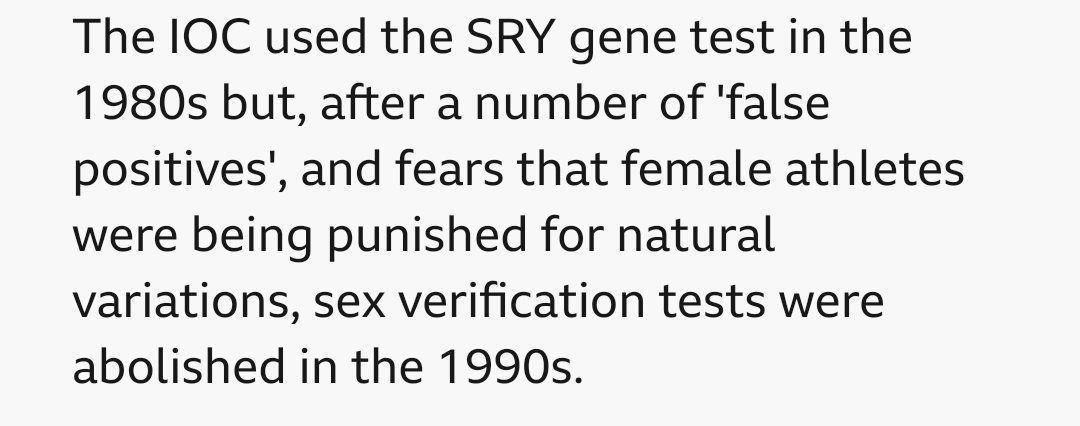
It's more likely that women who may not even know their SRY gene is "male" will be banned and forced into public scrutiny.
Biology is never black and white, it's a spectrum and will always be so. Just ask any competent biologist.
Forcing disabled people who cannot work to live in permanent crisis isn’t just bad policy, it’s cruelty dressed up as “fiscal responsibility.” Charity isn’t a safety net. It’s random luck. And no one should have to rely on luck to eat. People deserve stability.
We should force these politicians to actually try to live on what they provide the disabled to live on, with all the barriers we have to deal with.
It's ridiculous that it's been thousands of days since they said they would lift PWD out of poverty but haven't done anything. #CDB