Hospitals have long been community cornerstones. How have recent healthcare shifts changed that reality? Read: https://t.co/zG2h8Nw6YU #Healthcare#Hospitals#HealthPolicy
Bedside 🫀ultrasound can quickly estimate LV function using EPSS (E-Point Septal Separation).
In this talk I cover:
👉 How to measure EPSS
👉 How to interpret results
👉 Pitfalls to avoid
🎥 Full lecture: https://t.co/PucYLZj6Tw
#POCUS#EmergencyMedicine#FOAMed#ultrasound
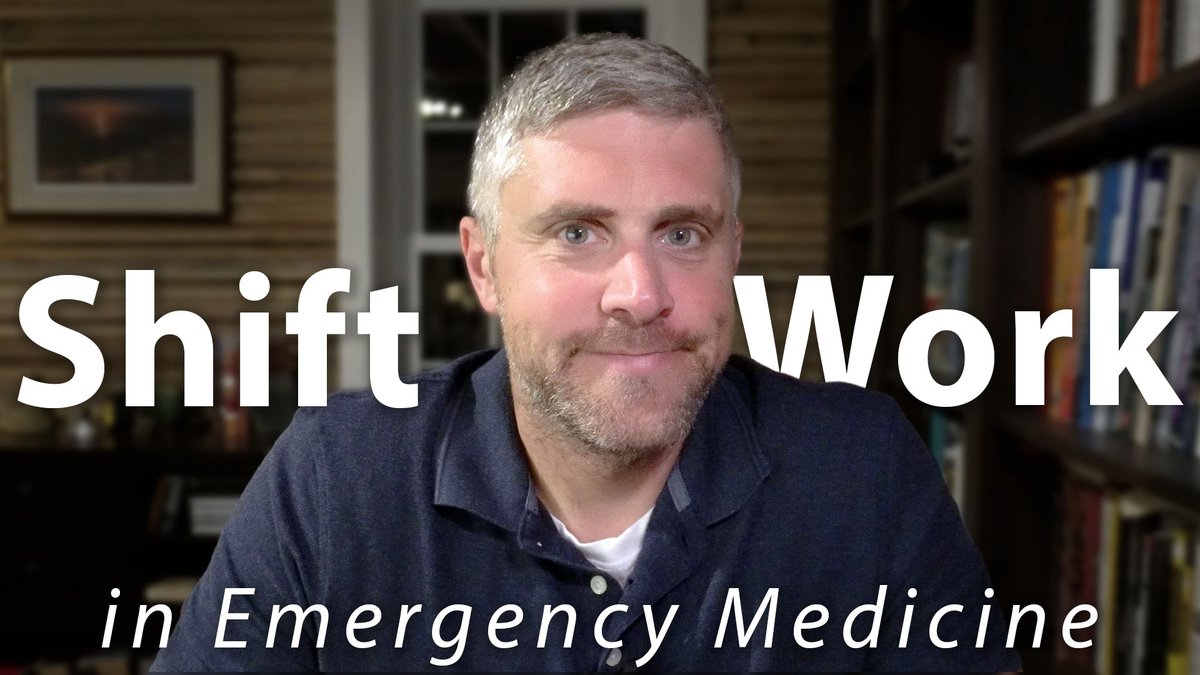
🚨 New video: “The Truth About Shift Work in Emergency Medicine”
I break down the pros & cons of EM shifts — plus strategies I use to survive & thrive in unpredictable hours.
Watch here 👉 https://t.co/tL6tPJ5izs
#EmergencyMedicine#ShiftWork#DoctorLife
Kicked off our Fall Ultrasound Grand Rounds with a talk on how POCUS changes patient care. 🚑🔦
I shared real cases + bedside teaching pearls for physicians using ultrasound in the ED.
Watch here 👉 https://t.co/lrmoPORxAu
#POCUS#FOAMed#MedEd#Ultrasound
What happens after you finally achieve your biggest goals—like finishing medical school, residency or landing your dream job? In this video, I share my journey as a physician navigating the “now what?” moment after years of training.
https://t.co/7yqyhVvPoP
On our recent trip to the mountains I was reflecting on priorities and rest. Here are some thoughts that I find helpful about balancing the priorities of home and professional pursuits.
https://t.co/Wn8iZFju32
#mountains#priorities#rest#medicine#family#life
It was great to be a part of the NEO Critical Care Ultrasound fellows course this week teaching about bedside DVT ultrasound. What a great bunch of new fellows eager to care for patients in northeast Ohio!
#medEd#POCUS#Ultrasound#NEOPOCUS#criticalcare
Recently finished reading 'Blind Spots' by Dr. @MartyMakary. It’s an eye-opener on healthcare quality and the dangers of groupthink in medicine and a must read for physicians. Check out my review:
https://t.co/DrjxMYOgM0
#BookReview#Healthcare#quality#medicine#EBM
Drowning in digital distractions? Me too, and I made the move to analog productivity! 📓✍️ Check out my latest blog post to explore 5 key benefits of using pen and paper. https://t.co/z3ZHOpX2AB #Analog#Productivity#WorkLifeBalance
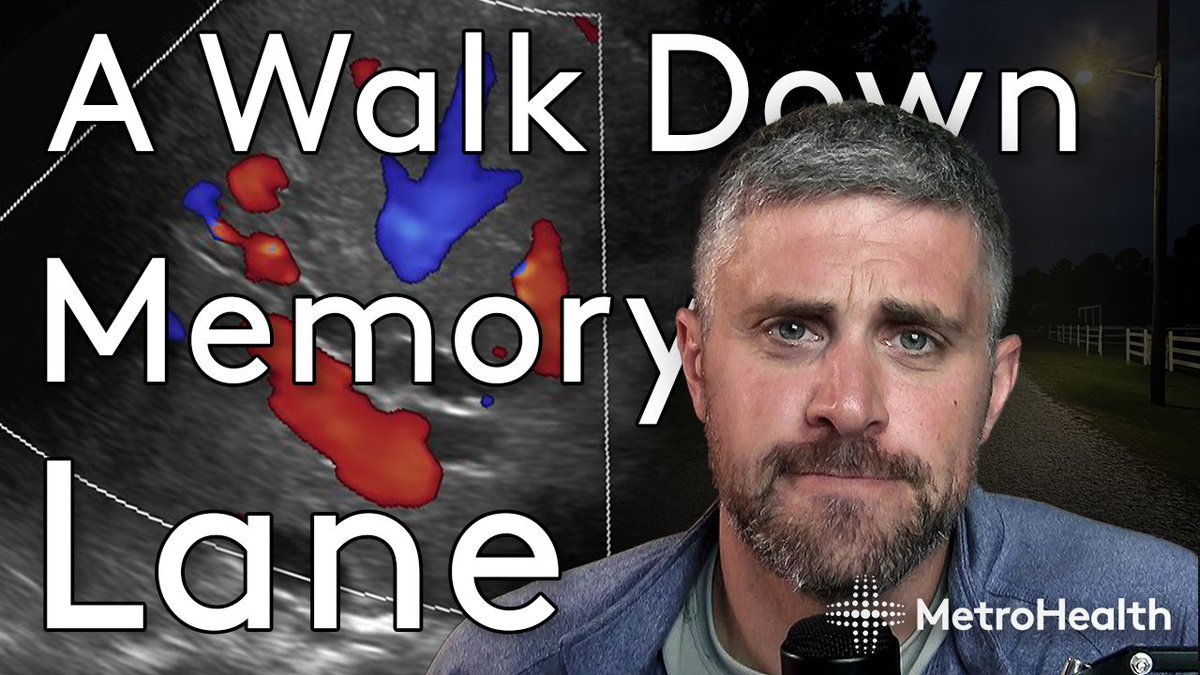
🩻 Learn how to perform a DVT ultrasound at the bedside. In this ED/Critical Care focused guide, @mtabbut breaks down technique, key landmarks, and common pitfalls you don’t want to miss.
🎥 Watch here: https://t.co/ytoOQsow1g
#POCUS#FOAMed#Ultrasound#MetroEUS
Interesting article about vaccine hesitancy. To reach and teach patients we need a healthy dose of humility and compassion - not just a list of facts.
https://t.co/NhHpuksfKt
I had a great time teaching the PA students at @cedarville about Emergency Medicine. It was an honor to be invited! Good luck as you embark on the clinical phase of your training.
Forgive me.
Emergency medicine is at an inflection point.
The world changed. The systems cracked. The silos failed.
And the question now is: who’s going to step into the space between them?
We’ve been trained to stabilize and move on. But what if our greatest value now isn’t just what we do in the trauma bay—it’s our ability to connect the dots between specialties, systems, and patients who don’t fit cleanly into anyone else’s box?
We’re not just responders. We’re the last generalists in a hyper-specialized world. And that makes us essential—if we’re willing to evolve.
I was talking to residents today about vertigo. The classic EM riddle: central or peripheral? Dix-Hallpike or MRI? Neurology or not?
We’ve spent years trying to optimize this—algorithms, risk scores, red flags—but we’re still mostly guessing, and our outcomes haven’t meaningfully improved.
Why? Because the problem isn’t diagnostic precision—it’s systemic fragmentation.
These patients don’t need a 10-minute dispo. They need continuity. They need someone who sees the terrain, not just the chief complaint. And that someone could be us—if we stop pretending our job ends at disposition.
The pandemic shattered the illusion that medicine was a smooth machine. It exposed every crack: access, communication, follow-up, bias, burnout. But it also created a once-in-a-generation chance to redefine our field.
We are no longer just gatekeepers to admission or discharge. We are uniquely positioned to observe what doesn’t work—and propose what might.
Emergency physicians see the seams where systems don’t connect. We feel the weight of patients who don’t belong to anyone. That’s not a burden. It’s a responsibility. Maybe even a privilege.
I’ve heard the objections. Caught the arrows from those who would claim this to be “not our job”—I hear the same thing: a desire to stay inside a role that’s rapidly becoming obsolete.
But here’s the truth: the future of EM isn’t small. It’s not about “knowing your lane.” It’s about being the bridge. The synthesizer. The person who sees across domains and says, we can do better than this.
You’re not training to be just a proceduralist or an admission broker. You’re training to become the kind of doctor who makes the system itself more coherent.
Yes, this is harder. It’s uncomfortable to take ownership of things we weren’t trained to fix. It feels safer to defer, to refer, to say “not my job.”
But if we believe in the value of emergency medicine—not just as a specialty but as a mindset—then we have to be willing to let it grow. We have to pick up the cases no one else wants. We have to tolerate ambiguity. We have to lead.
You want to know what makes a great emergency physician in 2025?
Not just fast hands or encyclopedic knowledge.
It’s the willingness to carry complexity. To stay in the messy middle. To lead from the seams.
What does it mean to live excellently? Aristotle and Aquinas offer profound insights on pursuing our purpose. Check out the full discussion: https://t.co/869KzL7dP8 #Excellence#Philosophy#Purpose