PhD Students - Use this FREE tool to analyze data in 10 seconds.
This tool is used by more than 500,000 researchers.
1. Go to https://t.co/W2KbsA4A3Q
2. Click on attach file to upload your data file.
3. Write your prompt for data analysis.
4. E.g., generate graphs for exploratory data analysis.
5. AnswerThis will generate variety of graphs for you.
6. It also generates an insightful data analysis report.
You can download the graphs and the report.
Try AnswerThis today. It’s FREE.
https://t.co/W2KbsA4A3Q
Birilerinin ortaya atıp algı operasyonu yapıp suçladığı”Şenol Güneş çöpleri aldırdı,bla bla bla”söylemlerine maalesef Beşiktaş’ın koltuğunda oturan @SerdalAdali_x da katılarak herşeyden bi haber olduğunu ispatladı!
Buyurun,dinleyin transferleri kim yapmış,yaparmış!
#çaregüneş
Subí 10 papers a NotebookLM.
Me devolvió el análisis que me habría costado una semana.
Le pedí esto:
El prompt exacto:
"Actúa como mi asistente de investigación. Para cada paper, identifica: la pregunta de investigación, el marco teórico, las fortalezas y debilidades metodológicas, la contribución al campo y las limitaciones. Después, compáralos entre sí mostrando contradicciones, lagunas metodológicas y teóricas. Dame una tabla de evaluación crítica y una síntesis escrita."
Resultado: un análisis que normalmente toma días, listo en minutos.
Pero hay un segundo prompt que pocos conocen.
Este organiza toda la literatura por temas y cronología:
"Actúa como mi asistente de mapeo bibliográfico. Extrae de cada paper: año, problema central, teoría usada, métodos y hallazgos. Crea una línea de tiempo mostrando cómo ha evolucionado la investigación. Luego agrupa los papers por temas y escribe una síntesis narrativa que explique qué tendencias emergen y qué huecos quedan por investigar."
Dos prompts.
Una herramienta gratuita.
El trabajo de una semana convertido en una tarde.
La clave: sube papers de calidad. Si la fuente es mala, el análisis también lo será.
¿Usas NotebookLM en tu flujo de trabajo? ¿O tienes otra herramienta para investigación académica?
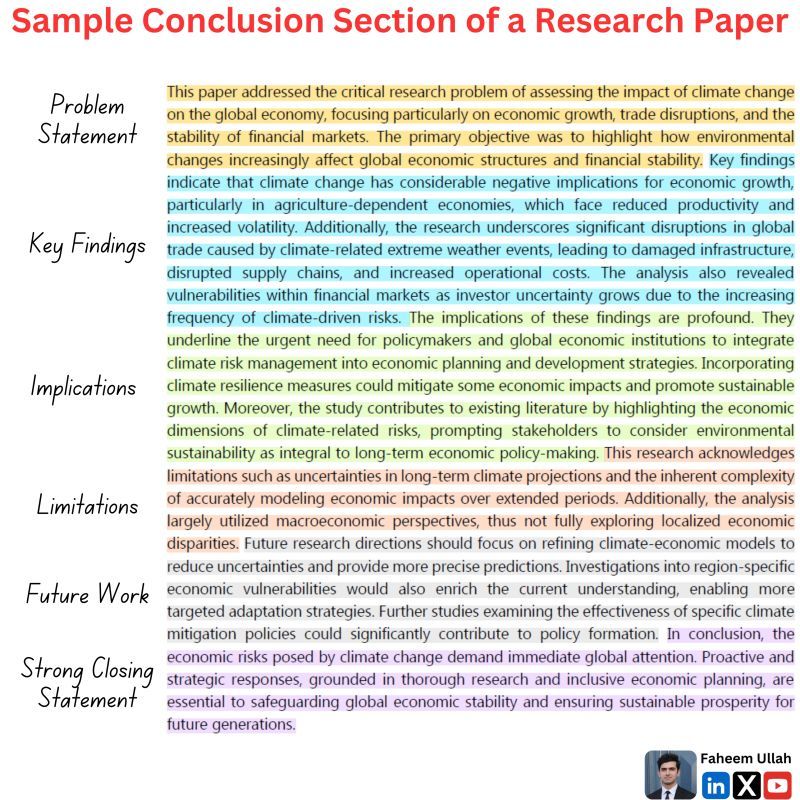
PhD Students - Here is an example of a good conclusion.
A good conclusion should have the following 6 parts.
𝟏. 𝐑𝐞𝐬𝐭𝐚𝐭𝐞 𝐭𝐡𝐞 𝐑𝐞𝐬𝐞𝐚𝐫𝐜𝐡 𝐏𝐫𝐨𝐛𝐥𝐞𝐦
Begin by revisiting the research problem or question that your paper addressed. This reminds the reader of the core focus of your study and sets the stage for summarizing your findings.
𝟐. 𝐒𝐮𝐦𝐦𝐚𝐫𝐢𝐳𝐞 𝐊𝐞𝐲 𝐅𝐢𝐧𝐝𝐢𝐧𝐠𝐬
Provide a brief summary of the main findings of your research. Highlight the most significant results and insights that emerged from your analysis. This should be concise and focused on the most impactful data.
𝟑. 𝐃𝐢𝐬𝐜𝐮𝐬𝐬 𝐭𝐡𝐞 𝐈𝐦𝐩𝐥𝐢𝐜𝐚𝐭𝐢𝐨𝐧𝐬
Explain the implications of your findings. Discuss how they contribute to the existing body of knowledge, their practical applications, or their relevance to future research. This helps to contextualize your work within the broader field.
𝟒. 𝐀𝐜𝐤𝐧𝐨𝐰𝐥𝐞𝐝𝐠𝐞 𝐋𝐢𝐦𝐢𝐭𝐚𝐭𝐢𝐨𝐧𝐬
Address any limitations of your study. Acknowledging these limitations demonstrates academic integrity and provides a balanced view of your research. It also opens the door for future research opportunities.
𝟓. 𝐒𝐮𝐠𝐠𝐞𝐬𝐭 𝐅𝐮𝐭𝐮𝐫𝐞 𝐑𝐞𝐬𝐞𝐚𝐫𝐜𝐡 𝐃𝐢𝐫𝐞𝐜𝐭𝐢𝐨𝐧𝐬
Based on your findings and limitations, propose areas for future research. This can inspire other researchers to explore related questions and expand on your work.
𝟔. 𝐄𝐧𝐝 𝐰𝐢𝐭𝐡 𝐚 𝐒𝐭𝐫𝐨𝐧𝐠 𝐂𝐥𝐨𝐬𝐢𝐧𝐠 𝐒𝐭𝐚𝐭𝐞𝐦𝐞𝐧𝐭
Conclude with a powerful statement that reinforces the importance of your research. This could be a call to action, a thought-provoking quote, or a reflection on the broader implications of your work. Anything you'd like to add?
For more, please subscribe my YouTube Channel.
YouTube Channel Link:
https://t.co/G1tQly0nvM
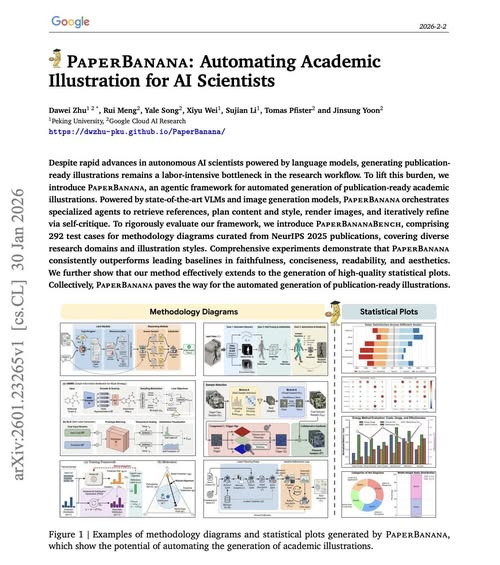
جوجل أطلقت ضربة جديدة اسمها PaperBanana، وهي أداة جديدة تُنشئ رسومات وأشكالًا أكاديمية جاهزة مباشرةً من نص قسم المنهجية الخاص بك. مجانية 100% الرابط https://t.co/16z71kW24d
👇👇
İngilizce konuşma becerini geliştirmek mi istiyorsun? 😊
Bu kolay konuşma dersini izle ve faydalı kelimeler öğren.
Konuşma pratiği yap, cümleleri tekrarla ve akıcı konuşmak için gölgelemeyi dene.🚀 https://t.co/Rt7Llvto7S
#İngilizce#İngilizcekurs#İngilizceDersi
Bir diğeri ise Slowly. Farklı ülkelerden insanlarla tanışmak istiyorsanız pratik yapmak için birebir. Üstelik tanıştığınız insanlarla uzun süreli bağ kurabiliyorsunuz. Bu App sayesinde bir sürü kişi tanıdım birçoğu ile yıllardır görüşüyorum. Gerisi tamamen sizin çabanıza kalmış.
YDS’de çıkan sorular çoğunlukla B2 üstü–C1 bandında; özellikle akademik/popüler-bilim ve sosyal bilim okuma düzeyinde. En sık karşımıza çıkan alanlar da toplum, bilim, sağlık, teknoloji, eğitim, tarih ve kültür. YDS’ye çalışan biri kelimeyi tek başına değil, bu temalarda paragraf okuma becerilerini geliştirmeli. Aşağıda 3 ücretsiz web sitesini bu amaç için tavsiye ediyorum.
1- https://t.co/eB38eKCPQl
2- https://t.co/EZfCrNPYxv
3- https://t.co/9Un3LHuRsj