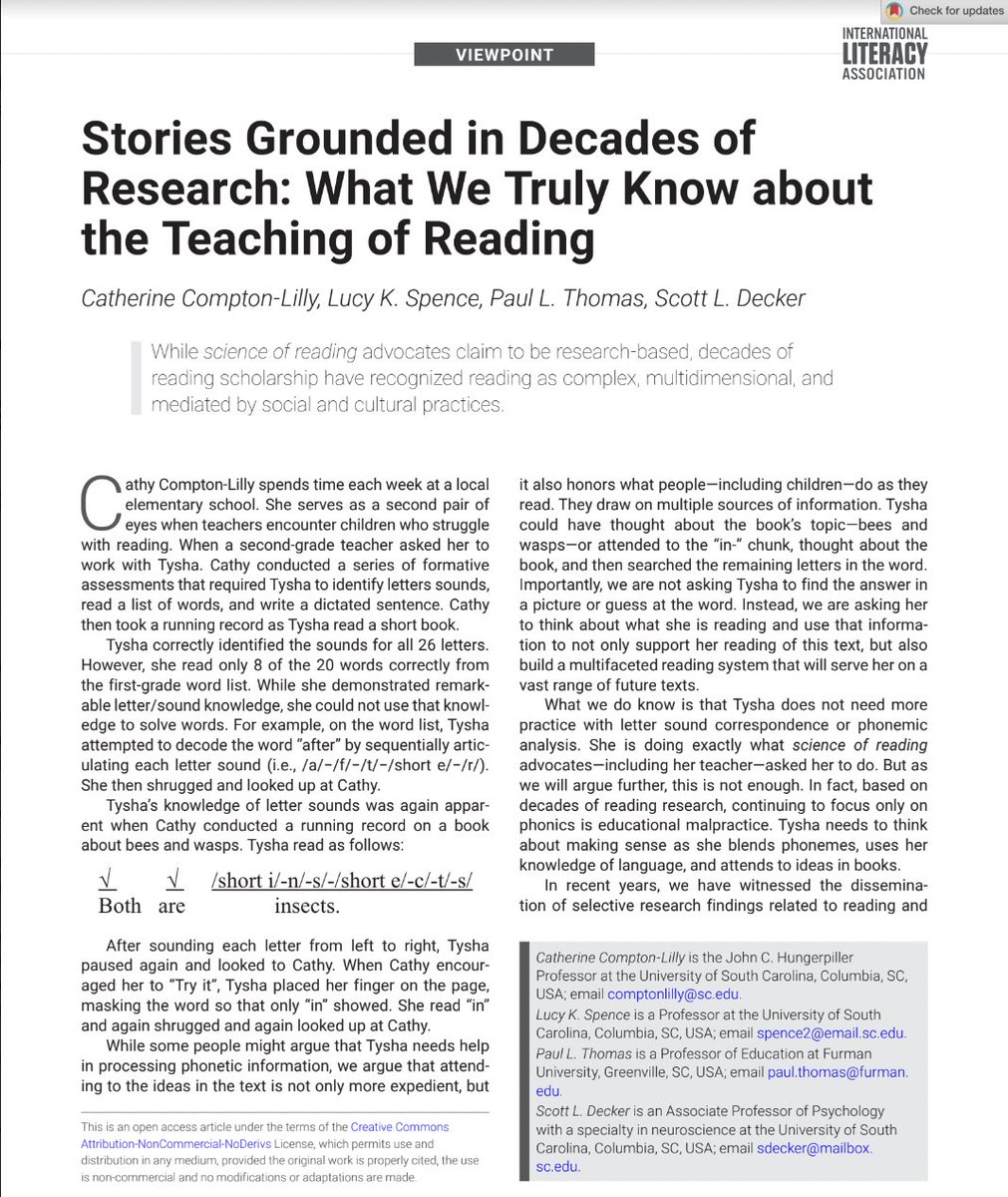
15/ This anecdote of a struggling reader and her teacher being failed by the instructional materials that were provided by their school demonstrates, quite concisely, why our literacy rates are so low.
Wanting to explore more about the science of reading, but not sure where to start? 🤷🏿♀️
Anna Geiger of @measuredmom has created a brilliant, huge curated collection of podcast episodes, organized by topic. 🤓
WOW!
https://t.co/FTVKWvRFJF #sor#scienceofreading
Our colleagues at @Brains_On@APMStudios made an episode for kids about how people learn to read - and why it can be so hard. I hope you’ll listen and share it with kids in your life. Especially kids who’ve had a hard time w/reading. https://t.co/r0z2S6wzXt
What are some #scicomm communities you are a part of?
What are the things you like about them?
I'm doing a small survey to understand how SciCommers and enthusiasts connect and network for learning, opportunities, and collaborations.
Please help me understand by replying & RT
Calling all science journalists from underrepresented communities! @Open_Notebook is organizing a mentorship program just for you! Participants will work towards a concrete, actionable goal and more.
🗓️Deadline: March 17
https://t.co/M92xk187VI
*News!* Today we’ve launched the Sharon Dunwoody Science Journalism Mentoring Program to help increase the diversity of voices covering science + support journalists from underrepresented communities or who have faced higher barriers of entry to the field. https://t.co/FI5pZ4KetI
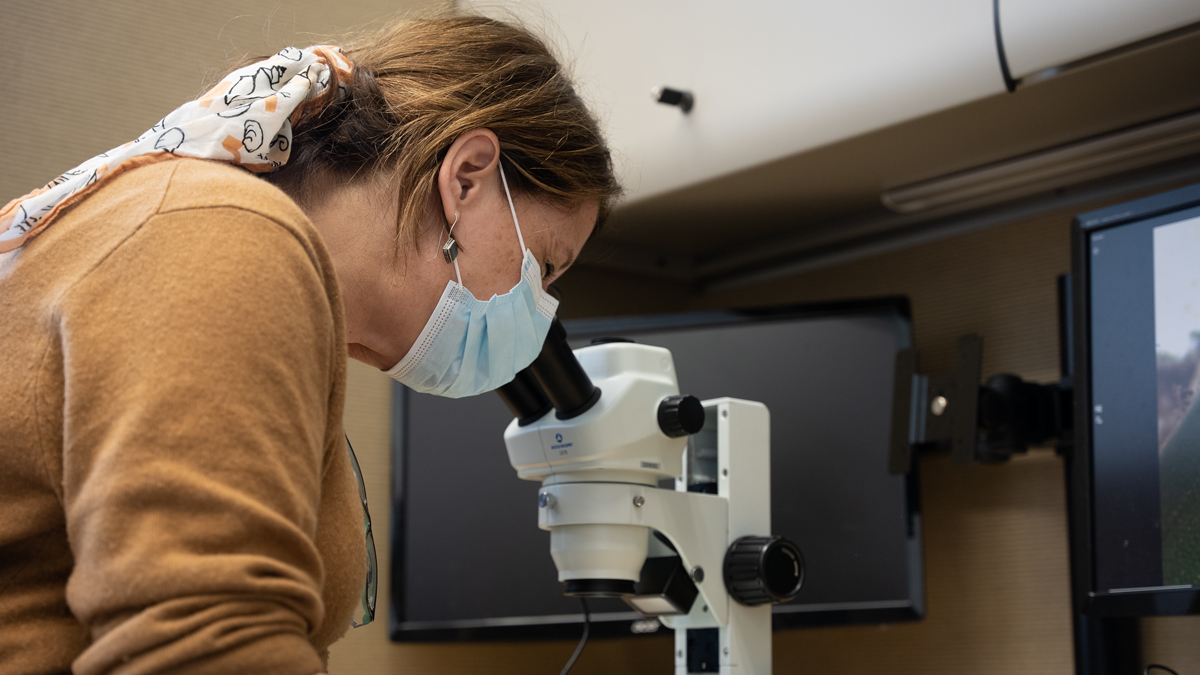
“Diverse perspectives, knowledge and experience are absolutely critical for creative problem-solving and innovation in my field.”
Christina Baer, PhD, explains why diverse perspectives and backgrounds are needed. #WhyDiversity#WhyUMassChan@SCOPE_UMassChan @UMassChanMaPS
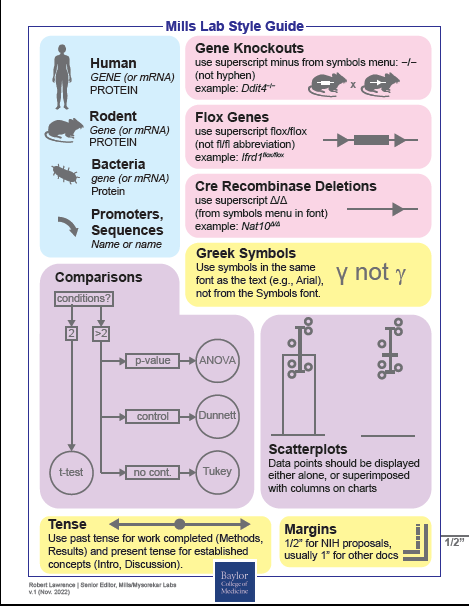
We finally have a lab style guide in both Powerpoint and one-page pdf for pinning up next to your desk. Image of PDF is below. Thousand thanks to @RobLawrencium, editor extraordinaire for putting this together.
Comments?
@SarahBearchell @sophtalkssci@BIGchats I’m a Sci comm professional in the US. Do you think the BIG conference is geared to UK professionals or would it be applicable to people from all over? It looks amazing!
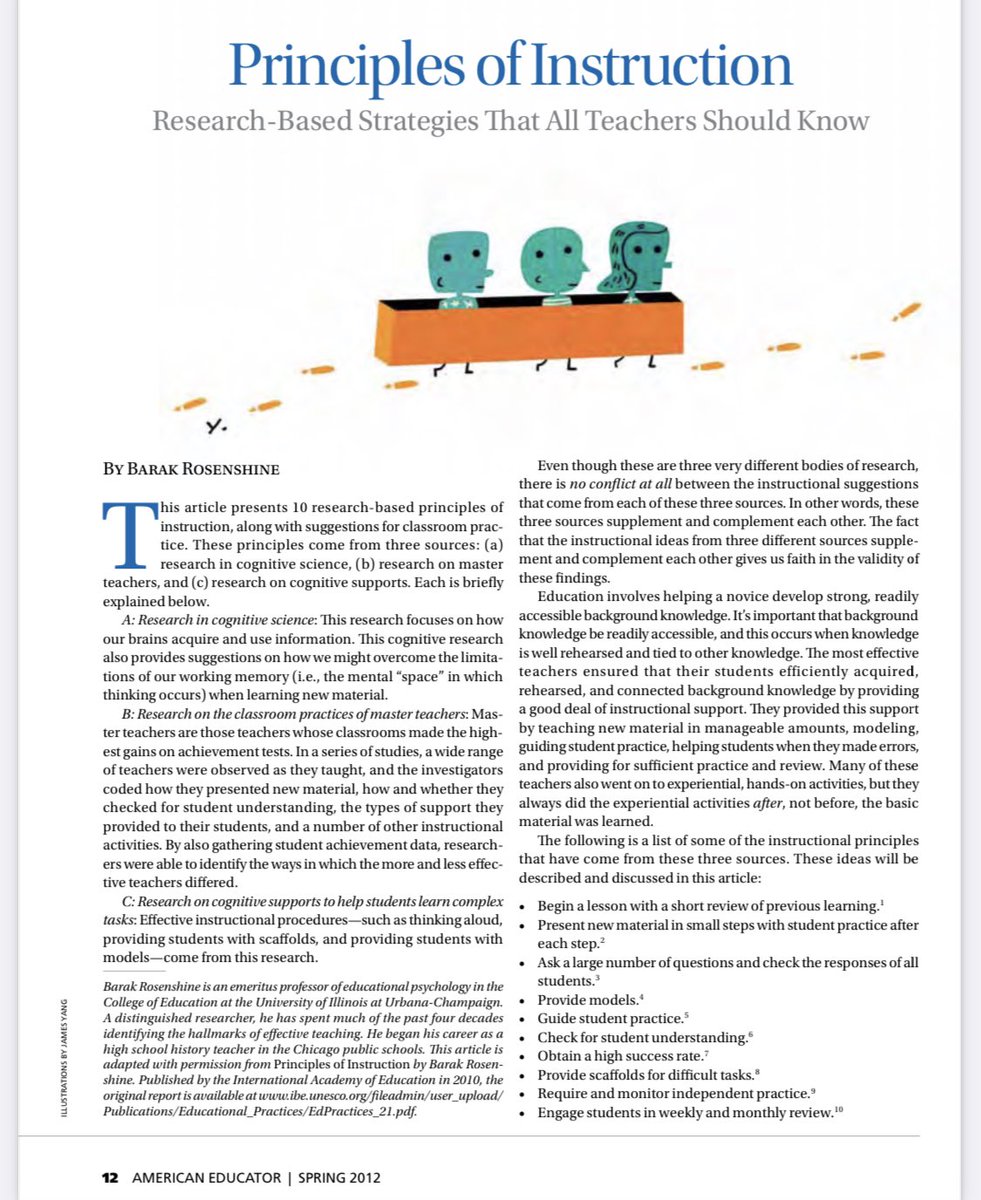
Here are some other things I’d want a new-to-research teacher to check out. (I’ll keep this to short, free stuff that is super accessible, so no books.) I already shared 1, so we’ll start from there…🧵