A widening diplomatic rift between Nigeria and the Sahel states is complicating efforts to confront a shared cross-border security threat, threatening regional cooperation against armed groups.
🔗: https://t.co/5AR2WJaW2I
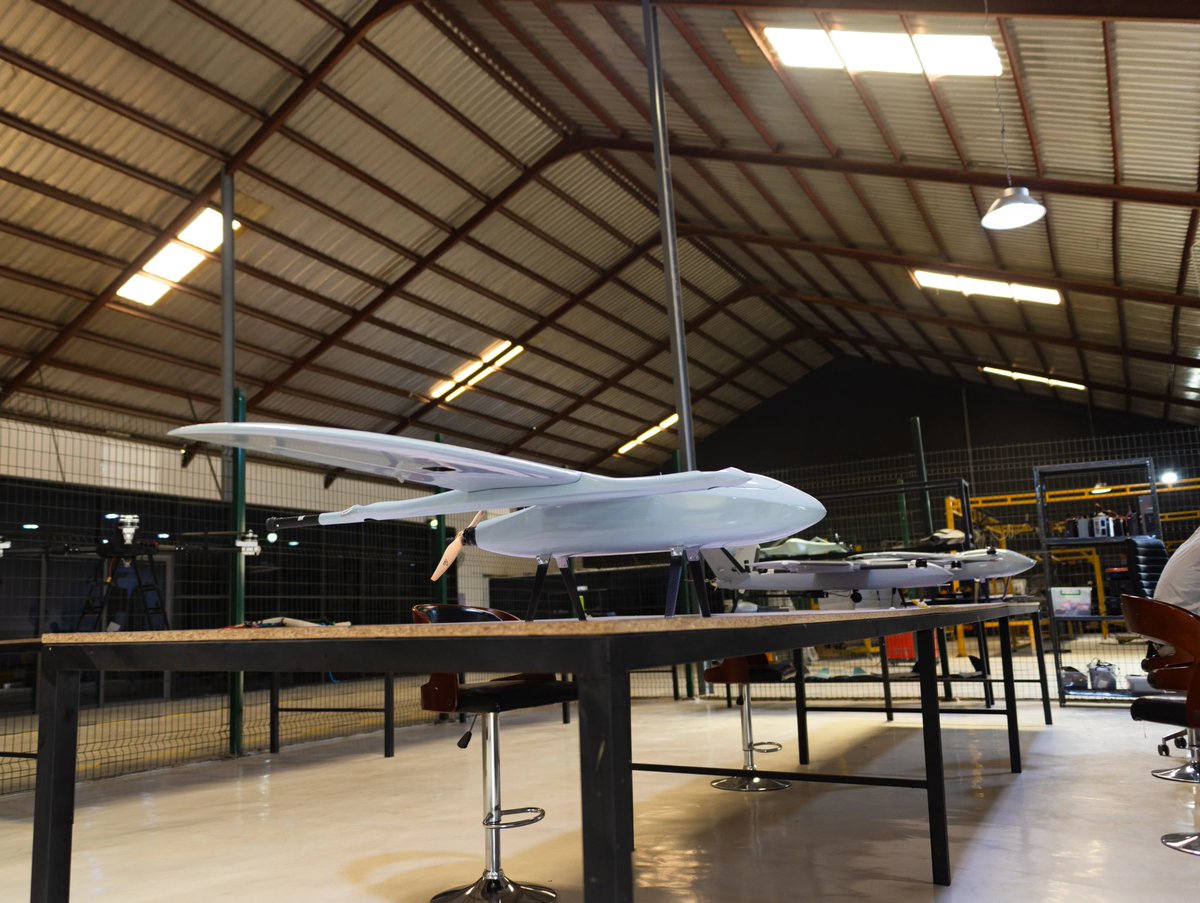
Nigeria’s @terraindustries has demonstrated the capability of African firms to develop functional defence tech built to withstand local terrains. But can manufacturing drones alone deliver defence sovereignty? I interrogate these themes in my recent piece for @AJEnglish below:
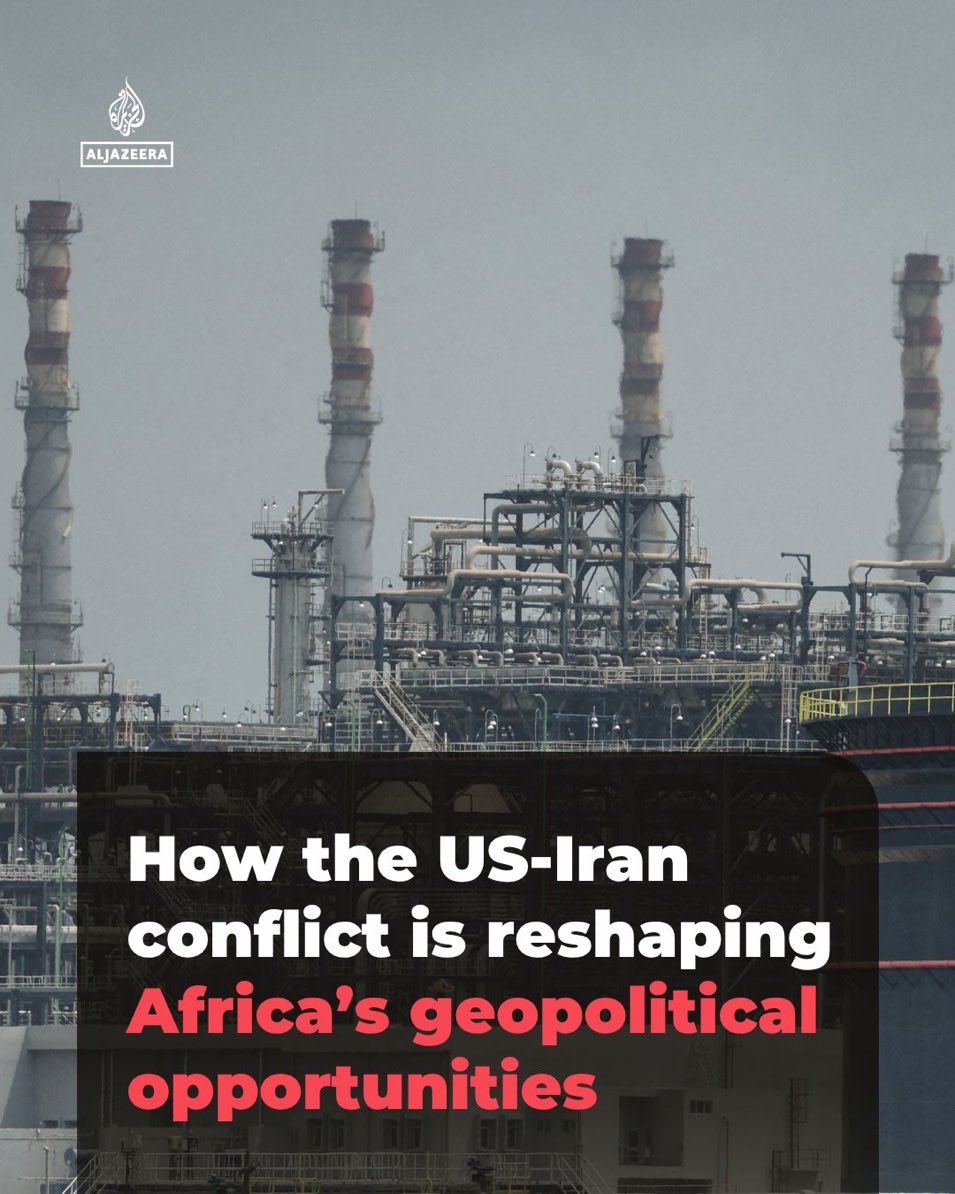
Although the Hormuz crisis has exposed weaknesses in Africa's energy systems, it has also revealed an opportunity for greater strategic autonomy. In my latest piece for @AJEnglish, I analyse how this disruption is driving policy changes in the continent. Full article below:
Although the Strait of Hormuz crisis has exposed weaknesses in Africa's energy systems, some see it as a window of opportunity to pursue greater strategic autonomy. Can the governments translate this period of disruption into sustained policy change?
🔗: https://t.co/TU6Gl5uhTR
Entering month 6 of the Mamdani mayorship of NYC and Robberies are down 11%, Retail theft is down 19%, and Murder is down an astounding 21%.
And he did so without "Adding 5000 new cops" to the streets. Instead, he's invested in public safety with free childcare, accessible infrastructure, and better funded schools and libraries. He's proven once again that if we want safer communities, we must invest in People—not Punishments.
In this feature article for @AJEnglish, I tell the story of Mauritania’s Mourchidates (female religious scholars), and their successful efforts at preventing and opposing radicalisation. Read more below:
https://t.co/RV4ye0XW9h
In my latest piece for @AJEnglish, I analyse the main drivers behind the re-emergence of Boko Haram and ISWAP in the Lake Chad Basin. Read more below:
https://t.co/S2EEJbT6gd
Across Nigeria, overlapping forms of organized violence have intensified in both scale and coordination, exposing structural weaknesses in the country’s security architecture. This crisis complicates conventional counterinsurgency strategies and undermines the state’s monopoly on authority.
✍️ @mubaraqali_
https://t.co/5glVvWSCdh
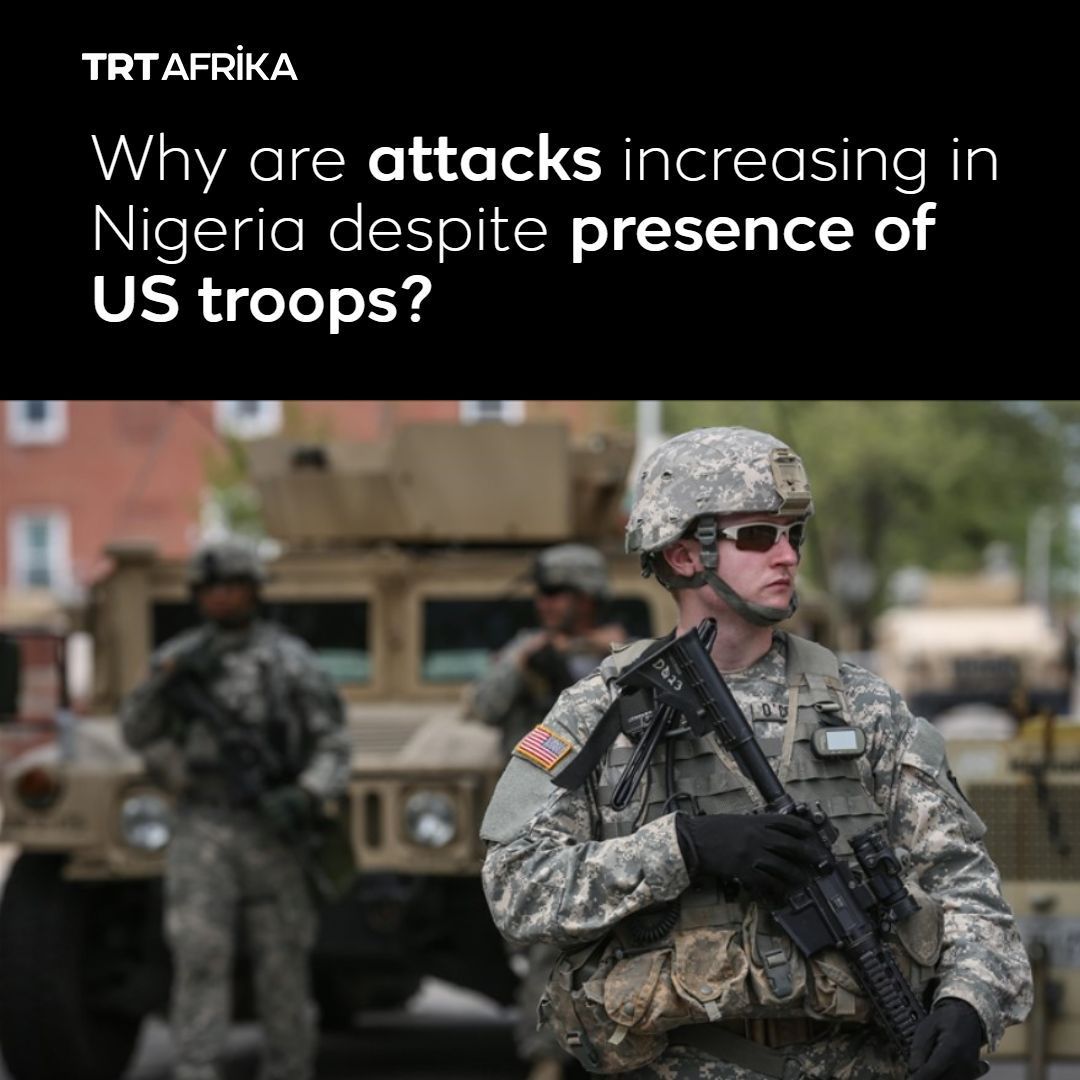
Why are attacks increasing in Nigeria despite the recent presence of US troops?
Last week, I spoke to @trtafrika about the mischaracterisation of Nigeria’s security crisis by the US government, and the consequences for future security operations. Full article below:
The US, which sent its troops to Nigeria in recent months and offered intelligence, training, and strategic support to the Nigerian military to help confront a deepening terror crisis, has now asked its non-essential embassy staff to leave the West African country due to mounting security concerns, raising pressing questions
https://t.co/VGNpfjcVGL
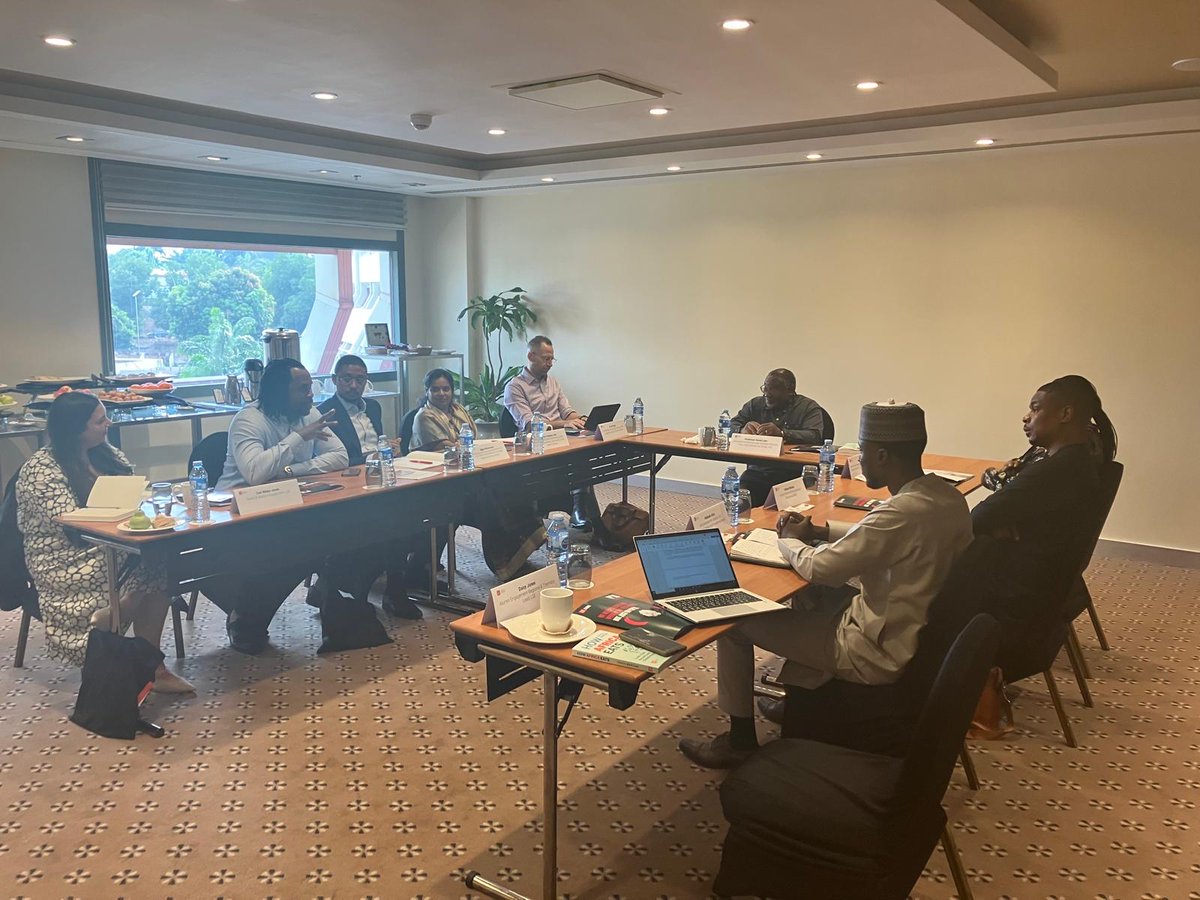
We are kicking off our Africa trip with a roundtable event!✈️🌍
Alumni in Abuja met with Professor David Luke from the Firoz Lalji Institute for Africa to discuss urgent issues of food security amidst climate change. 🌾🔥💬
Thank you to everyone who joined us!
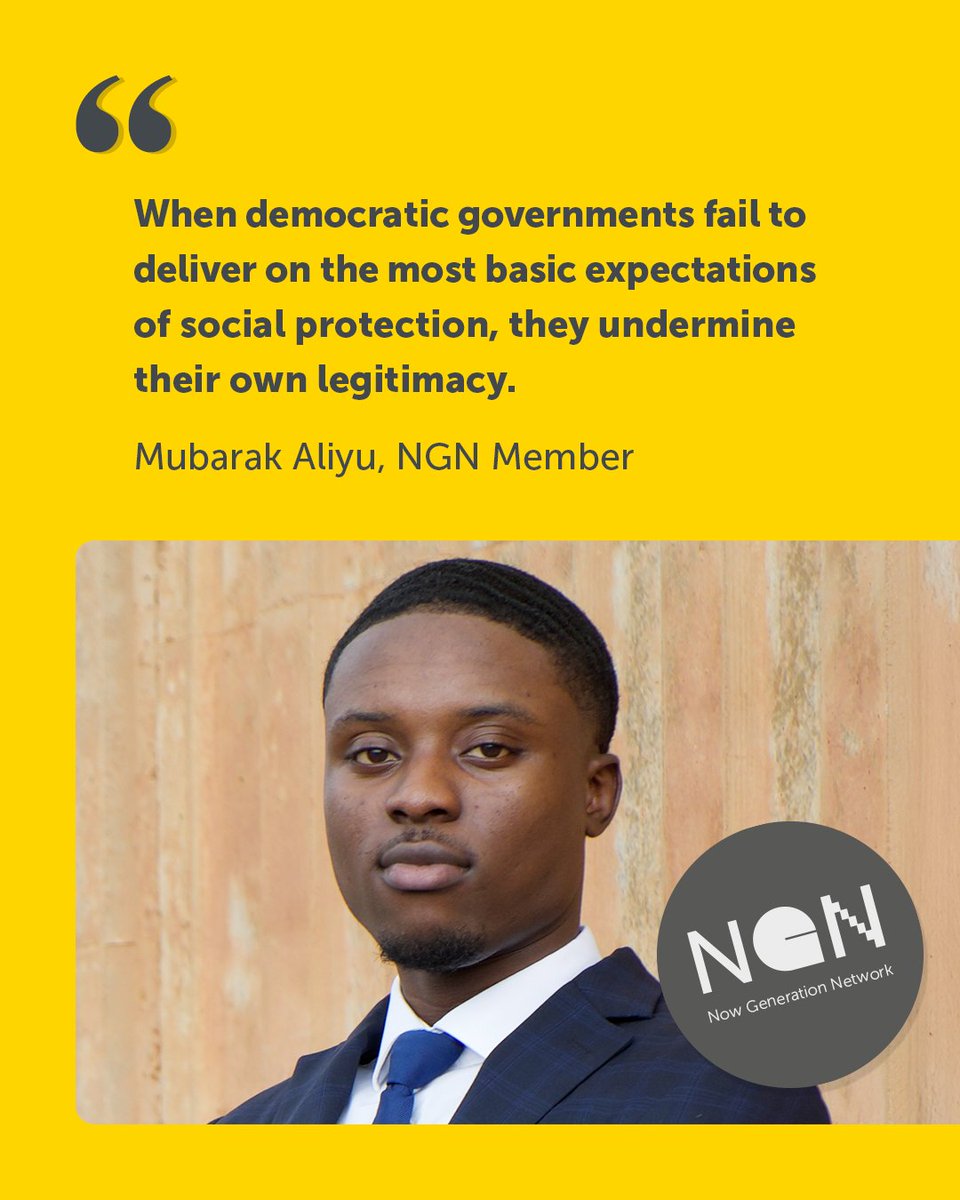
Young people in West Africa still support democracy, so why is dissatisfaction rising?
In a new guest blog, #NGN member Mubarak Aliyu explores how inequality and weak social protection are shaping political instability.
📖 Read here: https://t.co/K2MTKDWwDl
🇸🇩
Sudan’s war has exposed the African Union’s limits — not just its failure to stop the fighting, but its shrinking influence in peace efforts. @mubaraqali_ explains why he thinks this has happened and why the AU needs to do better.
🧵
The AU pledged to protect civilians after the genocide in #Rwanda — but in #Sudan, its failure to end the war exposes the limits of the African Union’s ability to end deadly wars.
✍🏾 Mubarak Aliyu
https://t.co/DxzOjjU7zz
In my latest op-ed for @Geeskaplatform, I argue that the AU’s failure to act decisively in Sudan is not just a matter of limited resources, but a deeper erosion of political consensus and a retreat from the humanitarian norms the AU once championed.
https://t.co/M0lxzdmyCC