@zynebbiste May Allah grant you success and make you excel in your exams. May He also grant you the opportunity to return to the most beautiful city in the world, again and again. Ameen.
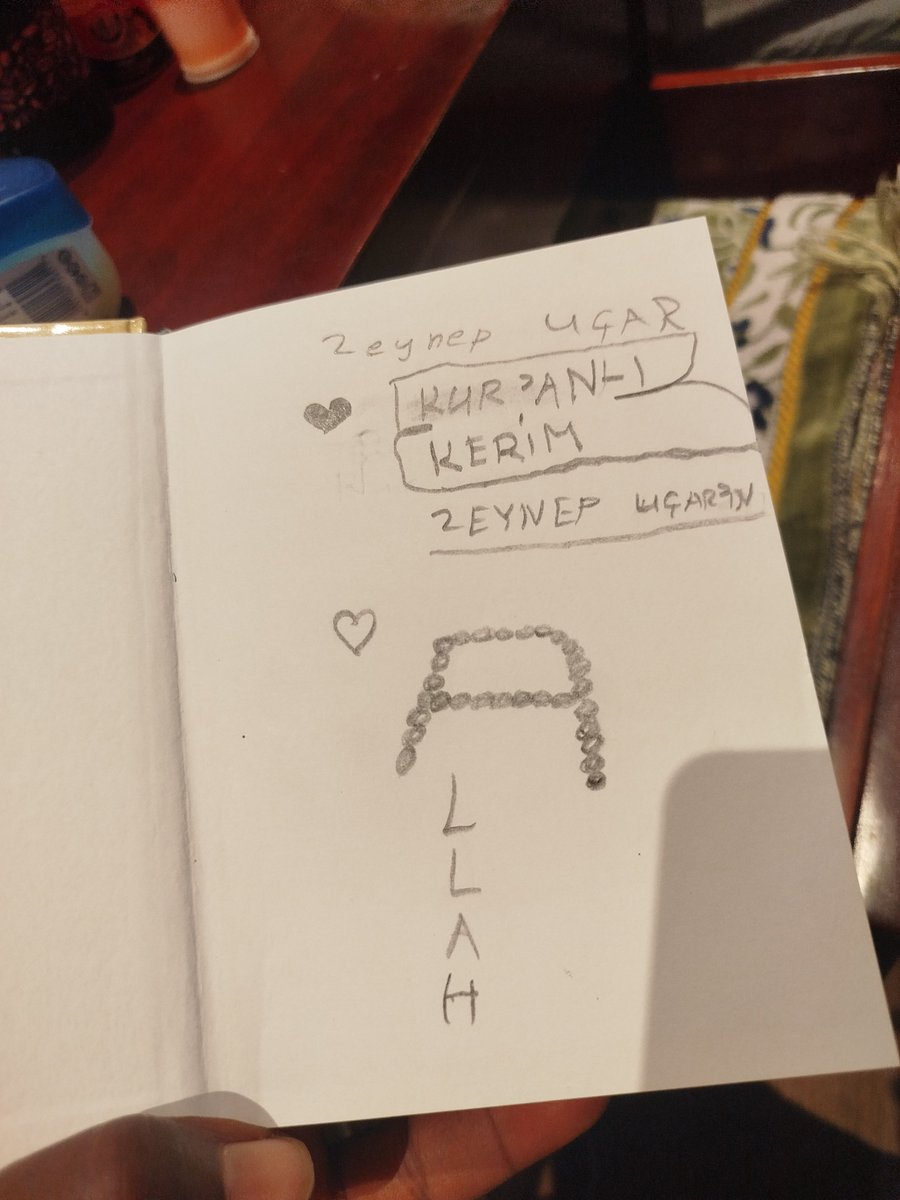
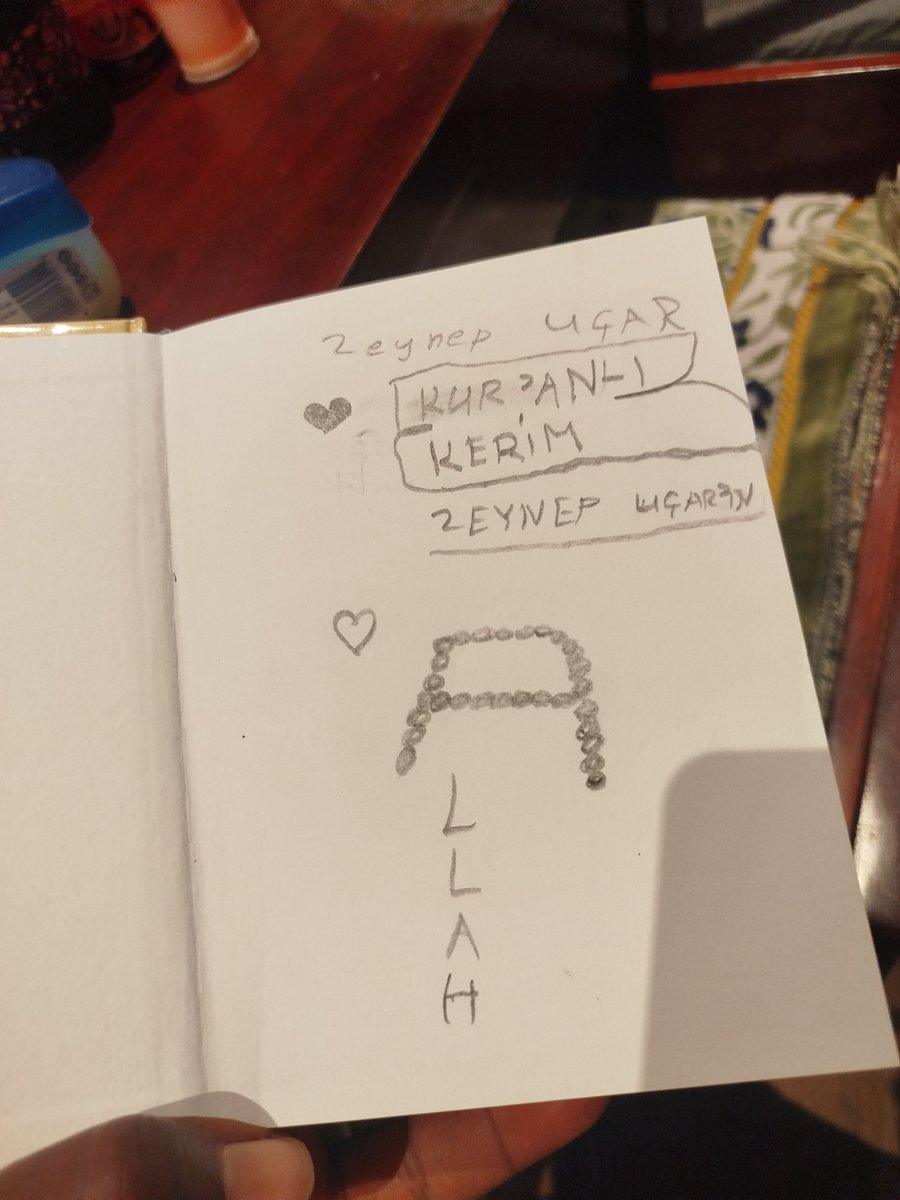
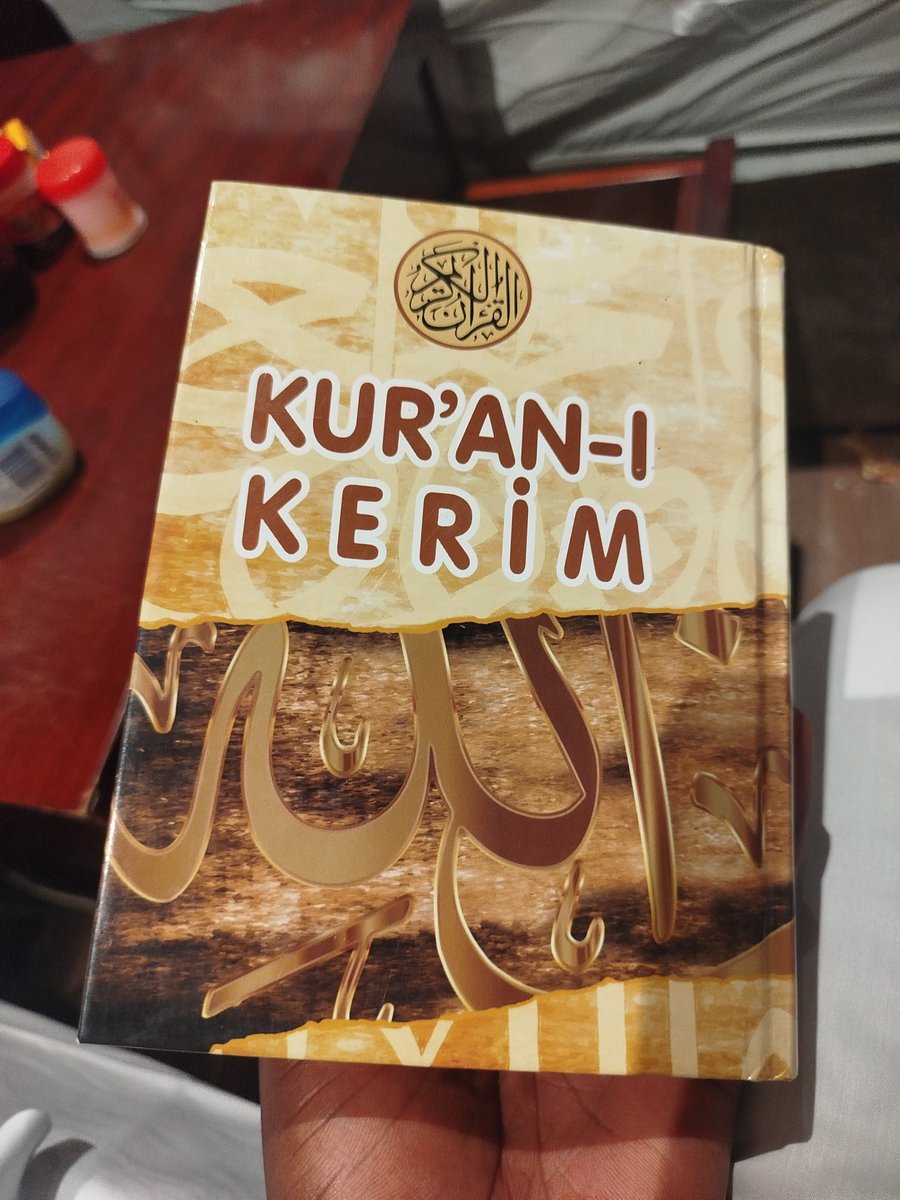
@zynebbiste Two weeks ago I was in Makkah for Umrah and found this beautiful mushaf in my hotel room drawer. The owner (probably a little girl) wrote her name so beautifully 🥹 she must be Turkish.
I wish I knew where to find a copy like this for myself
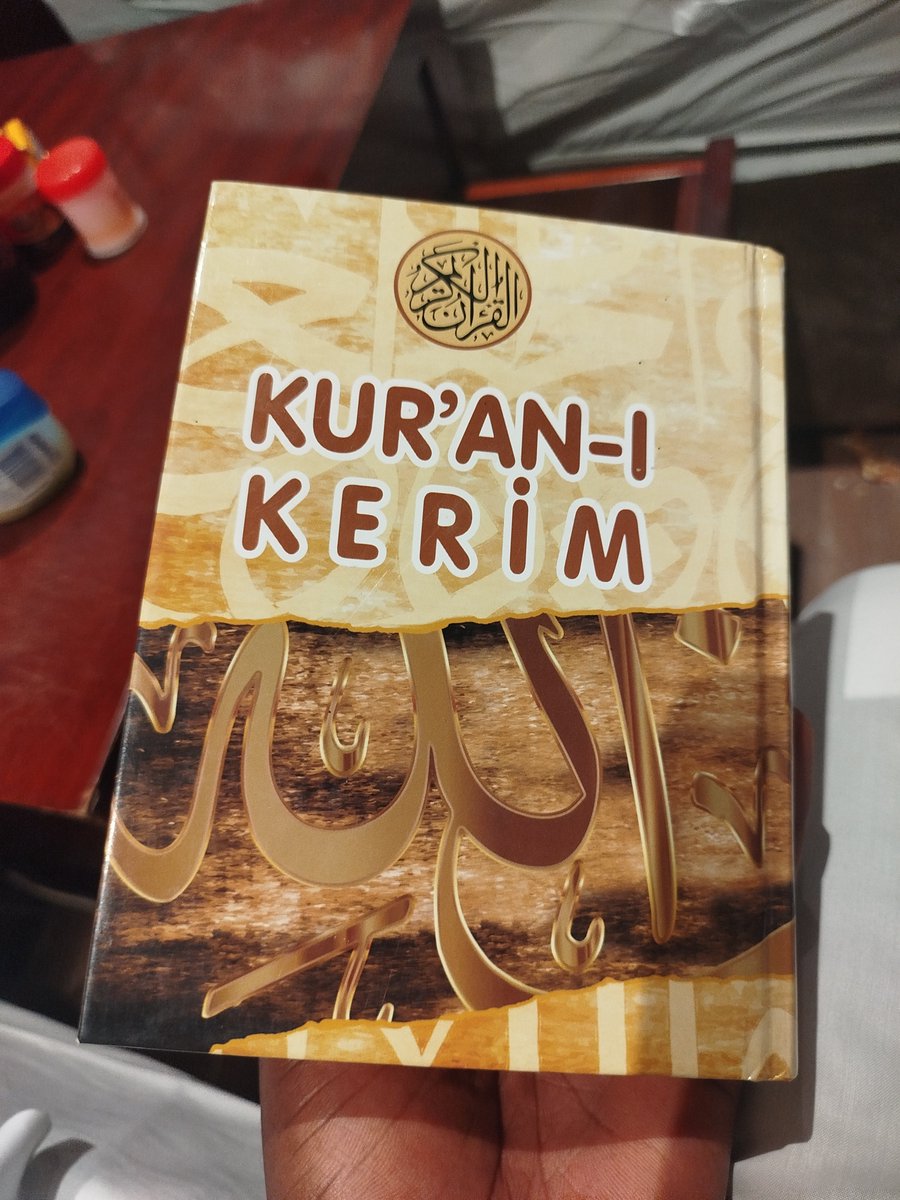
@zynebbiste Two weeks ago I was in Makkah for Umrah and found this beautiful mushaf in my hotel room drawer. The owner (probably a little girl) wrote her name so beautifully 🥹 she must be Turkish.
I wish I knew where to find a copy like this for myself
@AsiyaRodrigo Most of those goons wouldn’t even be able to look you in the eyes in real life, which is exactly why I don’t care about them. Very soon you'll see him begging for money dropping his opay or shouting he was denied a visa
Being Nigerian in England in the Seventies
When I was at school in the seventies in England there were very few black people in the UK, with Nigerians numbering only 5,400 in 1970. In the countryside I stuck out like a sore thumb, especially when I was at Eton College in my tail coat uniform.
In 1970 I can’t remember seeing one black face in Windsor, and when I first walked into town from Eton I was subjected to catcalls: “Look, it’s a Black Penguin” from white passersby. Some were openly hostile, hating me not only because I was black, but because I was a black boy at the most prestigious school in England.
At the time there were only two black students out of 1,200 boys at Eton—all boarders, mostly from aristocratic families or high-rolling bankers. Entry was booked at birth, with the school monitoring you from day one until you sat the 11-plus at thirteen.
England was in the first phase of immigration, mostly from India and Pakistan. Skinheads roamed the streets looking for Asians to beat up in what they called “Paki bashing.” Blacks were also targeted, but less so, because we fought back. Asians—mostly first generation—did not want trouble. They took the beating, went home, and told their children: “Look at my face, I was beaten by white hooligans. Let this be a lesson to you: study hard, learn to defend yourself, and when you grow up, beat them at their own game.” And today, their second and third generations are doing just that—becoming leaders everywhere.
For Nigerians, settling in England was not the plan. It was a place to study or visit. Nigeria was booming. The oil money was flowing and everyone wanted a piece of the pie back home, not in London. We were respected, treated well, confident. When you said you were Nigerian, the hostility turned to smiles. You got the best table in restaurants, fuss was made over you. Nigerians were the black people the whites loved.
At that time there were only two black players in the First Division, not like the Premier League today. West Indians made up most of the black population, working in public transport or other menial jobs. Africans, especially Nigerians, looked down on them. The tension between the two groups was real. Nigerians were flashy—buying mansions in London, shopping in Harrods with cash, driving big cars. My father paid my Eton fees with a Nigerian chequebook. We were that rich and confident.
Skinheads and racists soon learned there was one group of blacks who wouldn’t just fight back but would insult them, treat them as inferior. That was the Nigerians, and we didn’t give a damn. It was a wonderful time to be African—Nigerian in particular. In 1972 Nigeria even loaned money to the UK and to the IMF. We were giants of Africa. Our Head of State, General Gowon, Sandhurst-trained and well-spoken, was admired by the British. People wished Nigeria well.
Fast forward to today: you have a black woman leading the most right-wing party in Britain who hates Nigeria. You have 400,000 Nigerians in England, with third-generation children who know nothing else. But that was not the England I knew. Back then I carried myself with confidence. If you insulted me at school, you knew it would cause you trouble. I wasn’t a refugee or a bus conductor—I was Nigerian, the son of a well-known Nigerian—and your fathers were making millions kissing the asses of Nigerians.
Today Nigeria and Nigerians are known for all the wrong reasons. We are called scammers, drug dealers, our children are stopped and searched by the police. The respect has gone. The reputation is tarnished. The oil boom is a distant memory.
⸻
#Nigeria #Eton #SeventiesEngland #Immigration #Skinheads #History #Confidence #Identity #AfricanLegacy #Pride #Reputation
My sister-in-law, a good woman, died today in Sokoto. Just finished her jana’iza prayers a moment ago.
She had been unwell from the psychological trauma of losing her son.
The boy, my nephew, a promising young engineer fresh out of school with a good job working for a Chinese engineering firm, was shot point blank in the head and left to bleed out in the rain in Birnin Kebbi, Kebbi State. It happened two years ago and just a few months to his wedding.
The shock never left her and she had been unwell since the day he died. She finally succumbed this morning.
Directly or indirectly, near or far, we are all victims of these senseless acts of violence.
We all know the reason why our IDPs are full or why pre-teen kids and girls are roaming our streets begging, or why our young men are migrating south in search of any means of survival or why many of our northern villages are now ‘kufai’ or desolate.
The reason is unmitigated violence visited on a hapless and defenceless population that have no means of fighting back.
It is either insurgency in the N/East, banditry in the N/West or farmer/herder clashes on the plateau.
Yet our political elite continue their games as if this is all some Kannywood show.
None of them seem to care enough to make this a national issue. And even when given the opportunity to do so, their response more often than not, only politicises these tragedies and not proffer any meaningful solution.
Yet, the way out of this has to come from us northerners. Not Abuja or anywhere else.
#Arewa is badly in need of a different type of politics.
May Allah grant his mercy to my sister-in-law, my nephew and to every victim of this menace.
@ArewaCF@bulamabukarti
@NigeriaStories We are Muslims, we’ll live our way, no matter what. You ignore Soludo and his version of HISBAH in Anambra, yet you're here shamelessly spreading Islamophobic/tribalistic views. Next year, it won’t be just Kano and Katsina it’ll be the whole region. And with time whole country.
@MuzlimsPostingW have read this story many times, and each time I come across it, I find myself reading and re-reading it because it is truly captivating, may Allah bless her Aameen.