If the head turns away, stop. If it comes back looking at you, go on.
As long as he's looking at me, I approach. When he stops looking at me, I stop and wait.
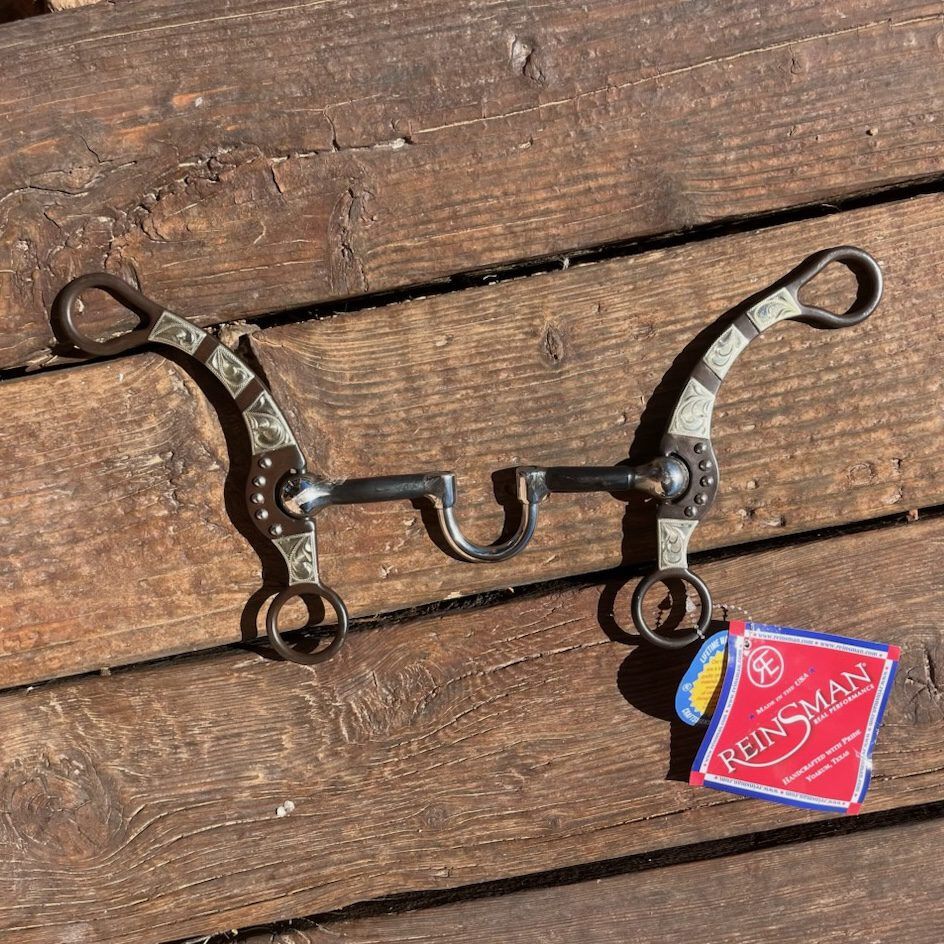
The Buckaroo Bit is one of the bits I find works well for a whole lot of mules and donkeys.
Built for clear communication and a softer mouth.
https://t.co/Regb42IL5V
Age doesn't matter here.
Dave asked if this kind of relaxation, getting the head down, is something you can teach an older, more experienced donkey. Yes. Absolutely.
This can be taught to the babies all the way up to the older, older mules. Any of them can learn to do this.
You might not be riding in July heat, but you can still sharpen your mule and donkey sense.
We’re rolling out the Top Ask Steve episodes every Tuesday this month at 3 PM PDT on Facebook Live.
https://t.co/orUYwJQI82
When that head comes up and he gets worried, I don't rush ahead.
I touch him on the nose, ask him to bring his head down. Then I wait for him to relax.
I moved a little too fast in this one and the mule got stiff. So I backed up, waited, and let him settle before the next step.
Buddy sour, barn sour, and herd sour behavior may be normal, but that does not mean you have to accept unsafe behavior.
Join me August 5 at 5 PM PT for our free online clinic and I’ll show you how to build a more willing partner.
https://t.co/Z6kMWUIo8w
Getting the Come-A-Long hitch on is not the goal.
I want the mule’s head down, ears relaxed, and body soft before I put it on.
That is what I am looking for: softness and consistency.
I use light pressure on the nose to guide the mule’s head, then release when he responds.
A lowered head, quiet eye, and relaxed ears tell me the neck is soft and the mule is relaxed.
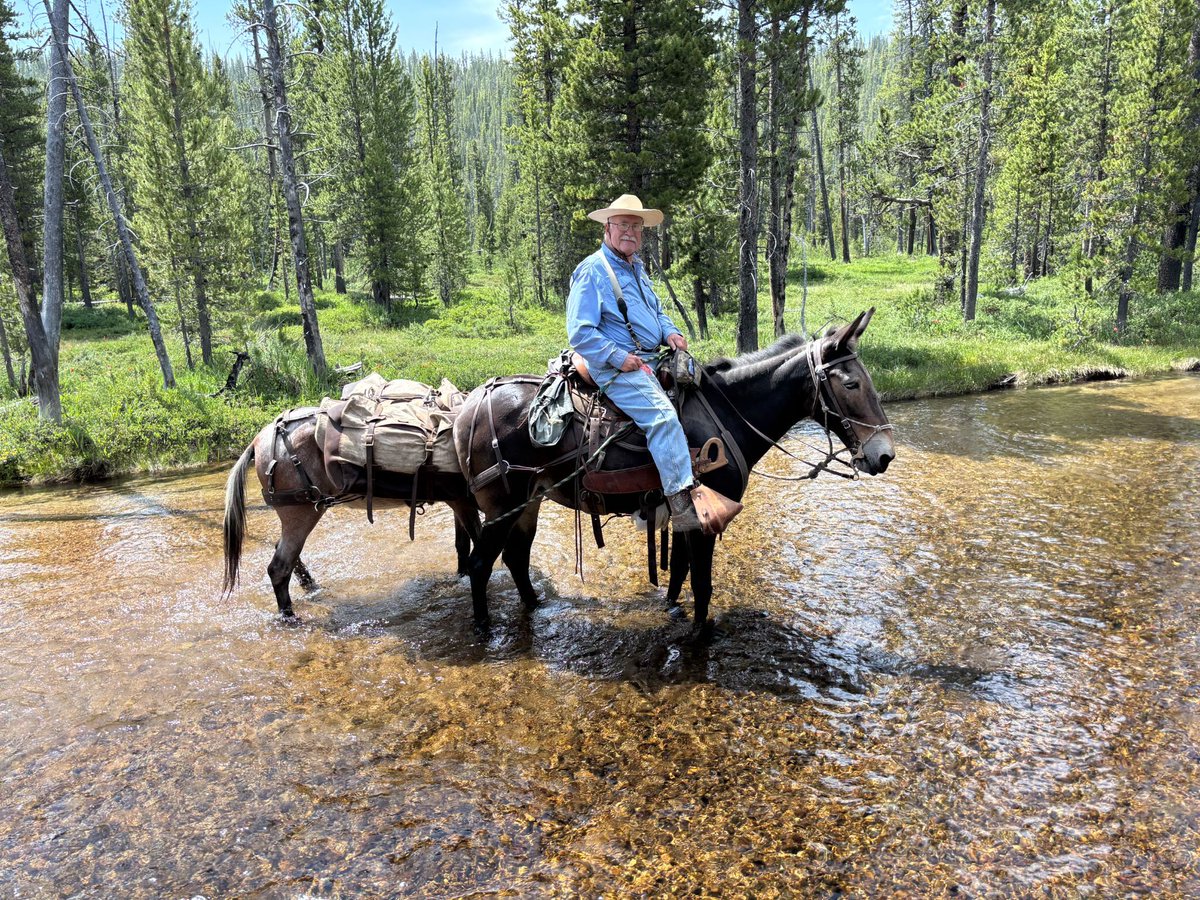
Queen Valley saddles go everywhere and anywhere.
Bill sent in this great photo from up in Idaho; he has been riding in my saddles for over 15 years!
When a saddle is built right for mule and donkey anatomy, it is made to keep going wherever the trail leads.
When I pick up the lead rope, the mule is looking for release.
I use one finger at a time and follow a simple progression: ask, tell, demand. No yanking. I want to play the tune with my hands.
Can donkeys use the Surcingle?
Absolutely.
It is a great teaching tool for building softness, respect for the halter, and a better foundation before riding.
https://t.co/KSuELs4cJC
The Come-A-Long hitch communicates across the upper nose, under the chin, and through the pull of the rope.
Used correctly and without rushing, it helps a young mule understand what I am asking from the beginning.
If you missed June’s special Ask Steve with Larry and Kiki, go back and watch it. They made great progress with their mules because they built the foundation and did the work themselves.
Watch it here.
https://t.co/QG8B7Df5Ic
Mules and donkeys learn from their nose. That is where I teach the turn, stop, and backup.
But getting the movement is not enough. I want softness, quietness, and willingness too.
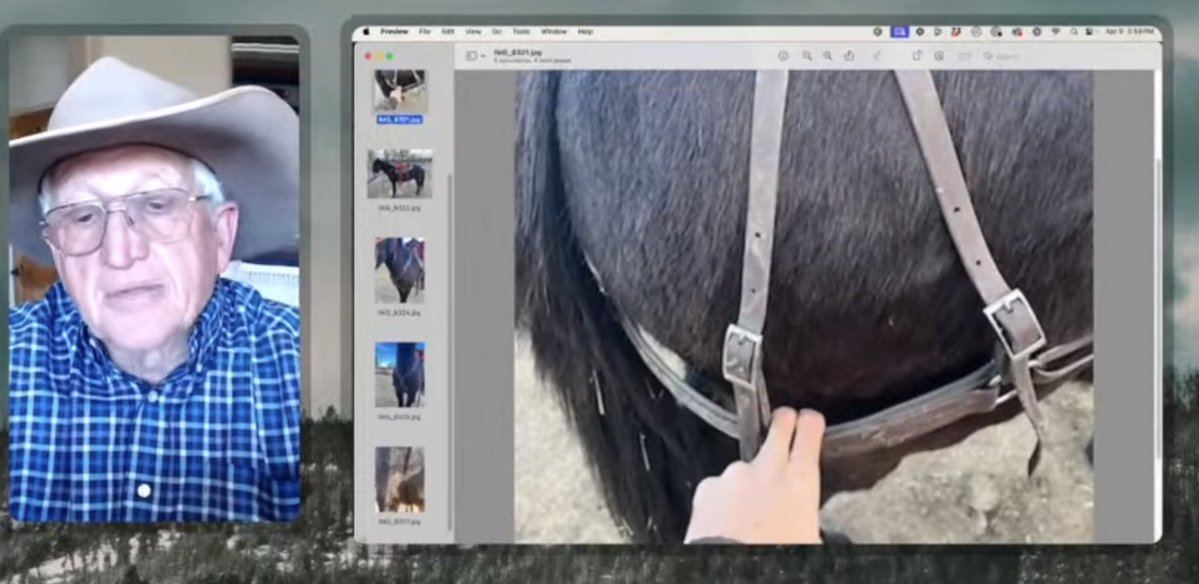
A breast collar helps balance the front of the saddle and keeps it from shifting too far back when you climb or ride rough country. Proper adjustment matters.
https://t.co/h4SnOVArkl
Mules and donkeys are already soft.
We are the ones who make them stiff.
It is not the bit, rope, or halter.
Those tools are only as good as the hands using them.
We could all use a refresher this time of year, both for mule and donkey training and beating the summer heat.
So grab a refreshing drink and join Ask Steve today at 3 PM Arizona time on Facebook Live.
See you then!
https://t.co/jQWjZe6cJz
We share videos weekly on how to communicate with your mule and donkey the way THEY understand, not how your horse trainer buddy told you.
🎥 Head to the YouTube channel and start learning. https://t.co/Dq5ckeuuzn
A properly adjusted saddle can move a little and settle right back into place.
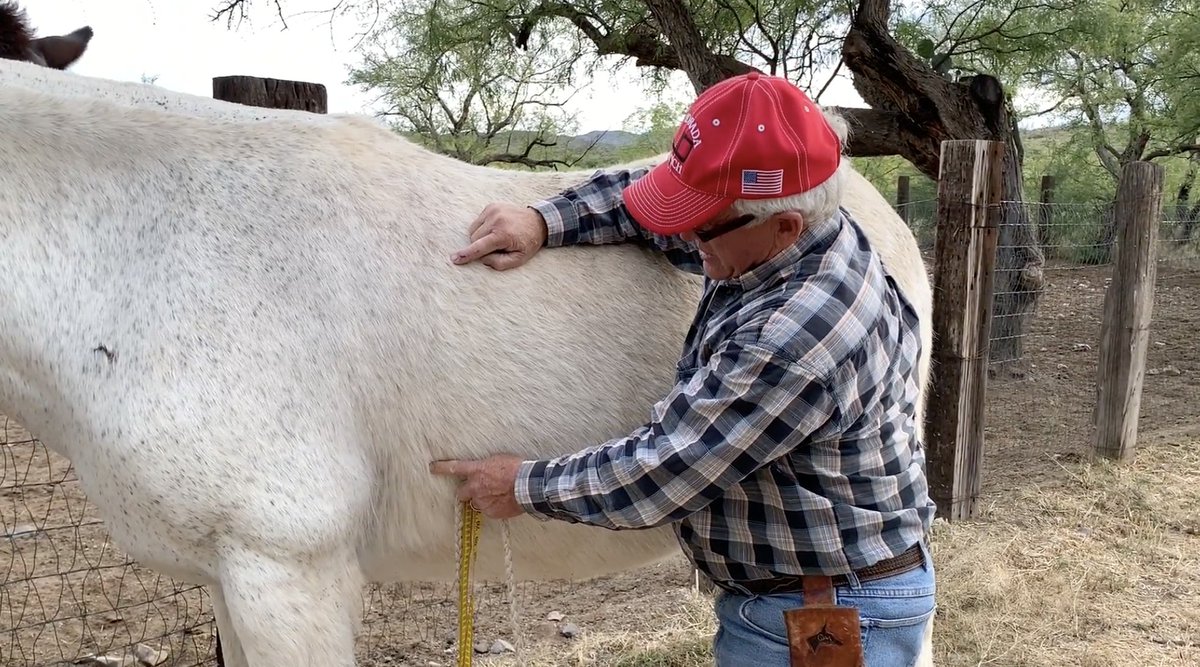
I keep the front cinch loose enough to avoid putting pressure on the lungs while still keeping the saddle balanced and secure.