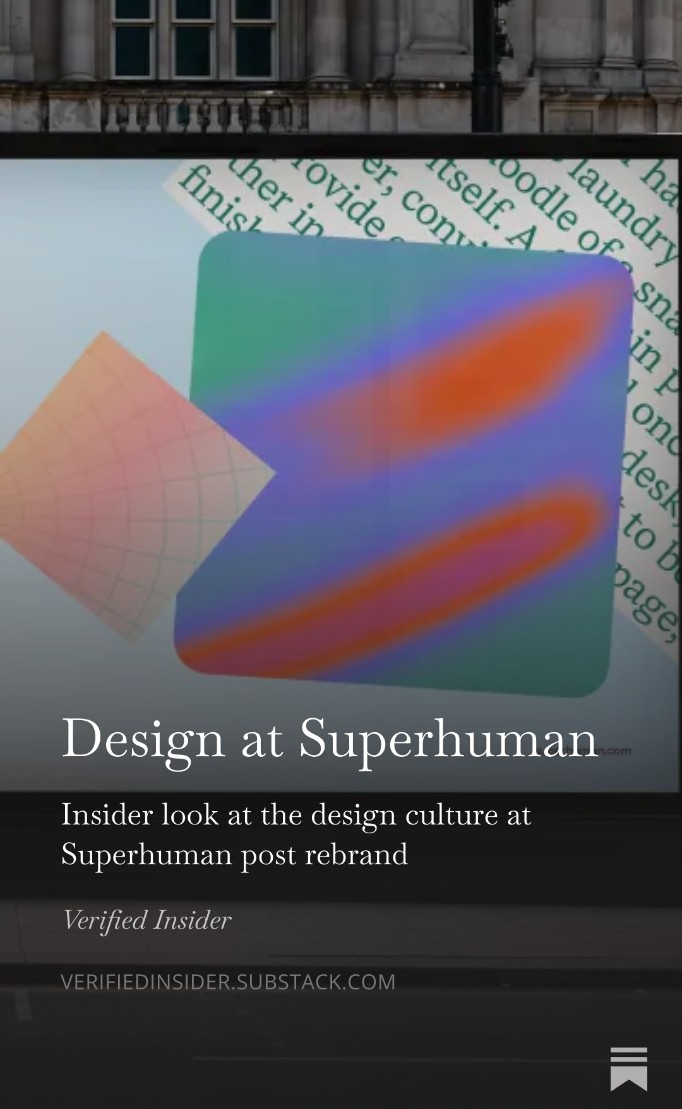
I sat down with Tom Scott recently to talk about a wide range of topics about how we design at @Superhuman (formerly Grammarly).
We touched on hiring, how roles are shifting and how AI is still continuing to change everything.
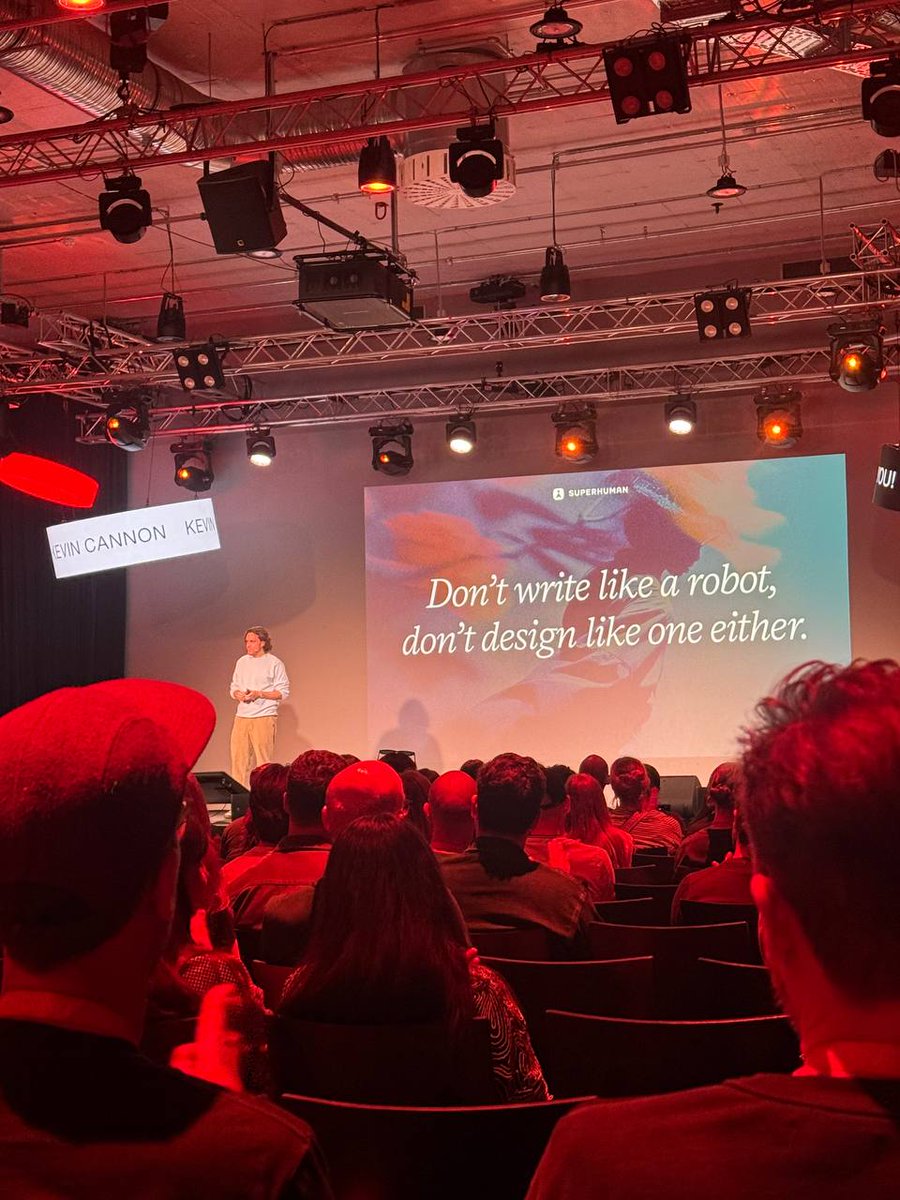
stocked for being featured in @multikev ‘s talk at @hatchconference today!
i wasn’t there but I was told we were an example of how to design websites in 2026!
beyond thankful! 🥹
I had a stupid idea for a text editor where all the formatting controls were continuous and scrubbable, so you could have 30% bold -50% italic half-left-aligned. stupid and dumb!
Super excited to announce the funnest thing I’ve ever worked on… AI views.
Think of it as vibe coding for teamwork.
It transforms boring data into whatever your team can imagine.
And it solves the 5 biggest problems with vibe coding team tools:
I think this is worth some nuance.
In recent history, many companies have employed 'product designers' whose primary activity and output has been the creation of software interface facsimiles, e.g. mockups in a drawing tool like Figma.
Those making mockups have of course been doing more than just that, to varying extents leading or more commonly participating in the process of deciding what to build and why. But there was value in that tangible output itself.
I think @gokulr is directionally correct that the role of someone whose primary output is the creating of an interface mockup is quickly disappearing.
But the role of someone who figures out what needs to exist, why, how it should work, how it should should be positioned, differentiated and made memorable has never been more in demand.
I speak with founders on a near weekly basis (many of them in Gokul's own portfolio) desperate for this kind of person.
His conclusions though I agree with almost entirely:
there will always be an opportunity to specialize in the creation of visual interfaces, but more broadly most product designers who want to be employees (totally fine) should take on more responsibilities that have historically been done by PMs or Engineers, to varying degrees.
From my POV, this is just what a product designer is and what we should have been doing the whole time, but that's another post.
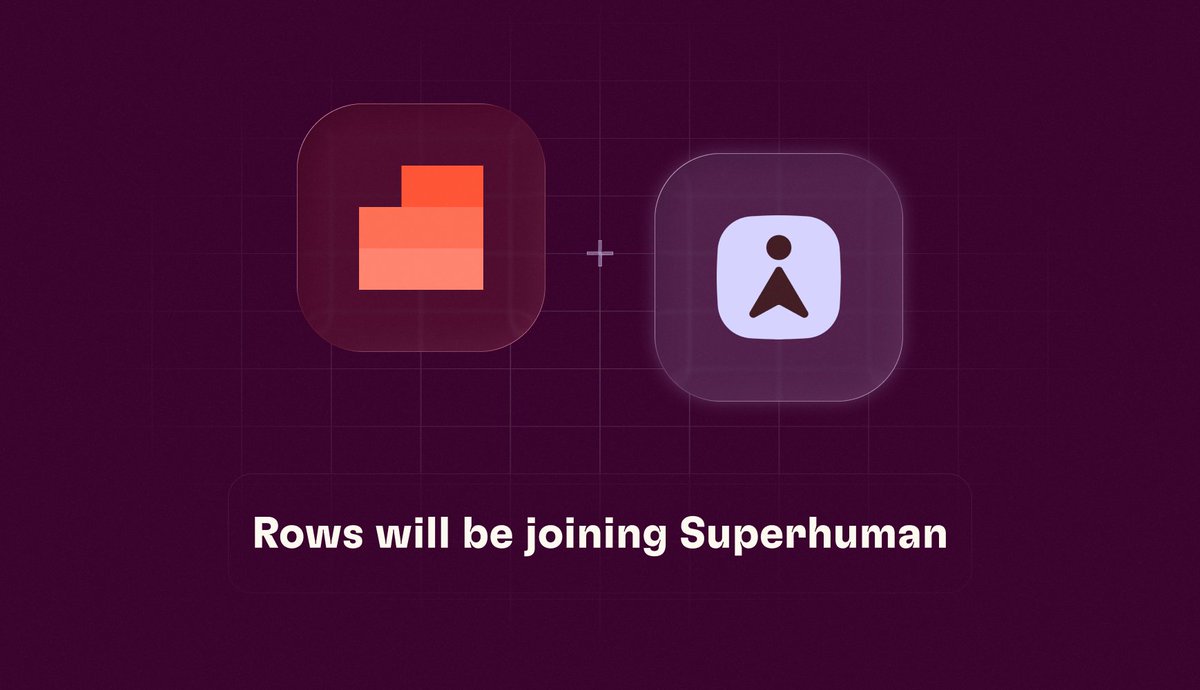
Big day:@RowsHQ will be joining Superhuman🚀
Our mission was to make spreadsheets easy, automated & beautiful. Now we’ll bring what we’ve learned to @Superhuman's AI productivity suite.
Excited for what’s next. Deep gratitude to our team, my co-founder @patife, and our customers
ever seen these small dead zones in a list of closely stacked elements? im seeing this more often.
this can be easily fixed using css `::before` pseudo element on each element:
::before {
content: "";
position: absolute;
inset: -10px 0; /* extends 10px vertically */
}
As a former Google Principal Product Designer, I’m having the best time of my life working on brand identities and delivering a complete toolkit for my clients, not just to create consistent content but also micrographics for their products.
Being a brand designer in this AI era is a creative heaven. No limits, just your imagination.
I sat down with Tom Scott recently to talk about a wide range of topics about how we design at @Superhuman (formerly Grammarly).
We touched on hiring, how roles are shifting and how AI is still continuing to change everything.
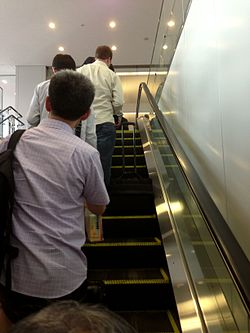
@vanschneider Ikea have a wonderful design principle when it comes to home technology they call The Escalator Principle.
Because if an escalator stops working, it's still usable just as normal stairs.