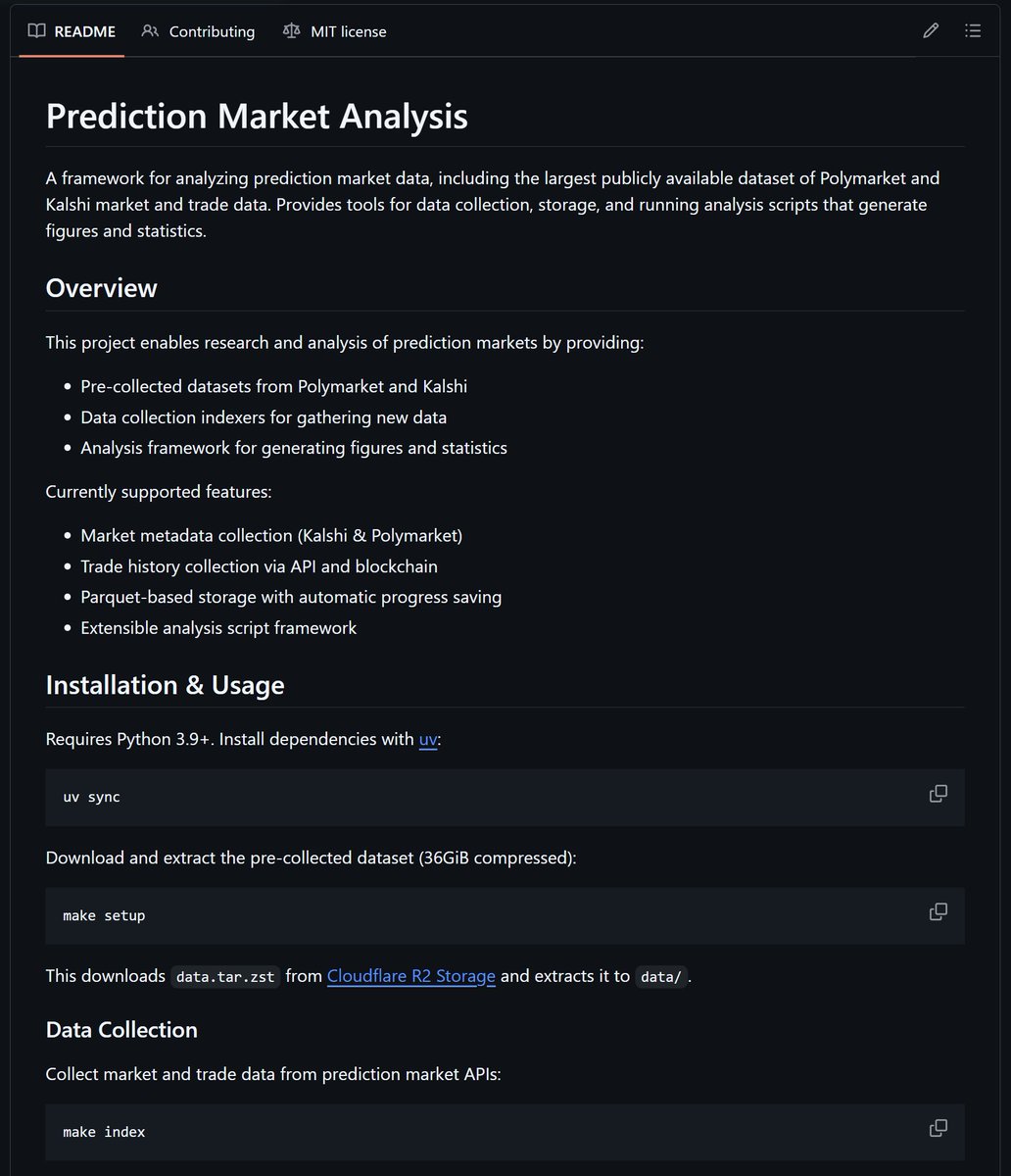
A Coinbase developer analyzed over 72 million Polymarket trades, collected 36GB of real analytical data and released it on GitHub for free…
This is the largest public prediction market dataset that I have ever seen.
Here is how you can use it for trading on Polymarket:
This dataset can help you see how prediction markets actually behave and how prices usually move in different market categories from start to resolution.
For example, you can use it to analyze and compare all historical markets within the same category and find price movement patterns that repeat over time:
Lets imagine, while working with this dataset, you discover that most movie markets are less volatile and often have a clear winner (with the highest % probability) right from the beginning - and BOOM, now this becomes your own created and tested trading strategy.
This way, you can create hundreds of different proven ideas and strategies based on real historical data.
In addition to the dataset, this repository comes with a few tools for fetching Polymarket data directly via API, so u can continuously refresh the dataset, process it, clean it and convert it into an easy excel format. You can even fetch detailed statistics for any trader who has ever traded on Polymarket.
This repo: https://t.co/qkoF6TyjJQ
Article, where the dev explains how this dataset works: https://t.co/D1YRQsvl6b
Two Sigma quant researchers make $325K–$600K/year and this is their team explaining publicly how they build ML models on financial data
1 hour, free, from one of the largest quant hedge funds on earth - $60B AUM, founded 2001
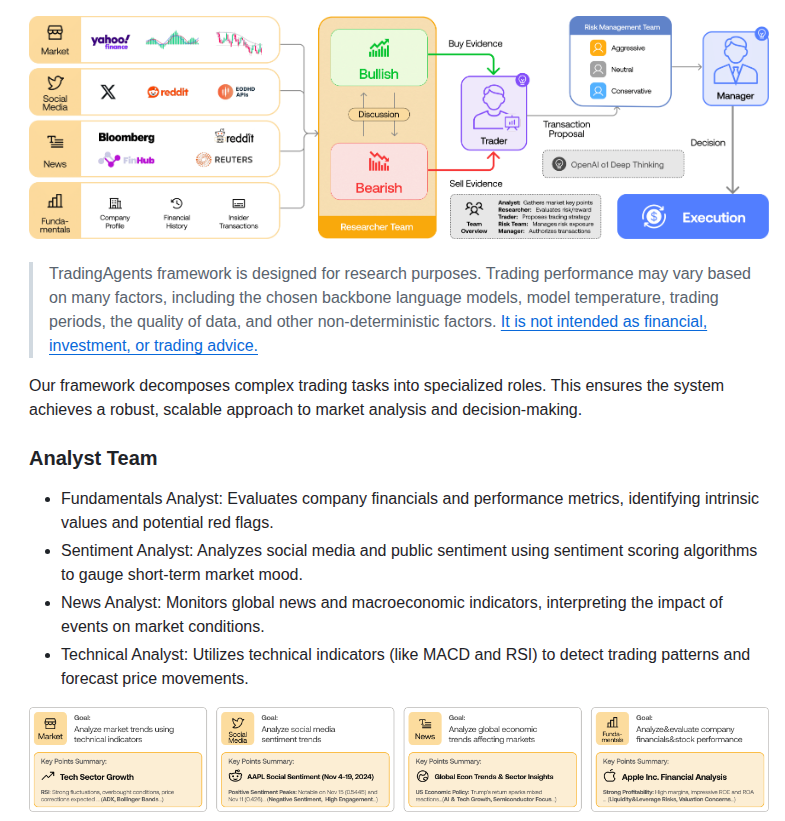
The post above is that exact same approach running on Polymarket in 2026: ML model + Kelly sizing + sniping BTC/ETH mispricings before the orderbook moves
Institutions on Wall Street vs the same math on prediction markets ↓
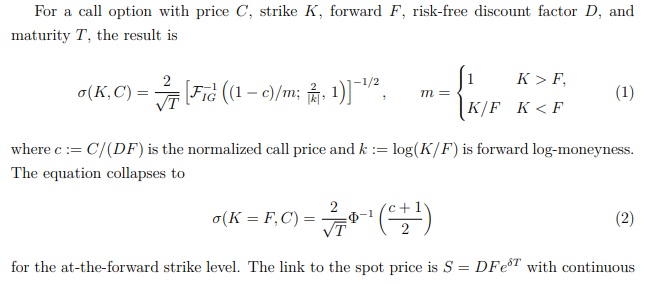
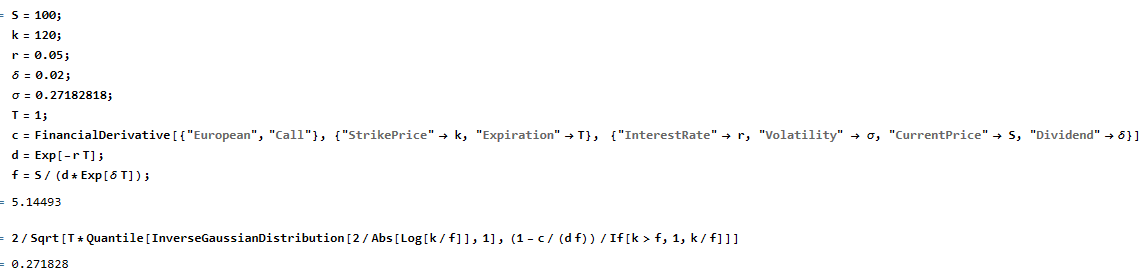
You're telling me that for the past 50 years there's been a one-line closed form expression for Black-Scholes inverse volatility that nobody bothered to discover until some rando shadow dropped this on ArXiV? https://t.co/2rjhCEVxQG
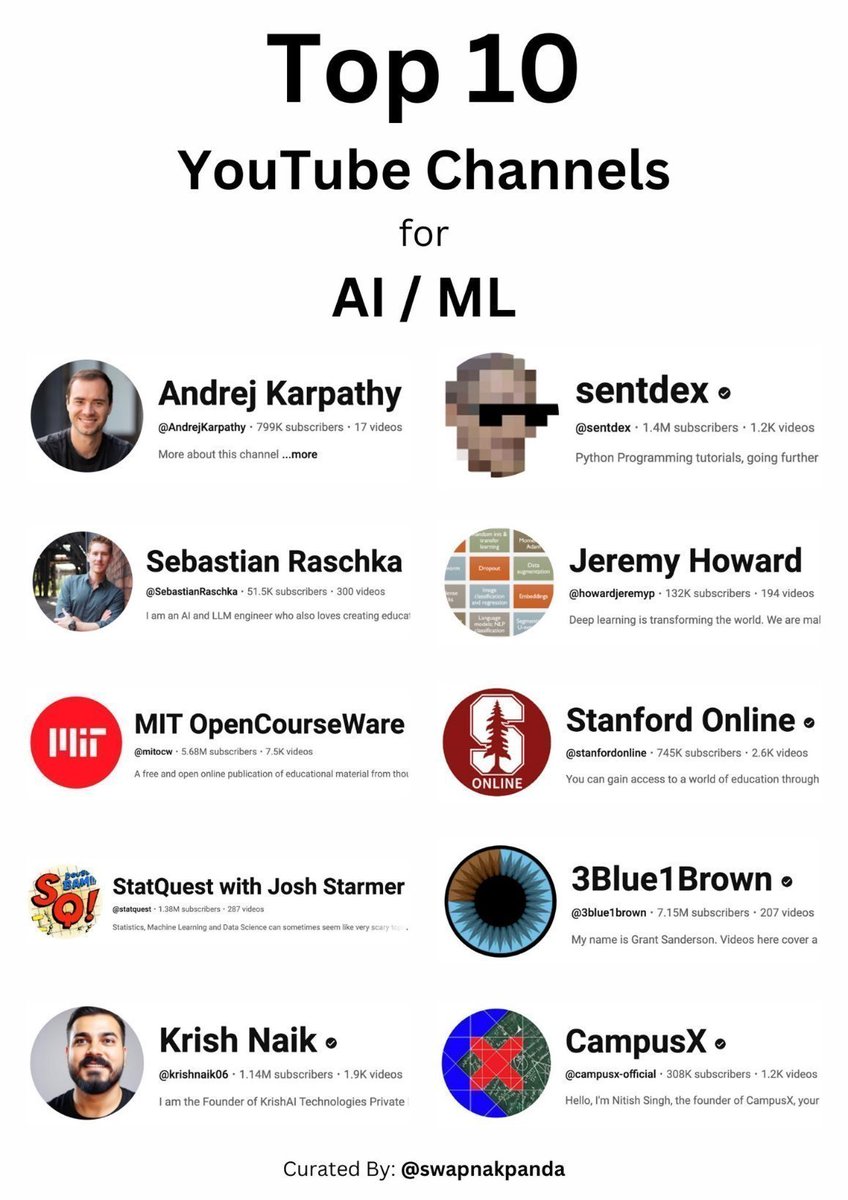
Planning to learn AI & ML in 2026?
You SHOULD subscribe to these 10 YouTube channels.
1. Andrej Karpathy
https://t.co/zERhSHF5jp
2. Sebastian Raschka
https://t.co/ZFL0omfWuI
3. sentdex
https://t.co/yuQEYdyyiV
4. StatQuest with Josh Starmer
https://t.co/ss5szaEe7E
5. Jeremy Howard
https://t.co/4yNWhmjZzz
6. Krish Naik
https://t.co/wiGkeAkkwz
7. CampusX
https://t.co/pK9hutMcnO
8. 3Blue1Brown
https://t.co/2UxZFKneV1
9. MIT OpenCourseWare
https://t.co/NA6WstSs3y
10. Stanford Online
https://t.co/4GWPFbEGJs
Add any other channels if you find them great.
If you want to learn AI the right way, start here.
No shortcuts. No hype. No fluff.
Top 10 Stanford's Courses on AI & ML.
CS221: Artificial Intelligence
CS229: Machine Learning
CS229M: Machine Learning Theory
CS230: Deep Learning
CS234: Reinforcement Learning
CS224N: Natural Language Processing
CS231N: Deep Learning for Computer Vision
CME295: Large Language Models (LLMs)
CS236: Deep Generative Models
CS336: Language Modeling from Scratch
Don’t mind me, just using the most cracked dada dashboard to prepare for one of the most VOLATILE weeks of the year… it all begins tomorrow…
Consider this, new tariffs coming from China, new tariffs coming from the US, largest Artificial Intelligence conference in two days…
The great rebrands
Betting -> Prediction Markets
Chatbot -> AI Agent
Casino -> Crypto
Criminal -> KOL
Server -> Layer 2 blockchain
Political science major -> Crypto researcher
Dev -> Guy who clicked launch token on pump
Gambling addiction -> Trenches
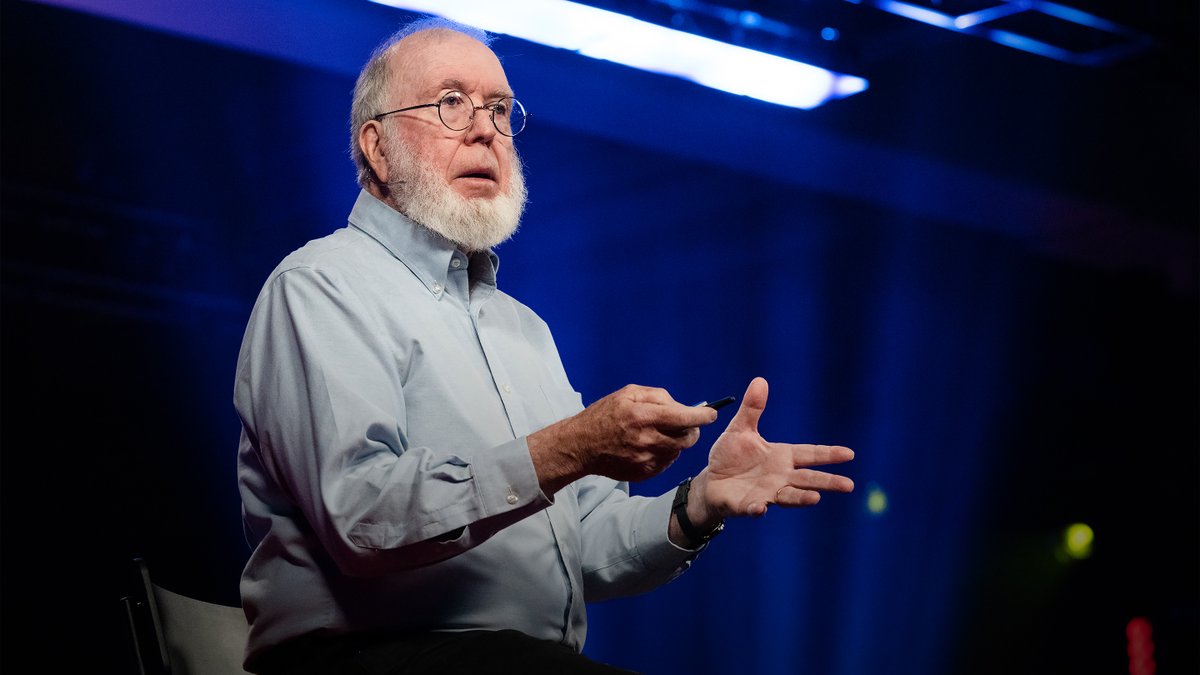
He predicted the rise of:
• AI
• Remote work
• Digital streaming
Years before they happened.
Now, Kevin Kelly says these 5 tech trends will shape the next 100+ years: