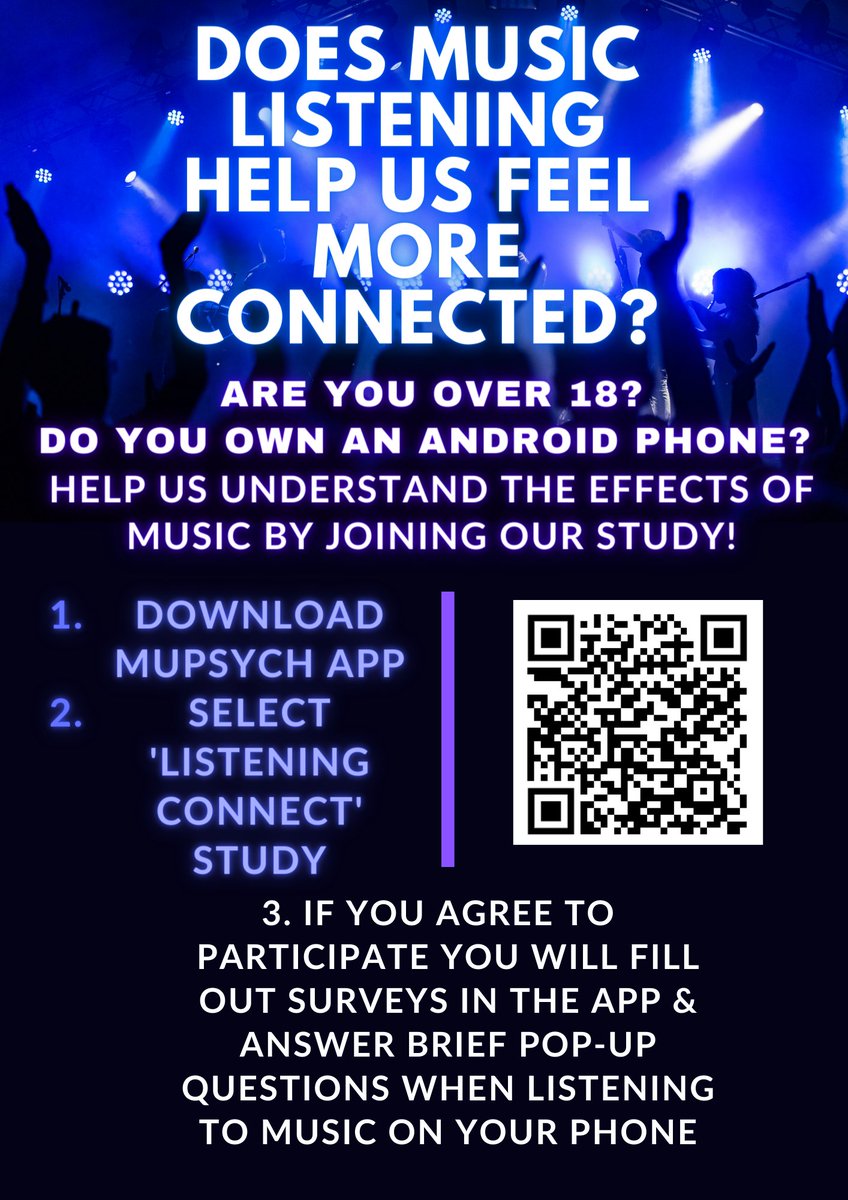
We are recruiting for our international Experience Sampling study on #music for social connection!
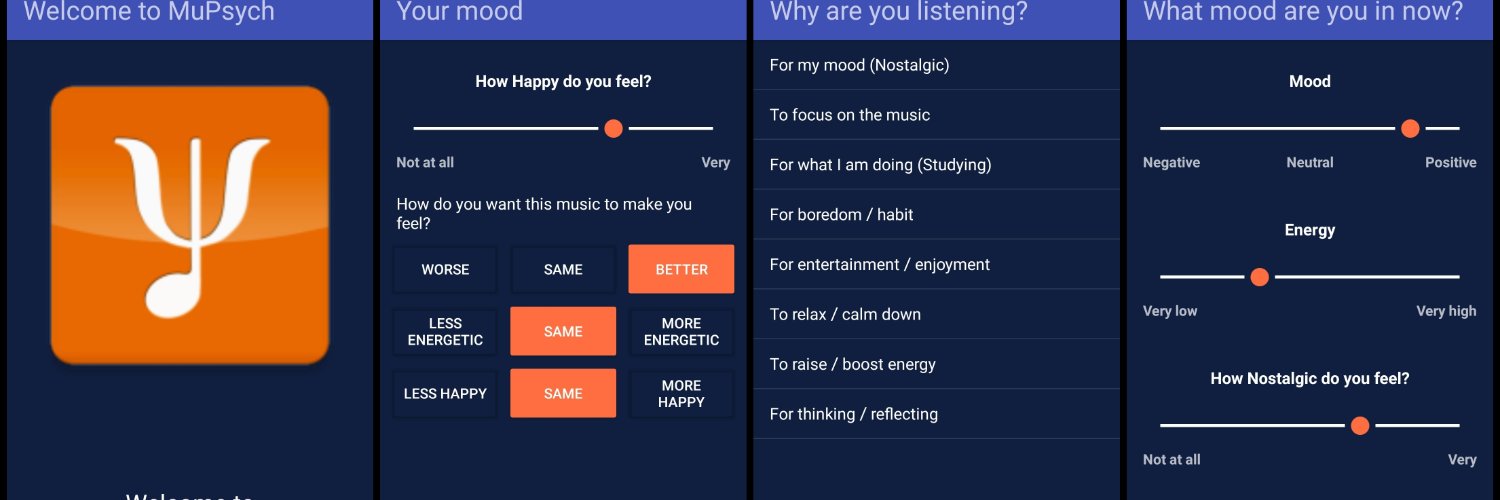
Participating involves downloading an app to your Android phone, answering surveys in the app, and brief Experience Sampling Reports before and after music listening.
DM for info
New MuPsych study!
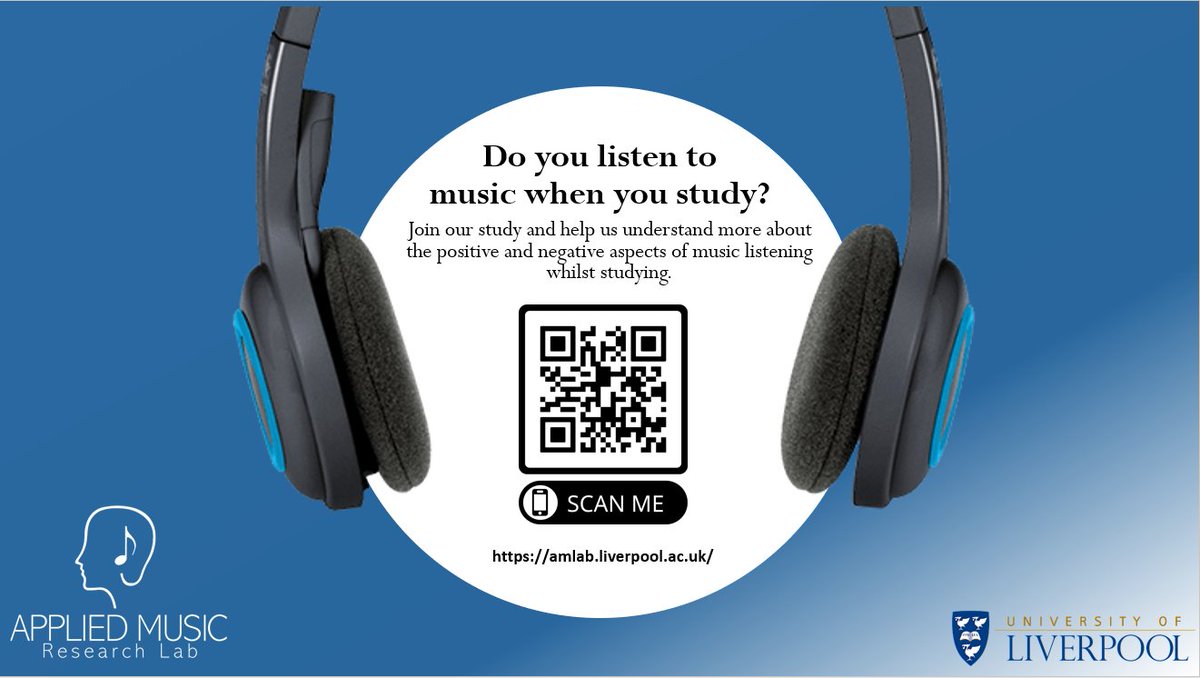
We want to know how students listen to music, and what effect it has during their study sessions.
If you are a student, you can scan the QR to take part; for all details see here:
https://t.co/n8N7pkQMfD
#MusicScience
Huge congrats to our team @MusicPsychJYU (& @helsinkiuni) for the new Centre of Excellence in Music, Mind, Body, and Brain!
MuPsych will be one of several methods used to study the effects of music over 8 super exciting years of research
#MusicScience
https://t.co/rEFKUarh9Y
@mocapmarc @prof_kozak All of our studies are on listening in everyday life, but none of them are Spotify-specific. The MeineMusik study (soon to be published) was almost entirely (but not exclusively) on Spotify users
Here's an update on the MuPsych project I recently presented at the Future Directions of Music Cognition conference: https://t.co/hghzRUk5te
#MusicScience@FDoMC_2020
People are turning to music in this time of crisis. Answer a survey: Has your use of music changed during coronavirus crisis? #JYUnique#music#COVID-19
https://t.co/FEJfeaRvVh
Will Randall addresses recall bias & ecological validity issues in data collection in music psychology research by developing the @MuPsychApp which is a mobile app that allows for real-time & ecologically valid measurement of personal music listening #musicscience
The MuPsych research team has launched our new project, which will create personalised music playlists to support emotional health.
To take part, download the MuPsych app, and select 'MuPsych basic' from the study list.
https://t.co/8GRcqTVu3k