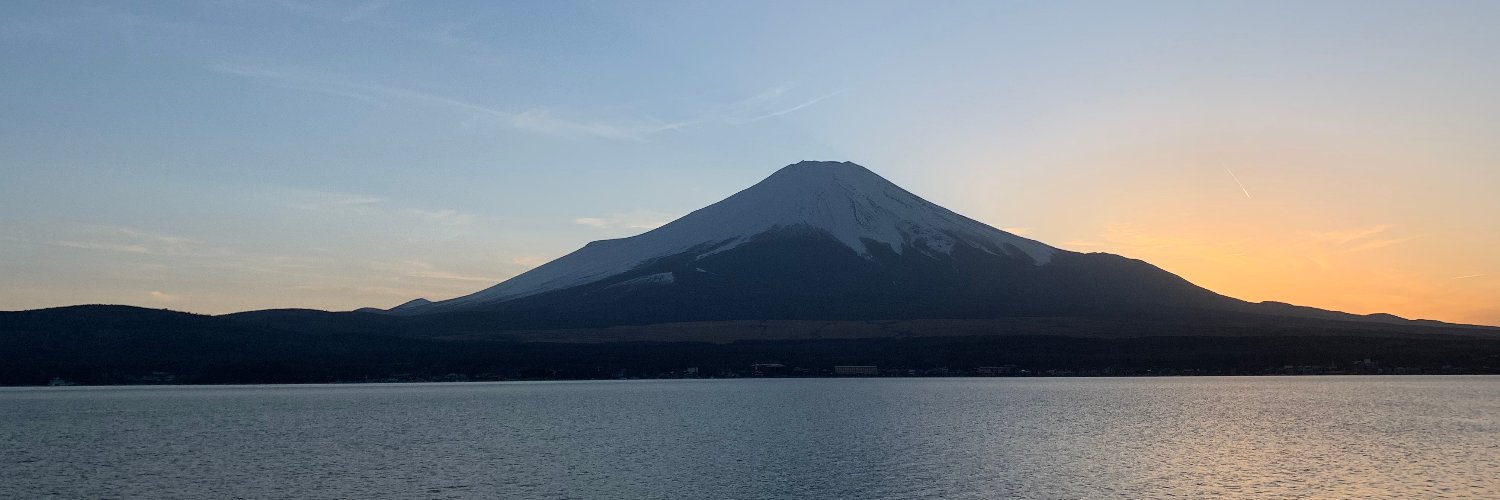
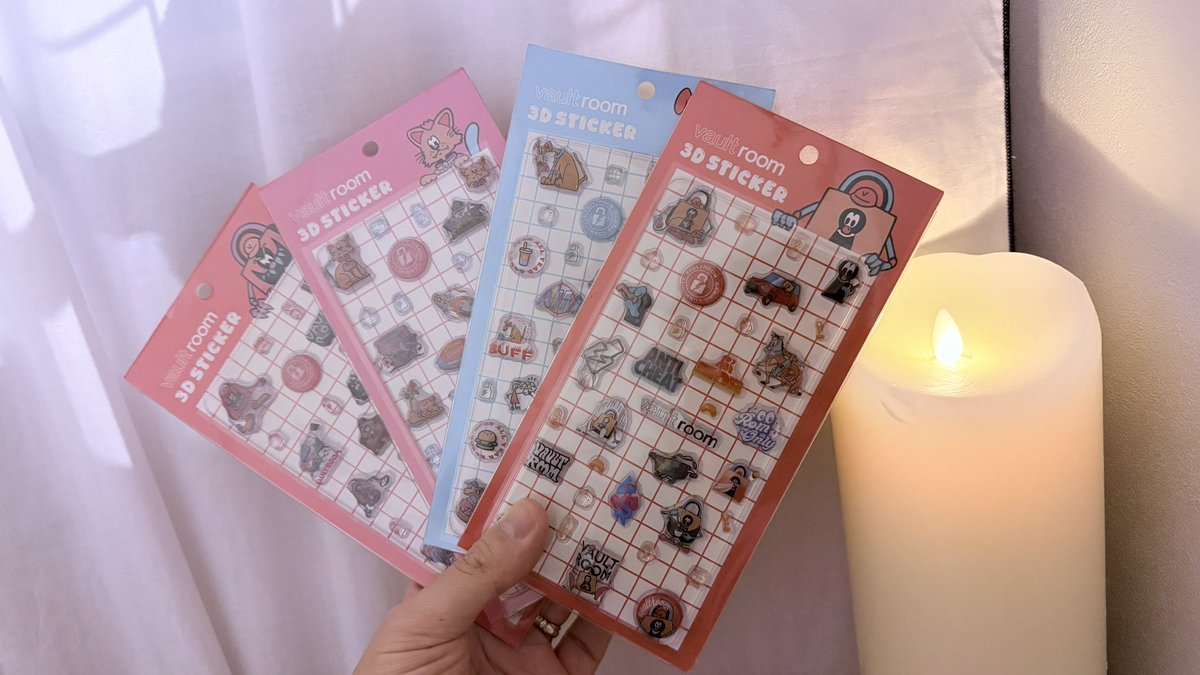
Caught the Samurai Champloo pop-up at SHIBUYA TSUTAYA, up on the 6th floor at the IP bookstore. Walked out with the cassette player I'd been after. Threw on "Departure" and some Nujabes, and honestly? Couldn't have asked for a better afternoon.
Yesterday I had the honor of attending Music Awards Japan. What a beautiful ceremony. Everyone in that room loved music, took it seriously, and had a story to tell. I felt lucky just to be part of it.
本当に素敵なセレモニーで、その場にいれたことに感謝です。 #maj
"I forgot I was even operating a PTZ."
That's a quote from one of our operators during the DIG CUP beach volleyball broadcast on March 14-15, captured in a new case study from RCT (Remote Camera Technology).
When a tool becomes invisible to the person using it, the work gets better. True of cameras. True of AI. Rarely talked about with the weight it deserves.
A few things made this broadcast interesting to me:
Sand court, no fixed seating, no permanent camera platforms, no shelter. Multi-cam AR production from temporary scaffolding and tents. AI-based real-time ball tracking, with AR objects correctly occluded by the ball. Ball trajectory lines for in/out calls during replays.
The team operated PTZ cameras remotely using RCT's FR-2 controller. The framing comment in the case study, "Without the FR-2, we wouldn't have taken this job," says everything about how much the tool stack determines what's actually shootable.
Same pattern I keep seeing across our AI rollout: better tooling doesn't just make existing work faster, it unlocks work that wasn't previously feasible. Sports, AR, AI, and remote control are converging fast, and the crews that can move with that pace get to define what live sports looks like next.
Huge respect to the RCT team, and to our production crew for pulling this off in the sand.
Been waiting for this. @runwayml is coming to Japan.
At MIXI, Runway has already been part of our production workflow for a while. Not a pilot. A daily tool.
The exciting part isn't the announcement. It's that Runway keeps evolving fast, and our workflow gets to keep evolving with it.
https://t.co/jjJODBIE4g
この間にビーチバレーの大会、「BV.LEAGUE DIG CUP Presented by MIXI」で使った映像配信のハイライトです。ARでの広告や、3D 合成や軌道など、視聴体験を向上させるためのアウトプットをこれからも沢山行っていきます!
<HIGH LIGHT Short ver.> 2026 BV.LEAGUE DIG CUP Presented by MIXI https://t.co/YUnbD8F1C0 via @YouTube
One month after AI DAY 2026, the question changed inside MIXI.
Time to Market measurement is now mandatory on every project. The quality bar stays the same, or rises. AI makes more iterations and more reviews cheap, so we expect both axes to move.
Last year's question was "Are you using AI?" 99% adoption made that question useless.
This year's question is "How much faster did you actually ship, without dropping the bar?"
Every team brings TTM numbers to operating reviews. Idea to production. Spec to release. The unit is up to the team. Measurement is not.
What we're learning: high AI adoption doesn't automatically shorten TTM. Some teams use AI a lot, but the workflow around it never changed.
99% adoption was a milestone, not the destination. The destination is shipping faster, at the same quality bar or higher. Speed alone is just faster output, not progress.