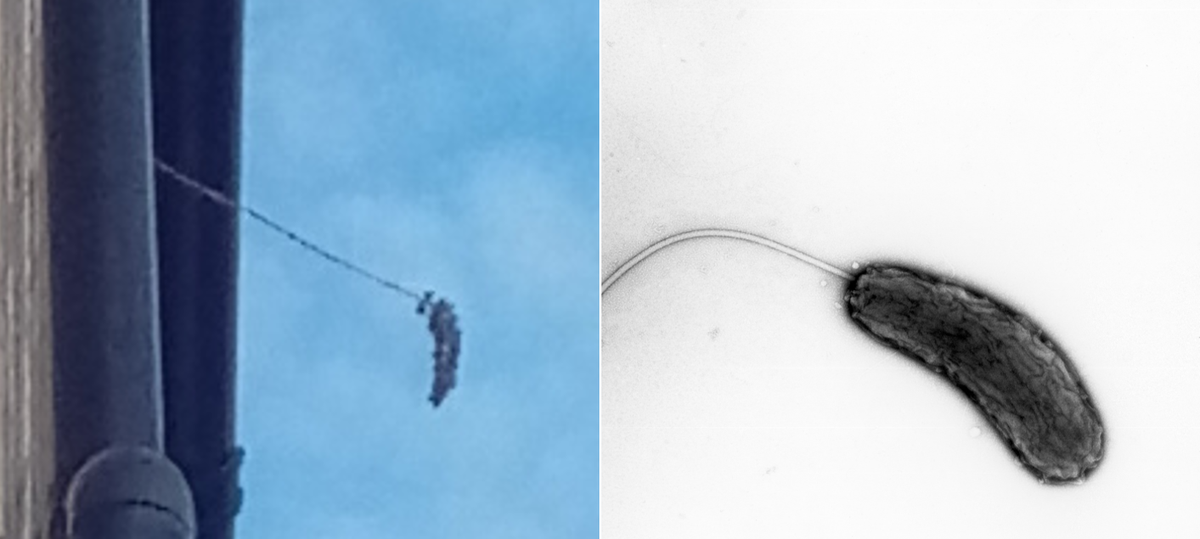
@A_Lonely_Diatom This little fella only eats decomposing things but chytrids are indeed the diatom killers. I'm not, but in their free-swimming state they are known to employ chemotaxis and phototaxis
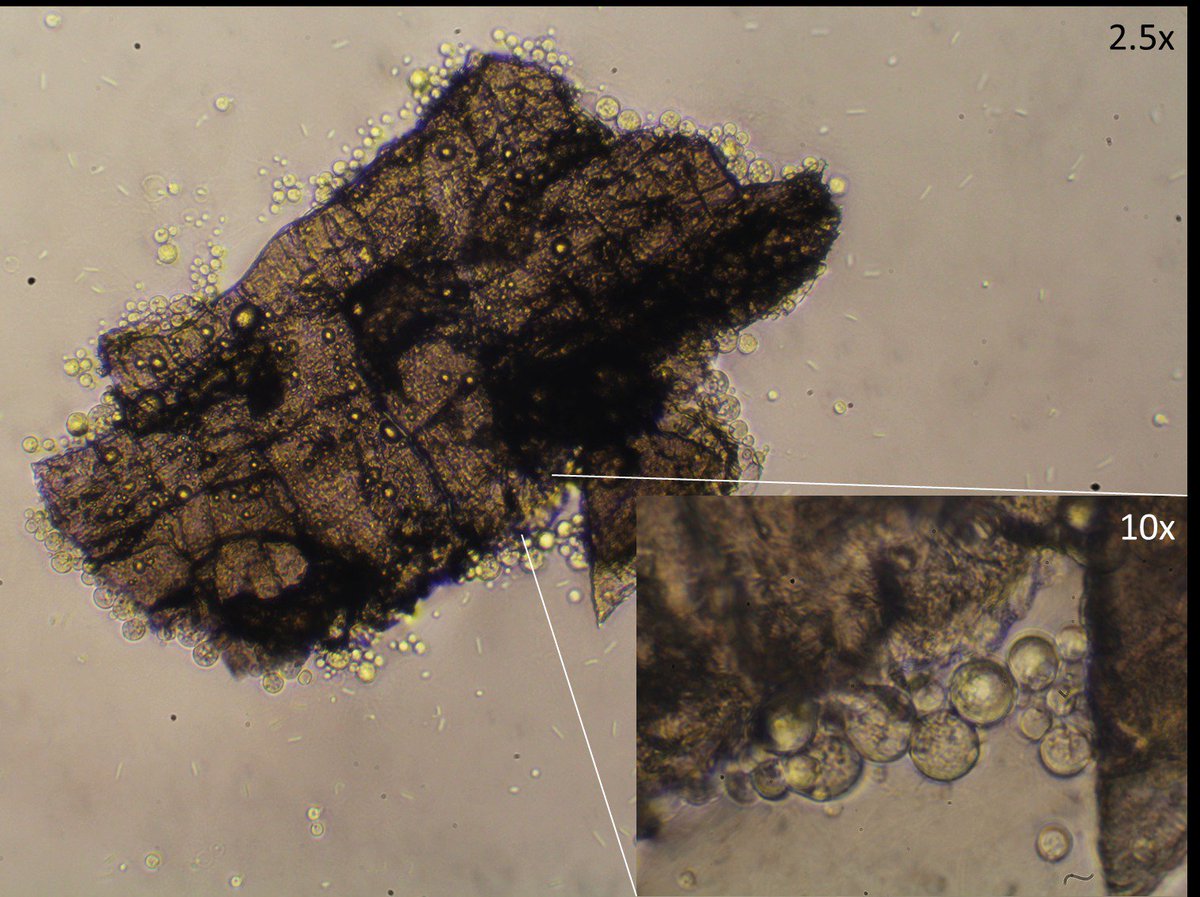
Spotted this extra large #chytrid#fungus in one of my cultures. How is it so big? Like tall trees competing for light, the fungus on the left may have had to have grown past the rest to get its nutrients.
#MResMBIO#Mycology#Microbiology
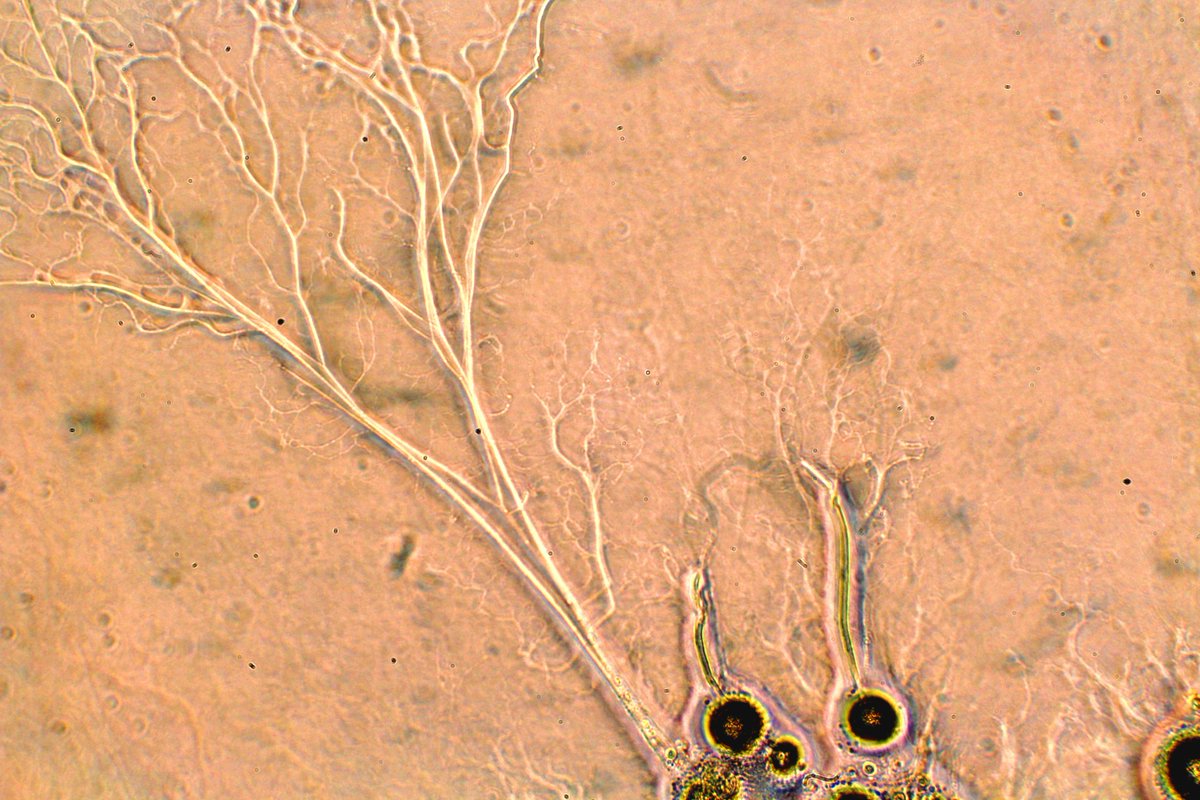
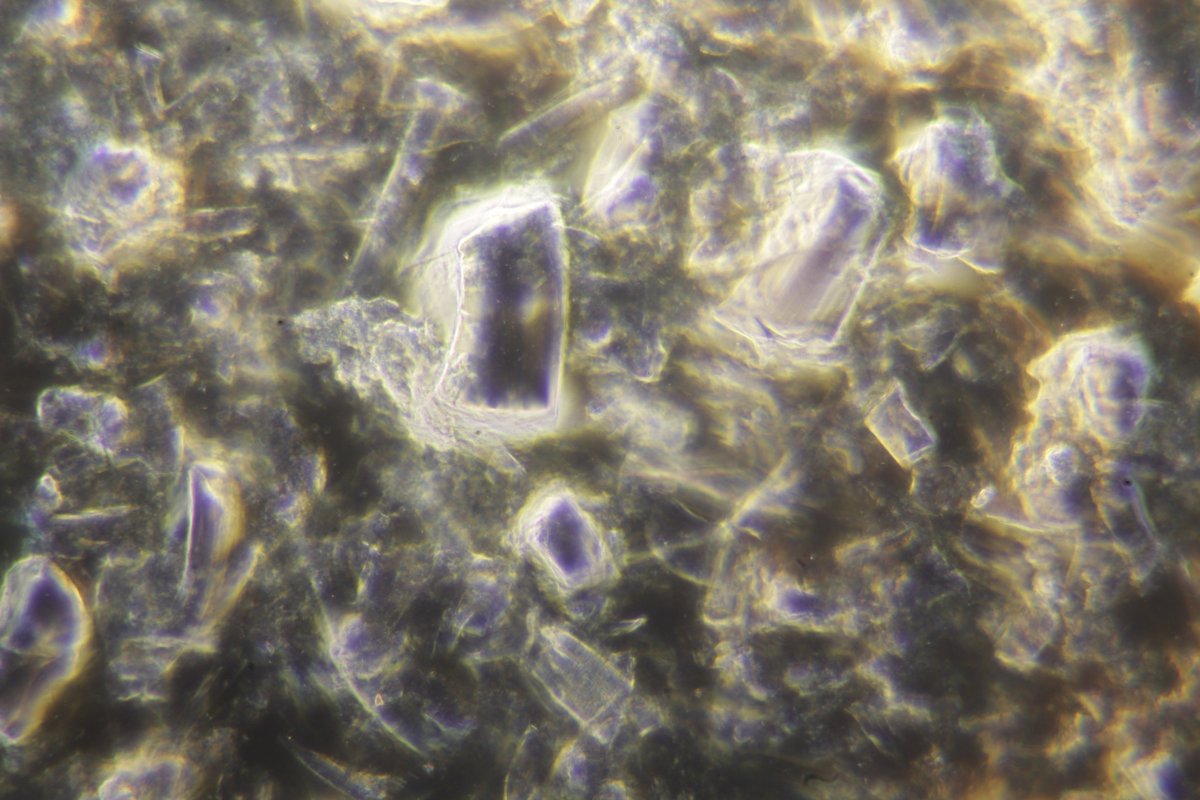
Go fungi, go! These #chytrid#fungi have attached to a food source and now they're on it, they'll digest it from the inside out using the nutrients to make more fungi.
#mycology#microbiology#MResMBio
In this video we see the baby form of the fungus I'm studying for my Masters. You can't see it here but these aquatic fungi swim using a special tail 4-10x longer than their body and can survive up to around 8 hours in their watery ecosystems.
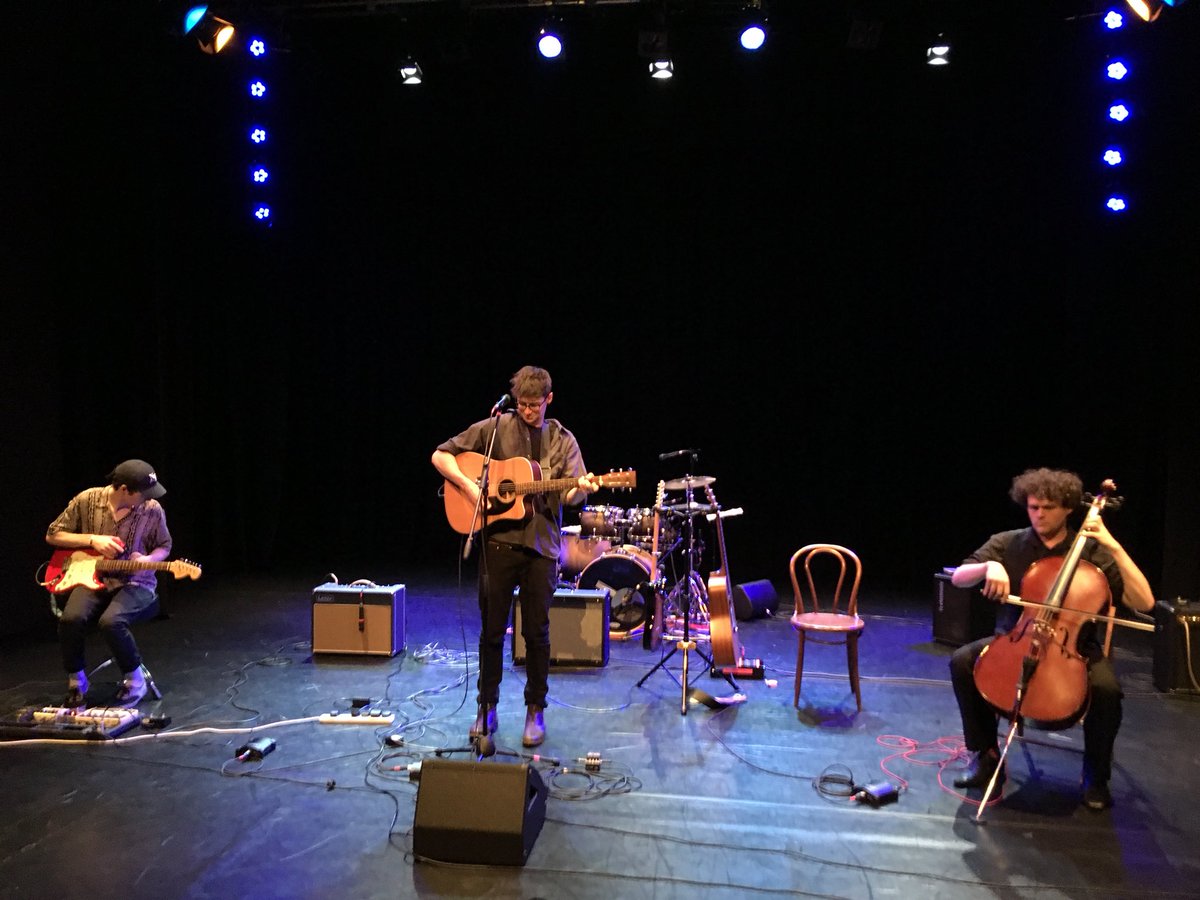
Played an awesome gig at the Barbican Theatre with @OllyParkerMusic and Fergus Tanner for @jamieyostmusic's new E.P. launch. Talented musicians all of them, check out their music! https://t.co/7WATfrkk7C
Had an engaging evening attending the Antibiotics Resistance Seminar hosted at @PlymUni and supported by the @MicrobioSoc. I didn't know bacteria can be transported on microplastics! #PlymResFest#MResMBio
In my spare time I run a microbiology blog and write and about research that's really caught my attention. Follow the link to my latest one about self-replicating, self-propagating DNA in an Antarcticic lake. https://t.co/gX7q4yupVu
There's a group of Archaea (single celled organisms that bridge the gap between prokaryotes and eukaryotes) called Asgard. The species in the Asgard group are called Loki, Odin, Thor and Heimdall
There's a protein that cyanobacteria make which forms a ring around where they photosynthesise, protecting the rest of the bacteria from being damaged by harsh light. In other words, these bacteria can make their own shade.