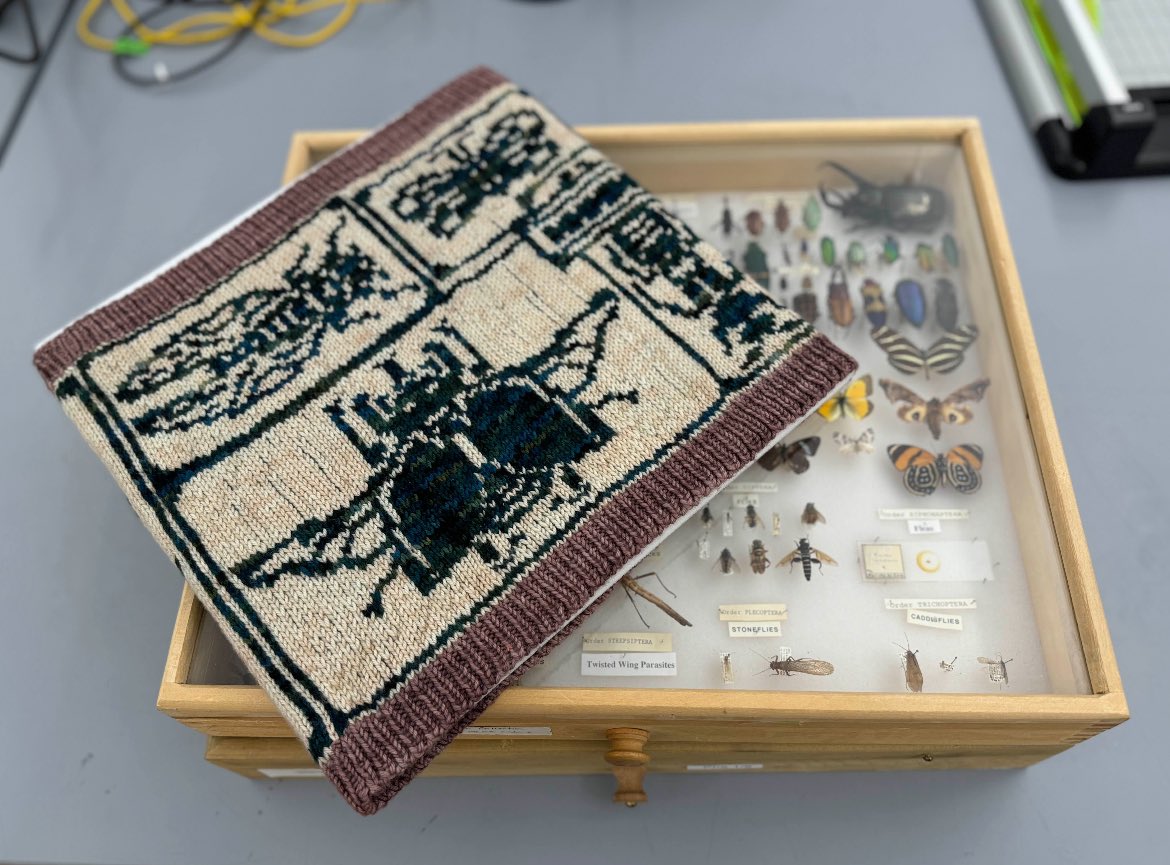
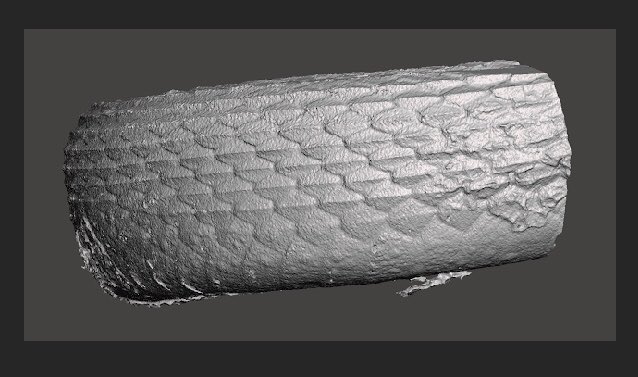
Obsessed with how @MusingBiologist knit and photographed the “Collections Cowl” (my pattern out July 31st). This cowl has multiple insect charts for each box, so you can build your own entomological collection…and wear it! #MCZentomology#knittingentomologist
New study on landscape genomics of Horned Larks from Death Valley to the peaks of the Sierra Nevada! Thanks to coauthors Subir Shakya, @MusingBiologist, @cheechero, and Rauri Bowie.
A @MVZUCB x @LSU_MNS collaboration dedicated to the late Ned Johnson.
https://t.co/5baHApefOO
Our new paper examines Anti-Asian racism in STEM and suggests first steps towards making institutional change. Feeling so fortunate to be able to support this amazing group of authors and for the incredible AAPI solidarity that went into this piece. Hulō, hulō, hulō!
First post here, but I thought it’d be appropriate. My first publication in grad school! Thanks to all my fellow bird nerds at the MVZ @MVZUCB and @MusingBiologist@RosaAJJimenezB @cheechero @Nick_mas0n https://t.co/ohmAQNSb1a
@bryancmounce Is your journal accepting submissions? @DurkinSylvia and I are interested in describing new amigurumi species and jumpstarting the field of comparative amigurumi vertebrate zoology.
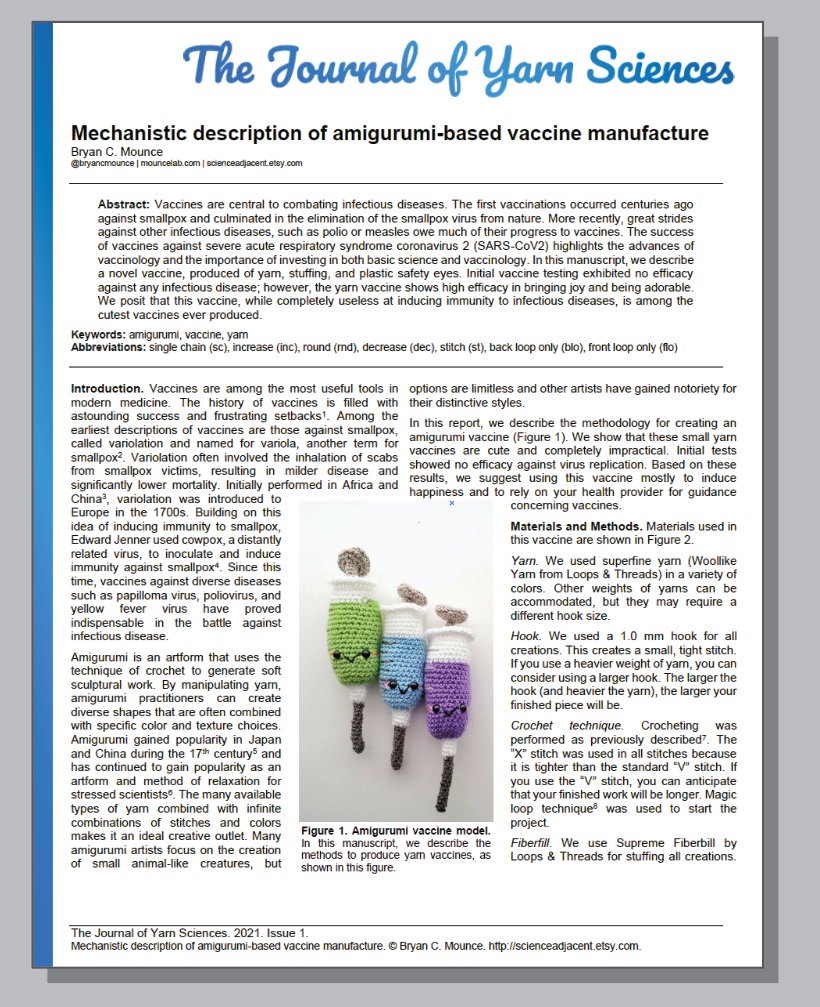
Working on something to share patterns for the creations I've come up with other the last year.
What better way than to start the Journal of Yarn Sciences?
I hope to share my first article "Mechanistic description of amigurumi-based vaccine manufacture" in the near future.
CUNY-RGGS PhD student Rachael Joakim and other female graduate students from their November 2019 expedition in unfragmented lowland rainforest of Bogani Nani National Park in the Northern peninsula of Sulawesi. https://t.co/a46dj2rRYm
But there are very few skulls weirder than this one. Points for guessing what it is! Working on a description of it with @MusingBiologist and other colleagues (on pause due to PhDs). @tetzoo@herphighlights @davidcblackburn #skullsgetweird
Traditionally, several groups of birds have been thought to be closely related to passerines. These include pigeons, cuckoos, and woodpeckers. However, genetic studies have shown that the closest relatives of passerines are parrots and falcons! #PraiseToPasserines
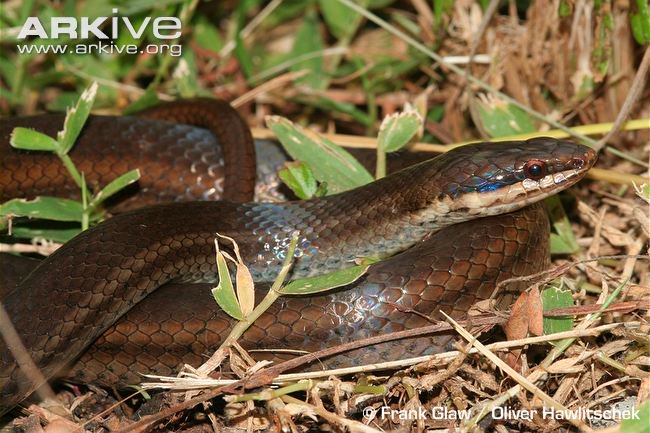
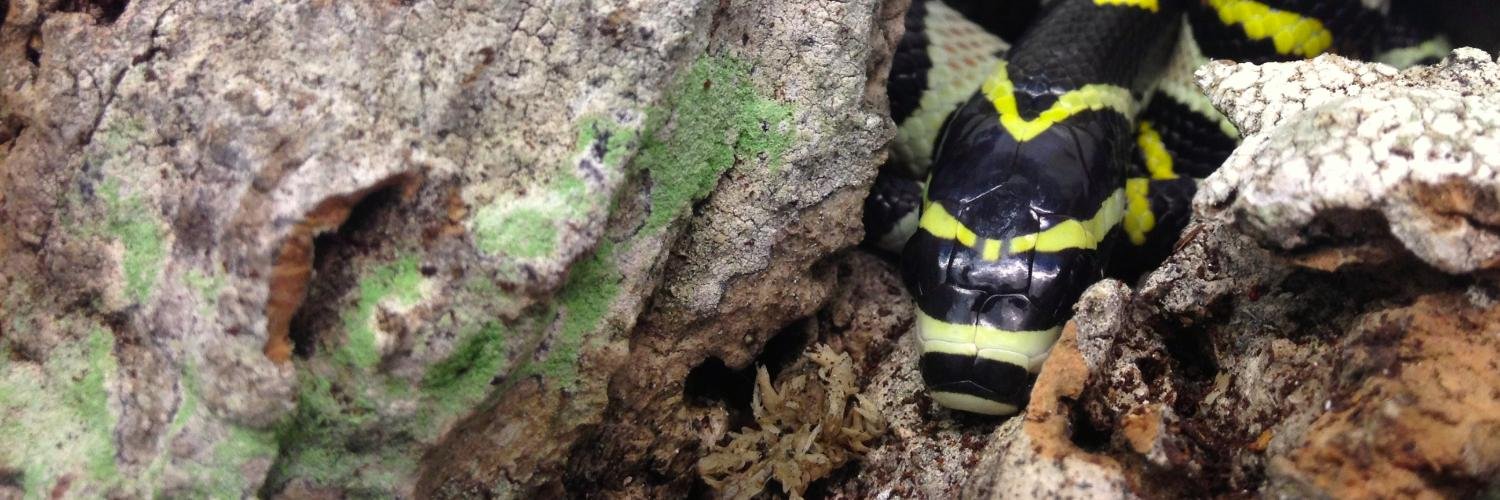
Liophidium have hinged teeth, and some are so obscure that I wrote an article about how to find out about obscure snakes using one as an example: https://t.co/LUc0Ivv2fk #snaketour Thanks @MusingBiologist@MarkScherz
Bashford Dean: American zoologist specializing in ichthyology, curator at the American Museum of Natural History, and curator of medieval armor at the Metropolitan Museum of Art, all concurrently.
#goals#SICB2018