CEO @crafterq_ai and @crafter_cms that power AI-first digital experiences for SMB and F500. Prev founder/CEO of Rivet Logic (acq by Capgemini). VC investor.
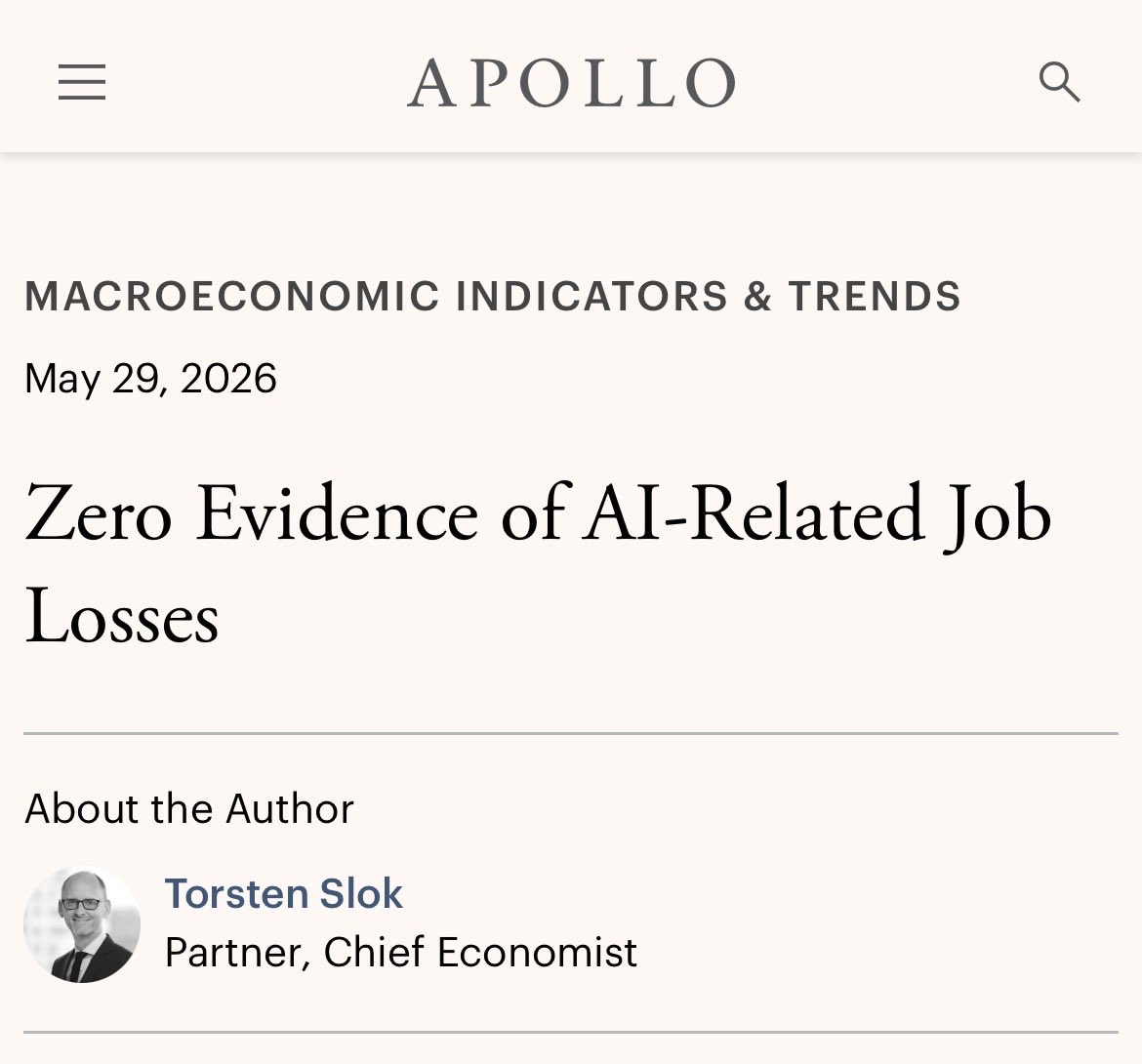
This assumes the economy is static. It isn't.
Every major technological revolution has automated existing work while creating new forms of work, new industries, and new sources of value. Humans move up the stack.
The tractor didn't eliminate work. It moved millions from farms into manufacturing, services, technology, healthcare, entertainment, and professions that didn't previously exist.
AI will automate many tasks, and some jobs. It will create others, most likely many more.
It will also lower the cost of intelligence itself, unleashing entirely new products, businesses, and opportunities that are difficult to predict from today's vantage point.
Our first @crafterq_ai customer success story is live.
UNI Marketing Agency deployed a website AI agent trained on their content and found through our real-time analytics that visitors were consistently asking pricing-related questions.
That insight led them to improve their pricing page.
The result?
📈 35% more inbound leads
📈 18% increase in time on site
This is why conversational analytics are more valuable than traditional website analytics.
Analytics tell you what happened.
Conversations tell you why.
Full customer story:
https://t.co/pVJqan9ZfK
Everyone is focused on AEO/GEO:
“How do I get ChatGPT to recommend my products?”
Important question.
But here’s another:
What happens when the buying conversation leaves your website?
Public AI = visibility.
Your own website AI agent = ownership.
Ownership of:
→ the conversation
→ customer intent
→ analytics
→ recommendations
→ the buying journey
The winners will do both:
AI Discovery + AI Ownership.
Discovery → Conversation → Purchase.
"In the wider WordPress chatbot market, CrafterQ is also notable. Its WordPress solution is positioned around AI chatbots for WordPress sites that boost engagement, capture leads and provide 24/7 support with WordPress and WooCommerce integration..."
👇👇👇
We just shipped a new Playground for CrafterQ.
Before deploying an AI agent, you can:
• Test responses
• Adjust instructions
• Tune expressiveness
• Validate the experience
The goal: fewer surprises in production, better conversational AI experiences
Demo 👇
AI won't replace the CMS.
It will make the CMS more important than ever.
AI agents need trusted knowledge, governance, versioning, and a source of truth.
The next generation of digital experience platforms will combine:
CMS = Deterministic Layer AI Agents = Probabilistic Layer
Welcome to the Agentic CMS.
👇👇
The little chat bubble in the bottom-right corner is probably the wrong UX for AI.
It made sense when chat was just: → support → escalation → “contact us”
But AI agents are different.
They help visitors: → discover products → compare options → answer questions → navigate content → make decisions
That’s not just support. That’s a new interaction layer for the website.
The future of AI on websites may not be smarter chat bubbles.
It may be rethinking the website experience itself.
I think we're witnessing the next major shift in the web.
For 30 years we've optimized websites for browsing.
For the last 15 years we've optimized them for search.
The next decade will be about conversation.
Users increasingly expect websites to answer questions, guide decisions, and help them complete tasks—not just display pages.
That's why we wrote a guide on Website AI Agents 👇👇👇
One of the most interesting things about deploying AI agents on websites:
They expose content gaps fast.
Outdated pages. Conflicting answers. Weak metadata. Missing canonical info. Content short on details.
Traditional websites often hide these problems because users silently navigate around them. And just leave.
AI agents don’t.
Conversational AI becomes a stress test for your entire content architecture.
The AI layer is only as good as the content foundation underneath it.
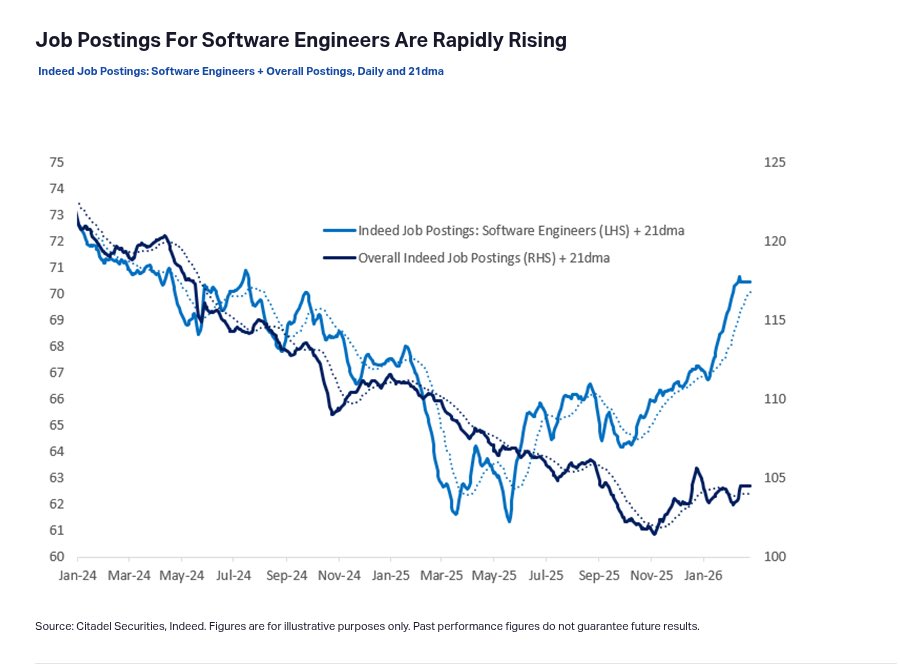
Q: How are job postings for software engineers rising rapidly despite AI agents automating coding?
A: Because there’s far more code to manage than ever before. We’re already seeing a 14x YoY increase in GitHub commits, and it’s accelerating.
AI has dramatically lowered the cost of writing code, so it’s now being used across far more businesses, applications, and use cases.
We’re at the beginning of a massive productivity boom driven by the proliferation of bespoke software throughout the entire economy.
Coding has been AI’s breakout use case this year. The fact that it’s increased demand for software engineers — rather than decreased it — should call into question the entire “AI will cause mass job loss” narrative.
Don’t outsource your web experience to Google.
AI Search is turning Google from a traffic source into the experience layer.
That’s dangerous.
Your website shouldn’t just be a source Google summarizes. It should be your owned conversational experience.
Google is a channel.
Your website is the asset.
Rent the channel. Own the asset.