A special moment captured along Florida's coast 🌊🐢
As the host of the world’s largest nesting region for loggerhead turtles and serving as a major nesting site for green and leatherback turtles, Florida plays a vital role in this important stage of a sea turtle's life. Nesting season begins as early as March and continues through October every year, making the summer season a prime time for sea turtles on our shorelines.
Keep at least 50 feet or more away from nesting sea turtles. Witnessing a sea turtle is an incredible opportunity, but we must remember to give them plenty of space. Getting too close to a nesting sea turtle may cause them to stop the nesting process entirely before they finish.
Remain quiet! Loud sounds or abrupt movements can scare off a sea turtle, causing it to return to the ocean before laying eggs.
Visiting the beach at night can be a vibe, but beachgoers should avoid using flashlights or cellphones. Instead, use natural starlight to navigate the beach, as artificial lighting can disorient nesting sea turtles and may lead hatchlings away from the water.
If you are thinking about a freshwater turtle as a pet, consider signing up as an adopter for FWC’s Exotic Pet Amnesty Program.
You should never approach someone suspected of poaching turtles. Instead, report any suspicious or illegal activity to the FWC by our Wildlife Alert program at 888-404-FWCC (888-404-3922). You can also call the hotline to report any potential tortoise violations, a sea turtle nest disturbance or an injured, dead or harassed sea turtle.
Step Into Your #TurtlePower
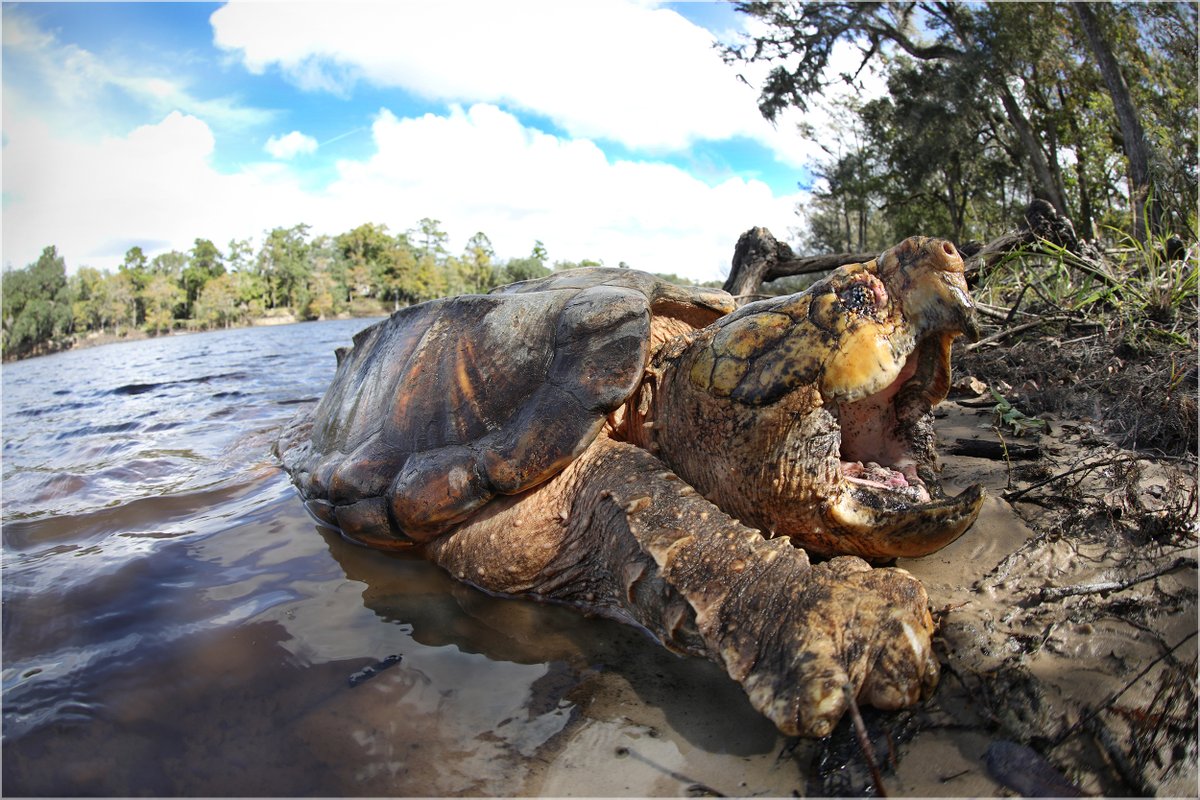
While freshwater turtles are found throughout Florida, they face dangers from vehicle strikes, diseases, and illegal poaching. Here are some ways to power up your turtle conservation efforts to help this #WildTurtleWeek.
Photo credit: Jake Scott
If you come across a freshwater turtle acting strangely and think it may be sick, please report the sighting to the FWC at https://t.co/wsfg1QQCAM
Keep turtles where you find them and admire them in their natural habitats. Turtles should never be relocated or removed from the wild to be kept as pets. Moving turtles risks spreading diseases and vehicle strikes as turtles will try to return home. (It is also illegal to possess, harm or disturb sea turtles, gopher tortoises, and imperiled freshwater turtles.)
Getting a valuable glimpse into a little-known population of green sea turtles is no ordinary occurrence. For years, we have been fortunate to work with many hard-working staff members and partners who take pride in ensuring a future for Florida’s sea turtles.
With only one hatchling in a thousand likely to reach adulthood, the chance to help this species up close is an important opportunity to deepen our understanding. That is why we would like to shine a light on all the biologists throughout the years who have worked hard in sea turtle rescues and research.
Their commitment and care continue to pave the path for current and future conservation efforts.
@America250FL #OldFlorida #FLHeritage
After their vessel lost power and drifted offshore in an area without cell service, two Volusia County boaters were unable to call for help. When they didn’t return as expected, FWC and partner agencies were notified and launched a coordinated search.
Our aviation officers located the vessel approximately 18 miles offshore, confirming the correct location for our partners responding by water. Thankfully, the boaters were uninjured and safely returned to shore.
Amazing teamwork from U.S. Coast Guard Station Ponce de Leon Inlet, @VolusiaSheriff, Sea Tow Daytona and a great reminder to always file a Float Plan!
Before you head out, take a moment to prepare for a safe & enjoyable day on the water. Check the forecast, wear your life jacket, & make sure your boat is equipped with the gear you need.
➡️ Plan ahead for a great day on the water: https://t.co/NFWi1ObQMN
🪪Don’t forget to purchase a freshwater or saltwater fishing license at https://t.co/DMZgPNg2C6 before hitting the water.
Sunrise launches, quiet casts, & stories that get better every time they’re told — we celebrate the moments that keep anglers & boaters coming back day after day. 🛥️🎣#NFBW
What fresh or saltwater species are inspiring your next adventure?
Photos by @SafeBoatCouncil
Staff at Blackwater State Fish Hatchery examined these newly hatched hybrid striped bass.
Afterward, they were moved to Richloam State Fish Hatchery, where ponds were prepped to grow natural plankton for them to eat. That golden circle you see is the yolk sac — once it’s gone, the fish start feeding on their own.
In about a month, they’ll be ready to stock in waters across our state, helping support great fishing statewide 🎣
From Sandhills to the Sea, we are Celebrating Turtles!
From the highest, driest, scrubbiest parts of the state, where gopher tortoises dig, to the shorelines and oceans where marine turtles visit the state to nest, turtles are an important part of Florida’s natural history. For example, our gopher tortoise burrows provide shelter to many amphibians, reptiles, mammals, and invertebrates. Many freshwater turtles also call Florida home – from map turtles and giant alligator snapping turtles in Panhandle rivers to soft-shelled turtles in south Florida.
Join us this week as we celebrate #WildTurtleWeek 2026 and learn more about our wonderful turtle diversity and how you can help protect this important resource!
Sustaining Generations of Wildlife Within Their Branches
Besides providing shade and beauty, Florida’s trees provide food and shelter for many of the varied wildlife species found in our state. From Pensacola in the West to Miami in the South, no other state in our nation has a wider variety of trees within its boundaries.
To take part in Florida’s natural heritage, you too can plant a variety of native trees and other plants in your backyard! 🌳@America250FL
#OldFlorida #FLHeritage
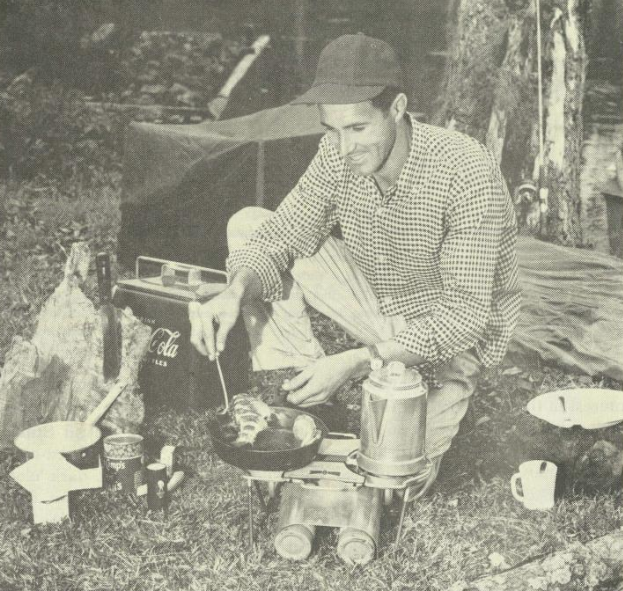
Setting the scene: a beautiful day outdoors, frying up a fresh catch, surrounded by nothing but the simplicity of nature. This captures the ultimate Florida camping experience, where our state’s natural resources are at your fingertips.
Whether you’re born and raised here or visiting from across state lines, the memories made by connecting with natural Florida span generations. @MyFWC
Do you remember your first FL camping trip?
Hatchery staff start collecting catfish eggs for the year in the spring and the resulting fingerlings are raised through the summer. During the month of September, hatchery staff catch these larger channel catfish and stock them into waterbodies around the state.
The FWC typically produces 150,000 – 250,000 of these catfish each year to support Florida's freshwater fisheries.