The thyroid warning on GLP-1 medicines can sound scary. What does it actually refer to?
Dr. Jonas explains that it concerns C-cell tumors observed in rodent studies, and that it’s unclear whether this finding is relevant to humans. The warning he discusses isn’t about every thyroid condition, such as an underactive or overactive thyroid or a thyroid nodule.
Talk with your clinician about your own history and medication questions.
#diabetes #glp1 #diabeteseducation #healthinformation #mydiabetesdoc
Missed multiple GLP-1 doses? Restarting may require a lower dose depending on how long you’ve been off the medication and how you tolerate it. Talk with your prescriber before restarting. #GLP1#Diabetes
💉 GLP-1 Tip of the Day: Start Low & Go Slow
When starting a GLP-1 medication for diabetes or weight management, it’s generally best to begin at a lower dose and increase gradually as directed by your healthcare provider.
For diabetes, lower doses can provide meaningful blood-sugar-lowering effects, while weight loss may increase as the dose is gradually increased.
The key is tolerability. Give your body time to adjust before moving to a higher dose. GLP-1 therapy is often a long-term treatment, so finding a dose and pace that you can tolerate is important for staying on treatment over time.
Remember: don’t change your dose on your own. Work with your healthcare provider to determine the right dosing schedule for you.
🎥 Watch @mydiabetesdoc77 explain why “start low and go slow” matters.
#GLP1 #GLP1Medications #Diabetes #WeightManagement #WeightLoss
Did you know GLP-1 medications have been around for over 20 years? 👀
The first GLP-1 medication approved in the United States was Byetta (exenatide), approved by the FDA in 2005.
It was a short-acting injectable medication taken twice a day and was originally used to treat diabetes. Patients also experienced weight loss while taking it.
Today, GLP-1 medications have become a major part of the conversation around diabetes and weight management — but the story actually started more than two decades ago.
Follow @mydiabetesdoc77 for more GLP-1 tips, facts, and history.
#glp1 #glp1medications #diabetes #weightloss #diabetesawareness
Disclaimer: This is for informational purposes only and is not a substitute for medical advice or treatment from a health care provider.
Many people associate GLP-1 therapy with Ozempic and Wegovy, but the history of GLP-1 treatment actually goes back more than 20 years.
In this video, I explain the surprising history behind the first GLP-1 therapy and how research involving a lizard helped lead to the development of an early GLP-1 medication.
Ozempic and Wegovy helped bring GLP-1 medications into mainstream conversation, but the science and research behind GLP-1 therapy began decades before they became household names.
Understanding where these medications came from helps us appreciate just how far diabetes and metabolic health treatment has come.
#GLP1 #Ozempic #Wegovy #Diabetes #MetabolicHealth
For educational purposes only. This content is not medical advice.
GLP-1 Tip of the Day 💡 What Is GIP?
You’ve probably heard of GLP-1—but what about GIP?
GIP stands for glucose-dependent insulinotropic polypeptide and is the second most studied incretin hormone after GLP-1.
GIP is involved in the body’s response to food intake and contributes to effects related to diabetes management, blood sugar control, satiety, and weight loss.
Some medications, including tirzepatide, stimulate both GLP-1 and GIP pathways. That’s why understanding GIP is becoming increasingly important for patients, healthcare professionals, and anyone interested in diabetes and metabolic health.
In today’s video, I explain what GIP is, how it relates to food intake, and why this hormone may play an important role in newer treatments for chronic diseases.
#GLP1 #GIP #Tirzepatide #Diabetes #MetabolicHealth
For educational purposes only. This content is not medical advice.
GLP-1 Tip of the Day 💡
What is an incretin?
In today’s GLP-1 tip of the day, I explain how incretin hormones—especially GLP-1—connect what you eat with blood sugar control, appetite, and digestion.
GLP-1 has four primary effects:
💉 Stimulates insulin release after meals
🩸 Helps inhibit glucose production by the liver
🧠 Helps regulate appetite and signals fullness
🍽️ Slows digestion to help control how sugar enters the bloodstream
GLP-1 is one of the most extensively studied incretin hormones and is used in treatments for both diabetes and weight management.
Follow @mydiabetesdoc for more evidence-based GLP-1 education.
Medical disclaimer: For educational purposes only. Not medical advice.
#GLP1 #Incretin #Diabetes #DiabetesEducation #MyDiabetesDoc
Another Important Mounjaro update! 📢
The 2.5 milligram dose of Mounjaro, a GLP-1 and GIP medication for type 2 diabetes, is now approved for long-term use as a treatment dose.
Previously, this dose was considered a titration dose used to reach higher doses. This change is beneficial for patients who respond well to the lower dose, as it allows them to maintain blood sugar control and potentially experience weight loss without the need to increase their dose.
This update is advantageous for both patients and prescribers.
#Mounjaro #Tirzepatide #Type2Diabetes #GLP1 #MyDiabetesDoc
Medical disclaimer: This content is for educational purposes only and is not medical advice.
Mounjaro Update: Now Approved for Cardiac Protection
The FDA has approved Mounjaro for use in patients with type 2 diabetes who are at high risk for cardiovascular disease, specifically to reduce the risk of cardiovascular death, stroke, or heart attack.
This approval is based on a long-term study comparing Mounjaro with Trulicity, a medication with an established cardiovascular benefit. Mounjaro showed an 8% lower rate of cardiovascular death, heart attack, or stroke compared with Trulicity, making it an important new option for patients with type 2 diabetes who are at high cardiovascular risk.
#Mounjaro #Type2Diabetes #Diabetes #HeartHealth #GLP1
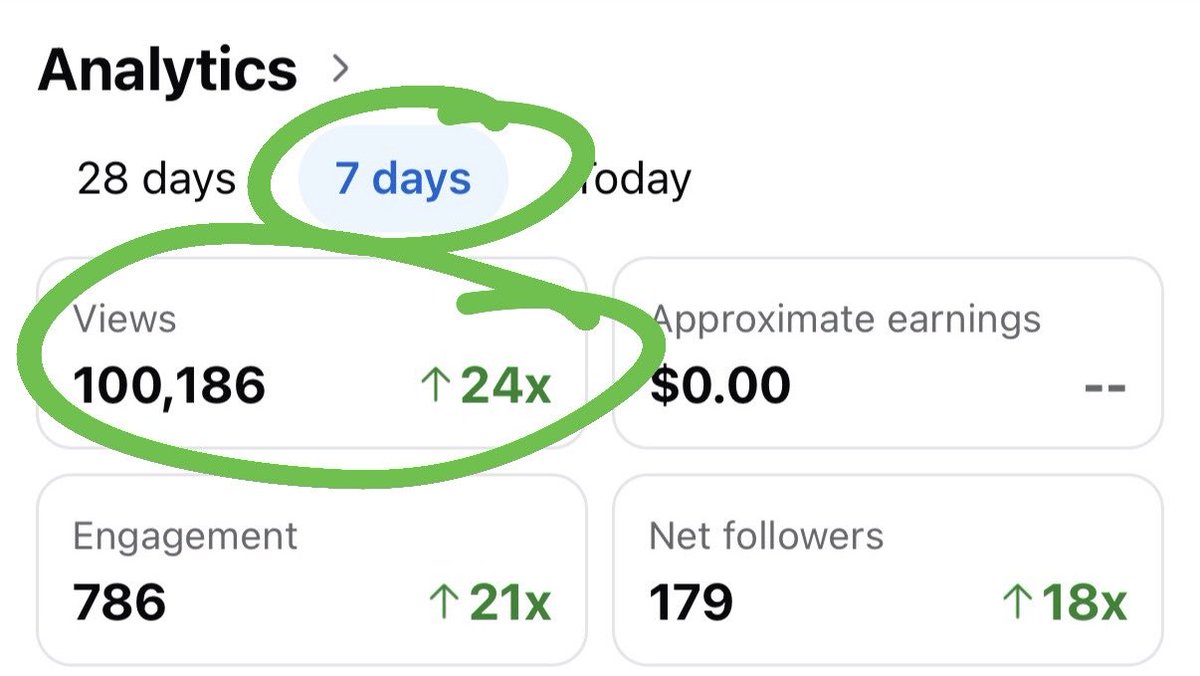
Thank you, everyone, for watching and supporting My Diabetes Doc! We’re excited to share that our videos received over 100,000 views on Facebook in the past week! 🎉
The Medicare GLP-1 Bridge Program was designed to help expand access to certain weight loss medications for eligible Medicare recipients—but qualifying for the program may not always be as straightforward as expected.
In this video, Dr. Jonas Leibowitz reviews some of the eligibility issues we have seen since the Medicare GLP-1 Bridge Program launched on July 1, 2026.
Dr. Leibowitz explains that the program is separate from traditional Medicare Part D coverage and is an approximately 18-month Bridge Program designed to evaluate expanded Medicare coverage of weight loss medications. Eligible patients pay $50 per month regardless of the medication or dose.
One of the biggest issues involves patients who appear to meet the current medical criteria but may still be found ineligible because they previously used a qualifying medication for another approved medical condition.
For example, patients may have previously used these medications for cardiovascular risk reduction after a heart attack or stroke, sleep apnea, or liver fibrosis. Even if they stopped the medication because they could not tolerate it, could not afford it, or only used it for a short period, prior use may still affect eligibility for the Medicare GLP-1 Bridge Program.
Dr. Leibowitz also discusses the lack of a traditional appeal process. However, not qualifying today does not necessarily mean a patient will never qualify. If a patient’s medical circumstances change and they later meet the eligibility criteria, they may qualify at that time. Errors on submitted questionnaires or authorization forms may also potentially be corrected.
Understanding the program can help patients have more informed conversations with their healthcare providers and pharmacies and better advocate for themselves.
This video is for educational purposes only and is not medical advice. Program eligibility, coverage requirements, and policies may change. Speak with your healthcare provider and pharmacist about your individual medical situation.
#Medicare #GLP1 #WeightLossMedication #ObesityMedicine #Diabetes
In this video, I discuss some of the issues we’ve been seeing with pharmacies and the Medicare GLP-1 Bridge Program for weight-loss coverage, which began July 1, 2026.
We’ve seen challenges with prescriptions being inconsistently processed through Medicare Part D instead of the Bridge Program, resulting in rejections and unnecessary prior authorization requests.
We’ve also encountered difficulties obtaining needle tips for injectable medications, particularly at some larger pharmacy chains. While needle tips can be purchased by patients without a prescription in New York, some pharmacies have policies that make it difficult to provide individual packets.
My hope is that these issues will continue to resolve over time as pharmacists and pharmacies become more familiar with the Medicare GLP-1 Bridge Program and its processes.
#medicare #glp1 #zepbound #wegovy #medicareglp1bridgeprogram
Disclaimer: This is for informational purposes only and is not a substitute for medical advice or treatment from a health care provider.
In this video, I discuss several issues that can come up from the prescriber’s perspective, including understanding the program’s clinical eligibility requirements, documenting relevant patient history, and navigating prior authorization and pharmacy processing.
The Medicare GLP-1 Bridge Program is a Centers for Medicare & Medicaid Services (CMS) program designed to provide eligible Medicare beneficiaries with access to certain GLP-1 medications for weight management. The program is currently scheduled to run through December 31, 2027.
As the program evolves, clinicians should always refer to the most current CMS guidance and official program requirements.
📌 Follow @mydiabetesdoc for more physician-led education on diabetes, metabolic health, obesity, and GLP-1 medications.
#medicare #medicareglp1bridgeprogram #glp1 #weightmanagement #obesitymedicine
Disclaimer: This is for informational purposes only and is not a substitute for medical advice or treatment from a health care provider.
In this video, I discuss the Medicare Bridge Program, which began on July 1, 2026, focusing on the program from the patient perspective and some of the issues patients may encounter.
I emphasize the importance of making sure your pharmacy has your Medicare number and understanding that the Medicare Bridge Program is separate from Medicare Part D. The program has a $50 monthly payment, regardless of the medication or dose.
The four medications available through the program are:
• Foundayo — pill
• Wegovy — pill
• Wegovy — injection
• Zepbound — injection
Patients should also understand their BMI and the medical criteria needed to qualify for the program. Being knowledgeable about the program can help patients navigate the process, particularly if they encounter a prescriber or pharmacist who may not be comfortable with the program.
#medicare #medicarebridgeprogram #GLP1 #glp1medication #weightloss
Disclaimer: This is for informational purposes only and is not a substitute for medical advice or treatment from a health care provider.
In this video, part 5/5, I explain Zepbound (tirzepatide), a medication that simulates the GLP-1 and GIP hormones to help with appetite suppression and weight loss. Zepbound is available in six doses: 2.5, 5, 7.5, 10, 12.5, and 15 mg, and the Medicare program uses a pen that is used four times before disposal. Common side effects are gastrointestinal and may include nausea, vomiting, diarrhea, constipation, gas, burping, and acid reflux. Patients should tolerate their current dose before moving to the next dose, which can be done as quickly as four weeks. Clinical studies found weight loss of between 15% and 21% of starting body weight on the 5, 10, and 15 mg doses. Zepbound also has FDA approval for the treatment of moderate to severe sleep apnea, separate from its weight loss approval.
#zepbound #zepboundjourney #weightloss #weightlossmedication #endocrinology
Disclaimer: This is for informational purposes only and is not a substitute for medical advice or treatment from a health care provider.
In this video, part 4/5, I review the most common side effects associated with Zepbound® (tirzepatide), including nausea, vomiting, diarrhea, constipation, abdominal discomfort, acid reflux, burping, and changes in taste.
Because Zepbound can affect appetite and slow the movement of food through the stomach, gastrointestinal side effects are especially common when starting treatment or increasing the dose.
I discuss practical ways to improve tolerability, including eating smaller, lighter meals and avoiding foods that may worsen gastrointestinal symptoms.
I also explain why dose escalation should be based on how well you tolerate the medication. Not everyone needs to reach the highest dose, and your prescriber may recommend staying at a lower dose or adjusting your treatment if side effects are difficult to tolerate.
Always discuss your medications, medical history, and any concerning symptoms with your healthcare professional.
Follow My Diabetes Doc for evidence-based education on diabetes, metabolic health, and GLP-1 medications.
#Zepbound #Tirzepatide #GLP1 #GLP1Medications #weightmanagement
Disclaimer: This is for informational purposes only and is not a substitute for medical advice or treatment from a health care provider.
In this video, part 3/5, I discuss the weight loss expectations from Zepbound, a medication covered under the new Medicare Bridge GLP-1 program. Clinical studies over one year showed weight loss ranging from 15% to 21% of starting body weight, depending on the dose. The doses studied were 5, 10, and 15 milligrams. The highest weight loss was observed with the 15 milligram dose, while the lowest was with the 5 milligram dose. The exact weight loss varies from person to person, but users can expect to lose between 15% and 21% of their starting weight if they maintain the dose for a year.
#weightloss #weightlossmedication #zepbound #zepboundjourney #endocrinology
Disclaimer: This is for informational purposes only and is not a substitute for medical advice or treatment from a health care provider.
In this video, part 2/5 of the Zepbound series, part of my video explainer coverage of the new Medicare GLP-1 Bridge program, I discuss Zepbound, a GLP-1 medication covered by the Medicare Bridge program, which has six doses ranging from 2.5 mg to 15 mg. Dosing should start low and increase slowly, especially for older patients to mitigate side effects. The Zepbound pen, similar to insulin pens, can administer four doses and is reusable weekly. Patients will self-administer the medication using a needle tip, which is included with the pen. The dosing process is designed to be gradual and manageable for patients.
#zepbound #zepboundjourney #weightlossmedication #weightloss #medicare
Disclaimer: This is for informational purposes only and is not a substitute for medical advice or treatment from a health care provider.
Part 1/5, in this video, I explain Zepound Injection, a GLP-1 medication for weight loss under the new Medicare Bridge Program. Zepound stimulates both GLP-1 and GIP hormones, which signal the brain to suppress appetite and slow digestion, leading to a satiety effect. It also reduces liver sugar production and increases insulin secretion from the pancreas to lower blood sugar levels. This dual-hormone stimulation is a recent advancement in GLP-1 medications, making Zepound one of four such drugs in the Medicare program aimed at weight loss.
#bridgeprogram #glp1 #weightloss #zepbound #endocrinology
Disclaimer: This is for informational purposes only and is not a substitute for medical advice or treatment from a health care provider.